Pros and Cons of Laser Treatment for Toenail Fungus: Is It Really Worth It?
Is laser treatment for toenail fungus worth it? Pros include quick procedure times, high safety, and no systemic side effects. Cons include high out-of-pocket costs, lack of insurance coverage, and a risk of reinfection. For best results, pair lasers with internal immune support.


 On This Page:
Searching for the pros and cons of laser treatment for toenail fungus? You’ve just landed in the right place! This particular process has a number of positive aspects that make it popular. It’s a viable option for those who want to overcome some of the problems with other remedies. For example, the approach is more effective as it destroys the fungus and restores your nails to their original shape and color. Whereas the standard alternatives have enhanced levels of toxicity, laser treatment has no adverse effects.
This blog post explores the advantages and disadvantages of laser therapy and the problems of conventional treatments. It also discusses alternatives to laser therapy, the duration of the treatment procedure, and what to consider before choosing the technique.
What Is Laser Treatment?
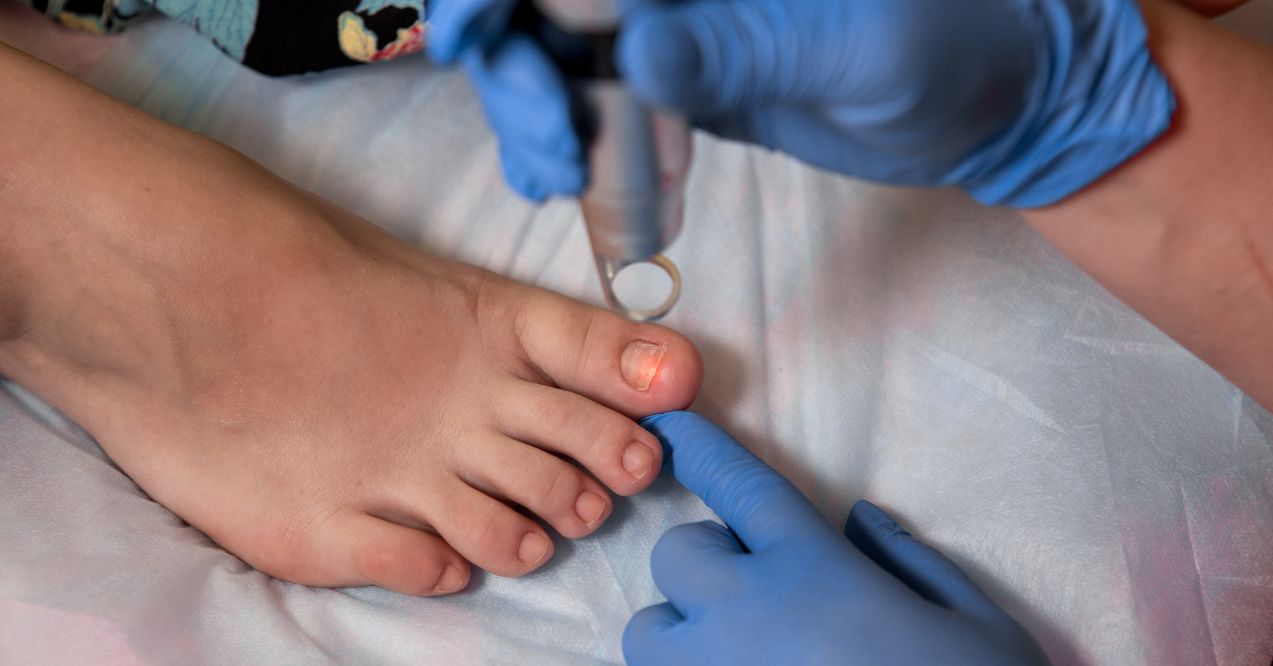
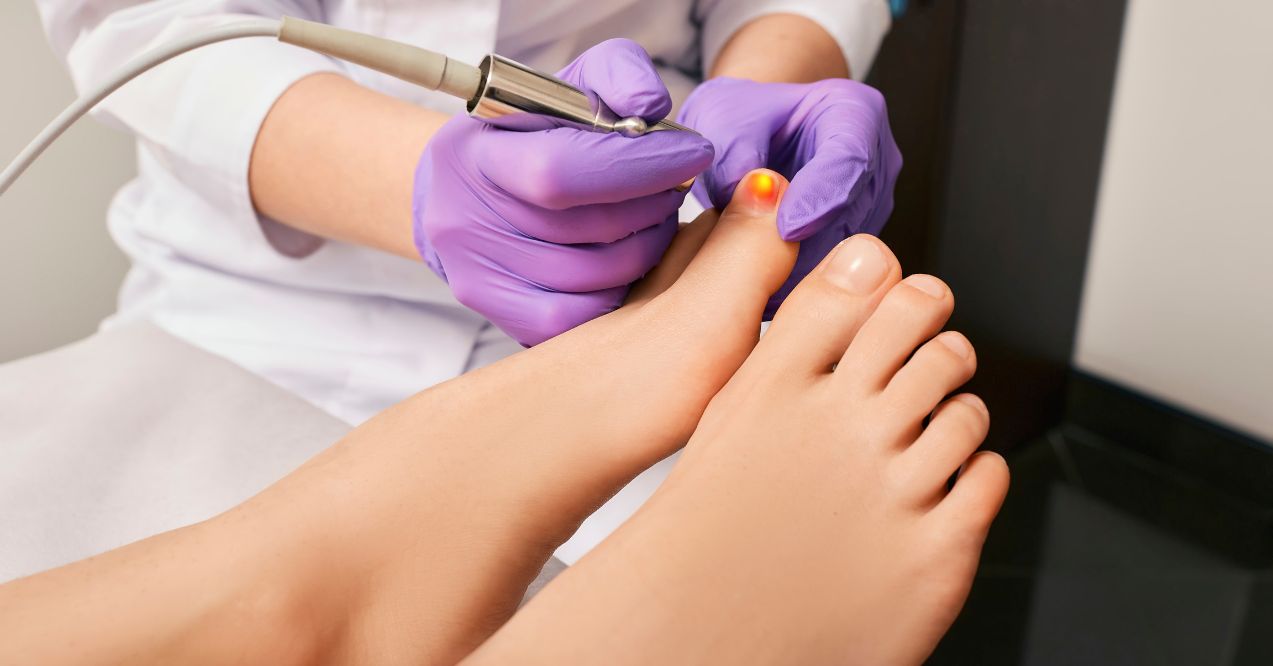
Laser treatment is an intervention approach that involves guiding and applying a strong beam of light to a toenail suffering from a fungus infection. Once this amplified light heats the infected parts, it kills the fungus that causes the condition. The treatment’s results depend on various factors, such as the machine used, the kind of laser therapy applied, and the acuteness of the disease.
This treatment approach involves directing heat generated by a laser device to the toenail, penetrating the underlying area where the fungal infection occurs. Once the infected tissue receives the heat, it changes into a gaseous state, leading to the destruction of the fungus. Thanks to its sterilizing ability, laser heat makes it impossible to develop new fungal cells.
How Effective Is Laser Treatment for Nail Fungus?
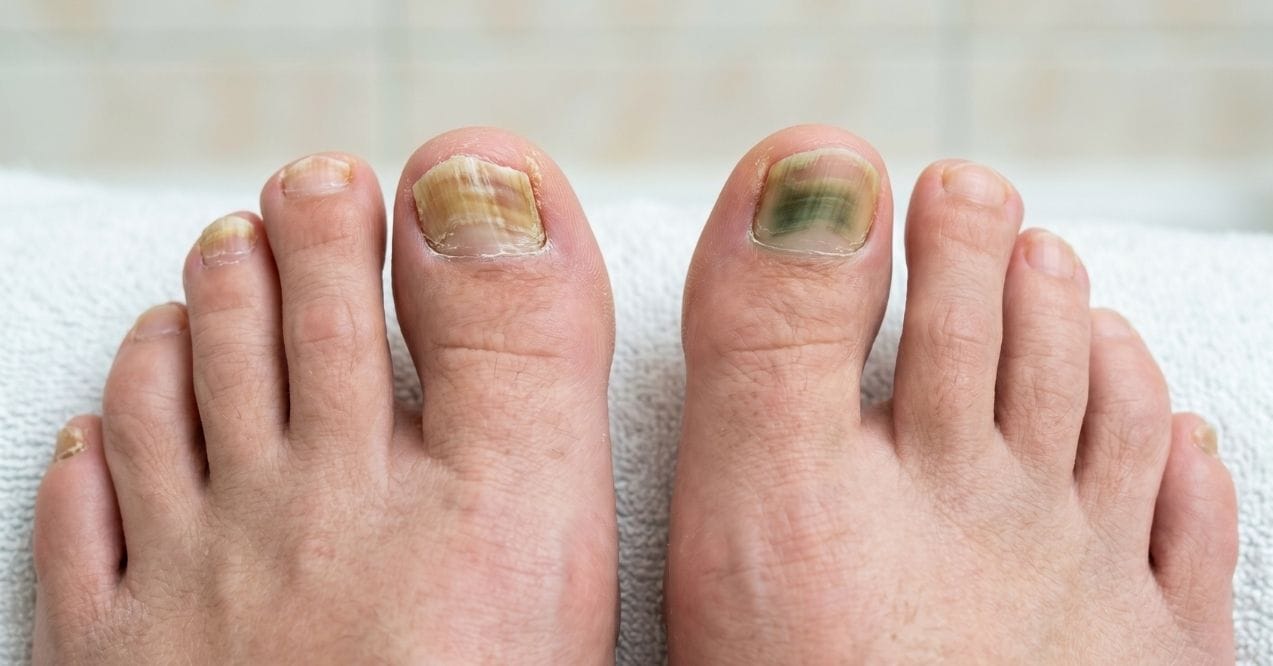
A considerable margin of the whole population suffers from this condition. But what does toenail fungus look like? It has multiple symptoms, including discolored, broken, and thick toenails.
There are three stages of toenail fungus infestation, including the early, moderate, and later phases. While there are multiple treatment options, the popularity of laser treatment is increasing.
A common question from many is about how effective this approach is. Laser treatment for nail fungus utilizes two techniques: YAG and CO2 lasers. According to PubMed Central, YAG laser treatment has a restorative rate of 63%. The same study shows that the success rate of the CO2 laser is 74%. Individuals using laser treatment report an improvement of the condition in at least two months. The procedure provides a better alternative for the treatment of toe fungus as it comes with nil side effects.
What Are the Pros and Cons of Laser Treatment for Toenail Fungus?
Although laser treatment has proven effective, the technique still has some downsides. Learning about these two sides will aid you in making the right decision. Here are the main pros and cons of laser treatment for toenail fungus.
Pros
Many individuals embrace this alternative because it offers them various benefits. Here are the main advantages you should know:
1. It’s Efficient
The efficiency of a treatment option is an essential factor you should assess when choosing a therapy for toenail fungus. Compared with antifungal topical solutions, laser treatment is effective. It works by penetrating your toenail and removing much of the disease. On the other hand, other techniques, like topical therapies, target large external areas and take time to achieve desired outcomes. Thus, you’re likely to obtain a higher success rate when using laser treatment.
2. Faster Treatment
Toenail fungus can be debilitating and require quick intervention. If you suffer from this condition, laser treatment can deliver prompt results after just a couple of sessions. With this technique, you avoid trying multiple treatment techniques that have adverse side effects. Furthermore, other treatment options might only partially reduce the condition, exposing you to recurring infections.
3. Barely Any Possible Side Effects
Safety is one of the reasons that this therapy is a better option. Unlike antifungal treatments, such as bleach for toenail fungus, that present side effects, laser therapy is safe and has zero adverse effects. Furthermore, laser treatment lacks the drug interactions present in oral therapies. It’s the best method for patients who cannot condone the side effects of oral drugs. Are you searching for a trouble-free and noninvasive procedure? If yes, laser treatment is your best bet.
Cons
Although effective, this treatment is not without its negatives. Here are the main cons to consider:
1. No Guarantee That It Will Work
Despite its high success rate, this treatment does not guarantee total fungal elimination. This means some patients may require several sessions to clear the infection completely.
2. You Still Need to Wait for It to Heal
Once you receive the treatment, you need to give your toenails time to heal. Your nails will only show their best shape when they grow out. So, it’s essential to be patient and wait until they regenerate.
3. The Infection Might Occur Again
While the potency of laser treatment is high, fungus infestations are known to dodge many therapies. This means that the infection might reoccur even if you apply laser treatment.
Why Laser Treatment Needs Internal Support to Prevent Reinfection
While laser treatment is highly effective at destroying fungal spores on the surface and within the nail plate, it has one major con: it does not address the root cause of why you caught the fungus in the first place. Fungal spores (dermatophytes) exploit underlying weaknesses in your immune system. If you spend hundreds of dollars on laser therapy but ignore your internal defenses, the infection is highly likely to return.
At PureHealth Research, our collection of supplements for toenail fungus is scientifically formulated to protect your investment by building systemic immune resilience.
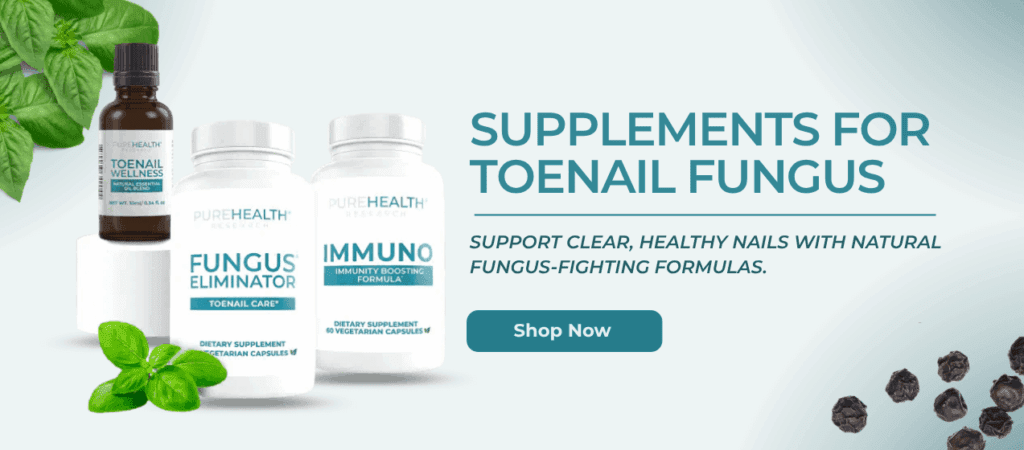
Why Pair Laser Therapy With Our Formulas?
- Prevent Reinfection: We utilize therapeutic doses of evidence-based botanicals—like Oregano, Caprylic Acid, and Turmeric (enhanced with BioPerine®)—to strengthen your immune cells and attack lingering fungal spores systemically.
- The Perfect Complement: When you kill the localized fungus with a clinical laser and attack the systemic fungus internally with targeted nutrients, you create a completely hostile environment where the infection cannot survive.
- Pure & Clean: Manufactured to be strictly gluten-free, dairy-free, soy-free, and non-GMO, ensuring your body receives premium ingredients without synthetic fillers.
Ready to protect your nails from future infections? Explore the Full Toenail Fungus Supplements Collection Today.
How Long Does the Procedure Take?
A typical laser treatment for toenail fungus requires around 40 minutes for the two feet. The duration depends on various factors, including the seriousness of the disease and the number of nails requiring intervention. Usually, you’ll expect four to six sessions spread over four to six weeks. The subsequent treatments help to clear any fungi that may grow after the first intervention. Typically, patients will notice improvements after the initial treatment.
Alternative Treatments
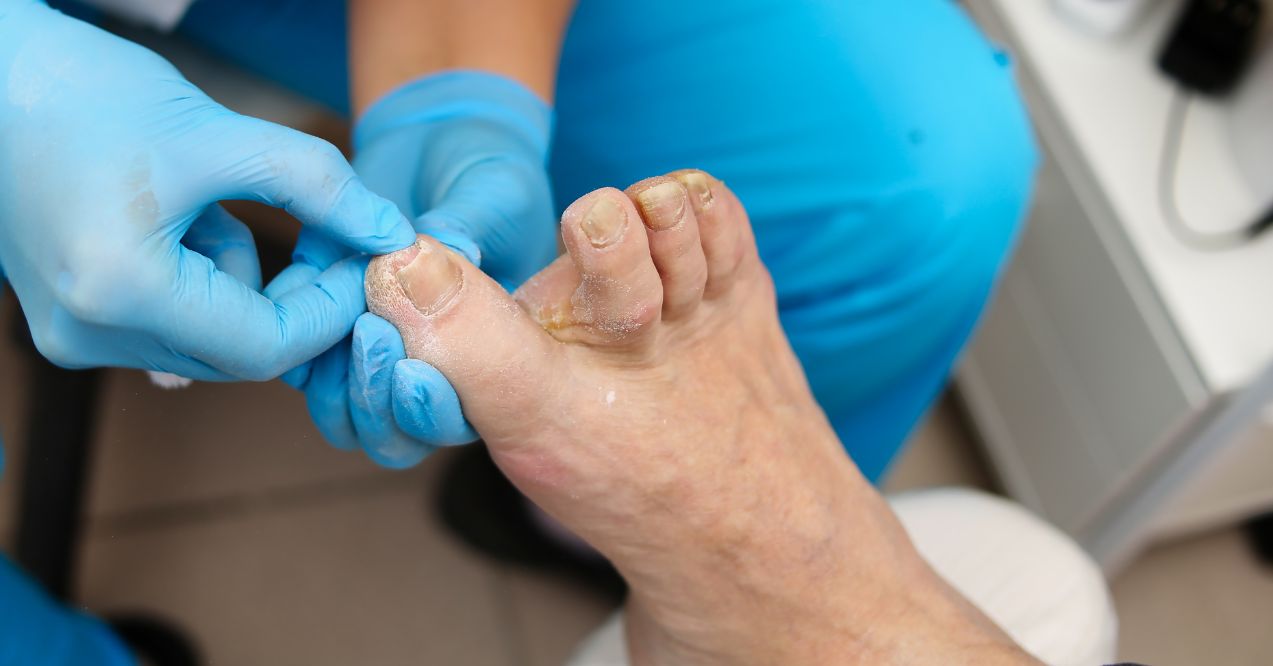
There are various approaches you can use to treat the fungal condition. Let’s briefly review some of them:
- Topical Applications – Antifungal topical creams are one way of combating toenail fungus. Once you rub the medication on the infected area, it’ll spread into the diseased tissues. For the best results, it’s better to thin your nails. Also, you need to use the medicines as instructed by your healthcare provider. This alternative has various side effects, including swelling, burning sensations, and rash.
- Oral Antifungal Drugs – These are drugs patients take through the mouth. They support the regeneration of new nails by getting rid of diseased ones, but firstly you have to learn how to get rid of green nail fungus. Usually, patients take these drugs for 4-9 months, depending on the acuteness of the condition. The main downside of oral antifungal medicines is that their success rate is low. Furthermore, they’ve severe side effects, including liver damage.
- Home Remedies – There are several home remedies that you can consider when treating toenail fungus. While these treatments can provide some improvement, their effectiveness sometimes makes them undesirable. Thus, combining home remedies with other treatment alternatives is important for desirable outcomes. Some home treatments include methanol products and essential oils, such as tea tree oil. If you want to learn how to use tea tree oil for toenail fungus click here.
Conclusion
In conclusion, laser treatment for toenail fungus offers a promising, non-invasive option with the advantage of minimal side effects and no systemic drug interactions. However, it requires multiple sessions and can be costly, with varying success rates depending on the severity of the infection. Weighing pros and cons of laser treatment for toenail fungus is essential for making an informed decision about the best treatment approach for individual needs. Consulting with a healthcare professional can provide personalized guidance and optimize outcomes.
No, it is a procedure viewed as artistic by health insurance providers. Therefore, they do not cover it.
Yes, it is. Thanks to its effectiveness, quickness, and general lack of adverse effects on patients, it’s well worth it.
The effectiveness of this technique sits at around 90%. Considering this, it’s an approach worth pursuing to treat toenail fungal infections.

Advertisement. This site offers health, wellness, fitness and nutritional information and is designed for educational purposes only. You should not rely on this information as a substitute for, nor does it replace, professional medical advice, diagnosis, or treatment. If you have any concerns or questions about your health, you should always consult with a physician or other health-care professional. Do not disregard, avoid or delay obtaining medical or health related advice from your health-care professional because of something you may have read on this site. The use of any information provided on this site is solely at your own risk.
Related Articles
Why Toenail Fungus Keeps Coming Back, and How to Break the Cycle
Written by Laura Kraujalyte | July 29, 2026

Toenail Fungus by the Numbers: What the Research Actually Shows
Written by Laura Kraujalyte | July 29, 2026

What Causes Toenail Fungus? Full Guide
Written by Gabriele Slimaite | April 30, 2026
Nail Mold vs Fungus: Differences and Treatment
Written by Gabriele Slimaite | April 30, 2026
How to Get Rid of Toenail Fungus: The Complete Guide to Fast Relief
Written by Gabriele Slimaite | April 23, 2026

How to Get Rid of Green Nail Fungus: The Complete Step-by-Step Guide
Written by Gabriele Slimaite | April 22, 2026