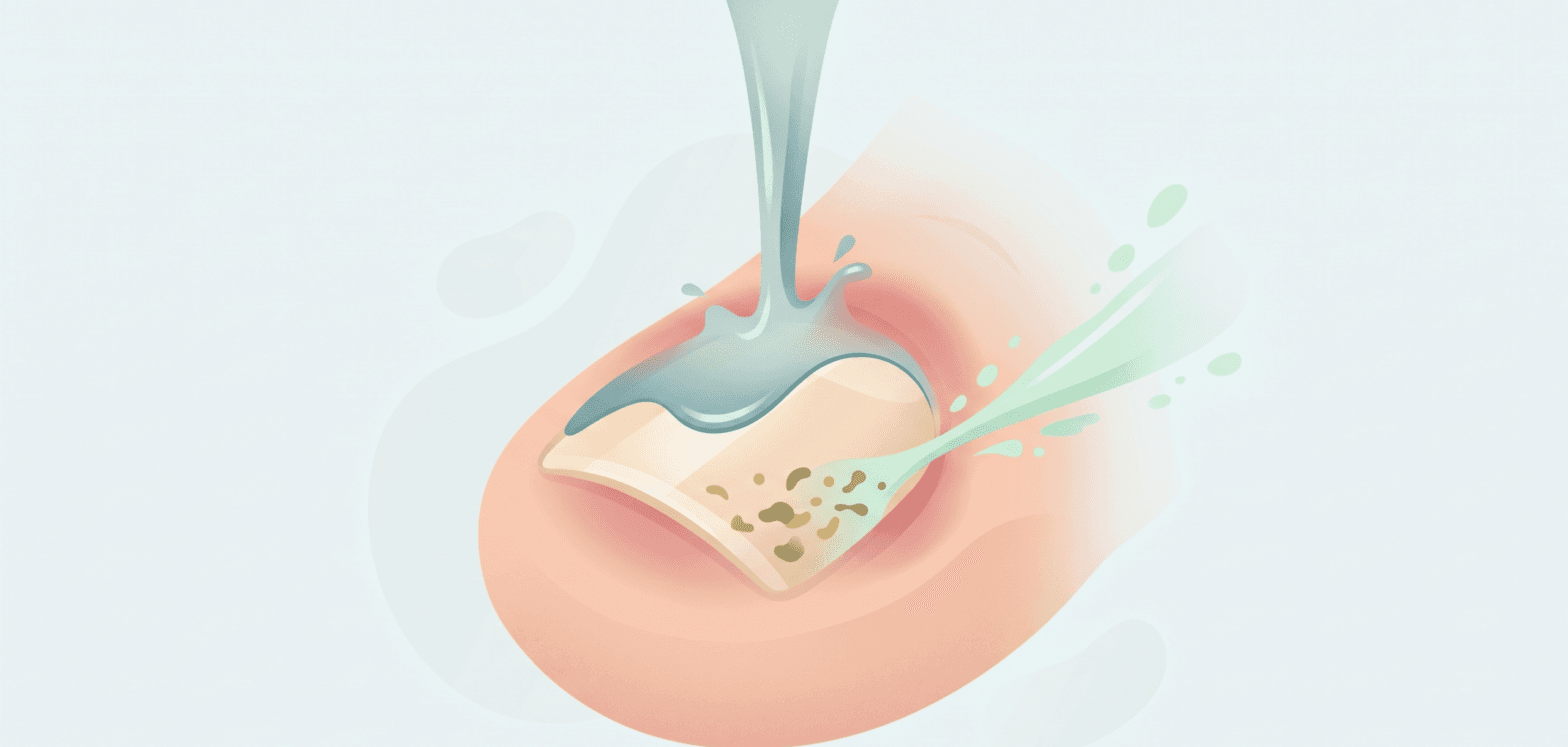
How to Get Rid of Green Nail Fungus: The Complete Step-by-Step Guide
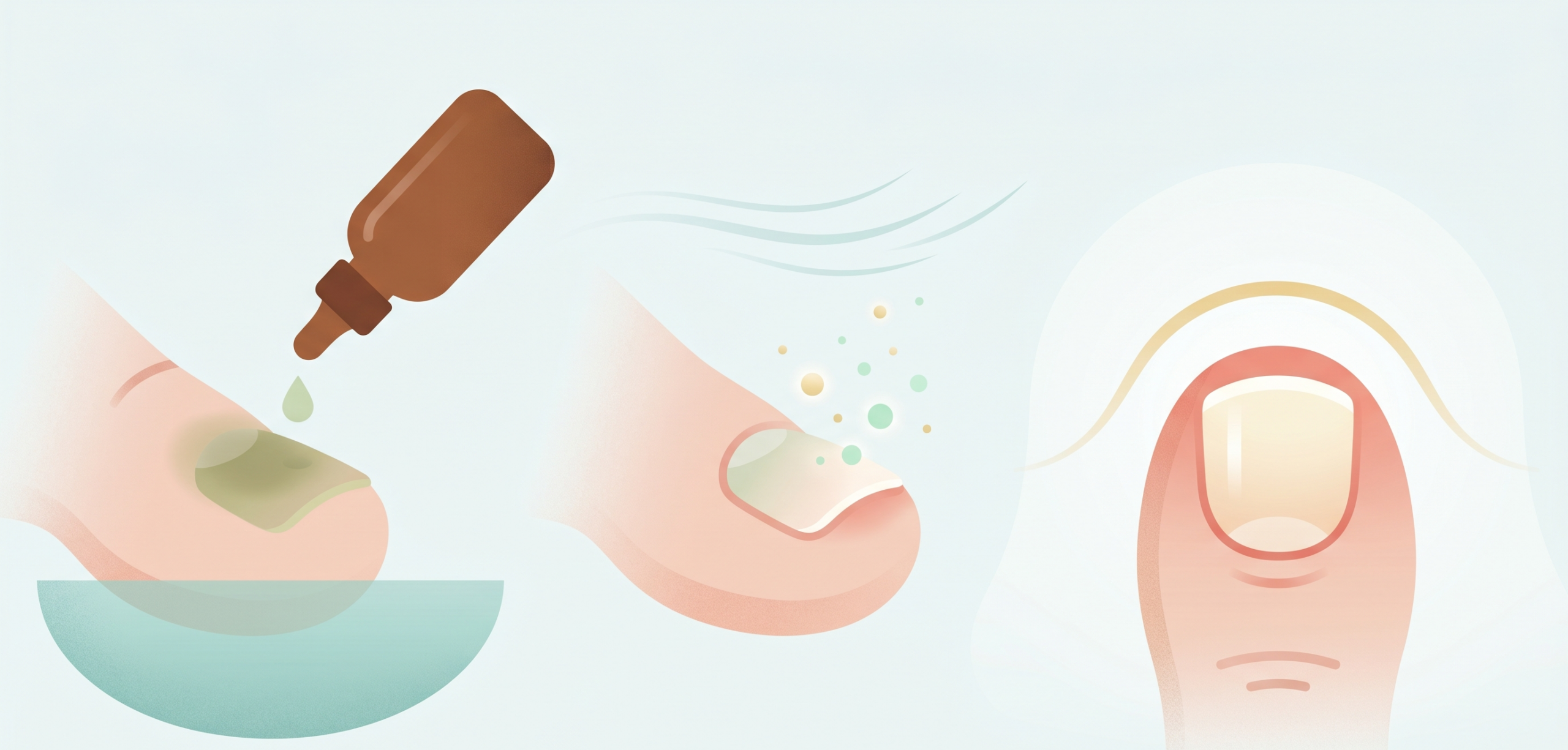
How do you get rid of green nail fungus? Keep the affected nail clean, trimmed, and completely dry. Soak the nail in antimicrobial solutions, like mild antiseptics. Pair this with over-the-counter topical treatments. For stubborn infections, seek professional medical debridement.


 On This Page:
How to get rid of green nail fungus is a common concern for those noticing a greenish discoloration on their nails. Green nails, often resulting from bacterial activity, can be both cosmetically displeasing and indicative of underlying issues with nail health. This condition not only affects the appearance of your nails but may also signal that they require better care and attention.
Understanding what green nails are and the factors that contribute to their development is the first step toward managing this issue. In this blog post, we’ll delve into the causes behind green nails and explore various methods to address and prevent them, helping you support healthier nail growth.
What are Green Nails?
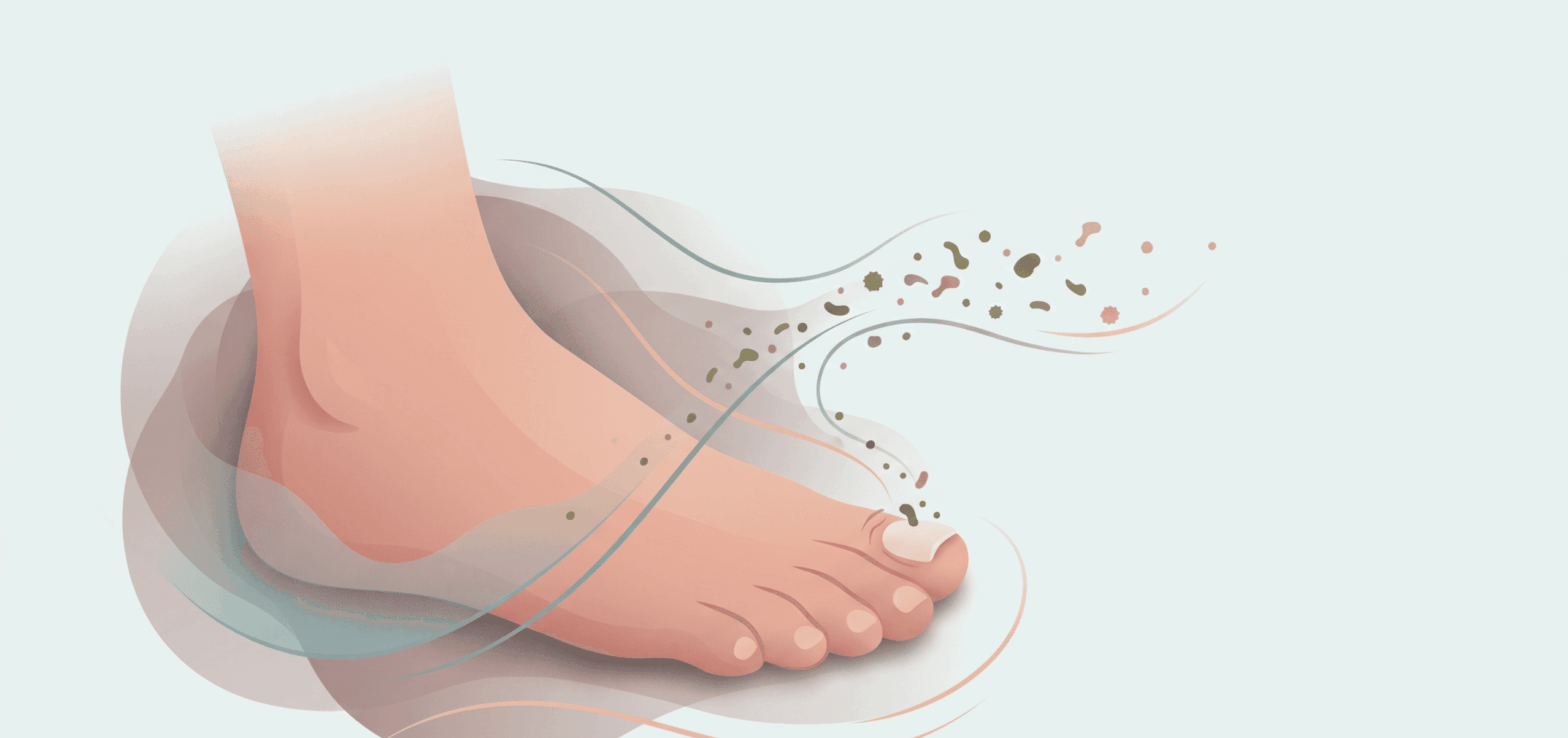
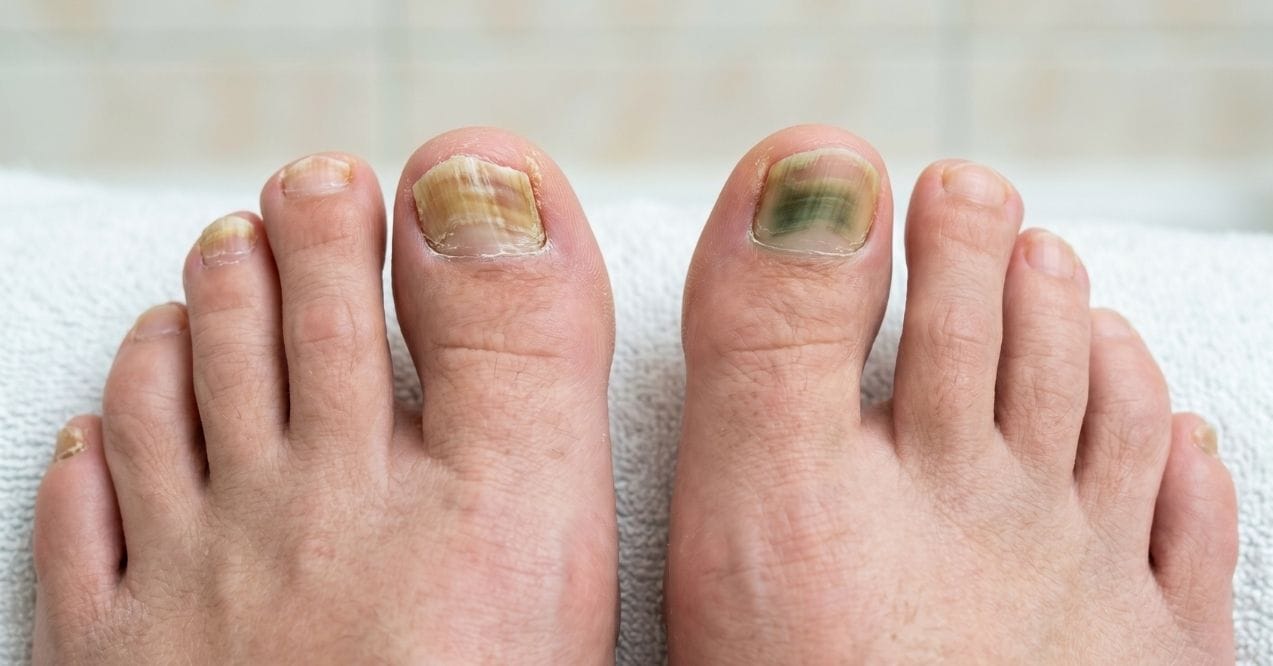
Green nail, medically referred to as chloronychia, is identified by a greenish discoloration of the nail plate. This condition occurs when the bacterium Pseudomonas aeruginosa colonizes the space beneath the nail, typically caused by the lifting or separation of the nail. The bacteria produce pigments, pyocyanin and pyoverdine, which give the nail its characteristic green hue.
In some cases, green nails may accompany the early stages of toenail fungus, where discoloration and thickening of the nail are common. As the infection progresses, the green color intensifies, and the nail may become brittle or separate from the nail bed. Therefore, addressing the issue early is essential for promoting nail health and preventing further complications.
In some cases, green nails may accompany the early stages of toenail fungus, where discoloration and thickening of the nail are common. As the infection progresses, the green color intensifies, and the nail may become brittle or separate from the nail bed. This buildup of bacteria and fungi can also lead to an unpleasant odor, leaving many to wonder, “Why do my toenails smell?” Addressing the issue early is essential for promoting nail health and preventing further complications.
What Causes Green Nails?
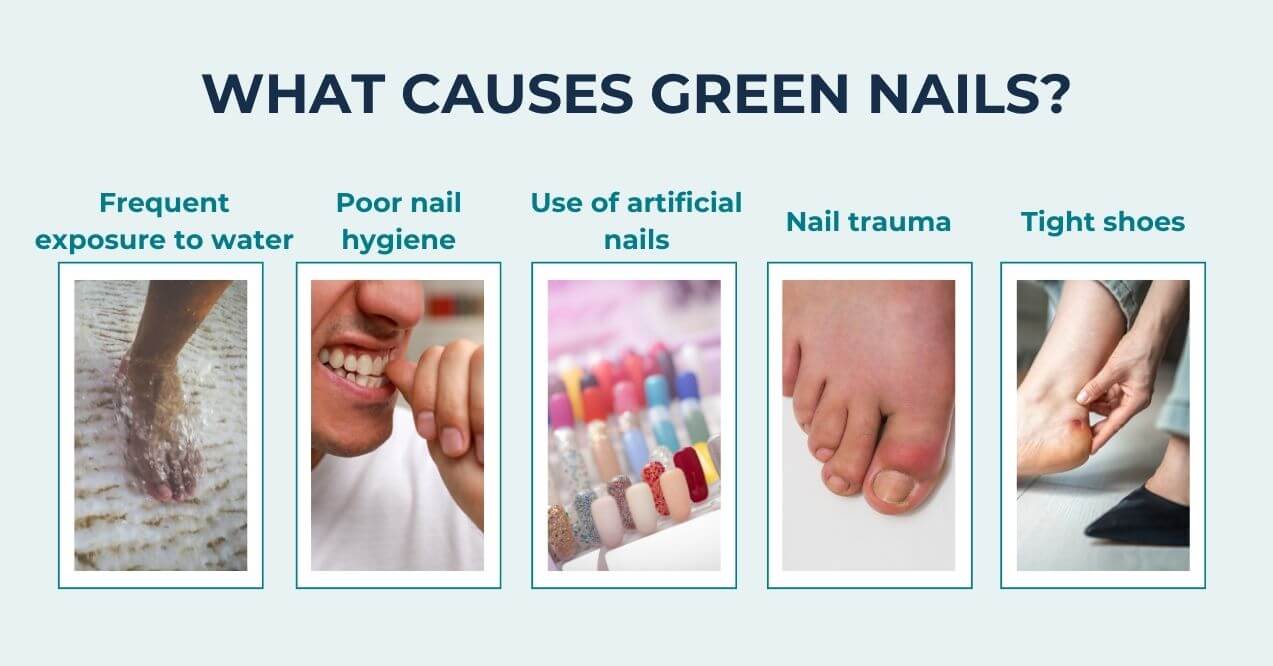
Green nails result from infections that alter the color and texture of the nails. These causes may include:
- Frequent exposure to water – Prolonged contact with water, such as swimming or dishwashing, creates a damp environment ideal for bacterial growth.
- Poor nail hygiene – Failing to keep nails clean and dry can lead to bacterial buildup under the nail bed.
- Use of artificial nails – Wearing artificial nails for extended periods can trap moisture, increasing the risk of infection.
- Nail trauma – Cracks, splits, or lifting of the nail from the nail bed create entry points for bacteria and fungi.
- Tight or ill-fitting shoes – Wearing tight shoes can trap moisture and cause nail trauma, contributing to green toenail or fungal infections.
Additionally, understanding what causes toenail fungus is also essential, as fungal infections can weaken the nail structure and create conditions favorable for bacterial growth. Fungi like dermatophytes invade the nail through small cracks or cuts, leading to discoloration and thickening.
How to Get Rid of Green Nail Fungus?
How to get rid of green nail fungus when noticing a green color under nail? Managing this condition involves a combination of home care, over-the-counter solutions, and professional treatments.
Home Remedies
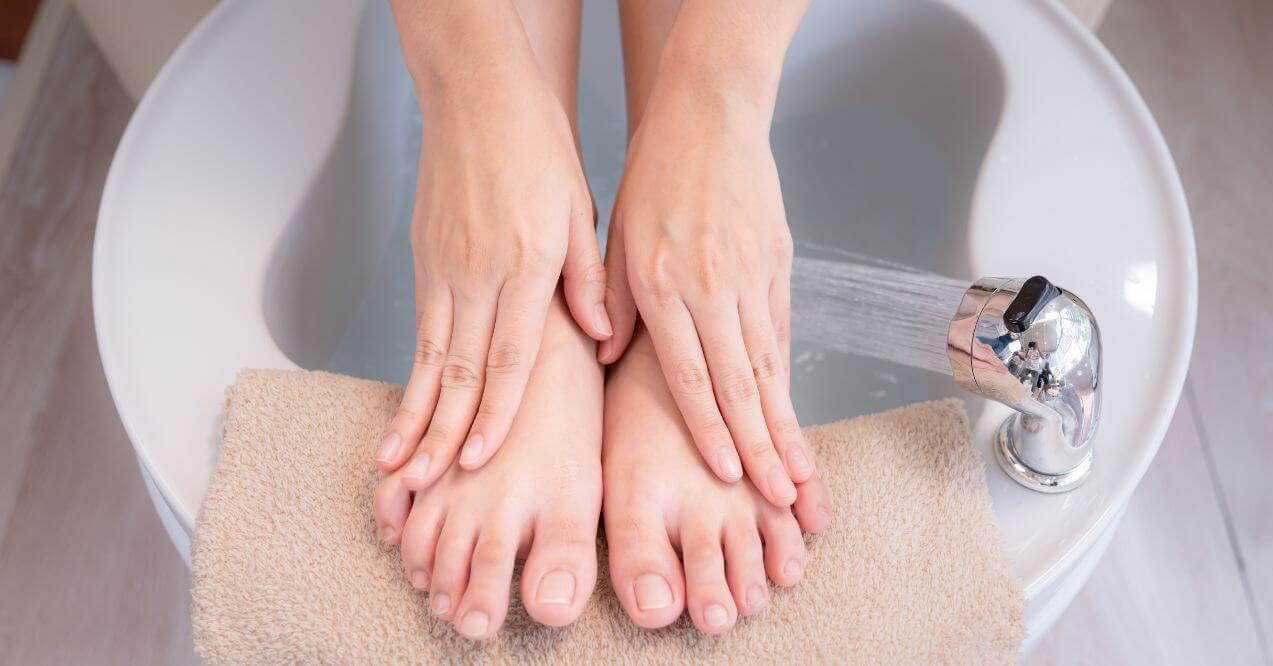
Home remedies can support nail health and may help reduce the appearance of green nails. Consider the following steps:
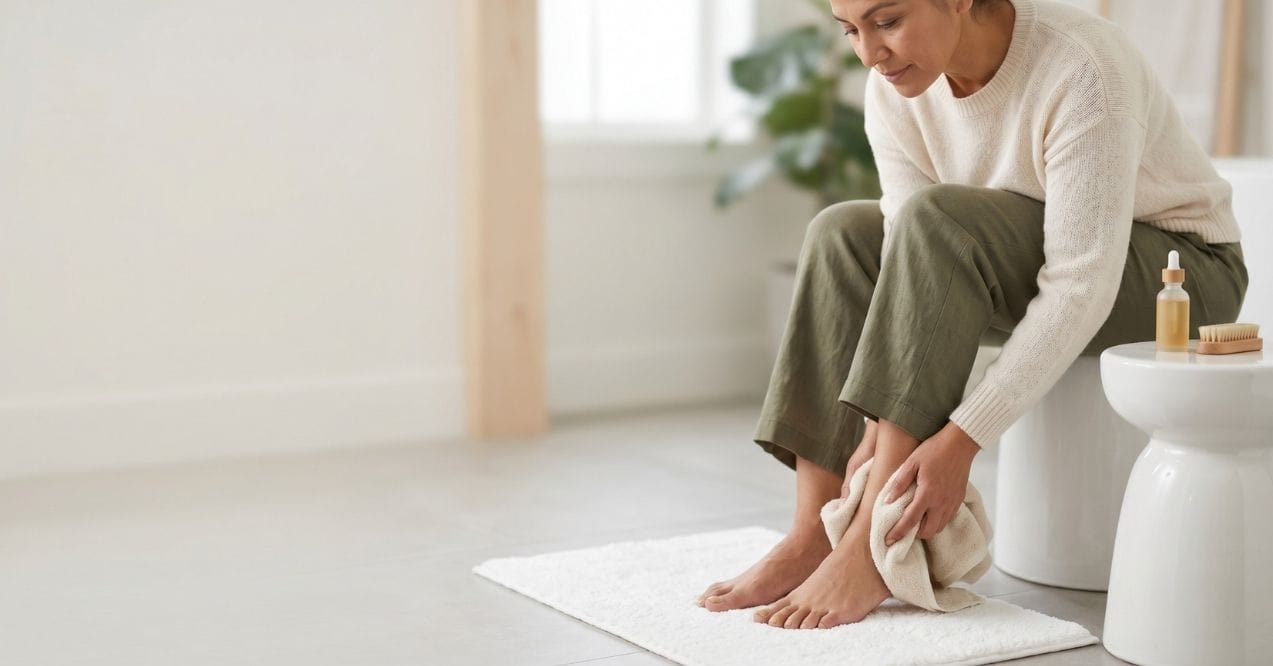
- Maintain Dry and Clean Nails – Keep nails dry to prevent moisture buildup, which can encourage bacterial growth.
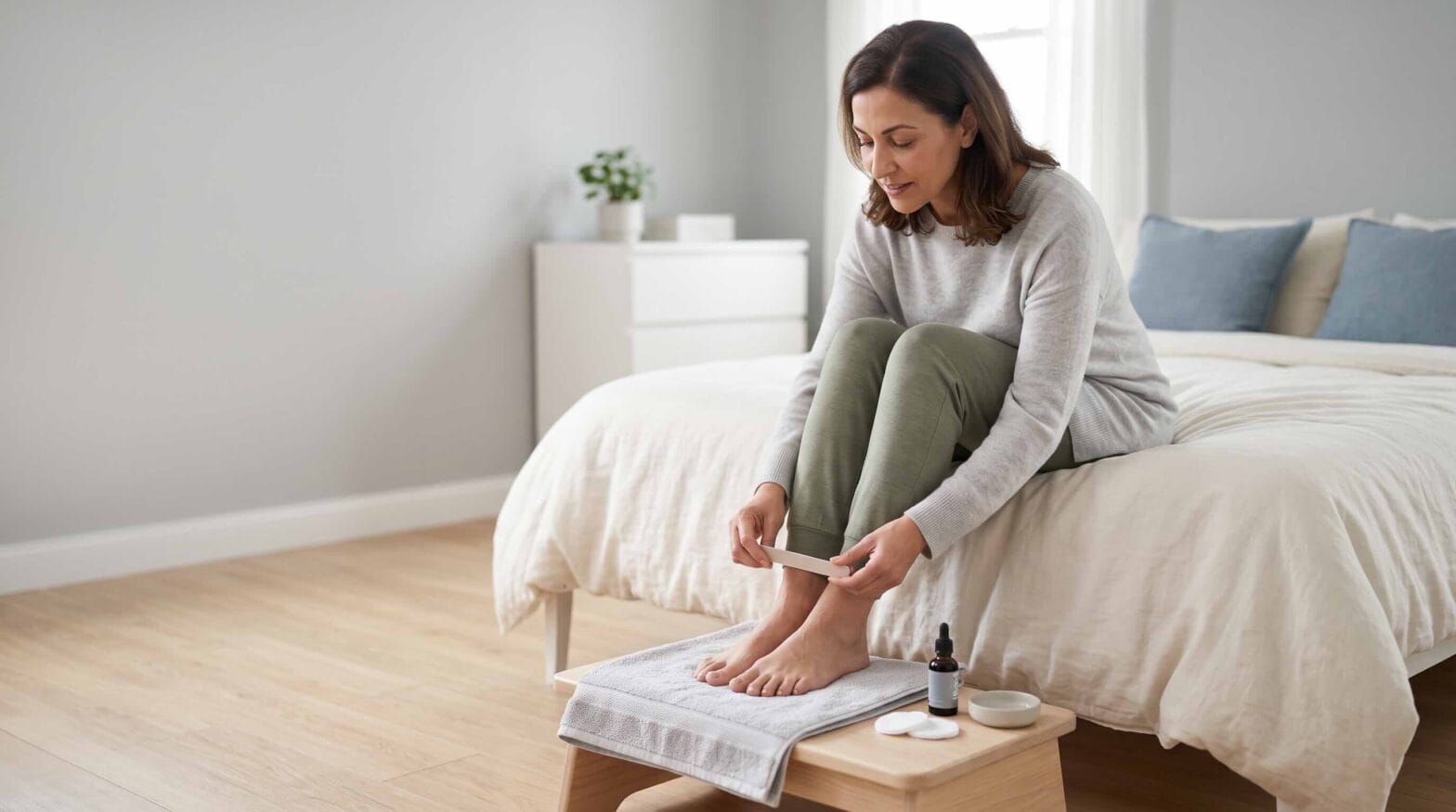
- Antimicrobial Soaks – Soak the affected nails in warm water mixed with a mild antiseptic to help reduce bacterial presence.
- Proper Nail Hygiene – Regularly trim and file nails to prevent debris accumulation under the nail bed.
- Avoid Artificial Nails and Polishes – Allow nails to breathe by avoiding products that can trap moisture.
Over-the-Counter Treatments
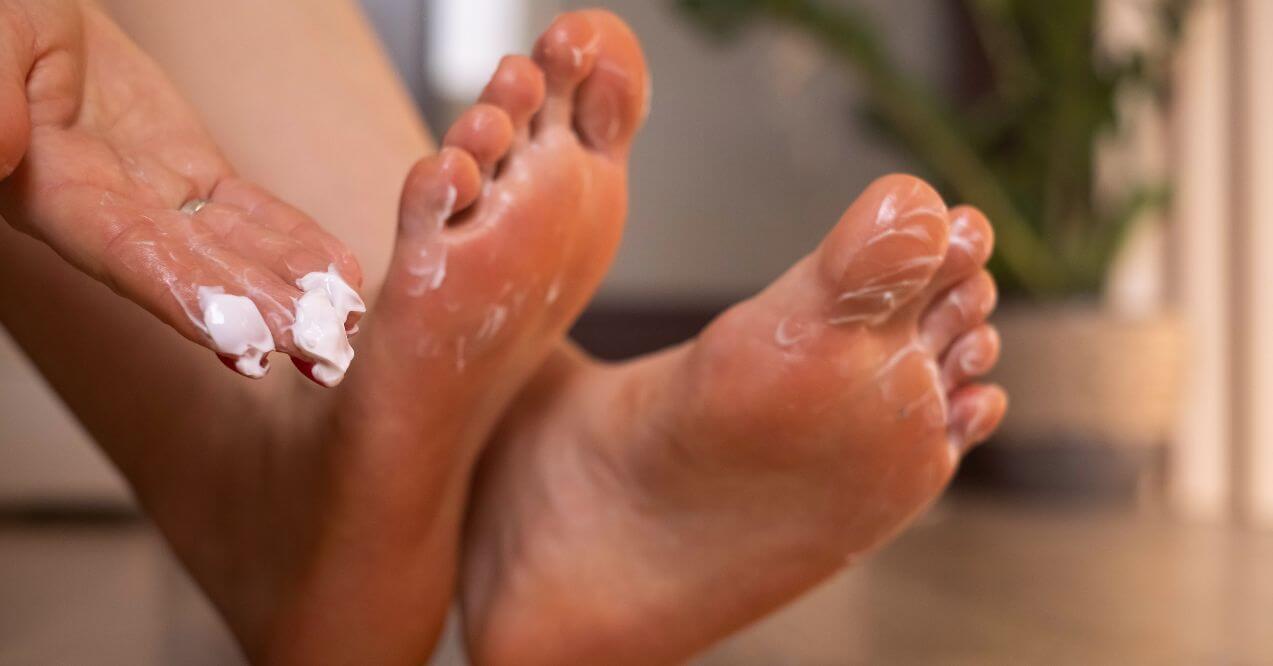
If you wonder how to get rid of toenail fungus, over-the-counter options can be a great choice. These include:
- Topical Antifungal Products – Apply antifungal creams or ointments as directed to the affected area.
- Antimicrobial Nail Solutions – Use solutions specifically designed to reduce bacterial and fungal presence on nails.
- Moisture-Absorbing Products – Utilize powders or sprays to keep feet and hands dry, reducing the risk of bacterial growth.
Professional Help
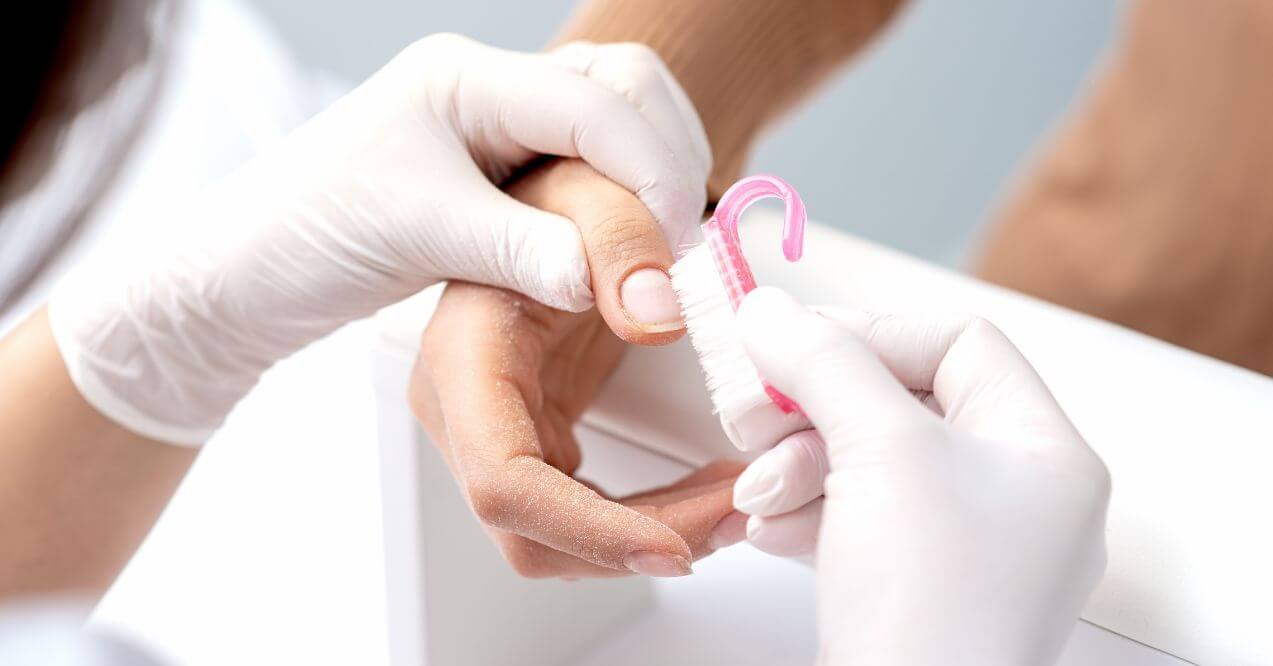
Seeking professional assistance may be necessary if home and over-the-counter methods are insufficient. Professional treatments may involve:
- Medical Evaluation – A healthcare provider can assess the severity of the infection and recommend appropriate treatments.
- Prescription Medications – Stronger topical or oral medications may be prescribed to address the underlying issue.
- Nail Debridement – Professional cleaning and trimming can remove infected portions of the nail.
- Advanced Therapies – Options like laser treatment may be available to target fungal infections more effectively. When weighing the pros and cons of laser treatment for toenail fungus, it offers precise targeting without harming surrounding tissue but may require multiple sessions and be costly.
Why You Should Pair Green Nail Treatments With Internal Supplements?
While green nail syndrome is primarily a bacterial issue caused by Pseudomonas aeruginosa, it almost always occurs because an underlying fungal infection or nail trauma has already compromised the nail bed. To truly clear a stubborn infection and prevent it from recurring, you must support your body’s immune system from the inside out while applying your topical treatments.
At PureHealth Research, our collection of toenail fungus supplements is scientifically formulated to bridge the gap between external nail care and internal immune resilience.
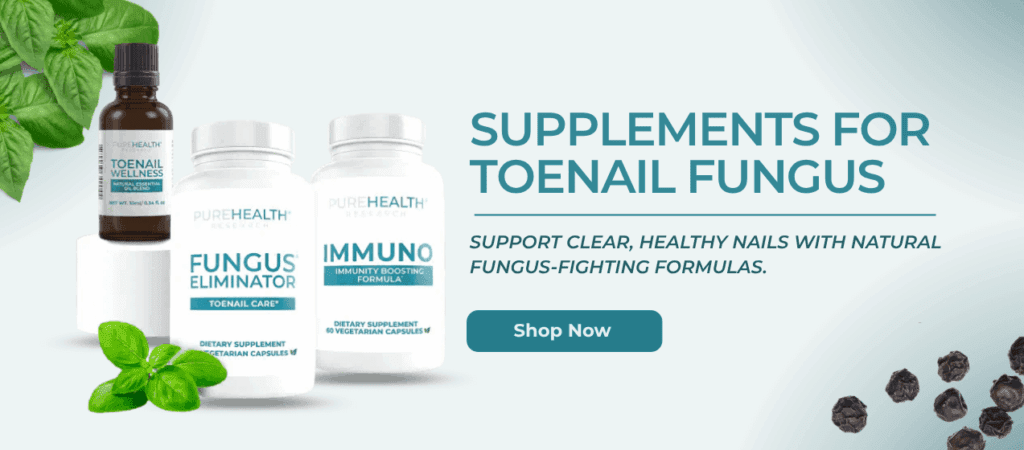
Why Support Your Recovery With Our Formulas?
- Internal Defense: We utilize therapeutic doses of evidence-based botanicals—like Oregano, Caprylic Acid, and Turmeric (enhanced with BioPerine®)—to strengthen your immune cells and attack lingering pathogens systemically.
- The Perfect Complement: When you attack the nail infection externally with antimicrobial soaks and internally with targeted nutrients, you create a hostile environment where bacteria and fungi can no longer thrive, promoting clear regrowth.
- Pure & Clean: Manufactured to be strictly gluten-free, dairy-free, soy-free, and non-GMO, ensuring you receive premium, easily absorbable ingredients without synthetic fillers.
Ready to attack your nail issues from every angle? Explore the full Toenail Fungus Supplements collection today.
How To Prevent Green Nails?
Preventing green nails involves adopting habits that support nail health and reduce the risk of infection. Keeping nails clean and dry is crucial, as moisture fosters the growth of bacteria and fungi. Regularly trimming and filing nails minimizes debris buildup, and gentle cleaning under the nails removes dirt and microorganisms. Limiting prolonged exposure to water by using protective gloves during activities like dishwashing can be beneficial.
Wearing breathable footwear and moisture-wicking socks reduces moisture accumulation, decreasing the likelihood of bacterial growth. Avoiding artificial nails and excessive nail polish prevents the trapping of moisture, which can lead to conditions requiring green nail syndrome treatment. Sanitizing nail tools before use prevents the transfer of bacteria and fungi, and protecting nails from trauma reduces entry points for infections..
Conclusion
So, how can you manage green nail fungus? Maintaining healthy nails requires a combination of proper hygiene, timely treatments, and preventive measures. By keeping nails clean and dry, using appropriate home or over-the-counter remedies, and seeking professional advice when necessary, you can support your nail health and reduce the risk of infections.
Prevention is equally important; adopting habits that minimize moisture and trauma to the nails can help maintain their integrity.
A green spot on your nail often indicates the presence of bacteria like Pseudomonas aeruginosa thriving in moist environments beneath the nail. It can also result from fungal activity affecting the nail bed and altering its appearance.
Green nails may not return to normal without proper care. Supporting nail health through good hygiene and appropriate measures can promote improvement. It’s advisable to take action rather than waiting for the condition to change on its own.
Painting over a green nail is not recommended, as it can trap moisture and potentially worsen the condition. It’s better to address the underlying issue to support nail health before applying any nail polish.

Advertisement. This site offers health, wellness, fitness and nutritional information and is designed for educational purposes only. You should not rely on this information as a substitute for, nor does it replace, professional medical advice, diagnosis, or treatment. If you have any concerns or questions about your health, you should always consult with a physician or other health-care professional. Do not disregard, avoid or delay obtaining medical or health related advice from your health-care professional because of something you may have read on this site. The use of any information provided on this site is solely at your own risk.
Related Articles
Why Toenail Fungus Keeps Coming Back, and How to Break the Cycle
Written by Laura Kraujalyte | July 29, 2026

Toenail Fungus by the Numbers: What the Research Actually Shows
Written by Laura Kraujalyte | July 29, 2026
What Causes Toenail Fungus? Full Guide
Written by Gabriele Slimaite | April 30, 2026
Nail Mold vs Fungus: Differences and Treatment
Written by Gabriele Slimaite | April 30, 2026
How to Get Rid of Toenail Fungus: The Complete Guide to Fast Relief
Written by Gabriele Slimaite | April 23, 2026
Bleach for Toenail Fungus: Why It’s Dangerous
Written by Gabriele Slimaite | April 22, 2026