How to Make Your Liver Healthy Again: The Complete 7-Step Guide
Wondering how to make your liver healthy again? Because the liver is the only visceral organ capable of regenerating itself, you can significantly improve your liver health by removing toxic stressors (like alcohol and processed foods), eating an antioxidant-rich diet, staying hyper-hydrated, and utilizing targeted botanicals like Milk Thistle.



 On This Page:
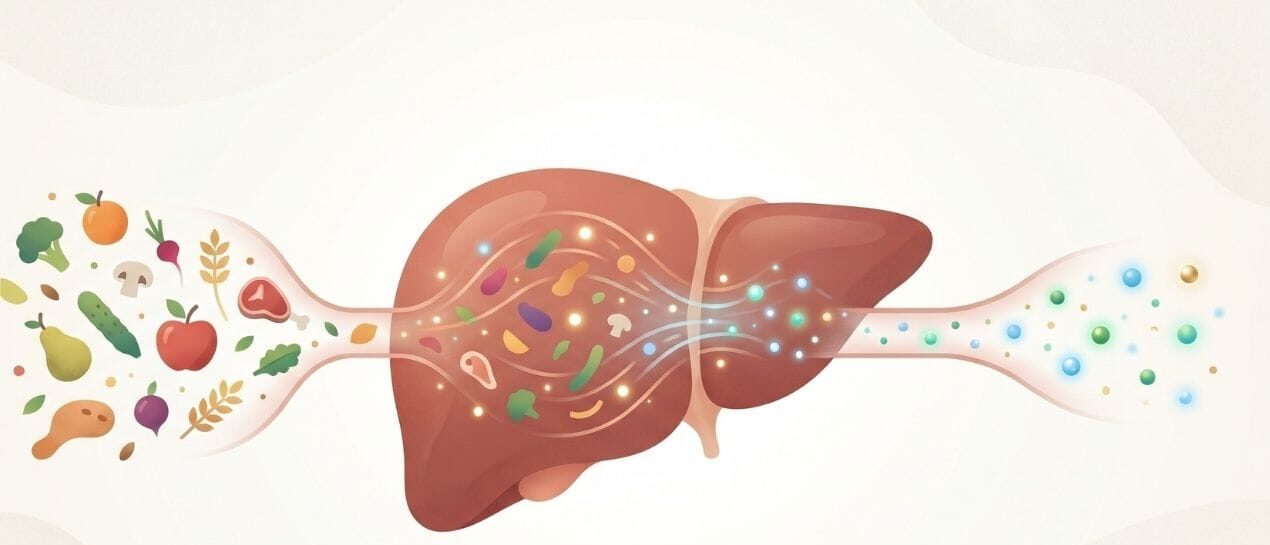
Your liver filters what reaches your bloodstream, stores nutrients, produces bile, and helps keep blood sugar steady. It is also the one internal organ that can regrow functional tissue after injury, which is why questions about liver recovery have real answers rather than vague reassurance.
That capacity is not unlimited. Recovery depends on what caused the strain, how long it lasted, and whether scar tissue has started to form. Those factors also shape how quickly you might see change.
This guide covers seven practical steps, from spotting early signs of strain to adjusting daily habits. It also sets out what research suggests about realistic timelines, so you can judge progress against evidence rather than guesswork.
How to Make Your Liver Healthy
To make your liver healthy again, remove the ongoing sources of strain, then give the organ the nutrients, movement, and rest it needs to rebuild. In practice that means cutting excess alcohol and added sugar, reviewing medications and supplements that carry liver risk, eating a diet built around vegetables and lean protein, staying well hydrated, moving most days, and working toward a healthy body weight.
The order matters. Removing the cause of injury does more than adding anything new, because the liver’s repair processes work best once the source of damage stops.
How far that repair goes depends on the stage. Fat buildup without scarring responds well. Established scarring responds more slowly and, past a certain point, may not fully resolve.
How Long Does It Take for the Liver to Recover?
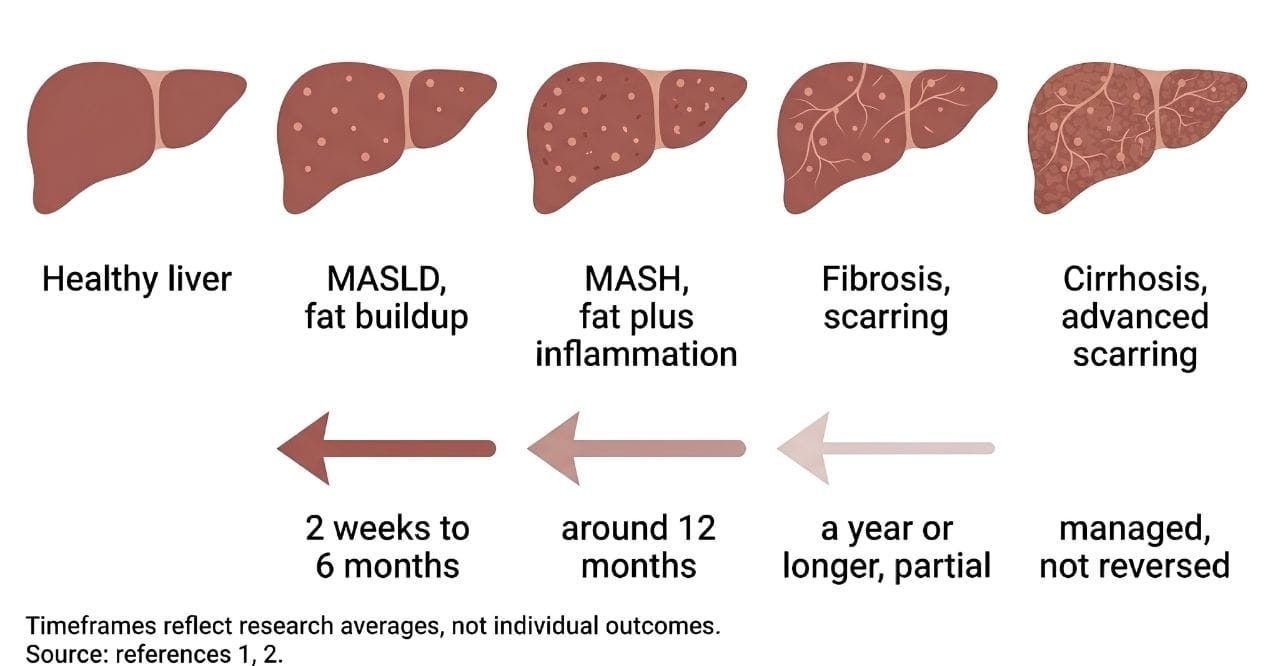
Liver recovery is measured in weeks for fat buildup and in months to years for inflammation and scarring. The single largest factor is whether fibrosis, meaning scar tissue, has already developed.
The table below summarizes what research suggests at each stage. These are patterns observed across groups of people, not schedules that apply to any one person.
| Stage | What the research indicates | Rough timeframe |
| Alcohol-related fat buildup, no scarring | In heavy drinkers who stop completely, biopsy findings and blood enzyme levels have been reported to return toward normal | About 2 to 4 weeks of full abstinence |
| MASLD with fat only | Losing roughly 5% of body weight is associated with reduced liver fat; some studies report measurable change sooner | 3 to 12 months of sustained change |
| MASH, meaning fat plus inflammation | In a 52-week lifestyle study, most participants who lost 10% or more of their body weight had resolution of steatohepatitis | Around 12 months |
| Early fibrosis | In the same study, fibrosis regression was seen in a substantial share of those with 10% or greater weight loss, though less consistently than fat and inflammation improved | A year or longer |
| Cirrhosis | Advanced scarring is generally not considered reversible; medical care focuses on slowing progression and managing complications | Ongoing, under medical supervision |
The 52-week research above was a prospective study of 293 people with biopsy-confirmed steatohepatitis at a single center. Participants followed a structured lifestyle program, and only about 30% reached 5% weight loss, which shows how demanding sustained change can be. The findings support a dose-response pattern between weight loss and liver improvement rather than guaranteeing an outcome for any individual.
Alcohol-related findings come from studies in people who stopped drinking entirely. Cutting back rather than stopping produces smaller and less predictable change.
Why Terminology Changed From NAFLD to MASLD
You may see two names for the same condition. In 2023, a consensus process involving hundreds of specialists across dozens of countries replaced nonalcoholic fatty liver disease (NAFLD) with metabolic dysfunction-associated steatotic liver disease (MASLD).
The change was made because the older term defined the condition by what it was not, and because panelists considered the wording stigmatizing. Nonalcoholic steatohepatitis (NASH) became metabolic dysfunction-associated steatohepatitis (MASH) at the same time.
Older studies and lab reports still use the previous names. For practical purposes, MASLD and NAFLD describe the same underlying problem of excess fat in the liver linked to metabolic factors.
How the Liver Keeps You Healthy
The liver handles filtering, digestion, storage, and metabolic regulation at the same time, which is why strain on it shows up in so many other systems.
Here are main functions of the liver:
- It processes and neutralizes toxins from food, drinks, and the environment.
- It produces bile, which helps you digest and absorb fats.
- It stores important vitamins and minerals, releasing them when your body needs them.
- It helps regulate your energy levels and blood sugar (metabolism).
When liver function declines, it can affect immune response, hormonal balance, digestion, heart health, and mental clarity. Supporting your liver means supporting several systems at once.
Step 1. Recognize Signs of Liver Strain
Recognizing the warning signs of liver damage can be difficult, because symptoms often appear only after the condition has progressed.
How can you tell if you have liver problems? Here we separate sluggish liver symptoms into early and advanced.
Early symptoms
In the initial stages, liver strain from fat buildup or early scarring may cause no noticeable symptoms at all. When symptoms do appear, they are easily mistaken for other health issues.
- Feeling constantly tired, even after a full night’s sleep.
- Bloating or an uncomfortable feeling after meals.
- Sudden, unexplained weight gain or loss.
- Chronic itching, especially on your hands and feet.
- Dark urine or light-colored stool.
Advanced symptoms
As damage progresses, more distinct symptoms may emerge. These often indicate significant scarring (cirrhosis) or failing liver function, and they warrant prompt medical attention.
- Jaundice (yellowing of the skin and eyes).
- Easy bruising or bleeding.
- Severe abdominal swelling (ascites).
- Swelling in the ankles and legs (edema).
- Mental confusion or “brain fog”.
- Vomiting blood.
- Presence of spider-like blood vessels on the skin.
Because early-stage changes are easier to influence than late-stage scarring, detection timing affects what recovery is realistically possible. Blood work is the usual first step, and what your liver blood tests actually mean can help you read results with more context. Do not self-diagnose, and seek medical advice for a proper evaluation.
Step 2. Remove Liver Stressors
Removing what strains the liver does more for recovery than anything you add. Diet, environmental exposures, medications, and certain supplements all contribute. If you are looking into how to lower liver enzymes, this is where to start.
2.1. Harmful Foods and Drinks
Knowing what foods can damage your liver makes the rest of your diet easier to plan. Here are common foods and beverages that can negatively affect liver health:
| Category | Foods / drinks | Impact on the liver |
| High-sugar foods and drinks | Soda, candy, pastries, sweetened cereals, fruit juice | High intake of added and free sugars, particularly fructose, is associated with fat accumulation in the liver |
| Processed foods | Fast food, packaged snacks, frozen meals | Foods high in refined fats, salt, and additives are linked to increased inflammation |
| Excessive alcohol | Beer, wine, liquor, cocktails | Regular heavy drinking can cause liver inflammation and scarring, and makes toxin processing less efficient |
Fruit juice belongs in the first row rather than in a list of liver-friendly drinks. Once fruit is juiced, the fiber is gone and the sugars are absorbed quickly, which is the pattern associated with liver fat. Whole fruit and vegetables give you the same nutrients with the fiber intact.
2.2. Toxins
Your liver filters toxins, but heavy exposure adds to its workload. Common sources include:
- Household chemicals such as cleaning products, air fresheners, and pesticides contain harmful chemicals that can enter the body through inhalation or skin contact.
- Pollutants from air pollution and environmental sources are present in many urban areas and may affect the liver’s detoxifying capabilities.
- Job-related hazards can expose workers to solvents, heavy metals, and pesticides that stress the liver.
Much of this research is observational or based on animal models, so it points to plausible risk rather than a measured effect for any one household. Reasonable ventilation and reduced unnecessary exposure are sensible without being alarming.
2.3. Medications and Acetaminophen
Some medicines place a real load on the liver, and acetaminophen is the one most people underestimate. Taking high doses of medications, especially over long periods, can lead to liver damage over time.
Acetaminophen is safe for most adults at labeled doses, and it is also the most common cause of acute liver failure in the United States. About half of those cases are unintentional, often because someone took several products that each contained the same active ingredient.
The practical risk is stacking. Acetaminophen appears in hundreds of over-the-counter and prescription products, including combination cold, flu, sleep, and pain formulas, so the total can climb without anyone noticing.
Three habits reduce that risk:
- Read the active ingredients panel on every product, not just the front label. Acetaminophen may also be listed as APAP or paracetamol.
- Add up your daily total across all products before taking another dose.
- Ask your doctor or pharmacist about your personal limit, particularly if you drink alcohol, are underweight, or have existing liver concerns, since standard maximums may not apply to you.
Never stop or change a prescribed medication on your own. If you are concerned about a drug’s effect on your liver, raise it with the prescriber first.
2.4. Supplements That Can Strain the Liver
Herbal products are not automatically gentle on the liver, and a few carry documented risk. In the Drug-Induced Liver Injury Network registry, the share of cases attributed to herbal and dietary supplements rose from about 7% in 2004 and 2005 to roughly 20% by 2013.
Agents most often identified in that literature include anabolic steroids, green tea extract, garcinia cambogia, kratom, ashwagandha, turmeric, and multi-ingredient products with long proprietary blends. Most reported cases involve concentrated extracts rather than culinary amounts, and injury typically improved after the product was stopped.
These are case reports and registry data, not evidence that any given supplement will harm a given person. Susceptibility appears to vary by individual, and specific genetic markers have been linked to some green tea extract cases. Still, the pattern is a good argument for treating supplements as active compounds rather than as harmless additions.
Before buying, look for disclosed amounts for every active ingredient rather than a proprietary blend that hides doses, and for third-party testing of identity and purity, since mislabeling is common in this category. Check that doses match published research instead of simply the highest number on the shelf, and note extract ratios, which can deliver far more active compound than a food or tea would.
Dr. Blane Schilling, MD advises looking for supplements that are third-party tested, clearly disclose ingredient amounts, and use doses that are consistent with the available research. Evidence for botanical supplements can vary, so formulation quality and label transparency are important considerations.
Tell your healthcare provider about every supplement you take, especially before surgery or when starting a new prescription. If you have abnormal liver test results, listing your supplements helps narrow the cause.
Step 3. Adopt Liver-Friendly Habits
Daily habits are what give the liver room to rebuild. A few consistent choices do more than any single intervention. Here is what to focus on.
3.1. Eat the Rainbow
A diet built on whole, nutrient-dense foods supplies the raw materials the liver uses for repair and for its detox pathways. Including a variety of colorful whole foods gives you vitamins, minerals, and antioxidants that support normal liver function.
If you are wondering what foods support liver health, the list below also fits within a 7-day liver cleanse diet:
| Food category | Food examples | Why it belongs in a liver-friendly diet |
| Leafy greens | Kale, spinach, collard greens, arugula | Supply chlorophyll, folate, and fiber, and form the base of most liver-friendly eating patterns |
| Cruciferous vegetables | Broccoli, cauliflower, brussels sprouts | Contain sulforaphane and fiber, compounds studied for their role in the liver’s detox pathways |
| Citrus fruits | Lemons, grapefruits | Provide vitamin C and antioxidants that contribute to normal enzyme activity |
| Berries | Blueberries, strawberries, raspberries | Rich in polyphenol antioxidants that help counter oxidative stress |
| Garlic and onions | Garlic, onions, leeks | Provide sulfur compounds involved in liver enzyme activity |
| Healthy fats | Avocados, olive oil, nuts | Unsaturated fats associated with lower inflammation in dietary studies |
| Lean proteins | Fish, tofu, beans | Amino acids are required for tissue repair and for producing enzymes |
| Herbs and spices | Turmeric, ginger, cinnamon | Studied for anti-inflammatory properties, most often in concentrated forms |
Aim for a range of colors on your plate each day. Wider variety means a wider range of nutrients, and it is easier to sustain than any restrictive plan.
3.2. Hydrate Your Body
Adequate hydration supports normal kidney and circulatory function, which in turn supports how efficiently waste products are cleared. Water should be the foundation, with other drinks playing a smaller role.
Here are the best drinks to detox your liver, alongside honest notes on how much each contributes:
| Drink type | Role | How much |
| Water | Supports normal fluid balance and waste clearance | Aim for 8 to 10 glasses daily, more in heat or with exercise |
| Lemon water | A low-sugar way to make water more appealing; claims about bile stimulation are not well established | 1 glass when you like it |
| Herbal teas (dandelion root, milk thistle, green tea) | Provide antioxidant compounds in mild, food-level amounts | 1 to 2 cups daily |
| Vegetable-forward juices (beet, carrot) | Provide vitamins and minerals, but concentrate sugars and remove fiber | Occasional, and small; whole vegetables are the better default |
Note the difference between brewed green tea and concentrated green tea extract supplements. The beverage has a long history of ordinary use, while high-dose extracts are among the products most often linked to supplement-related liver injury.
3.3. Get Active
Regular physical activity is one of the best ways to improve liver function, and it is among the better-supported habits in this article. Reviews of exercise trials report the following:
- Exercise is associated with reduced liver fat, including in participants who lost little or no weight.
- Movement improves blood flow and circulation, delivering oxygen and nutrients more efficiently.
- Exercise supports metabolic regulation by improving how the body processes sugars and fats, which is closely tied to liver fat accumulation.
- Regular activity is linked to greater insulin sensitivity, a factor researchers associate with lower risk of MASLD.
Most of this evidence comes from trials lasting weeks to months, using measures such as imaging and blood markers. The direction of effect is consistent, though individual results vary with starting fitness and adherence.
A tip. You do not need a gym. A 30-minute brisk walk five days a week is a realistic starting point and matches the activity levels used in many of these studies.
3.4. Manage Stress
Can stress cause liver problems, such as elevated enzymes? Research points to a plausible link rather than a settled one. Chronic stress raises cortisol, and elevated cortisol has been associated with inflammation and with fat accumulation in the liver.
Much of this work is observational, so stress is best treated as one contributing factor among several. Stress also influences sleep, alcohol use, and eating patterns, which affect the liver in their own right.
Practices worth adding:
- Deep breathing. A few minutes of focused breathing can lower measured stress responses.
- Mindful movement such as yoga or tai chi, which combines activity with recovery.
- Time outdoors, which studies associate with lower perceived stress.
3.5. How Can Supplements Fit Into Liver Support?
Supplements work best as an addition to diet, movement, and sleep rather than as a substitute for them. Below are ingredients commonly used in liver-support formulas, described according to what the research has examined.
| Supplement ingredient | What research has looked at | Notes on the evidence |
| Milk Thistle | Silymarin, its main compound, studied for antioxidant activity in liver cells | The most studied botanical in this category, though human trial results have been mixed and doses vary widely |
| Turmeric | Curcumin and its role in inflammatory pathways | Absorption is poor unless paired with black pepper or fat; concentrated extracts also appear in liver injury case reports |
| Dandelion Root | Traditional use for bile flow and mild diuretic effects | Human evidence is limited; most findings come from laboratory or animal work |
| Artichoke Extract | Cynarin and bile-related digestive effects | Small human studies exist, mainly on digestive comfort and blood lipids |
| Alpha-Lipoic Acid | Antioxidant activity and interaction with other antioxidants | Studied more for metabolic markers than for liver outcomes specifically |
These ingredients are generally studied for antioxidant and anti-inflammatory activity rather than for treating any condition. Among them, milk thistle and turmeric are the most widely used, while others such as camu camu fruit are studied mainly for their vitamin C and polyphenol content.
One caution applies across the table. Most of these findings come from isolated compounds at specific doses, so results do not automatically transfer to any finished product containing the same ingredient.
At PureHealth Research, our Liver Health Supplements collection brings these well-studied botanicals together in daily formats designed for people who would rather take one considered formula than assemble five separate bottles.
Why Choose Our Liver Support Formulas?
- Studied botanicals, combined: Milk Thistle (silymarin), Turmeric, and Dandelion Root are formulated together to support the liver’s normal filtering and antioxidant defenses, rather than sold as single-ingredient capsules you would need to stack yourself.
- Transparent labels: Ingredient amounts are disclosed, so you can compare our doses against the research discussed above instead of guessing what sits inside a proprietary blend.
- Clean formulation: Made gluten-free, dairy-free, soy-free, and non-GMO, which matters if you are already working to reduce what your body has to process.
- Built for daily routine: Simple once-daily formats that fit alongside meals, because consistency over months is what the lifestyle research above actually rewards.
If you are already adjusting your diet, moving more, and watching your alcohol intake, a liver-support formula is a reasonable next addition rather than a starting point. Explore the full Liver Health collection today.
As Dr. Blane Schilling, MD notes, supplements should be considered on a foundation of good nutrition, exercise, and adequate sleep. Focusing on those habits is likely to have a greater impact on overall liver health than relying on supplementation alone.
Step 4. Additional Habits
Several smaller practices support liver health alongside diet and exercise. None of them replaces the fundamentals, but together they add up.
4.1. Sleep 7 to 9 Hours
Sleep matters for the liver. Cohort research links short or poor-quality sleep with higher rates of steatotic liver disease, and poor sleep also disrupts metabolism and raises inflammatory markers.
These are observational findings, so sleep is one contributor among several rather than a proven cause. Aim for 7 to 9 hours of quality sleep on a consistent schedule.
4.2. Consider Sauna
Does using a sauna help detox your liver? Not in the way the phrase suggests. Sauna use has been studied as part of clinical elimination protocols, but sweat is a minor route of excretion, and the liver and kidneys handle the substantial work.
The clearer benefits are cardiovascular. Heat exposure raises heart rate and circulation in ways comparable to light exercise, and regular sauna use has been associated with better cardiovascular measures.
Treat it as a pleasant recovery habit rather than a detox method. Hydrate well, and check with your doctor first if you have heart or blood pressure concerns.
4.3. Drinking Coffee
Moderate coffee intake is among the more consistent findings in liver research. Observational studies link regular consumption with better liver enzyme levels and lower rates of liver scarring.
Research suggests 1 to 2 cups per day is a reasonable range for most adults. Because these are association studies, coffee is best viewed as a supportive habit rather than a treatment, and added sugar and syrups work against the benefit.
4.4. Healthy Body Weight
Body weight has more influence on liver fat than almost any other factor covered here. Excess fat around the abdomen is associated with inflammation and fat accumulation in liver tissue.
The thresholds from the timeline research are worth keeping in view. Around 5% weight loss is associated with reduced liver fat, while roughly 10% is where studies report the strongest improvements in inflammation and scarring.
Gradual loss of one to two pounds per week is both realistic and sustainable. Rapid weight loss can place its own strain on the liver.
4.5. Keeping Your Hands Clean
Good hygiene is a simple habit with a real rationale. Pathogens and contaminants from food or water add to what the liver has to filter, and some infections affect the liver directly.
Washing your hands thoroughly before eating or preparing food reduces that exposure at almost no cost.
Step 5. Monitor Your Progress
Blood work is the most reliable way to track liver progress. Liver enzymes such as ALT and AST, measured at intervals your doctor recommends, show change that no symptom checklist can confirm.
Some people notice general improvements as habits change, and recognizing the signs of liver detox working can help with motivation. These changes are worth noticing, though they reflect overall wellbeing rather than liver function specifically.
Commonly reported alongside signs your liver is healing:
- Steadier energy
- Improved digestion
- Better sleep
- More stable mood
- Stable weight
Because these overlap with general benefits of better diet and sleep, use them as encouragement and rely on lab results for confirmation. For a broader view of what the measurements mean, see liver health by the numbers.
Step 6. Talk to a Doctor
Lifestyle change can meaningfully improve liver health, and professional evaluation tells you which stage you are actually working with. That matters, because the realistic timeline for fat buildup differs from the timeline for established scarring.
Consider consulting a healthcare provider if any of the following apply:
- Heavy alcohol use
- Family history of liver disease
- Hepatitis exposure
- Abnormal liver test results
- Chronic conditions such as type 2 diabetes or metabolic syndrome
- Long-term use of medications or supplements that carry liver risk
Because early-stage liver dysfunction often produces no symptoms, periodic check-ups and blood tests are the practical way to catch changes while they are most responsive.
Step 7. Get Vaccinated
Vaccination protects against two viral infections that can seriously damage liver tissue. Vaccines are available for hepatitis A and hepatitis B.
If you have risk factors for exposure, ask your healthcare provider whether vaccination is appropriate for you. It is one of the few liver-protective steps with a clear, one-time action.
Conclusion
Liver recovery follows a pattern rather than a promise: fat buildup responds within weeks to months once the cause is removed, inflammation needs closer to a year, and advanced scarring calls for medical management. The steps that matter most are the least complicated ones, from less alcohol and added sugar to more vegetables, regular movement, and awareness of what you take. Start with the one you can sustain, and let your lab results confirm it.
Removing what strains your liver does more than anything you add. Cut excess alcohol and added sugar, check medications and supplements for liver risk, eat a diet built on vegetables and lean protein, move most days, and work toward a healthy weight. How much improves depends on whether scarring has already formed.
Liver recovery takes weeks for fat buildup but months to years for inflammation and scarring. Alcohol-related fat can improve within 2 to 4 weeks of full abstinence, while metabolic fat buildup usually needs 3 to 12 months. Inflammation and early scarring take a year or more, and cirrhosis is managed rather than reversed.
Early signs include persistent fatigue, bloating, unexplained weight change, itching, and darker urine or pale stool. Advanced signs such as jaundice, abdominal swelling, easy bruising, or confusion need prompt medical attention. Early-stage changes often cause no symptoms at all, so blood tests are the only reliable way to confirm liver strain.
A balanced diet rich in antioxidants, regular movement, steady hydration, 7 to 9 hours of sleep, and stress management support normal liver function. Leafy greens, cruciferous vegetables, citrus, berries, and lean protein supply nutrients involved in the liver’s detox pathways. Moderate coffee intake is also linked to better enzyme levels.
They are the same condition. In 2023, international liver societies replaced nonalcoholic fatty liver disease (NAFLD) with metabolic dysfunction-associated steatotic liver disease (MASLD), and NASH became MASH, wording that describes the metabolic cause more accurately. Older lab reports using NAFLD remain valid.
No supplement replaces removing the cause of liver strain. Ingredients such as milk thistle, turmeric, and camu camu are studied for antioxidant activity and may fit within a balanced routine, though evidence quality varies. Some concentrated herbal extracts are themselves linked to liver injury, so choose disclosed doses and tell your provider what you take.


Dr. Blane Schilling, MD is a medical doctor with extensive experience in clinical consultation, care quality, pharmaceutical utilization, and physician integration. He is passionate about improving patient care and helping healthcare organizations solve complex challenges through strategic, client-focused leadership.

Advertisement. This site offers health, wellness, fitness and nutritional information and is designed for educational purposes only. You should not rely on this information as a substitute for, nor does it replace, professional medical advice, diagnosis, or treatment. If you have any concerns or questions about your health, you should always consult with a physician or other health-care professional. Do not disregard, avoid or delay obtaining medical or health related advice from your health-care professional because of something you may have read on this site. The use of any information provided on this site is solely at your own risk.
Related Articles
7 Signs of Liver Detox Working
Written by Karolina Rutkute | September 23, 2026

Why Does My Liver Hurt When I Run?
Written by Karolina Rutkute | September 2, 2026
What Your Liver Blood Tests Actually Mean (Beyond “Normal”)
Written by Laura Kraujalyte | July 29, 2026

Liver Health by the Numbers: What the Research Actually Shows
Written by Laura Kraujalyte | July 29, 2026
Can Stress Cause Elevated Liver Enzymes?
Written by Karolina Rutkute | May 7, 2026

What is the Function of the Liver? 5 Essential Roles Explained
Written by Karolina Rutkute | May 2, 2026