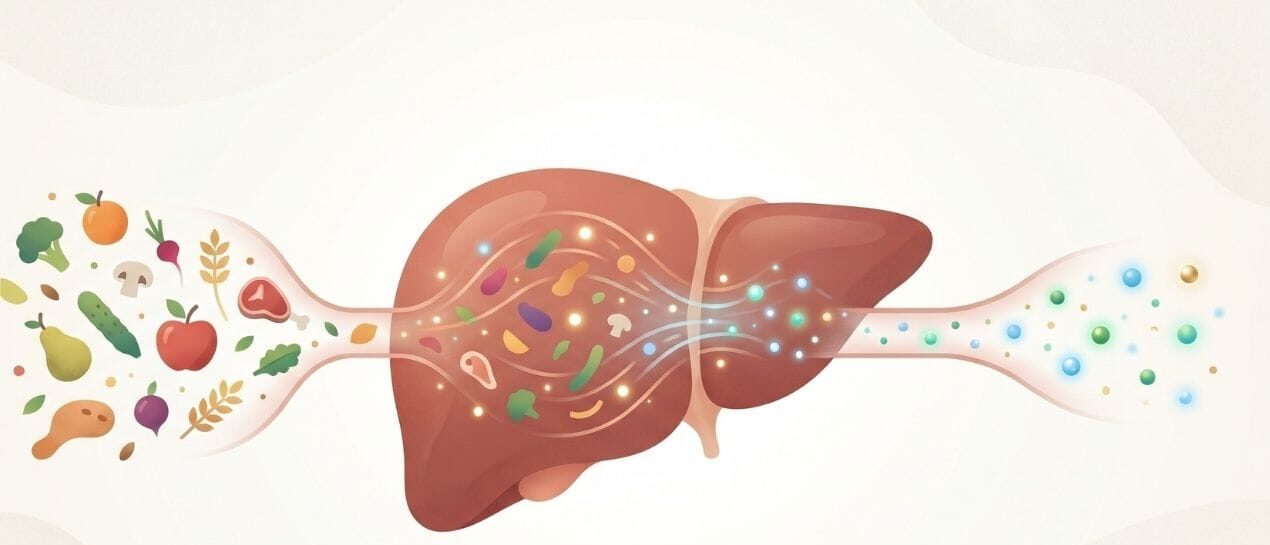
Can Stress Cause Elevated Liver Enzymes?
While stress doesn't directly raise liver enzymes, it triggers cortisol and systemic inflammation that can severely strain your liver. Learn how chronic stress indirectly elevates ALT and AST levels, and discover actionable ways to protect your liver health.



 On This Page:
While stress does not directly raise liver enzyme levels, chronic stress triggers the release of cortisol, which can lead to systemic inflammation and liver strain. Indirectly, stress also drives unhealthy coping mechanisms — such as poor diet, lack of sleep, and increased alcohol consumption — which are primary causes of elevated liver enzymes (like ALT and AST).
Read on to discover how to identify the symptoms of elevated enzymes and natural ways to support healthy liver function.
What Are Liver Enzymes?
Your liver makes several important enzymes. The main ones are AST, ALT, ALP, and GGT. These long names stand for aspartate transaminase, alanine transaminase, alkaline phosphatase, and gamma glutamyl transpeptidase.
If these enzymes are higher than normal, it might mean your liver isn’t working well. This could happen because of an injury, blocked bile ducts, or inflammation in your liver.
ALT and AST help turn amino acids into energy for your body. ALP does this too, but it mainly helps keep your bones strong. GGT moves proteins and amino acids around in your body. It also works with an antioxidant called glutathione.
Symptoms of Elevated Liver Enzymes
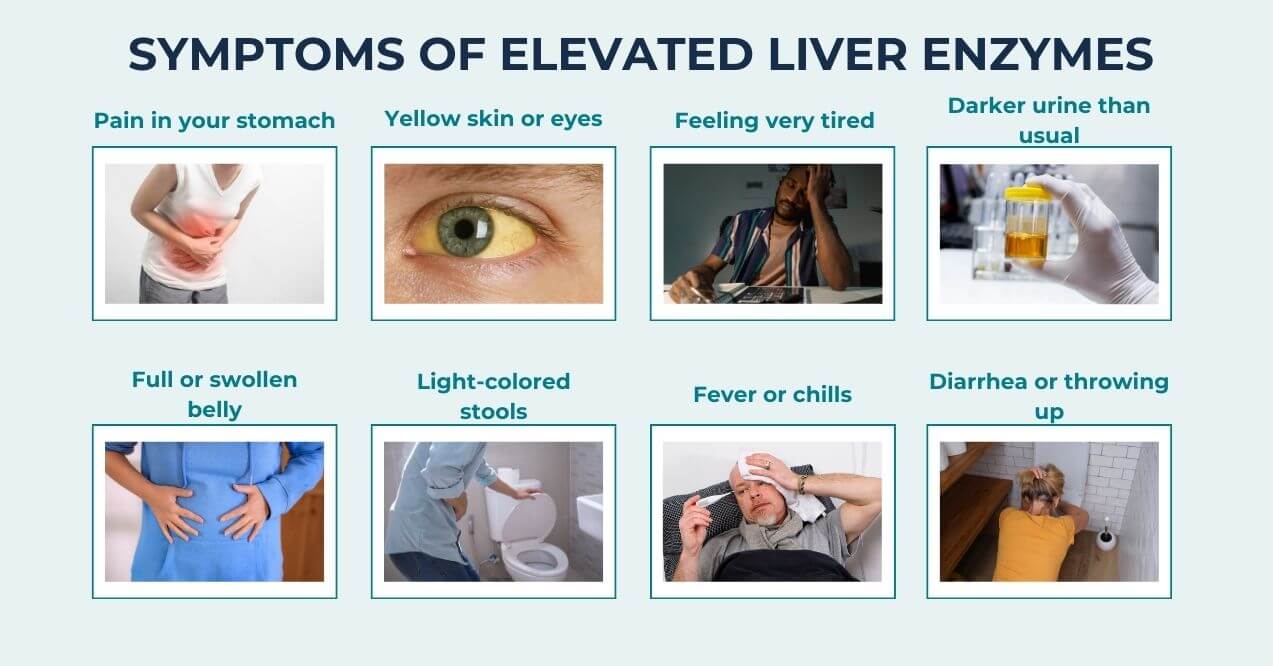
Your body may send you signals if your liver enzymes are too high. Here are some signs to watch for:
- Pain in your stomach
- Yellow skin or eyes (jaundice)
- Feeling very tired
- Darker urine than usual
- Full or swollen belly
- Light-colored stools (like clay)
- Fever or chills
- Diarrhea or throwing up
It’s important to know that these symptoms can be different for each person. Many conditions can cause high liver enzymes, so the signs can vary.
Not everyone will have all these symptoms. You might have just one or two, or you might have several. If you notice any of these signs, it’s a good idea to talk to your doctor.
Can Stress Cause Elevated Liver Enzymes?
The connection between stress and elevated liver enzymes isn’t simple. Stress doesn’t directly raise liver enzymes, but it can set off a chain of events that leads to higher enzyme levels.
Stress triggers your body to produce hormones like cortisol and adrenaline. These hormones prepare you for “fight or flight,” even when you’re not in danger. Too much cortisol can make your liver produce extra glucose from fats and proteins. If this continues for a long time, it can harm your liver cells and raise enzyme levels.
Stress can also change your behavior in ways that hurt your liver. You might eat unhealthy foods, drink too much alcohol, or sleep poorly. These habits can lead to conditions like fatty liver disease or liver inflammation, which raise enzyme levels.
Chronic stress can cause inflammation throughout your body, including your liver. This inflammation, called hepatitis, can happen even without a virus and can raise liver enzymes.
Can stress cause lymph nodes to swell? While this question often comes up alongside concerns about liver health, stress may not directly cause swelling but can weaken the immune system, making lymph nodes more reactive to other triggers.
To lower your liver enzymes, you need to manage your stress and adopt healthier habits. This approach can help improve your liver health without relying solely on medications.
How Do Doctors Test for Elevated Liver Enzymes?
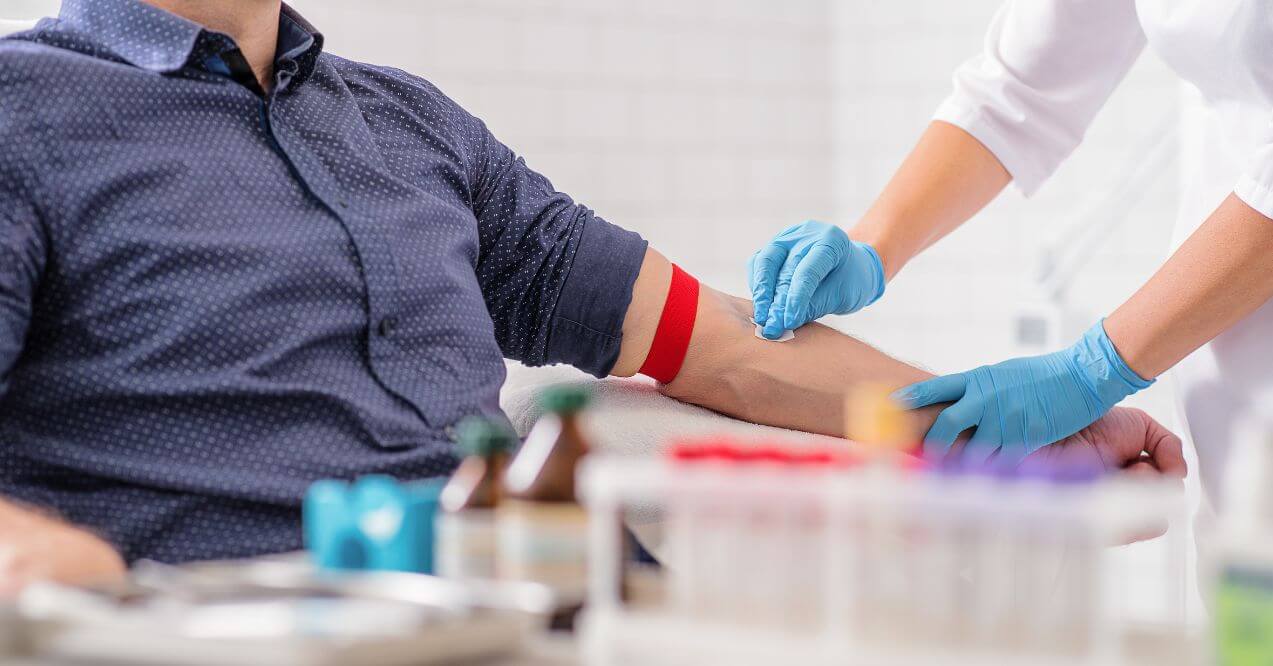
The most common tests for liver enzymes are the eponymously named blood tests, done individually or as a panel of AST, ALT, ALP, and GGT. No prior preparation is necessary before the venipuncture procedure, and results are usually out within the hour. There may be some pain and bruising at the point where the phlebotomist pricks you, but that usually clears in a day or two. Imaging tests are also an alternative — ultrasound, CT scan, and MRI. These can take anywhere between 15 minutes to an hour, depending on the specific procedure, and are generally painless.
A third option, known as a liver biopsy, is usually the last resort because it is an invasive procedure. It takes approximately 20 minutes and is image-guided. The healthcare professional typically obtains a small tissue from the liver while you’re under local anesthesia and examines it in the lab for hepatitis and liver damage.
How to Manage Elevated Liver Enzymes?
Managing elevated liver enzymes involves lifestyle changes, medical treatments, and dietary adjustments. These interventions reduce damage and support this organ’s crucial function. Evidently, the best ways to improve liver function are within your control.
Explore Our Complete Liver Support Collection
When it comes to supporting your body’s natural detoxification pathways, a comprehensive approach is often the most effective. At PureHealth Research, our Liver Health Supplements collection is meticulously formulated to promote optimal liver function, support healthy digestion, and provide daily antioxidant defense.

Whether you are looking to support natural toxin elimination with Dandelion Root, balance healthy inflammatory responses with Turmeric, or promote liver cell regeneration with Milk Thistle, our collection offers tailored, evidence-based solutions for your unique wellness journey.
Why Choose Our Liver Support Collection?
- Scientifically-Backed: Powered by natural ingredients with a history of traditional and clinical success.
- Pure & Clean: Manufactured to be strictly gluten-free, dairy-free, soy-free, and non-GMO.
- Targeted Wellness: Solutions ranging from comprehensive daily liver support to targeted parasite cleanses and digestive enzymes.
Ready to optimize your body’s natural filter? Explore the Full Liver Health Collection Today.
Avoid Processed Food

Processed foods tend to have artificial additives. They also come packed with high fats and excess sugars. These are damaging to the liver. Instead, consume whole grains and embrace natural fruits and vegetables.
Exercise Regularly

Physical exercise is also very effective in improving liver function by reducing the accumulation of fats and helping in proper metabolism and effective weight control. Walking, running, or cycling assist in shedding extra pounds and boost cardiovascular health. Try aerobic and strength training daily, involving treadmill exercises, weightlifting, and yoga. It is advisable to make sure that you spend about 30 minutes of moderate exercise daily.
Eat Your Veggies!

Including vegetables in your diet supports liver health with antioxidants and fiber. Dark green leafy vegetables could actually be your liver’s best friend. Add some broccoli to your diet to make your organ feel safer. If you are into salads, be sure they have a healthy percentage of leafy greens.
Conclusion
Can stress cause elevated liver enzymes? Yes, indirectly. A stressed mind translates to increased bloodstream cortisol levels. This increased concentration of the stress hormone places an untold burden on the liver, damaging its cells. Stress also triggers improper feeding, unhealthy sleep patterns, and could lead one to alcohol and substance abuse. Elevated liver enzymes make their presence known with abdominal pain, fatigue, and jaundice. Thankfully, diagnostic procedures exist. They come in the form of laboratory blood tests, imaging, and liver biopsies.
For effective management:
- Change your lifestyle habits for the better.
- Make necessary diet adjustments.
- Take advantage of the Liver Health supplements.
Do this, and your liver will thank you for it.
Yes, stress can be a major cause of it. It can result in hormonal imbalances, poor lifestyle choices, and systemic inflammation.
The time it takes for elevated liver enzymes to return to normal varies depending on the cause and treatment. Generally, it can range from a few weeks to several months.

Advertisement. This site offers health, wellness, fitness and nutritional information and is designed for educational purposes only. You should not rely on this information as a substitute for, nor does it replace, professional medical advice, diagnosis, or treatment. If you have any concerns or questions about your health, you should always consult with a physician or other health-care professional. Do not disregard, avoid or delay obtaining medical or health related advice from your health-care professional because of something you may have read on this site. The use of any information provided on this site is solely at your own risk.
Related Articles
7 Signs of Liver Detox Working
Written by Karolina Rutkute | September 23, 2026

Why Does My Liver Hurt When I Run?
Written by Karolina Rutkute | September 2, 2026

How to Make Your Liver Healthy Again: The Complete 7-Step Guide
Written by Karolina Rutkute | August 5, 2026

What Your Liver Blood Tests Actually Mean (Beyond “Normal”)
Written by Laura Kraujalyte | July 29, 2026

Liver Health by the Numbers: What the Research Actually Shows
Written by Laura Kraujalyte | July 29, 2026

What is the Function of the Liver? 5 Essential Roles Explained
Written by Karolina Rutkute | May 2, 2026