What are Sluggish Liver Symptoms? Causes, and Remedies
What do people mean by “sluggish liver”? The phrase is often used in wellness conversations to describe feeling run-down, backed up, foggy, or out of balance. These experiences can have many possible causes, including diet, hydration, sleep, stress, and daily routines. Keep reading to learn about lifestyle factors that support overall liver wellness and healthy digestion.


 On This Page:
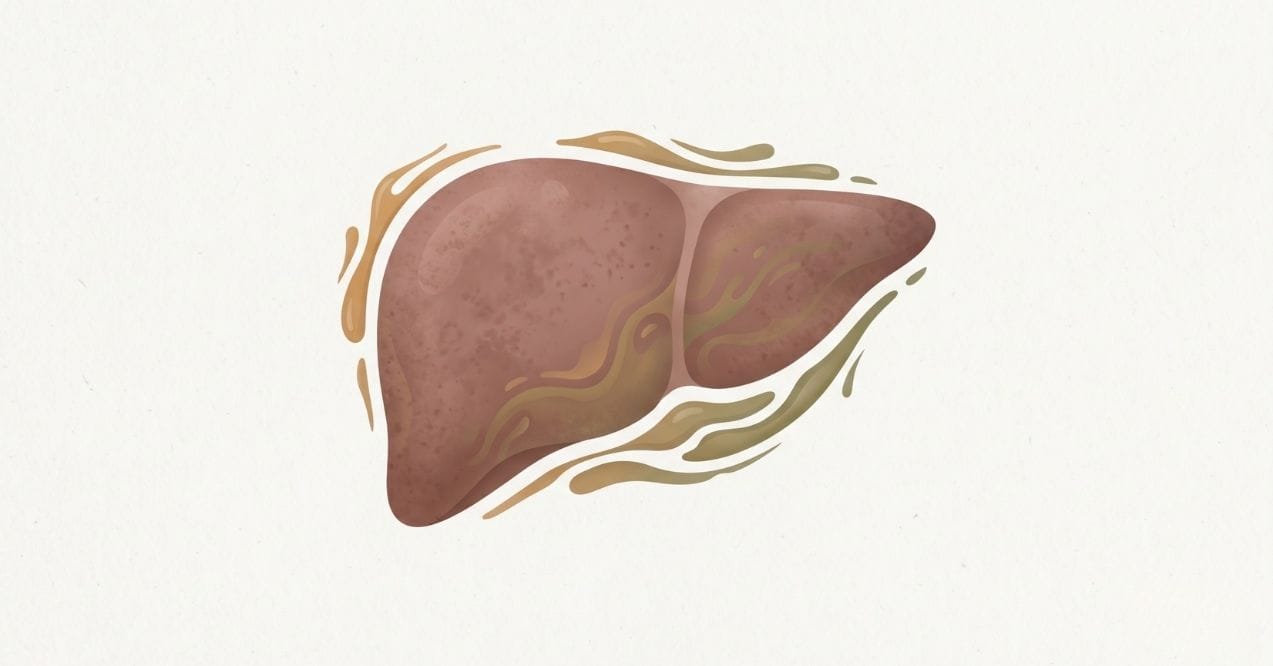
The liver filters metabolic byproducts, produces bile for fat digestion, and manages hundreds of other biological tasks around the clock. Because liver health is influenced by diet, lifestyle, and environmental exposures, changes in overall wellness can sometimes feel gradual or easy to overlook. Occasional fatigue, digestive discomfort, or mental fog may have many causes, so persistent concerns are best discussed with a qualified healthcare professional.
Many everyday factors that influence liver wellness are within reach to address. There are well-documented lifestyle steps that can help make your liver healthy again in the sense of supporting normal liver function, and targeted supplementation with evidence-supported botanicals may also play a role in maintaining liver cell integrity over time.
What follows covers common signs people often associate with liver wellness, the lifestyle and environmental factors behind them, and practical strategies that may support long-term liver health.
Why Is the Liver Important for Health?
Your liver does many important jobs to keep you healthy. It cleans your blood, processes the food you eat, and makes proteins your body needs. Your liver also helps fight off harmful substances and supports your immune system.
One key protein your liver makes is albumin. This protein helps balance fluids in your body and moves important nutrients where they need to go. Your liver also makes bile, which helps break down the fats in your food so your body can use them.
Your liver stores energy for when you need it and helps your blood clot properly. But when your liver isn’t working well, it can cause problems. You might feel tired, have trouble digesting food, or notice changes in your skin.
Understanding how your liver functions is important. So below we will cover the ways to improve your liver that will help you stay healthy and avoid long-term health issues. If you’re concerned about your liver, talk to your doctor about ways to keep it working well.
What are The Main Sluggish Liver Symptoms?
A sluggish liver can cause many symptoms that affect your daily life. When your liver doesn’t work well, toxins can build up in your body and cause health problems. Knowing these symptoms is important for early treatment.
- Tiredness is one of the most common signs of a sluggish liver. When your liver struggles to remove toxins from your blood, you may feel tired all the time. This can make it hard to do your usual activities.
- Constipation can also occur when your liver is sluggish. Your liver makes bile, which helps digest fats and keeps your bowels moving. Without enough bile, you may get constipated and feel bloated.
- Headaches can happen when toxins stay in your blood due to poor liver function. These toxins can cause inflammation in your body, making headaches worse and more frequent.
- Mood swings might occur if your liver isn’t working well. Your liver helps balance hormones, including those that affect your mood. If it’s not doing its job, you might feel more irritable or anxious than usual.
- Brain fog is another possible symptom of a sluggish liver. When toxins build up in your blood, they can make it hard to think clearly. You might have trouble remembering things or focusing on tasks.
While not all of these symptoms may indicate severe issues, they can be among the 14 warning signs of liver damage.
What Causes Sluggish Liver Function?
Sluggish liver symptoms can arise from various lifestyle and environmental factors. Understanding these causes is key to preventing liver dysfunction. Several common contributors to sluggish liver function include:
A poor diet can make your liver sluggish. Eating too many processed foods, unhealthy fats, and sugars can overwork your liver. This makes it harder for your liver to remove toxins and process nutrients properly.
Drinking too much alcohol can harm your liver. When you drink alcohol regularly, it can damage the cells in your liver. Over time, this can lead to inflammation and make your liver work less effectively.
Environmental toxins can also affect your liver’s health. Things like pollutants and pesticides can build up in your liver. When this happens, your liver has trouble cleaning your body of harmful substances.
Tips to Support Liver Health
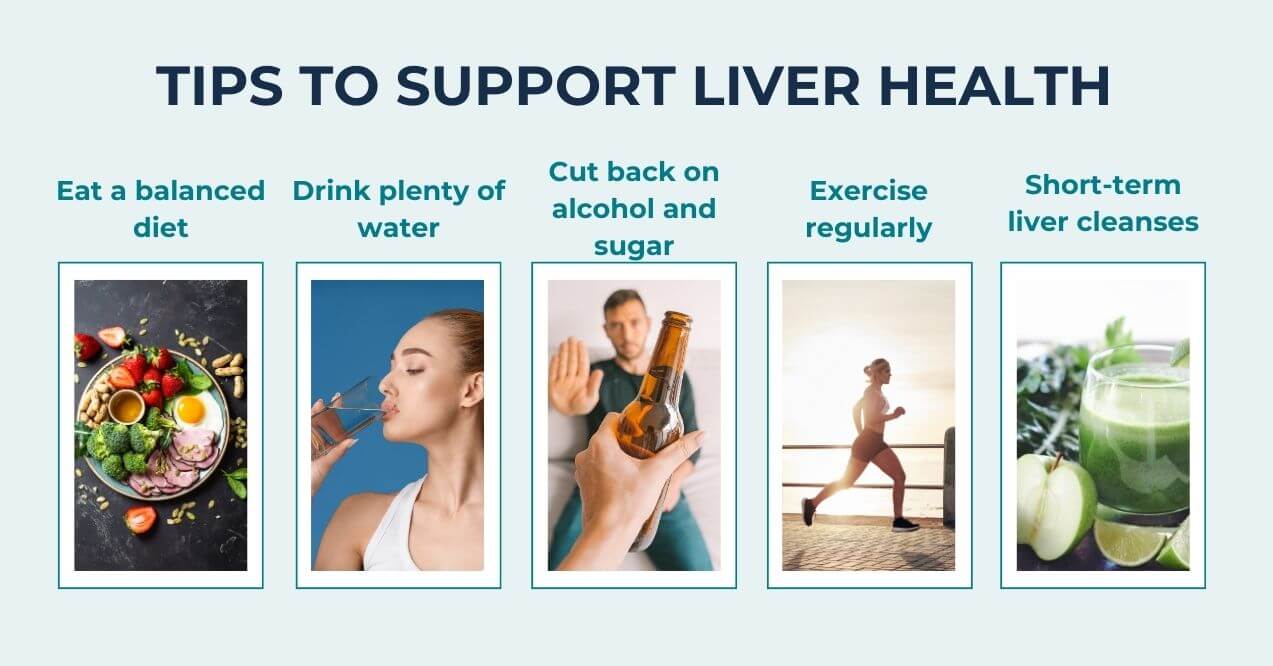
Keeping your liver healthy is important for your overall well-being. Here are some easy ways to help your liver stay in good shape.
- Eat a balanced diet to support your liver. Choose whole foods like fruits, vegetables, lean meats, and whole grains. Foods with antioxidants, such as berries and leafy greens, help protect your liver cells.
- Drink plenty of water to help your liver work better. Water helps your liver flush out harmful substances more easily. Try to drink water throughout the day.
- Cut back on alcohol and sugar to give your liver a break. When you drink less alcohol and eat less sugar, your liver doesn’t have to work as hard. This allows it to do its job more effectively.
- Exercise regularly to boost your liver health. Physical activity improves blood flow and helps your liver function better. Try to get at least 30 minutes of moderate exercise most days of the week.
- Short-term liver cleanses may help jumpstart liver health. These focus on eating foods that are good for your liver. However, talk to your doctor before starting any cleanse. Here’s our preferred 3-day liver cleanse diet you can give a try.
Certain supplements may also play a supporting role in liver health. Milk thistle is one of the most studied botanicals for liver cell protection, while turmeric root has been examined for its potential to reduce pro-inflammatory activity in liver tissue. L-Cysteine, an amino acid commonly found in liver health formulas, may support the antioxidant defenses that help the liver manage oxidative stress.
What distinguishes quality liver health supplements is the combination of these compounds working across multiple pathways at once: cellular protection, filtration support, and antioxidant activity. For those looking to complement dietary and lifestyle changes with a consistent daily habit, a well-formulated liver supplement may be worth exploring. As with any supplement, speaking with a healthcare professional first is a sensible step.
Conclusion
Keeping your liver healthy is very important for your overall well-being. It’s helpful to know the signs of a sluggish liver and what causes it. This knowledge allows you to take action early if you notice any problems.
You can support your liver’s health in several ways. Eat a balanced diet and exercise regularly. Make sure to drink enough water throughout the day. You might also want to talk to your doctor about natural supplements that could help your liver.
When you take care of your liver, you’re investing in your long-term health. A healthy liver can help you feel more energetic and may help prevent serious health issues as you age. Remember, small changes in your daily habits can make a big difference in keeping your liver and your whole body healthy.
You can improve a sluggish liver with simple lifestyle changes. Eat a balanced diet rich in fruits and vegetables. Drink less alcohol and more water. Exercise regularly.
Your body may show signs if your liver isn’t working well. You might feel very tired or have digestive issues. Frequent headaches, mood changes, or trouble thinking clearly can also occur.
Helping your liver recover usually takes a few weeks to a few months. The time varies based on your lifestyle changes and overall health.

Advertisement. This site offers health, wellness, fitness and nutritional information and is designed for educational purposes only. You should not rely on this information as a substitute for, nor does it replace, professional medical advice, diagnosis, or treatment. If you have any concerns or questions about your health, you should always consult with a physician or other health-care professional. Do not disregard, avoid or delay obtaining medical or health related advice from your health-care professional because of something you may have read on this site. The use of any information provided on this site is solely at your own risk.
Related Articles
7 Signs of Liver Detox Working
Written by Karolina Rutkute | September 23, 2026

Why Does My Liver Hurt When I Run?
Written by Karolina Rutkute | September 2, 2026

How to Make Your Liver Healthy Again: The Complete 7-Step Guide
Written by Karolina Rutkute | August 5, 2026

What Your Liver Blood Tests Actually Mean (Beyond “Normal”)
Written by Laura Kraujalyte | July 29, 2026

Liver Health by the Numbers: What the Research Actually Shows
Written by Laura Kraujalyte | July 29, 2026

Can Stress Cause Elevated Liver Enzymes?
Written by Karolina Rutkute | May 7, 2026