7 Signs of Liver Detox Working
The most reliable signs of liver detox working are steadier digestion, even energy, better sleep, gradual weight change, and improved liver blood tests, driven mostly by everyday habits, not cleanses.



 On This Page:
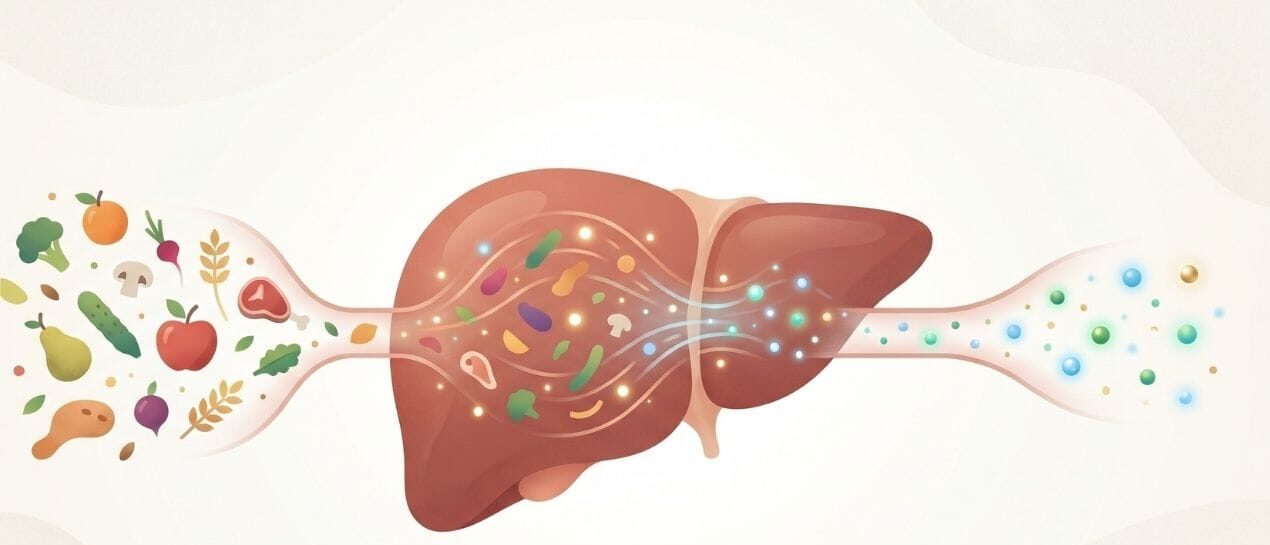
Your liver handles detoxification every hour of the day, whether or not you follow a cleanse. It turns alcohol, medications, hormones, and everyday waste into forms the body can clear through bile and urine, a process described in a StatPearls liver physiology review. So when people look for signs of liver detox working, they are usually asking a practical question: is the new routine I started actually helping?
This guide answers that question directly. It covers the signs you may notice, the slower changes that only lab work can confirm, what the research says about detox programs, and simple habits that support the liver’s normal work. You will also find a clear explanation of what is not a sign of progress, so you can tell the difference.
What Are Signs That Liver Detox Is Working?
The most realistic signs of liver detox working are steadier digestion, more even energy, fewer cravings, better sleep, and gradual weight change, followed by improved liver numbers on routine blood work. Most of these changes come from the habits behind a “detox,” such as drinking less alcohol, eating more whole foods, and moving more, rather than from flushing out stored toxins.
That distinction matters. A healthy liver does not need a special program to switch on its detox pathways, and a 2015 critical review in the Journal of Human Nutrition and Dietetics found no randomized controlled trials testing commercial detox diets in humans. What a good routine can do is lower the daily load you place on the liver and give it the nutrients it uses.
The table below summarizes the common signs, what usually drives them, and how reliable each one is as evidence of real change.
| Sign | What usually drives it | How reliable it is |
|---|---|---|
| Lighter, more regular digestion | More fiber and water, smaller fatty meals, less alcohol | Moderate; also reflects gut changes |
| More even energy | Steadier meals, less sugar and alcohol, better sleep | Moderate; many factors affect energy |
| Fewer cravings | Balanced meals with protein and fiber | Low to moderate |
| Better sleep | Less alcohol, especially in the evening | Moderate |
| Gradual, steady weight change | Calorie balance and regular activity | High for liver fat when sustained |
| Clearer focus and steadier mood | Better sleep, hydration, and blood sugar balance | Low; hard to separate from other causes |
| Improved liver enzyme results | Sustained lifestyle change over months | Highest; measured by a clinician |
7 Signs of Liver Detox Working
Each of the signs of liver detox working below can show up when your daily habits change. None of them proves on its own that the liver has changed, but together they suggest your routine is moving in a helpful direction.
1. Digestion Feels Lighter and More Regular
Smoother digestion is often the first change people notice. The liver produces bile, which helps the body digest and absorb fats, so heavy, greasy meals ask more of this system than lighter ones.
When a routine adds vegetables, fruit, and whole grains and cuts back on fried food and alcohol, many people report less heaviness after meals and more regular bowel movements. These changes reflect both the liver’s bile role and the gut’s response to more fiber.
2. Energy Stays More Even Through the Day
More stable energy is one of the most commonly reported symptoms of liver detox working. The liver stores glucose as glycogen and releases it between meals, which helps keep fuel available to the body.
Meals built around protein, fiber, and healthy fats, with fewer sugary drinks and less alcohol, tend to reduce the sharp highs and afternoon dips. If your energy feels steadier after a few weeks, your routine is likely supporting this normal process.
3. Cravings Become Easier to Manage
Many people notice fewer intense cravings for sweets and processed snacks after a few weeks of balanced eating. This usually reflects steadier blood sugar and new habits rather than a cleared-out liver.
Fewer cravings still matter. They make it easier to keep the routine going, and consistency over months is what drives the measurable changes described below.
4. Sleep Improves
Better sleep is a common sign for people who cut back on alcohol as part of a liver-focused routine. Alcohol is processed mainly by the liver, and a review on alcohol and sleep describes how evening drinking tends to disrupt sleep in the second half of the night.
Waking up more rested also feeds back into other signs on this list. Good sleep tends to support steadier energy, appetite, and focus during the day.
5. Weight Changes Gradually and Steadily
For people carrying extra weight, slow and steady weight loss is one of the more meaningful signs of liver detox working. Cleveland Clinic notes that even a 3% to 5% weight loss can make a difference for liver fat, and it suggests moderate activity for 30 minutes a day, three days a week, to support that goal.
Rapid weight loss is a different story. Quick drops on juice fasts or very low-calorie cleanses are mostly water and are rarely kept off, which is why gradual change is the better signal.
6. Focus and Mood Feel Steadier
Some people describe clearer thinking and a more stable mood after several weeks of better habits. Sleep, hydration, less alcohol, and fewer blood sugar swings all likely play a role.
This sign is the hardest to measure, so treat it as encouraging rather than conclusive. It is best viewed alongside the more concrete changes on this list.
7. Liver Blood Tests Improve at Follow-Up
Improved lab results are the most reliable of all the signs of liver detox working. A standard liver panel measures enzymes such as ALT, AST, and GGT, along with bilirubin and albumin, and a StatPearls overview of liver function tests explains that raised ALT and AST levels point to strain on liver cells.
If a past test showed numbers outside the normal range, ask your clinician when it makes sense to recheck them. Our guide to what your liver blood tests actually mean explains each marker in more detail. Lab results, not how you feel on a given day, are the clearest way to know whether the liver itself has changed.
How Do You Know If Your Liver Detox Is Working?
You know your liver detox is working when the everyday signs above hold steady for several weeks and, if you have had blood work, your liver numbers move toward the normal range at follow-up. Short-lived changes during a three-day cleanse are not reliable evidence either way.
A simple way to track progress is to note a few markers each week: digestion, energy, sleep, cravings, and weight. Bring that record to your next checkup so your clinician can compare it with lab results.
A Realistic Timeline
The timeline below reflects general patterns from lifestyle change, not clinical promises. Individual results vary with health status, starting habits, and consistency.
| Timeframe | What you may notice | What is still too early to judge |
|---|---|---|
| First 1 to 2 weeks | Lighter digestion, fewer late-night cravings, better sleep after cutting alcohol | Liver fat and enzyme levels |
| Weeks 3 to 8 | Steadier energy, early weight change, easier routine | Long-term lab trends |
| 3 months and beyond | Sustained weight change, habits that feel automatic | Lab changes, which only follow-up testing can confirm |
Signs of Fatty Liver Detox Working
The signs of fatty liver detox working are mostly measurable rather than felt, because excess liver fat often causes no symptoms. Progress usually shows up as sustained weight loss, a smaller waistline, and better liver enzyme or liver scan results at follow-up.
Lifestyle change is the primary approach for this type of liver concern. According to Mayo Clinic, losing 7% to 10% of body weight can reduce liver inflammation, and a Mediterranean-style eating pattern has been shown to help reduce liver fat. People who are not overweight may still see benefits from losing up to 3% of body weight.
Because this condition is diagnosed and monitored by a healthcare provider, no supplement or cleanse should replace that follow-up. Feeling better is encouraging, but repeat testing is the only way to confirm change.
What Is Not a Sign Your Liver Detox Is Working
Headaches, fatigue, breakouts, strong-smelling sweat, or frequent loose stools during a cleanse are not signs that toxins are leaving the body. These effects more often reflect sudden calorie restriction, caffeine withdrawal, dehydration, or laxative herbs in some detox products. Our article on liver detox symptoms covers which short-term effects are common and how long they tend to last.
Sweat is mainly for cooling the body. Cleveland Clinic explains that sweat is about 99% water and plays only a minor role in clearing harmful substances, while the liver and kidneys handle most of that work. For a closer look at heat-based detox claims, see does sauna help detox the liver.
Some symptoms call for prompt medical attention rather than more detoxing. Contact a healthcare provider if you notice yellowing of the skin or eyes, dark urine, pale stools, persistent pain under the right ribs, or unexplained swelling in the abdomen. Our list of warning signs of liver damage describes other symptoms worth raising with a clinician.
How Liver Detoxification Works
Liver detoxification is a two-phase chemical process that makes fat-soluble substances water-soluble so the body can remove them. It runs continuously and does not depend on a cleanse to start. Detoxification is one of several jobs covered in our overview of what the liver does.
In phase I, enzymes from the cytochrome P450 family modify substances through oxidation, reduction, or hydrolysis. In phase II, the liver attaches molecules such as glucuronic acid, sulfate, or glutathione, which makes the products easier to excrete in bile or urine, as outlined in a review of liver drug metabolism. Some researchers call the transport out of the cell phase III.
Glutathione deserves a closer look because diet affects it. The body builds glutathione from three amino acids, glutamate, cysteine, and glycine, according to a 2019 review in Nutrients. Protein foods such as eggs, poultry, fish, beans, and dairy supply these amino acids.
What the Research Says About Detox Programs and Supplements
The research supports everyday habits far more strongly than branded detox programs. The 2015 critical review mentioned above found that the few clinical studies of commercial detox diets had flawed methods and small samples, and that no randomized controlled trials had tested them in humans.
Liver-support botanicals have a mixed but active research base. Milk thistle, the source of silymarin, is one of the most studied, yet a Mayo Clinic milk thistle overview describes results in people with existing liver conditions as mixed. NIH-funded trials summarized by the National Center for Complementary and Integrative Health (NCCIH) found silymarin was no better than placebo in one such group, and both sources describe milk thistle as generally well tolerated.
Two points follow from this evidence. Supplements are best viewed as a complement to diet, activity, and limited alcohol rather than a shortcut, and a study on one ingredient does not tell you how a multi-ingredient product will perform. Some herbs, milk thistle included, may also affect how certain medications are processed, so check with a clinician or pharmacist before adding one.
Practical Ways to Support Your Liver Every Day
The most effective liver support comes from consistent daily habits. These steps are simple, inexpensive, and backed by mainstream health guidance.
- Limit alcohol. The liver processes most of the alcohol you drink, so cutting back reduces its daily workload.
- Eat a Mediterranean-style diet. Focus on vegetables, fruit, whole grains, legumes, fish, olive oil, and nuts, and limit sugary drinks and highly processed foods. Our roundup of the best liver detox foods includes simple recipes to get started.
- Include enough protein. Protein supplies cysteine and glycine, the building blocks the liver uses to make glutathione.
- Stay active. Regular movement supports healthy weight and metabolic health, both closely tied to liver fat.
- Avoid extreme cleanses. Prolonged fasting and juice-only plans can leave the liver short of the nutrients it uses for normal detox work.
- Read labels. Check all supplements and over-the-counter products for overlapping ingredients and follow dosing directions.
- Keep up with checkups. Routine blood work is the only objective way to track liver health over time.
Supporting Your Routine With the Liver Health Collection
The PureHealth Research supplements for liver health collection brings together products formulated to support normal liver function, healthy bile flow, and comfortable digestion as part of a balanced routine. It is built for readers who have already started the habits in this guide and want a simple daily addition that fits around them.
What sets the collection apart is its focus. Instead of mixing liver support with unrelated cleanse products, it centers on botanicals with a long history of use for the liver and digestion, such as milk thistle, artichoke, dandelion, and turmeric. Several of these appear in standardized forms, so the key compounds are present in defined amounts.
The collection also lets you choose your approach. Some readers prefer a multi-ingredient blend that covers several areas of liver support in one serving, while others want a single, well-defined botanical that slips easily into an existing routine.
| What you may be looking for | How the collection fits |
|---|---|
| Broad daily support | A multi-ingredient formula that combines botanicals and amino acids in one serving |
| A simple, focused option | A single-ingredient botanical extract taken once a day |
| Clear labeling | Ingredient amounts listed on every label, with no hidden blends |
| Quality standards | Made in an SQF-certified, FDA-registered facility |
| Dietary preferences | Gluten-free, dairy-free, soy-free, and non-GMO formulas |
Choosing and Using a Liver Supplement
A supplement works best as one part of the habits described earlier in this guide. These steps can help you pick and use an option from the collection thoughtfully.
- Start with your goal. Choose a blend if you want broad support in one product, or a single botanical if you prefer to keep things simple.
- Check labels for overlap. Compare ingredients with any multivitamin or herbal product you already take to avoid doubling up.
- Take it consistently. Use the same time each day, with a meal and a glass of water, as the label directs.
- Share the label with your clinician. This step matters most if you take medication, since some herbs, milk thistle included, may affect how certain drugs are processed.
Products in the collection have not been studied as finished formulas in clinical trials, and results vary from person to person. You can explore the Liver Health collection to compare labels and choose the option that fits your daily routine.
Conclusion
The most reliable signs of liver detox working are steady, gradual changes: lighter digestion, more even energy, better sleep, and sustained weight change, confirmed over time by improved lab results. Dramatic short-term effects during a cleanse are not good evidence of progress.
Your liver already detoxifies around the clock. The best way to support it is a balanced diet, limited alcohol, regular activity, and routine checkups, with a well-formulated supplement as an optional addition rather than a replacement.
The first symptoms of liver detox working that people tend to report are lighter digestion, fewer cravings, and better sleep within the first one to two weeks. These early changes usually reflect new habits, such as drinking less alcohol and eating more fiber.
Everyday signs may appear within a few weeks, while changes in liver fat and enzyme levels take months of consistent habits. Only follow-up blood work or a liver scan can confirm those deeper changes.
Yes. The liver detoxifies continuously on its own, and the strongest evidence supports habits such as limiting alcohol, eating a balanced diet, staying active, and keeping a healthy weight. Supplements can complement these habits but are not required.
No. Sweating mainly cools the body, and the liver clears most processed waste through bile and urine. Strong-smelling sweat during a cleanse is not evidence that the liver is releasing toxins.
Short cleanses may cause quick water-weight loss that usually returns. Steady weight loss from sustained diet and activity changes is linked to lower liver fat, which is a more meaningful goal.

Advertisement. This site offers health, wellness, fitness and nutritional information and is designed for educational purposes only. You should not rely on this information as a substitute for, nor does it replace, professional medical advice, diagnosis, or treatment. If you have any concerns or questions about your health, you should always consult with a physician or other health-care professional. Do not disregard, avoid or delay obtaining medical or health related advice from your health-care professional because of something you may have read on this site. The use of any information provided on this site is solely at your own risk.
Related Articles
Why Does My Liver Hurt When I Run?
Written by Karolina Rutkute | September 2, 2026

How to Make Your Liver Healthy Again: The Complete 7-Step Guide
Written by Karolina Rutkute | August 5, 2026

What Your Liver Blood Tests Actually Mean (Beyond “Normal”)
Written by Laura Kraujalyte | July 29, 2026

Liver Health by the Numbers: What the Research Actually Shows
Written by Laura Kraujalyte | July 29, 2026

Can Stress Cause Elevated Liver Enzymes?
Written by Karolina Rutkute | May 7, 2026

What is the Function of the Liver? 5 Essential Roles Explained
Written by Karolina Rutkute | May 2, 2026