10 Signs Your Liver Is Recovering After Alcohol
Signs your liver is healing include fading yellow in the skin and eyes, less abdominal swelling, a returning appetite, clearer thinking, and liver blood tests moving toward normal. Recovery depends on the cause and stage of damage, so these signs are best confirmed with follow-up testing.



 On This Page:
The liver has a remarkable role in repair and regeneration, but recovery depends on the cause, severity, and stage of liver damage. For anyone managing alcohol-related liver concerns, fatty liver, cirrhosis, changes in symptoms or day-to-day wellness should be discussed with a qualified healthcare professional rather than used to self-assess liver recovery.
General changes such as energy, digestion, skin appearance, or mental clarity can have many possible causes. This article explains the changes people often notice as the liver recovers, why medical monitoring matters, and which lifestyle habits are commonly associated with long-term liver wellness.
If you don’t have a liver diagnosis and want to know whether a new diet or cleanse is helping, our guide to signs of liver detox working covers that question.
Symptoms of Liver Damage and Cirrhosis
Liver damage often begins silently, with no apparent symptoms. However, as the condition progresses, specific signs start to emerge. By the time these symptoms appear, the liver has likely been under stress for a while.
Here are the common symptoms indicating potential liver damage or cirrhosis:
- Persistent fatigue, beyond general tiredness
- Loss of appetite leading to weight fluctuations
- Nausea, often accompanied by vomiting
- Mild discomfort in the upper right abdomen
- Sleep disturbances
- Darkened urine
- Dry, itchy skin
- Cognitive changes, such as confusion or personality shifts
- Easy bruising or bleeding
- Swelling in the legs, feet, or abdomen
- Yellowing of the skin or the whites of the eyes
- Memory issues
- Reddened palms
- Nasal or gum bleeding
- Chest pain
- Digestive issues like constipation or diarrhea
How Much Can the Liver Recover?
How much the liver can recover depends on how far the damage has progressed. The NHS describes three stages of alcohol-related liver disease, each with a different outlook:
| Stage | What happens | Can it recover? |
|---|---|---|
| Fatty liver | Fat builds up in the liver, often with no symptoms | Usually, if you stop drinking |
| Alcohol-related hepatitis | The liver becomes inflamed and damaged | Partly; some damage may heal |
| Cirrhosis | Scar tissue replaces healthy liver tissue | The scarring usually cannot be reversed |
Even with cirrhosis, stopping alcohol and following a care plan can help protect the healthy tissue that remains. The absence or reduction of the symptoms above can be a positive sign, especially when blood tests confirm it.
Signs Your Liver Is Healing
When your liver is damaged, it can lead to serious health issues. However, if you are taking steps to care for your liver, such as stopping alcohol and following your care plan, it is possible for it to heal and function better again. Here are a few signs that your liver is healing:
1. Balanced Weight
Your liver is directly related to your metabolism. Liver disease affects how you metabolize your food. So, some people gain weight even though they don’t have much of an appetite, or they lose weight even though they consume high-in-calorie drinks such as beer.
As the liver recovers, weight tends to settle in line with what you eat and how active you are. In advanced liver disease, part of the change is fluid, so less swelling in the belly, legs, or feet is an encouraging sign. With fatty liver, steady weight loss is linked to lower liver fat, covered in more detail below.
2. Increased Appetite
Since your liver is related to your metabolism, one that works properly will digest your food properly, too. This means that your body will be able to release the appropriate hunger signals at the right time, telling you that your body wants good, nutritionally balanced foods.
This one is doubly beneficial when combined with the increased appetite many people have from cutting out alcohol, too. Your body can begin to function normally again in so many ways as your liver heals and you live with healthy habits.
3. Digestive Relief
Not only will your appetite come back and your weight balance, but everything in your abdominal region may feel better, too. Often, people living with heavy alcohol use or cirrhosis experience severe bouts of nausea and vomiting.
Excessive alcohol use also irritates the stomach lining. That irritation can make nausea worse and, over time, contribute to ulcers.
When your liver begins to heal and alcohol is no longer part of your routine, your digestive system often settles too. Even though you can’t see it, as with the improved skin tone and balanced weight, you’ll be able to feel how much better things are moving along inside.
4. Improved Skin Tone
Yellowed skin, or jaundice, is a common sign of liver dysfunction. It happens when bilirubin, a yellow pigment made as red blood cells break down, builds up because the liver can’t process and clear it.
Jaundice usually clears once the underlying cause is treated, so fading yellow is one of the more visible signs of recovery. You’ll feel better about yourself (and not so on display), which can help you continue on the path to healing.
5. Improved Eye Appearance
Jaundice doesn’t just affect the skin. The same pigment also tints the whites of the eyes. You might be able to cover up most of your skin with long sleeves and pants, but it’s harder not to make eye contact with anyone throughout the day.
You want to be able to look at and converse with people without being embarrassed about your yellowed, jaundiced eyes. As your liver heals, your eyes often clear, and you’ll feel that you have a new lease on life.
6. Bloodwork Gains
There’s no hiding an issue when you get bloodwork done. A liver panel measures enzymes such as ALT, AST, and GGT, along with bilirubin and albumin, and doctors often add platelet counts and clotting tests to judge how well the liver is working.
This is one of the signs your liver is healing that might take a little longer than the others, such as appetite gain and improved skin tone. However, continued bloodwork samples can show improvement over the months and years, which are excellent markers for you to track progress and stay motivated. Our guide to what your liver blood tests actually mean explains each marker.
7. Less Pain
An inflamed or enlarged liver can stretch the capsule around it, which causes a dull ache or pressure under the right ribs. As inflammation settles and swelling goes down, that discomfort often eases.
Stopping alcohol removes the main source of that inflammation for alcohol-related liver disease, which is why this can be one of the earlier signs people notice.
8. Improved Cognitive Function
When the liver can’t clear substances such as ammonia from the blood, they can affect the brain. Doctors call this hepatic encephalopathy, and in its milder forms it often shows up as brain fog with symptoms such as:
- Sleepiness
- Forgetfulness
- Irritability
- Frustration
- Mood swings
- Lethargy
The confluence of all these symptoms might make it difficult to continue on the road to sobriety and a healthy life. However, milder forms are often reversible with prompt treatment, and clearer thinking is an encouraging sign of recovery. Any new confusion or drowsiness should be checked by a doctor right away.
You might even find yourself with renewed motivation to pursue educational classes, a hobby, or to put more effort into your job.
9. More Energy
Fatigue is one of the most common symptoms of chronic liver disease. It often shows up as lethargy, a heavy, ongoing tiredness that rest doesn’t fix.
When you’re living with heavy alcohol use or cirrhosis, even regular tasks such as daily self-care, preparing a simple meal, or doing a menial chore might seem insurmountable. Poor appetite, nutrient loss, and disrupted sleep all add to it.
As eating, sleep, and liver function improve, energy often returns gradually. If improving your liver function doesn’t help with your energy issues, you can read our article on how to increase energy levels.
10. Motivation to Continue
How do you know your liver is healing? Your life is better in all areas. This last sign of liver improvement is akin to the whole being more than the sum of its parts. Allowing your liver to heal gives you so many health and mental benefits.
When times get hard, make a list of all the signs your liver is healing from alcohol that you’ve seen in yourself. If you struggle to do this, ask your spouse, children, or other close people in your life what improvements they’ve seen in you! Put these on your mirror or your desk as a daily note that you are worth it, your body is worth it, and that there is only better to come.
Signs Your Fatty Liver Is Healing
With fatty liver, healing is mostly measured rather than felt, because extra liver fat often causes no symptoms at all. Progress usually shows up as steady weight loss, a smaller waist, and better results on liver blood tests or scans at follow-up.
Weight loss is the main lever. Mayo Clinic notes that losing even 3% to 5% of your starting weight can have benefits, and that losing 10% or more is recommended. A diet built on fruit, vegetables, and whole grains, at least 150 minutes of activity a week, and avoiding alcohol all support that goal.
Because fatty liver is diagnosed and tracked by a healthcare provider, repeat testing is the only way to confirm change. Your doctor may use an ultrasound or a FibroScan, a type of scan that measures liver fat and stiffness, alongside blood work.
How Long Does It Take for the Liver to Heal?
How long the liver takes to heal depends on what caused the damage and how far it has progressed. Within a few weeks of stopping alcohol, a reduction in liver fat can be seen, while deeper damage takes much longer to improve.
| Situation | What may improve | Typical timeframe |
|---|---|---|
| Alcohol-related fatty liver, after stopping alcohol | Liver fat, liver enzymes, appetite, energy | Changes in liver fat within a few weeks; blood tests over the following months |
| Fatty liver linked to weight | Liver fat and liver enzymes | Months of steady weight loss and activity |
| Alcohol-related hepatitis | Inflammation, jaundice, some liver damage | Months, with medical care; some damage may remain |
| Cirrhosis | Symptoms, nutrition, how well the remaining liver works | Ongoing; scarring usually stays, but further damage can often be slowed |
These are general patterns rather than predictions. Your care team can tell you what to expect based on your own test results.
This guide covers how the liver recovers over weeks, months, and years. For how long alcohol itself stays in your body after drinking, and what helps your body clear it, see our guide on how to clean your system of alcohol.
Ways to Keep Your Liver Healthy
Of course, there are many things you can do to maintain a healthy liver besides eliminating alcohol. You can read our article about best ways to improve liver function, or follow the step-by-step plan in how to make your liver healthy again. You can also cut down on several foods that can damage your liver, such as:
- Saturated fats
- Red and processed meat
- White bread and refined pasta
- Refined sugar
- Baked treats and pastries
- Salty foods
- Fast food
You can also add liver-healthy foods to your diet, such as:
- Fresh fruits
- Fresh vegetables
- Eggs
- Nuts
- Steel-cut oatmeal
- Black coffee and green tea
For recipes built around these foods, see our list of best liver detox foods. If you prefer a ready-made plan, our 7-day liver cleanse diet puts them into a week of whole-food meals. If you’re being treated for a liver condition, talk to your doctor or dietitian before making big changes to what you eat.
Supporting Your Routine With Supplements
Consistent lifestyle habits provide the foundation, and some people may also choose to discuss targeted nutritional support with a qualified healthcare professional.
For liver-focused wellness support, the natural liver health supplements collection includes compounds such as turmeric, silymarin, dandelion, beet, ginger, and glycine, which have been studied for their potential roles in liver cell health, cellular antioxidant support, and normal liver function.
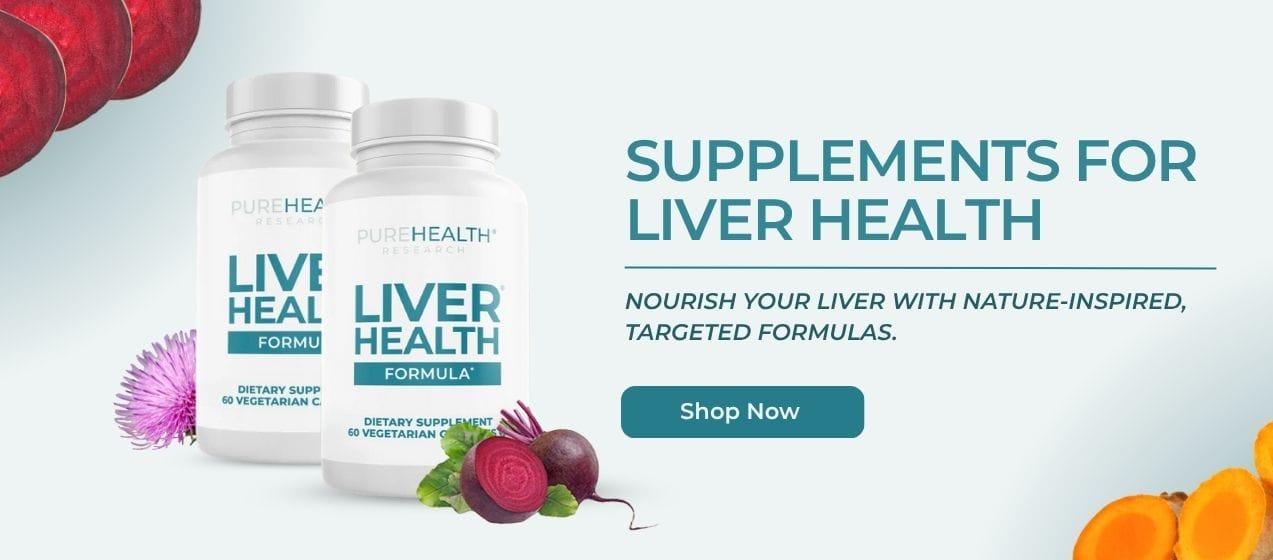
What sets the collection apart is its focus on the liver and digestion rather than general cleansing. You can choose a multi-ingredient blend that covers several areas of liver support in one daily serving, or a single botanical such as milk thistle if you prefer to keep things simple. Ingredient amounts are listed on every label, and the formulas are gluten-free, dairy-free, soy-free, and non-GMO.
Used alongside consistent dietary and lifestyle habits, these options may fit into a broader wellness routine when appropriate. The finished formulas have not been tested in clinical trials, and results vary. If you have a liver condition or take medication, check with your healthcare professional before adding any supplement, since some herbs can affect how medicines are processed.
Final Thoughts
A cirrhosis diagnosis can be a major turning point, especially when it leads to stopping alcohol use under medical guidance. It’s natural to wonder which signs show your liver is healing, but symptoms alone cannot confirm recovery. Changes in energy, digestion, skin appearance, or overall wellness may be encouraging, but they should be reviewed with a healthcare professional alongside lab work and follow-up care. Steady, medically guided habits remain the safest path forward.
Yes, to a degree. The liver can regenerate healthy tissue, and fatty liver can usually recover once the cause is removed. Scarring from cirrhosis usually cannot be reversed, but stopping alcohol and following a care plan can help protect the liver that remains.
Yellow skin, or jaundice, happens when bilirubin builds up because the liver can’t clear it. As liver function improves and the underlying cause is treated, bilirubin levels fall and the yellow tint fades.
Pain under the right ribs often comes from an inflamed or swollen liver. As inflammation settles, that pressure and discomfort tend to ease.
A reduction in liver fat can be seen within a few weeks of stopping alcohol. Blood tests often improve over the following months, while more serious damage takes longer and may not fully reverse.
Fatty liver can usually improve when the cause is addressed. For alcohol-related fatty liver, that means stopping drinking; for fatty liver linked to weight, losing even 3% to 5% of body weight can help, with 10% or more recommended.

Advertisement. This site offers health, wellness, fitness and nutritional information and is designed for educational purposes only. You should not rely on this information as a substitute for, nor does it replace, professional medical advice, diagnosis, or treatment. If you have any concerns or questions about your health, you should always consult with a physician or other health-care professional. Do not disregard, avoid or delay obtaining medical or health related advice from your health-care professional because of something you may have read on this site. The use of any information provided on this site is solely at your own risk.
Related Articles
7 Signs of Liver Detox Working
Written by Karolina Rutkute | September 23, 2026

Why Does My Liver Hurt When I Run?
Written by Karolina Rutkute | September 2, 2026
How to Make Your Liver Healthy Again: The Complete 7-Step Guide
Written by Karolina Rutkute | August 5, 2026
What Your Liver Blood Tests Actually Mean (Beyond “Normal”)
Written by Laura Kraujalyte | July 29, 2026
Liver Health by the Numbers: What the Research Actually Shows
Written by Laura Kraujalyte | July 29, 2026
Can Stress Cause Elevated Liver Enzymes?
Written by Karolina Rutkute | May 7, 2026