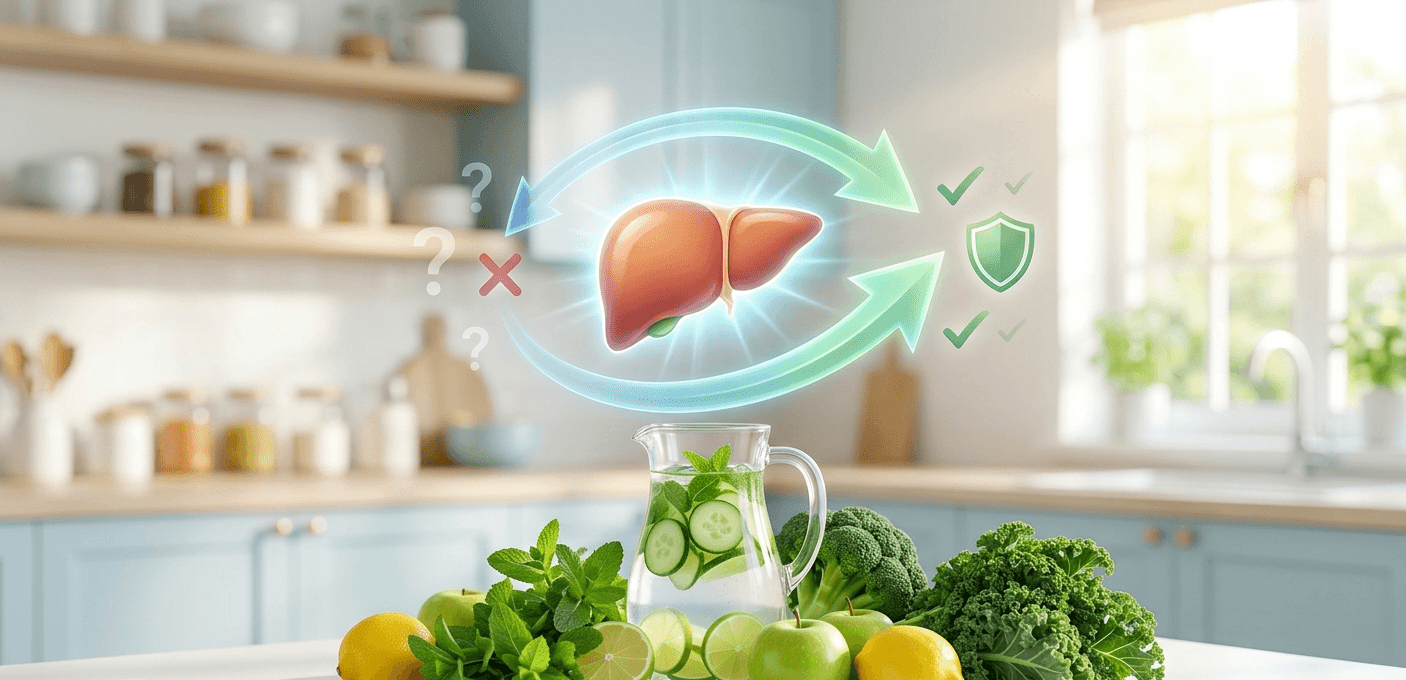
Can Liver Issues Cause Hair Loss?
Can liver issues cause hair loss? In some cases, liver health may be associated with hair thinning or shedding through factors like protein metabolism, hormone balance, nutrient storage, and oxidative stress. However, hair loss has many possible causes, so persistent or unexplained shedding should be discussed with a qualified healthcare professional.


 On This Page:
The liver’s possible connection to hair health is more layered than many people expect. While thinning hair is commonly linked to genetics, stress, aging, medications, or nutritional gaps, the liver also helps with protein synthesis, hormone metabolism, and nutrient storage, which are all relevant to overall wellness.
Hair follicles depend on adequate nutrient availability and balanced hormones to support normal growth. Because the liver plays a role in these processes, changes in liver health may be associated with hair thinning or shedding in some cases, although the relationship is usually indirect and can vary from person to person.
This article covers possible biological connections between liver function and hair health, health factors that may be associated with hair changes, and practical lifestyle steps that may support both systems as part of a broader wellness approach.
How the Liver Affects Your Hair
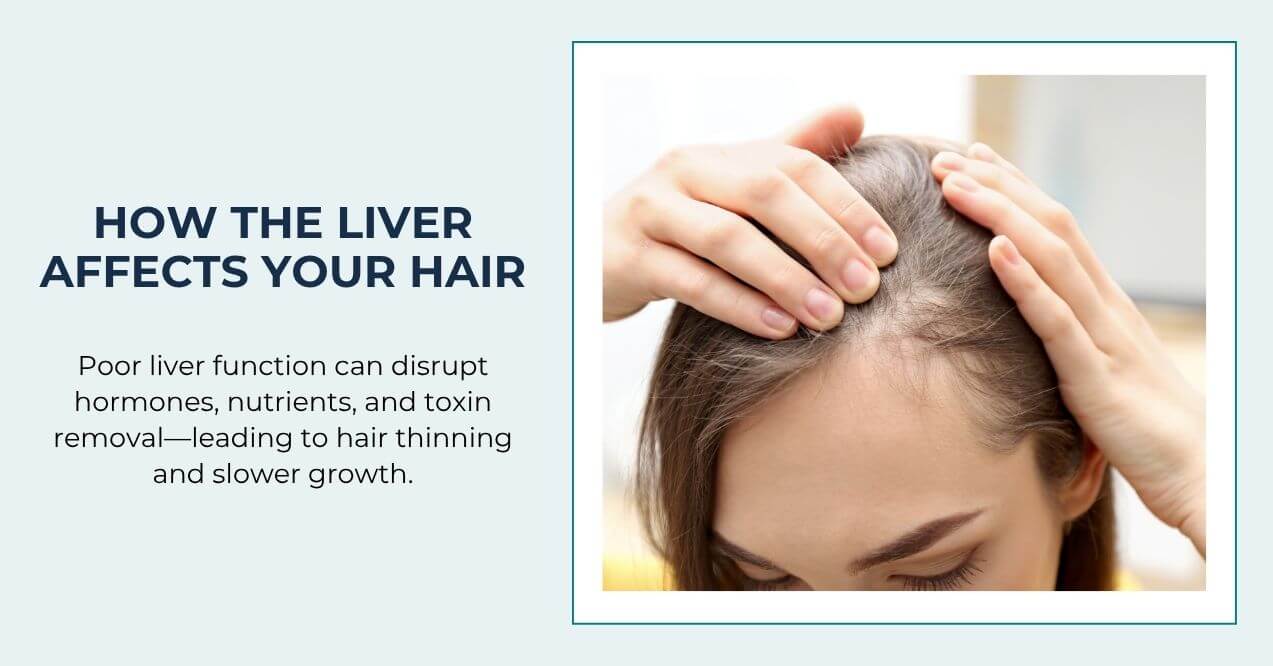
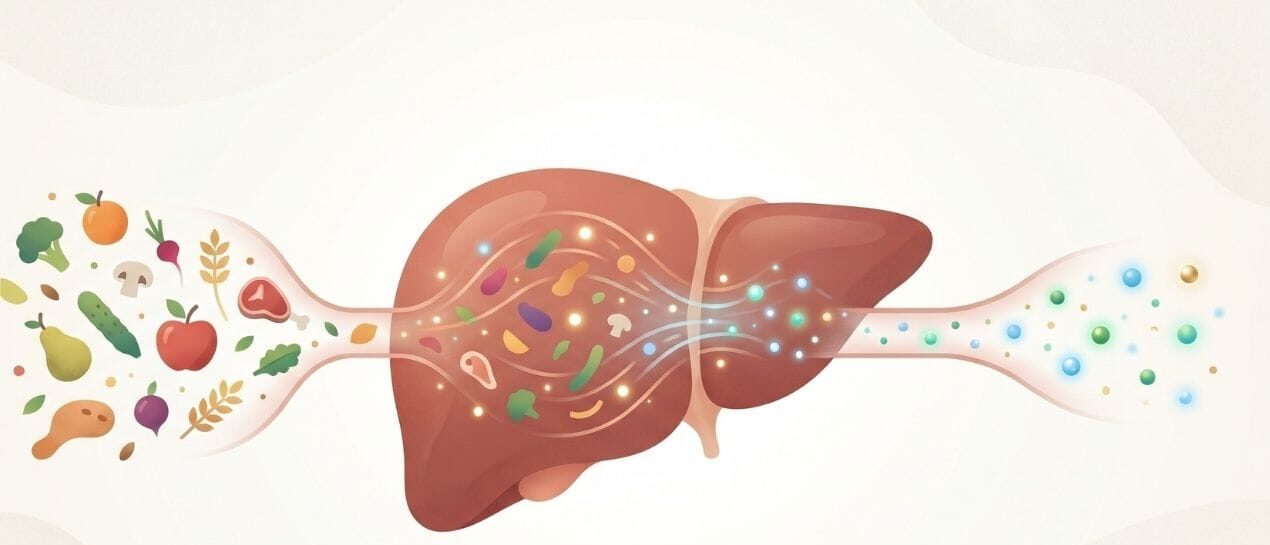
Your liver acts as your body’s primary processing plant, handling three major functions that directly impact hair health.
- First, it filters toxins from your blood, keeping harmful substances from reaching hair follicles.
- Second, it regulates hormones that influence hair growth cycles.
- Third, it stores and distributes essential nutrients your hair needs to grow strong.
When liver function declines, these processes slow down or become inefficient. Toxins may accumulate, hormones fall out of balance, and nutrients fail to reach their destinations. Hair follicles, particularly sensitive to these changes, often show early signs of distress through increased shedding or slower growth.
The liver also produces proteins vital for hair structure. Since hair consists primarily of keratin protein, any disruption in protein synthesis affects hair quality. Research confirms that liver disease patients frequently experience hair changes, supporting this biological connection.
Understanding these factors influencing hair growth helps explain why liver health matters more than most people realize.
Can Liver Issues Really Cause Hair Loss?
Can liver issues cause hair loss through biological mechanisms? Yes, research indicates several pathways where liver dysfunction may trigger hair problems. The liver’s reduced ability to synthesize proteins directly impacts keratin production, weakening hair structure. Additionally, impaired detoxification allows harmful substances to accumulate, potentially damaging hair follicles.
Nutrient deficiencies often accompany liver problems. The organ stores vitamins A, D, E, K, and B12, plus minerals like iron and zinc – all essential for healthy hair. When storage or distribution fails, hair follicles receive inadequate nutrition.
Hormone imbalances represent another significant factor. The liver metabolizes excess hormones, particularly estrogen and androgens. When this process slows, hormone buildup may disrupt normal hair growth cycles, leading to thinning or excessive shedding.
While more research continues, current evidence strongly suggests liver and hair loss connections exist through multiple biological pathways.
Signs Your Hair Loss Might Be Linked to Liver Health
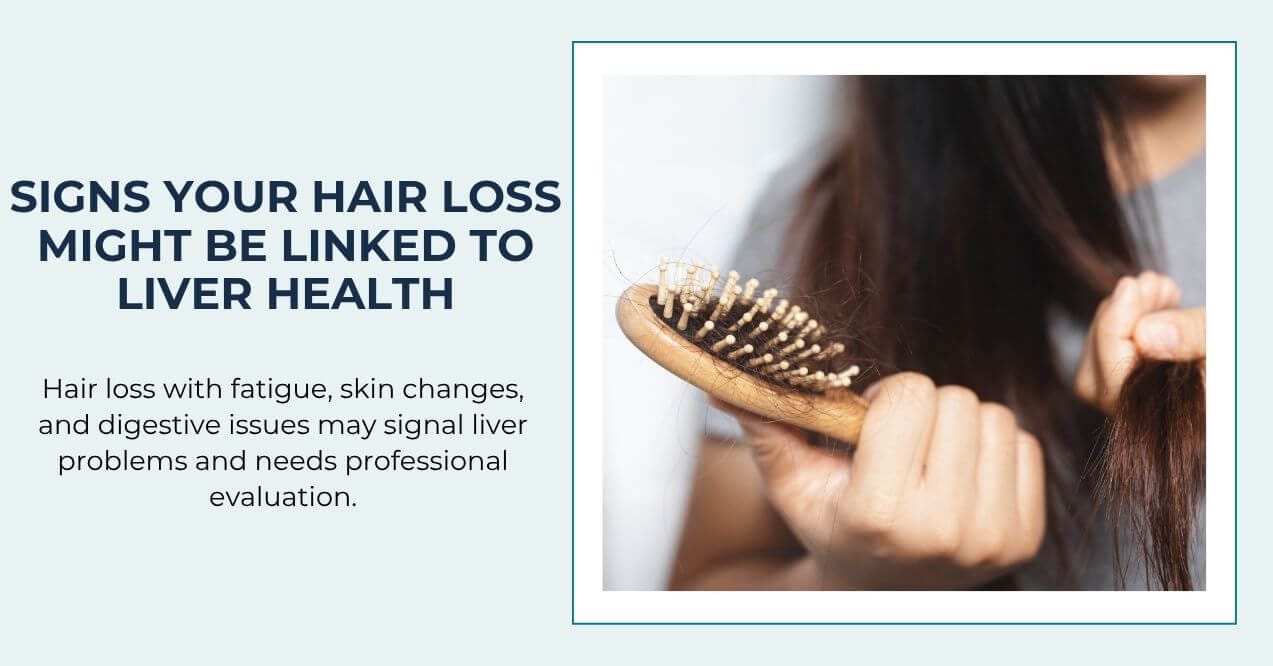
Recognizing when hair loss stems from liver issues requires observing multiple symptoms together. Hair problems rarely occur alone when the liver struggles. Watch for these combined warning signs:
- Unexplained fatigue alongside hair thinning – feeling tired despite adequate rest
- Skin changes including yellowing, itching, or unusual bruising
- Nail abnormalities such as white coloring, brittleness, or slow growth
- Digestive troubles like bloating, nausea, or appetite loss
- Abdominal discomfort particularly in the upper right area
These symptoms appearing together suggest your liver might need attention. Hair loss accompanied by only one or two signs could indicate other causes. However, multiple symptoms warrant professional evaluation to assess liver function properly.
Liver Conditions That May Affect Hair Growth
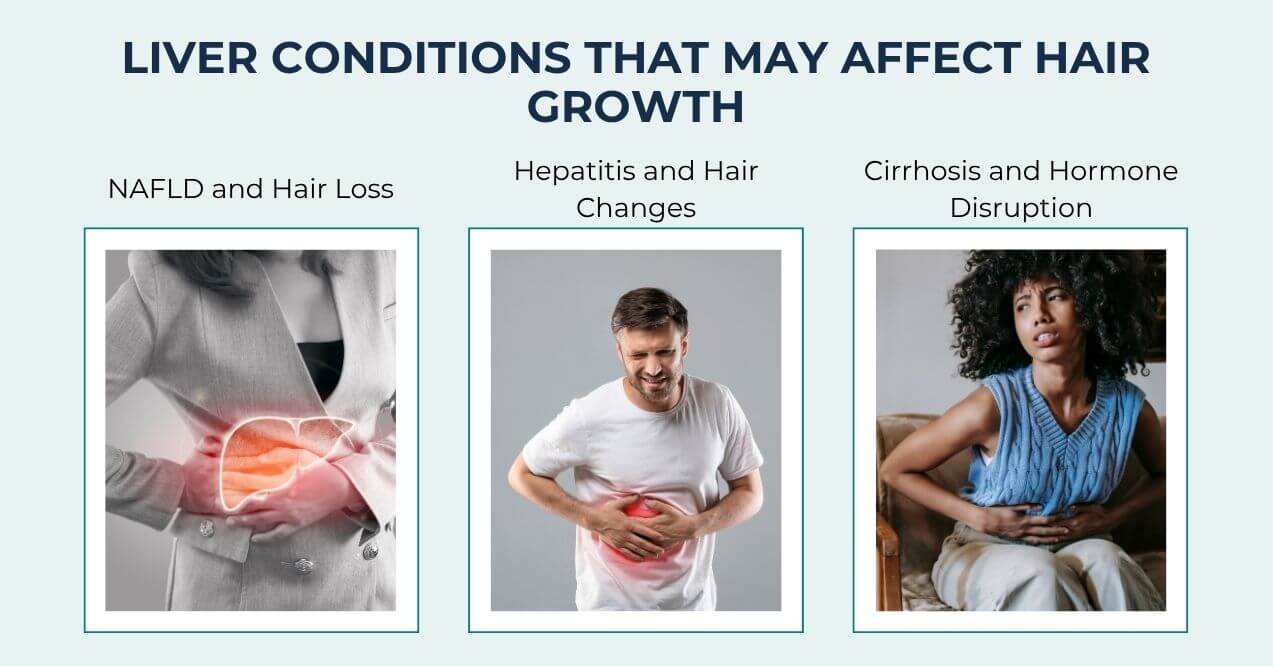
Different liver conditions impact hair through varying mechanisms. Understanding these distinctions helps identify potential connections between liver health and hair changes. The following table summarizes key conditions and their effects:
NAFLD and Hair Loss
Non-alcoholic fatty liver disease is quite common among people with hair loss, making it increasingly common. This condition creates chronic inflammation that may disrupt hair follicle function. Metabolic stress from NAFLD often depletes B-vitamins and minerals essential for hair growth.
Additionally, NAFLD frequently accompanies insulin resistance, which independently affects hair health. The combination creates an environment where hair follicles struggle to maintain normal growth cycles.
Hepatitis and Hair Changes
Chronic hepatitis infections stress the entire body, potentially triggering temporary hair shedding called telogen effluvium. The immune system’s response to viral infection diverts resources away from hair growth. Some hepatitis medications may also contribute to hair thinning as a side effect.
In some cases, hair regrowth has been observed following improved liver health, though results vary.
Cirrhosis and Hormone Disruption
Advanced cirrhosis severely impairs the liver’s ability to regulate hormones and produce proteins. Estrogen levels often rise while testosterone processing becomes irregular. These hormonal shifts directly impact hair growth patterns. Severe protein deficiency in cirrhosis patients frequently manifests as brittle, thinning hair that breaks easily.
The Role of Nutrient Deficiencies in Liver-Linked Hair Loss
Liver dysfunction creates a cascade of nutritional problems that directly affect hair health. The organ stores fat-soluble vitamins and helps process water-soluble ones. When storage capacity diminishes or metabolism slows, hair follicles suffer from inadequate nutrition. Iron deficiency particularly impacts those with liver issues, as the organ produces hepcidin, which regulates iron absorption.
B-vitamin depletion occurs frequently in liver conditions. These vitamins, especially biotin and B12, support keratin production and cellular energy in hair follicles. Natural sources include eggs, leafy greens, and legumes. However, absorption may remain poor until liver function improves.
Zinc deficiency also appears commonly, affecting both immune function and hair growth. The mineral helps regulate hormone levels and supports protein synthesis. Foods rich in zinc include pumpkin seeds, grass-fed beef, and chickpeas. Ensuring adequate intake of these nutrients through whole foods provides the foundation for healthier hair.
Toxins, Hormones, and Hair Follicles
When your liver struggles to filter efficiently, toxins accumulate in your bloodstream. These substances may damage hair follicles directly or interfere with their normal growth cycles. Environmental pollutants, alcohol byproducts, and metabolic waste all require liver processing. Without proper filtration, these compounds circulate longer, potentially reaching scalp tissues.
Hormone regulation presents another challenge. The liver metabolizes excess estrogen and helps balance androgen levels. Poor liver function may lead to hormone buildup, particularly problematic for those sensitive to DHT (dihydrotestosterone). This androgen metabolite shrinks hair follicles when present in excess.
Modern lifestyle factors compound these issues. Excessive energy drinks and hair loss connections exist partly because caffeine overload taxes liver function. The organ must process high amounts of caffeine while managing other metabolic demands. Supporting your liver means moderating intake of substances that create extra work for this vital organ.
How to Support Liver and Hair Health Together
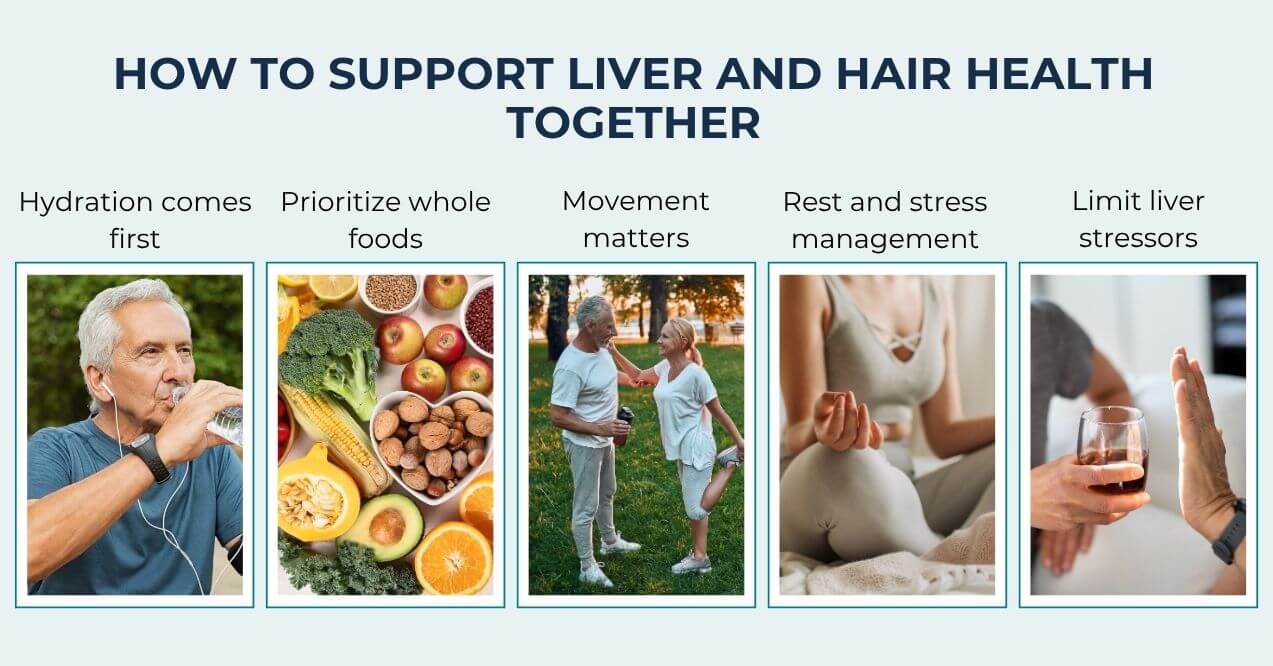
Supporting both organs requires a comprehensive approach focusing on sustainable lifestyle changes:
Hydration comes first. Aim for 8-10 glasses of water daily to help flush toxins and support cellular function in both liver and hair follicles.
Prioritize whole foods. Load your plate with colorful vegetables, particularly leafy greens and cruciferous options like broccoli. These provide antioxidants and fiber that support liver detoxification. Include quality proteins from fish, poultry, or plant sources to supply amino acids for hair growth.
Movement matters. Regular physical activity improves circulation to the scalp while helping the liver process fats more efficiently. Even 30 minutes of walking daily makes a difference.
Rest and stress management play vital roles too. Poor sleep disrupts hormone balance and impairs liver regeneration. Natural remedies like olive oil for hair growth may complement these lifestyle changes by nourishing the scalp while you focus on internal health.
Limit liver stressors including alcohol, processed foods, and unnecessary medications. These substances require extensive liver processing, diverting resources from other functions.
Best Supplements to Support Liver and Hair Health
Targeted nutritional support may complement a wellness routine that already includes balanced meals, hydration, sleep, and regular physical activity. For liver wellness support, PureHealth Research’s liver health supplements feature physician-developed blends with ingredients commonly studied for antioxidant support and general liver health.
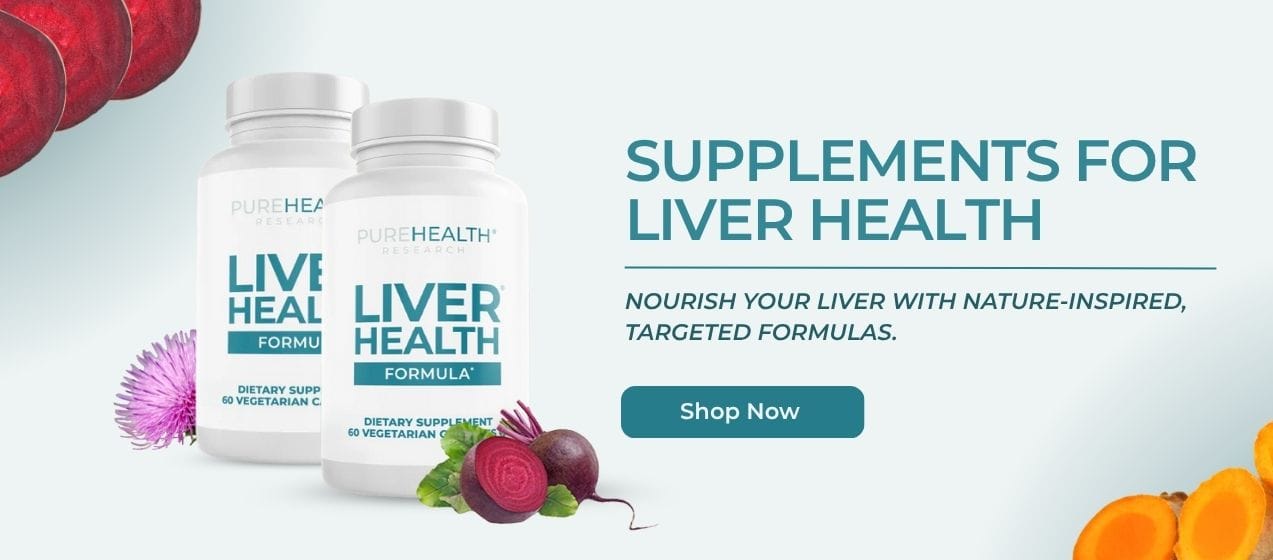
Key compounds across the collection include milk thistle, turmeric root, dandelion root, and zinc, each selected to help support everyday wellness as part of a healthy lifestyle.
Milk thistle and turmeric are commonly included in liver wellness formulas for their antioxidant properties, while dandelion root has a long history of traditional use in digestive wellness. Zinc is an essential mineral involved in normal protein synthesis and many everyday biological processes, including those related to general hair wellness.
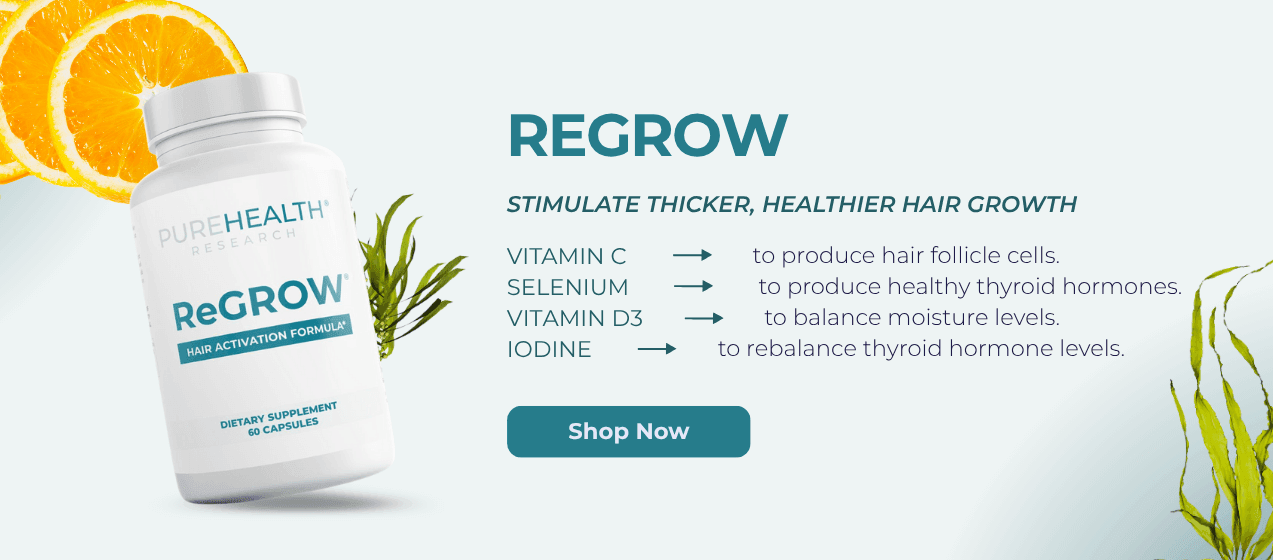
Because overall wellness, nutrient status, and hormonal balance can all play roles in hair health, some people choose to pair liver wellness support with hair-focused nutritional support. ReGrow Hair Activation Formula offers a complementary option with nutrients such as vitamin C, selenium, vitamin D3, and iodine, which help support general nutritional status and normal wellness processes related to hair health.
Quality and ingredient standardization matter when selecting any supplement. A thoughtful supplement choice often starts with formulas that use clearly listed ingredients, responsible serving sizes, and compounds selected based on published research.
When to Talk to a Professional
Certain symptoms signal the need for medical evaluation rather than self-care alone. Seek professional guidance if you experience:
- Rapid hair loss occurring over weeks rather than months
- Yellowing of skin or eyes (jaundice)
- Persistent abdominal pain or swelling
- Unexplained weight changes
- Severe fatigue affecting daily activities
Healthcare providers can run specific tests to assess liver function, including enzyme levels and imaging studies. They may also evaluate thyroid function, iron levels, and other factors contributing to hair loss. Early intervention often produces better outcomes for both liver health and hair regrowth.
Professional guidance becomes especially important if you take medications or have existing health conditions. Some treatments for liver issues may temporarily affect hair growth, making monitoring essential.
Conclusion
The connection between liver health and hair growth reveals how interconnected our body systems truly are. While genetics and aging remain primary factors in hair loss, liver function deserves consideration when unexplained thinning occurs alongside other symptoms.
Supporting your liver through nutrition, lifestyle choices, and appropriate supplementation may benefit both organs. Most importantly, listening to your body’s signals and seeking professional guidance when needed ensures you address root causes rather than just symptoms.
Early signs include gradual hair thinning combined with persistent fatigue, digestive issues, brittle nails, or skin changes. These symptoms appearing together suggest potential liver involvement requiring professional evaluation.
Improved liver function may support better nutrient balance and hormone regulation, potentially contributing to healthier hair growth. Results vary based on individual circumstances and underlying causes of hair loss.
Biotin, zinc, iron, and vitamin E rank among the most vital nutrients. These support protein synthesis, hormone balance, and cellular health in both organs.
Yes, well-formulated supplements designed for liver and hair support can work together safely. Choose science-backed products and consult healthcare professionals about your specific needs.
Liver recovery time varies greatly depending on the condition and individual factors. Minor improvements may occur within weeks, while significant regeneration can take several months with consistent healthy habits.

Advertisement. This site offers health, wellness, fitness and nutritional information and is designed for educational purposes only. You should not rely on this information as a substitute for, nor does it replace, professional medical advice, diagnosis, or treatment. If you have any concerns or questions about your health, you should always consult with a physician or other health-care professional. Do not disregard, avoid or delay obtaining medical or health related advice from your health-care professional because of something you may have read on this site. The use of any information provided on this site is solely at your own risk.
Related Articles
How to Make Your Liver Healthy Again: The Complete 7-Step Guide
Written by Karolina Rutkute | August 5, 2026

What Your Liver Blood Tests Actually Mean (Beyond “Normal”)
Written by Laura Kraujalyte | July 29, 2026

Liver Health by the Numbers: What the Research Actually Shows
Written by Laura Kraujalyte | July 29, 2026

Can Stress Cause Elevated Liver Enzymes?
Written by Karolina Rutkute | May 7, 2026

What is the Function of the Liver? 5 Essential Roles Explained
Written by Karolina Rutkute | May 2, 2026
Liver Detox Symptoms: Signs, Timelines, and What to Expect
Written by Karolina Rutkute | April 30, 2026