14 Warning Signs of Liver Damage You Shouldn’t Ignore
What are the warning signs of liver damage? Liver-related symptoms may include yellowing of the skin or eyes, fluid retention, unusual bruising, fatigue, or appetite changes. Because these signs can have many causes, new, persistent, or worsening symptoms should be discussed with a qualified healthcare professional.



 On This Page:
The liver is one of the body’s most versatile organs, supporting hundreds of biological processes related to metabolism, filtration, digestion, and hormone regulation. Because the liver has several functions that run quietly in the background every day, changes in liver health may sometimes appear in different areas of the body.
Recognizing possible warning signs of liver damage can help people know when to seek medical guidance. Some signs may be subtle, such as a persistent change in skin tone, unexplained fatigue, or shifts in urine color, while others may be more noticeable and warrant prompt medical attention. Knowing what to watch for can make it easier to take informed action, including learning everyday ways for how to make your liver healthy again as part of a broader wellness routine.
The 14 signs outlined below cover a range of possible body responses, from changes involving the skin and digestion to symptoms related to fluid balance or mental clarity. Because these signs can have many causes, they should not be used for self-diagnosis. Read on to learn what may deserve attention.
Warning Signs of Liver Damage
Your body presents with warning signs of a damaged liver when it’s overworked or struggling to perform its vital functions. When you know the early warning signs of liver failure, it will be easier to get your liver back on track so you can get back to living an energized, healthy life.
1. Skin Changes
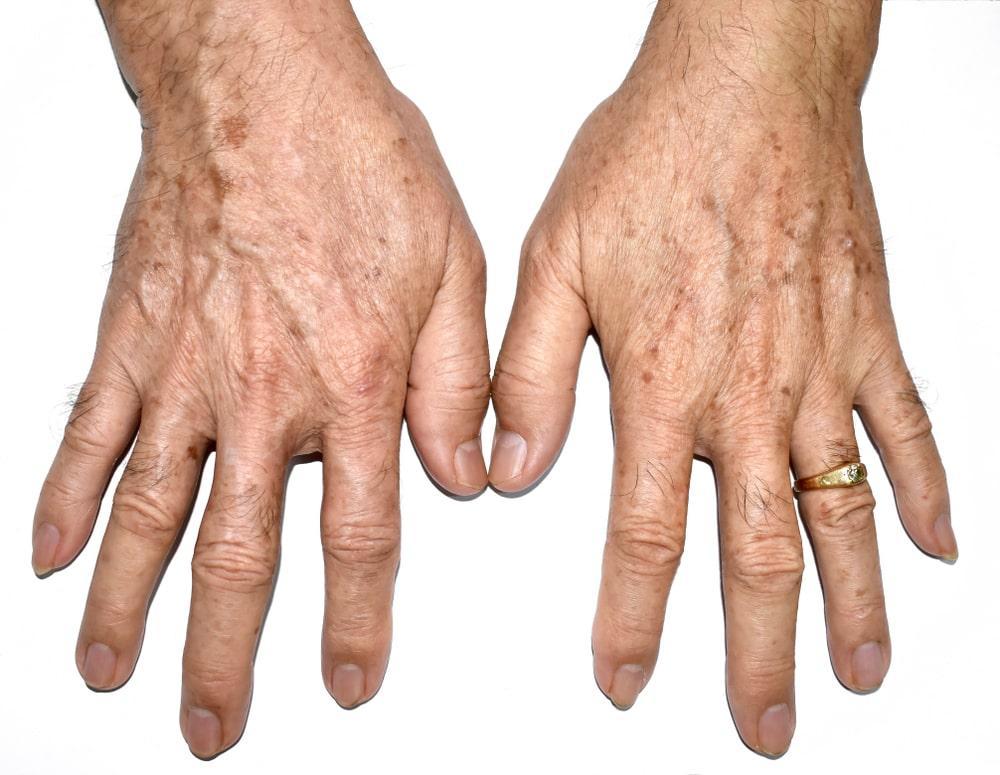
One of the warning signs of liver damage is irritated skin, often presenting through itchy, flaky rashes. Of course, skin rashes can be caused by many things but if you’re experiencing them in addition to other signs on this list, it could be one of the many warning signs of liver damage. These rashes can lead to ulcers, which are exacerbated because of the digestive issues associated with both late- and early-stage liver damage.
Some people also suffer from premature wrinkles all over their skin. Liver spots are also common, showing up as brown spots on the face and body. Because of the buildup of toxins, people suffering from liver damage may also suffer from adult acne.
2. Spider Angiomas
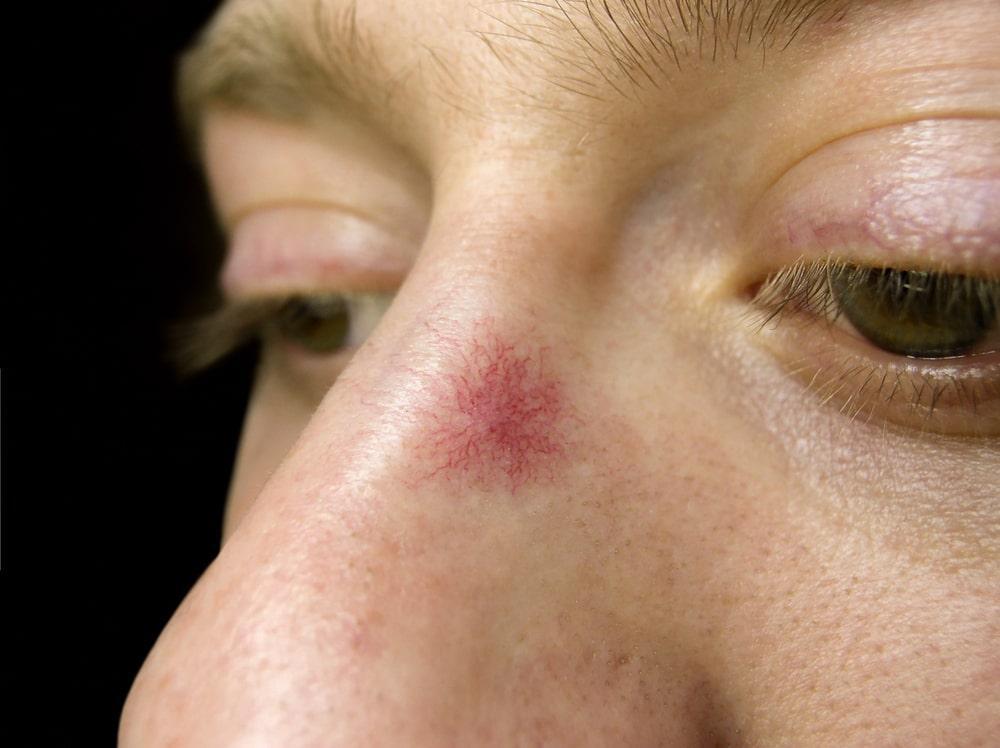
These are also called spider veins. When small capillaries underneath your skin break, they show up as spider-like appearances on the skin. The reason that these are caused by a malfunctioning liver is that the liver can’t properly metabolize estrogen, which helps the circulatory system function properly. They are often found on the face, chest, or abdomen and may be a warning sign of liver damage.
3. Bruising and Bleeding
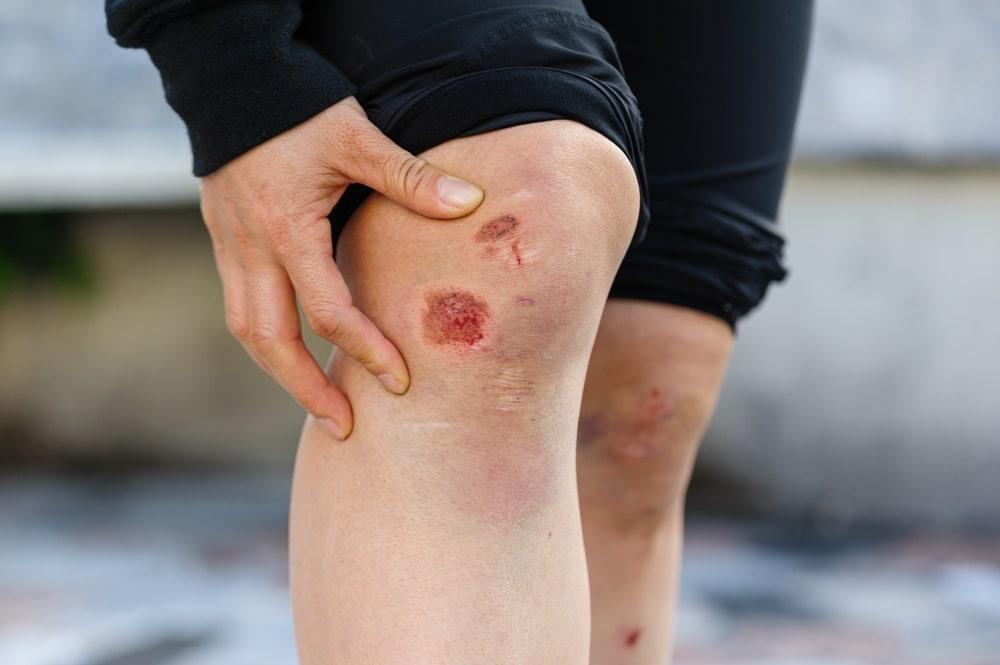
Easy bruising or bleeding, such as nosebleeds or bleeding gums, can be a warning sign of liver damage. The liver provides essential blood-clotting proteins. So, when your liver isn’t working well, you’re more prone to bruising and excessive bleeding.
4. Swollen Feet
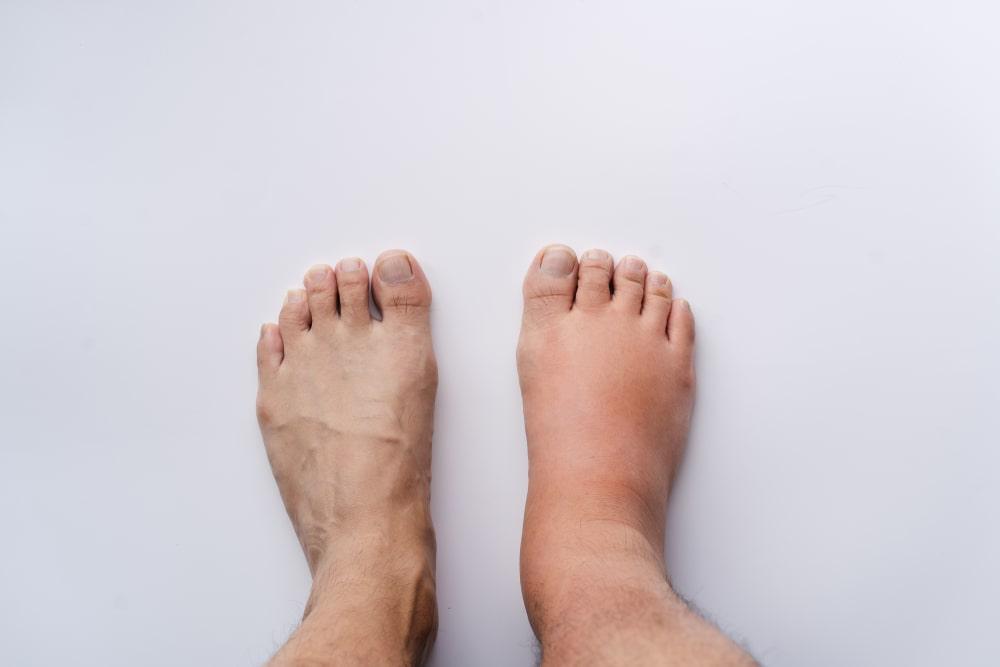
Fluid retention is caused by liver damage, which makes the feet swell and become quite uncomfortable. When it becomes serious, it turns into a condition called edema. Swollen feet due to retained fluid are a symptom of liver damage because the liver isn’t producing certain proteins—particularly albumin—which help regulate fluid levels in the body.
5. Abdominal Pain and Swelling
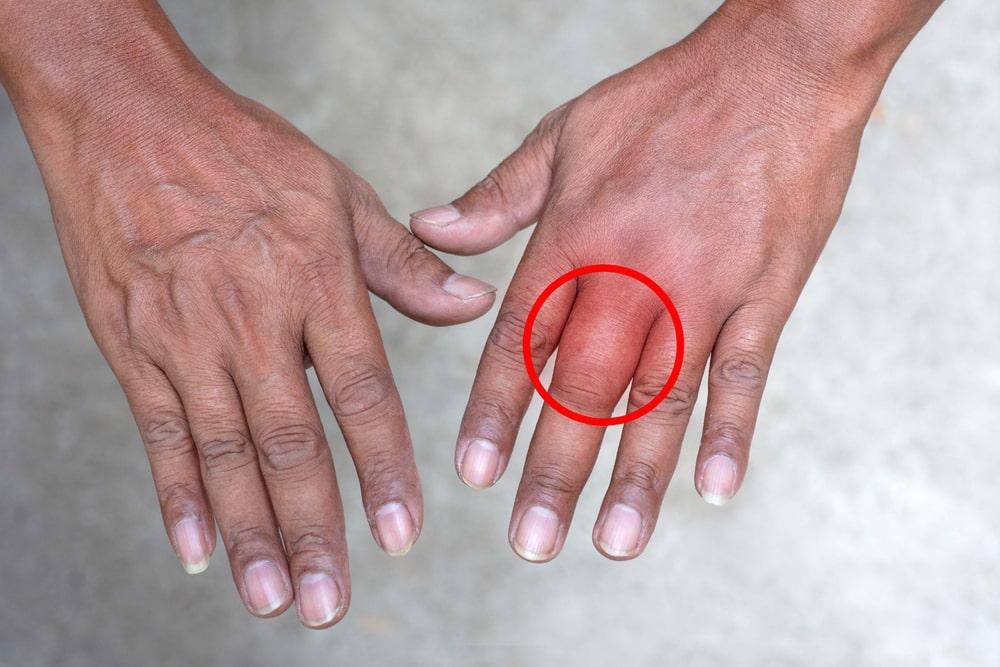
When the liver malfunctions, it causes an imbalance of protein that causes fluid build-up in the liver. This can result in a serious condition called ascites, which gives people a significantly protruding belly, sometimes in conjunction with swollen arms, feet, and ankles. Ascites is often concurrent with cirrhosis.
Of course, this fluid-filled abdomen causes pain as your other organs are squished and your liver struggles. If you feel recurrent throbbing or stabbing pains in the abdomen, it could be a warning sign of liver damage. See a doctor right away.
6. Vomiting with Blood

A malfunctioning liver can’t appropriately eliminate toxins from the body. Thus, your digestive system is thrown off, with many people experiencing nausea or upset stomach. Some people experience bouts of vomiting tinged with blood. The blood comes from varicose veins in the stomach and/or esophagus. It is important to seek medical attention immediately if you experience this symptom.
7. Disturbed Sleep

Once liver damage develops into cirrhosis, it can cause sleep struggles. Cirrhosis makes people more susceptible to obstructive sleep apnea, or OSA—four times more likely. When the toxins in the blood get to such a high level that sleep is greatly disturbed, the combination can even cause someone to go into a coma.
8. Appetite Changes

Since liver damage is associated with digestive struggles, people often feel that they don’t have as much of a regular appetite, which can then lead to excessive weight loss. Not only that, but the liver struggles to metabolize and absorb nutrition, which can mean further health issues.
9. Jaundice
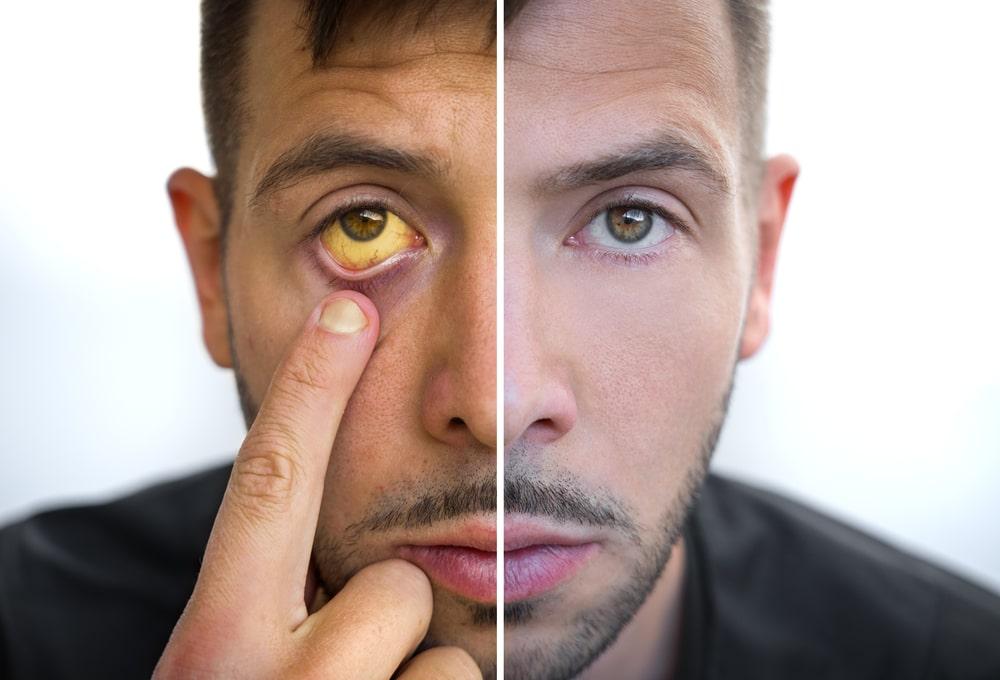
Since the liver is responsible for filtering toxins from the body, a liver that isn’t functioning properly causes toxins to be stored in the bile. This makes the bile pigment bilirubin remain at excess levels, which causes the skin and eyes to yellow. Jaundice is often accompanied by darker urine and lighter-colored stool.
10. Urinary Issues
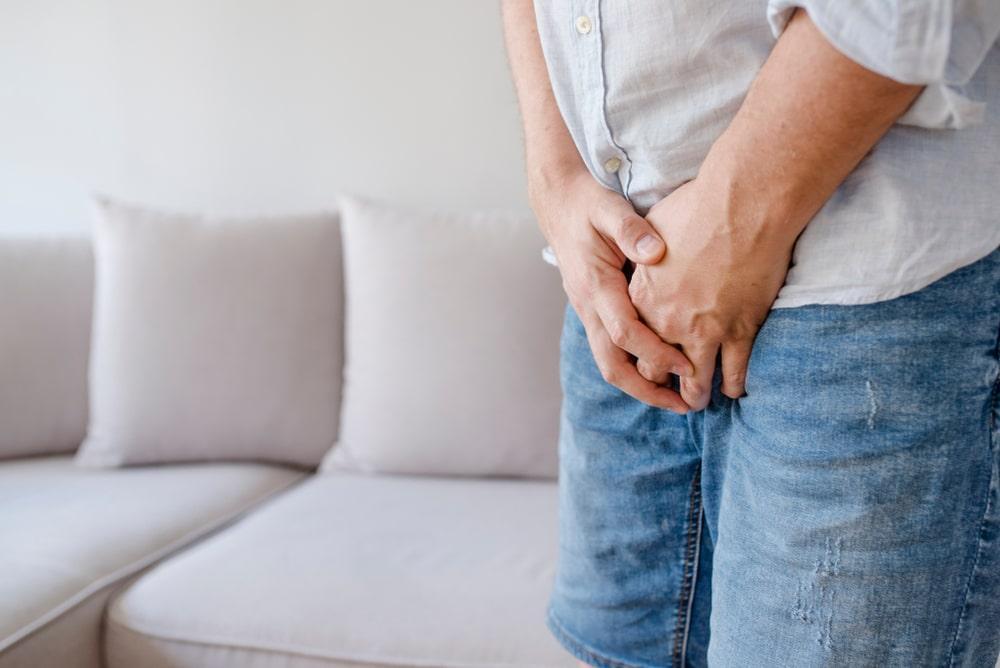
Dark urine isn’t the only urinary problem associated with warning signs of liver disease. When toxins build up in the body and can’t be expelled through the urine, it leads to toxicity that causes neurological impairments, including seizures and uncontrollable eye movements, reflexes, and other bodily functions.
11. Stool Problems

Most people experience constipation here and there during their lifetime. Changes in the color or consistency of your stool can be a warning sign of liver damage. This may be due to the liver’s role in processing and excreting bile, which is necessary for proper digestion.
12. Water Retention
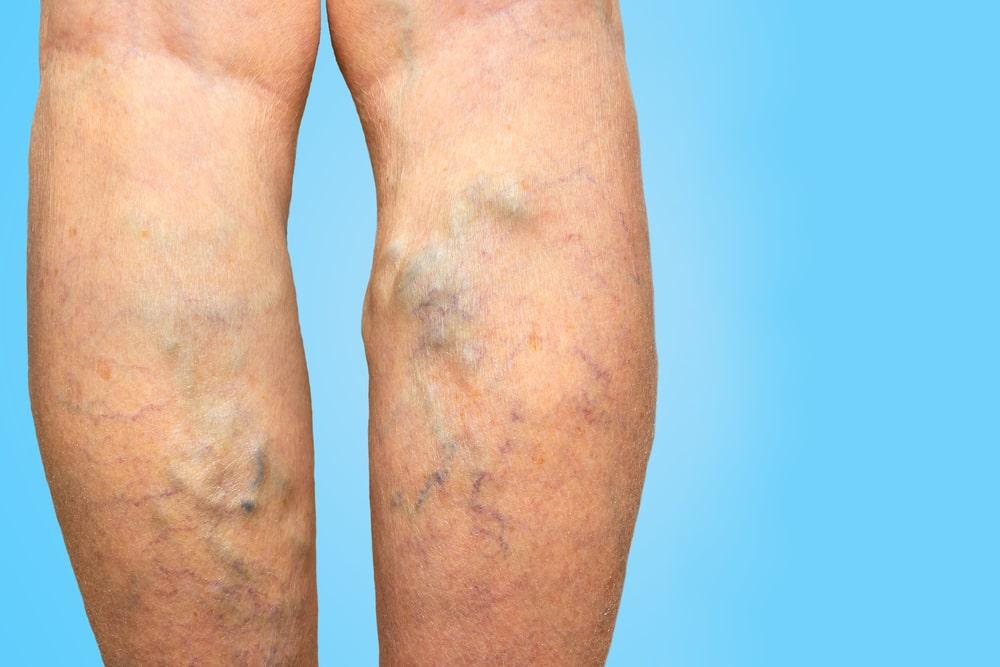
The liver’s main functions are all closely connected. As we mentioned in the abdominal swelling sign, when the liver doesn’t synthesize proteins correctly it causes problems. These problems also affect the circulatory system, which is responsible for maintaining appropriate water levels in the body.
Since gravity naturally works on body fluids, the excess water is pulled into the legs and feet. Diuretics can help, but sometimes surgery is necessary. This makes it even more important to recognize early warning signs of liver damage.
13. Personality Changes

Most people wouldn’t think that personality changes would be one of the warning signs of liver damage, but when your liver isn’t functioning properly it can mean cognitive struggles, too. These include confusion, trouble focusing, and loss of concentration. Since sleep disruptions are also a sign of liver damage, these personality changes also come with forgetfulness and lack of energy.
14. Fatigue and Weakness

When the liver is in its early stages of liver damage, many people become weak or fatigued easily. This can often be taken as the result of regular everyday stress, but if it’s combined with one or more symptoms from the rest of the 14 warning signs of liver damage, you should make an appointment with your practitioner. Read our article about the 4 stages of liver disease and learn more!
Prevention of Liver Diseases
Diet and hydration form the foundation of liver wellness, and supplementation can complement those habits by providing botanicals commonly used in daily wellness routines. PureHealth Research’s natural liver health supplements are built around ingredients selected for their roles in antioxidant support, digestive wellness, and normal metabolic processes.

They may also fit into a broader routine that includes balanced nutrition, regular movement, and educational resources such as a 3-day liver cleanse diet or ways to improve liver function through everyday habits.
Key ingredients across the collection include Milk Thistle, standardized for silymarin; Turmeric Root, a source of curcumin; Dandelion Root; Artichoke Extract; and the amino acids L-Cysteine and Glycine.
These ingredients are commonly studied for their potential roles in antioxidant support, digestive wellness, and general liver health support. L-Cysteine and Glycine are also involved in the body’s natural production of glutathione, an antioxidant that helps support cellular health.
| Ingredient | Wellness Role | Evidence Note |
| Milk Thistle, Silymarin | Antioxidant and liver wellness support | Supported by human and preclinical research |
| Turmeric Root, Curcumin | Antioxidant support and healthy inflammatory response | Supported by human and laboratory research |
| Dandelion Root | Digestive wellness support | Traditional use and emerging research |
| Artichoke Extract | Digestive and liver wellness support | Supported by human and preclinical research |
| L-Cysteine | Glutathione and antioxidant support | Mechanistic and human research |
| Glycine | Cellular and metabolic wellness support | Mechanistic and human research |
All formulas are gluten-free, dairy-free, soy-free, and non-GMO, and are manufactured in an SQF-certified, FDA-registered facility.
The collection includes both multi-ingredient formulas and single-ingredient extracts, making it a practical fit for people looking to complement healthy routines, whether their focus is broad daily support or a specific ingredient preference.
Final Thoughts
Your liver is responsible for detoxifying, metabolizing, filtering, synthesizing, and storing nutrients. These are crucial jobs that can’t be performed properly when the liver has to work too hard to filter out toxins and chemicals. You can take steps to ensure a healthy liver, though, such as adding a supplement and eating a healthy diet. If you notice any warning signs of liver damage, you must see a doctor right away.
The liver filters the blood, detoxifies the body from food, alcohol, and environmental toxins, produces enzymes for digestion, synthesizes protein, and stores and releases key nutrients and minerals.
Liver damage can cause skin changes due to the buildup of toxins, leading to symptoms like itchy rashes, liver spots, premature wrinkles, and acne.
The liver produces essential blood-clotting proteins, so when it’s not functioning well, there’s an increased tendency for easy bruising and excessive bleeding.

Advertisement. This site offers health, wellness, fitness and nutritional information and is designed for educational purposes only. You should not rely on this information as a substitute for, nor does it replace, professional medical advice, diagnosis, or treatment. If you have any concerns or questions about your health, you should always consult with a physician or other health-care professional. Do not disregard, avoid or delay obtaining medical or health related advice from your health-care professional because of something you may have read on this site. The use of any information provided on this site is solely at your own risk.
Related Articles
7 Signs of Liver Detox Working
Written by Karolina Rutkute | September 23, 2026

Why Does My Liver Hurt When I Run?
Written by Karolina Rutkute | September 2, 2026

How to Make Your Liver Healthy Again: The Complete 7-Step Guide
Written by Karolina Rutkute | August 5, 2026

What Your Liver Blood Tests Actually Mean (Beyond “Normal”)
Written by Laura Kraujalyte | July 29, 2026

Liver Health by the Numbers: What the Research Actually Shows
Written by Laura Kraujalyte | July 29, 2026

Can Stress Cause Elevated Liver Enzymes?
Written by Karolina Rutkute | May 7, 2026