What Tea Is Good for Liver and Kidneys? 6 Best Options
What tea is good for the liver and kidneys? Green tea, matcha, ginger tea, turmeric tea, and other herbal teas contain plant compounds that may support antioxidant intake, hydration, and overall wellness. This article highlights six teas that can fit into a balanced liver and kidney conscious routine.



 On This Page:
The liver carries out hundreds of important functions, from processing nutrients and supporting fat metabolism to producing bile acids for digestion. The kidneys also support overall wellness by helping maintain fluid and electrolyte balance and the body’s normal waste-removal processes.
Plant compounds found in herbal teas, including polyphenols, gingerols, and curcuminoids, have been studied for their antioxidant properties and potential role in general liver and kidney wellness. Some teas may also contribute to hydration, which supports normal fluid balance. The six teas below are commonly discussed in published research and can fit into a balanced wellness routine.
For a more structured approach, a 3-day liver-conscious diet plan may help pair hydration, balanced meals, and supportive habits. Read on to see which teas may be worth adding to your routine.
Liver Health Supplements From PureHealth Research
Some of the same botanical ingredients found in wellness teas also appear in liver health supplements from PureHealth Research. The collection is designed to complement healthy habits such as balanced nutrition, hydration, and regular movement while supporting general liver wellness.

Key ingredients across the collection may include Milk Thistle, standardized for silymarin; Turmeric Root, a source of curcumin; Dandelion Root; Artichoke Extract; L-Cysteine; and Glycine. These ingredients are commonly studied for their roles in antioxidant support, digestive wellness, and normal metabolic processes.
L-Cysteine and Glycine are amino acids involved in the body’s natural production of glutathione, an antioxidant that supports cellular health.
| Ingredient | Primary Role | Evidence Type |
| Milk Thistle, Silymarin | Antioxidant and liver wellness support | Supported by human and preclinical research |
| Turmeric Root, Curcumin | Antioxidant support and healthy inflammatory response | Supported by human and laboratory research |
| Dandelion Root | Digestive wellness support | Traditional use and emerging research |
| Artichoke Extract | Digestive and liver wellness support | Supported by human and preclinical research |
| L-Cysteine | Glutathione and antioxidant support | Mechanistic and human research |
All formulas in the collection are gluten-free, dairy-free, soy-free, and non-GMO, and are manufactured in an SQF-certified, FDA-registered facility. The collection includes both multi-ingredient formulas and single-ingredient extracts, giving consumers options that can fit different wellness routines, ingredient preferences, and broader education around signs of healthy livers.
What Tea Is Good for Liver and Kidneys?
Herbal teas are another natural way to cleanse the liver. But what tea is good for cleansing your liver and kidneys? Some of the best options for liver cleansing include green, ginger, matcha, dandelion, turmeric, and peppermint.
Humans have been taking these drinks for thousands of years for refreshment and due to their restorative properties. But what tea is good for the liver and kidneys? Various herbal teas have properties that can help flush out toxins and cellular waste byproducts from the liver and kidneys. Read on to discover the best teas for kidney and liver.
1. Green Tea
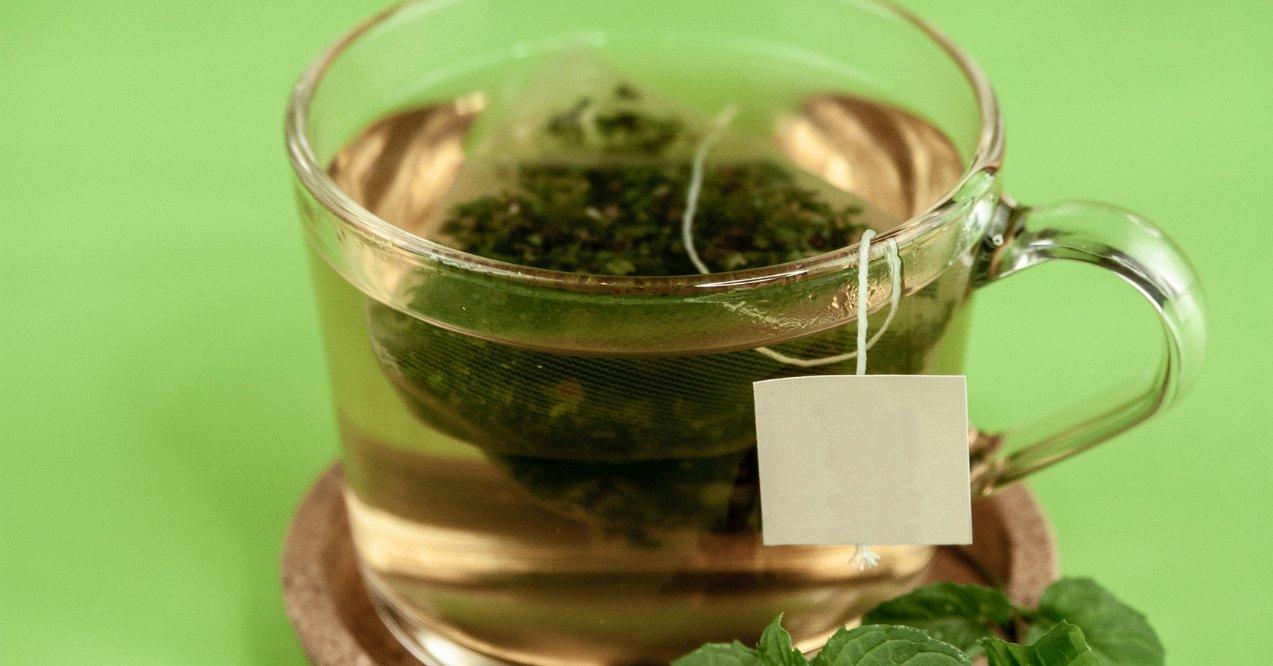
Green tea can be obtained from the leaves of the Camellia sinensis plant. This option is rich in antioxidants that neutralize free radicals in the body, diminishing oxidative stress and inflammation in the liver and kidneys. Research shows that consumption of green tea may reduce the risk of liver disease. Moreover, its diuretic effect may support kidney function by boosting urine production, thus reducing the formation of kidney stones.
How to Make Green Tea
- Boil clean water on high heat.
- Place your green tea teabag in a cup and pour the boiled water over it.
- Infuse the teabag for 4 minutes.
- Add honey to taste.
- Remove the tea bag and enjoy.
- Allow to cool, and add ice if you want to enjoy a cup of iced green tea.
Precautions
Consuming more than 8 cups of green tea per day is unsafe due to its caffeine content. The tea may also be unsafe for people with anemia and bleeding disorders.
2. Ginger Tea

So, what tea is good for the liver and kidneys? Studies show that ginger tea extracted from ginger root contains potent compounds that help inhibit inflammation and protect against cellular damage, thus supporting kidney and liver health. Like green tea, ginger tea also contains antioxidants that aid in protecting the liver and kidneys from damage caused by harmful molecules.
How to Make Ginger Tea
- Slice an inch piece of ginger root (no need to peel).
- Place in a small saucepan, and add one and a half cups of water.
- Cover and bring to boiling point over medium-high heat.
- Uncover, decrease the heat to medium-low, and simmer gently for 10 minutes.
- Pour the tea through a fine-mesh strainer into a mug.
- You can sweeten it with honey or squeeze a lemon into your tea if desired.
Precautions
Excessive consumption of ginger can result in heartburn, diarrhea, and abdominal discomfort. It’s therefore vital to take ginger tea in moderation. Ginger tea may also be unfavorable for people taking blood-thinning drugs or those who have bleeding disorders since it slows down blood clotting.
3. Black Tea

A study in rats found that black tea might be beneficial for liver and kidney protection. Like green tea, black tea is rich in antioxidants that aid in reducing oxidative stress and damage to the liver and kidneys. The antioxidants present in this drink may also alleviate chronic inflammation, which is a factor in developing and progressing liver and kidney diseases.
How to Make Black Tea
- Boil water until it reaches between 94-100°C.
- Add 2-3 grams of loose tea leaves to a tea strainer and place it in the kettle, or add the leaves to a teacup and pour boiling water over them.
- Let the tea rest for 3 to 5 minutes per your flavor preference.
- Strain the loose-leaf tea using a fine mesh strainer or cheesecloth.
- Add sweetener of choice (optional).
Precautions
Taking more than four or five cups of black tea can cause adverse effects such as nausea and vomiting, nervousness and restlessness, and difficulty sleeping. Each cup contains about 50–90 mg of caffeine – not far off the average 95 mg in an average cup of coffee.
4. Ginseng Tea
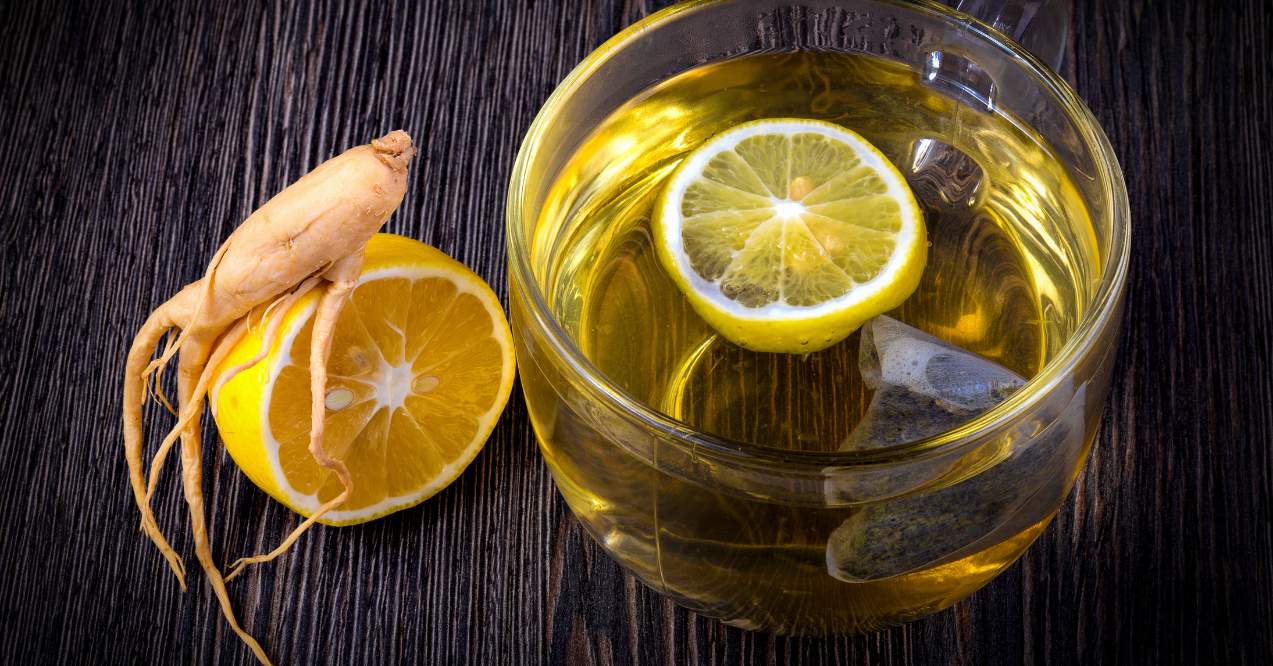
Ginseng tea, derived from the roots of the ginseng plant, is good for kidney function. One study performed on rats showed that ginseng tea can help adjust blood pressure and reduce blood sugar, which may be advantageous in the treatment of kidney damage in people with type 2 diabetes. What tea is good for the liver and kidneys? Ginseng tea is one of them.
How to Make Ginseng Tea
- Boil about a cup or two of water to about 98°C.
- Add about 4-5 grams of dried ginseng root.
- Steep the roots for about 5-10 minutes, maintaining the water at 98°C.
- Remove the roots using a strainer and store them for reuse.
- Add honey for sweetening (optional).
Precautions
It’s best to avoid taking more than 0.5-2 grams of ginseng daily since it might be bad for liver health when taken in excess. Additionally, it may interact negatively with some medicines, and it’s therefore important to consult a physician before taking it.
5. Matcha Tea
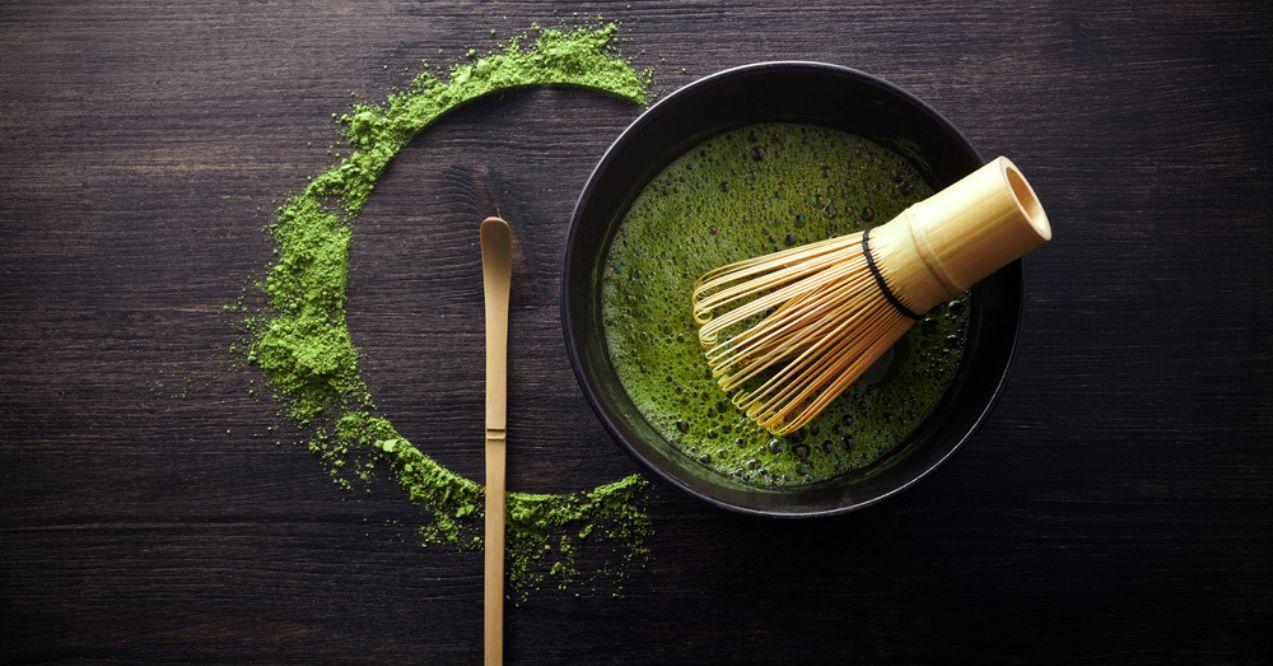
Matcha tea is another excellent tea for the kidney and liver and is one of the best teas for gut health. Like green tea, it is made from the leaves of Camellia sinensis plant. One study showed that matcha tea may promote your liver’s health by decreasing liver enzymes in people with nonalcoholic fatty liver disease (NAFLD).
How to Make Matcha Tea
- Scoop 1-2 teaspoons of matcha in powder form into a bowl.
- Add a small amount of hot water just below a boil (80°C).
- Whisk the contents vigorously in a “W” or “M” shape motion until the matcha dissolves and a frothy layer forms.
- Add more hot water if needed to achieve your desired strength and consistency.
- Add sweetener or milk for flavor enhancement.
- Serve in a cup.
Precautions
Drinking too much matcha tea may lead to difficulties when trying to fall asleep at night or tremors due to the high caffeine content. Drinking too much of this tea may also increase heart rates. As such, moderate consumption is key.
6. Curcumin Tea
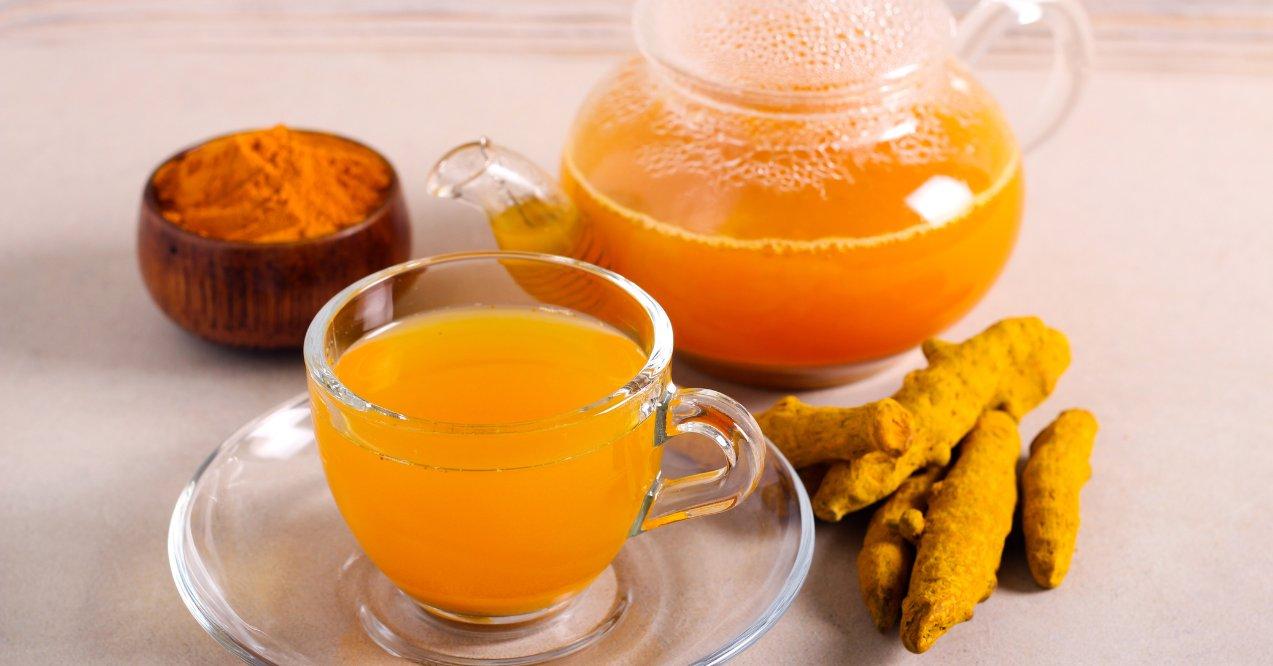
Curcumin is the name of the active compound found in turmeric. It contains both anti-inflammatory and antioxidant properties, making it very good for renal function. A recent study found that turmeric supplementation had favorable effects on renal diseases.
How to Make Curcumin Tea
- Mix half a teaspoon of ground turmeric with 1 cup water.
- Add other ingredients of choice, such as 1 tsp of cinnamon.
- Boil the mixture to boil at 100°C
- Steep for 10–15 minutes.
- Add the sweetener of choice (optional).
- Serve and enjoy.
Precautions
Turmeric has been found to make gallbladder problems worse, so avoid taking it if you have gallstones or suffer from bile duct obstruction. It might also slow blood clotting and cause an abnormal heart rhythm when consumed excessively.
Conclusion
The liver and kidneys are among the most essential organs in the body. Most other body functions take a hit when these organs do not operate optimally. Due to their role in filtering and eliminating waste from the body, the kidneys and liver can get overwhelmed with toxins.
While individual tolerance for tea varies, it’s best not to exceed a daily intake of 3-4 cups to avoid experiencing adverse effects. Additionally, it is recommended to consume in moderation if you are on medication. The best solution is to consult a healthcare professional before making significant dietary changes or starting new supplements for liver health.
Yes, even the best teas can damage your kidneys if taken without moderation. High-oxalate varieties, such as green and black tea, may especially contribute to kidney stone formation because oxalates bind with calcium in the kidneys, forming crystals that may lead to stones.
To support kidney and liver health, consider drinking plenty of water as adequate hydration is crucial. In addition, add herbal teas like ginger, green, ginseng, matcha, and turmeric teas, which contain antioxidants and anti-inflammatory properties essential for kidney and liver health.
While individual tolerance varies, moderate tea consumption is generally considered safe. Exceeding 3–4 cups (710–950 ml) per day could have some negative side effects. Some adverse side effects might include kidney stone formation, poor sleep, reduced iron absorption, and headaches.

Advertisement. This site offers health, wellness, fitness and nutritional information and is designed for educational purposes only. You should not rely on this information as a substitute for, nor does it replace, professional medical advice, diagnosis, or treatment. If you have any concerns or questions about your health, you should always consult with a physician or other health-care professional. Do not disregard, avoid or delay obtaining medical or health related advice from your health-care professional because of something you may have read on this site. The use of any information provided on this site is solely at your own risk.
Related Articles
7 Signs of Liver Detox Working
Written by Karolina Rutkute | September 23, 2026

Why Does My Liver Hurt When I Run?
Written by Karolina Rutkute | September 2, 2026

How to Make Your Liver Healthy Again: The Complete 7-Step Guide
Written by Karolina Rutkute | August 5, 2026

What Your Liver Blood Tests Actually Mean (Beyond “Normal”)
Written by Laura Kraujalyte | July 29, 2026

Liver Health by the Numbers: What the Research Actually Shows
Written by Laura Kraujalyte | July 29, 2026
Can Stress Cause Elevated Liver Enzymes?
Written by Karolina Rutkute | May 7, 2026