Is Castor Oil Good for Toenail Fungus? Fact vs. Fiction
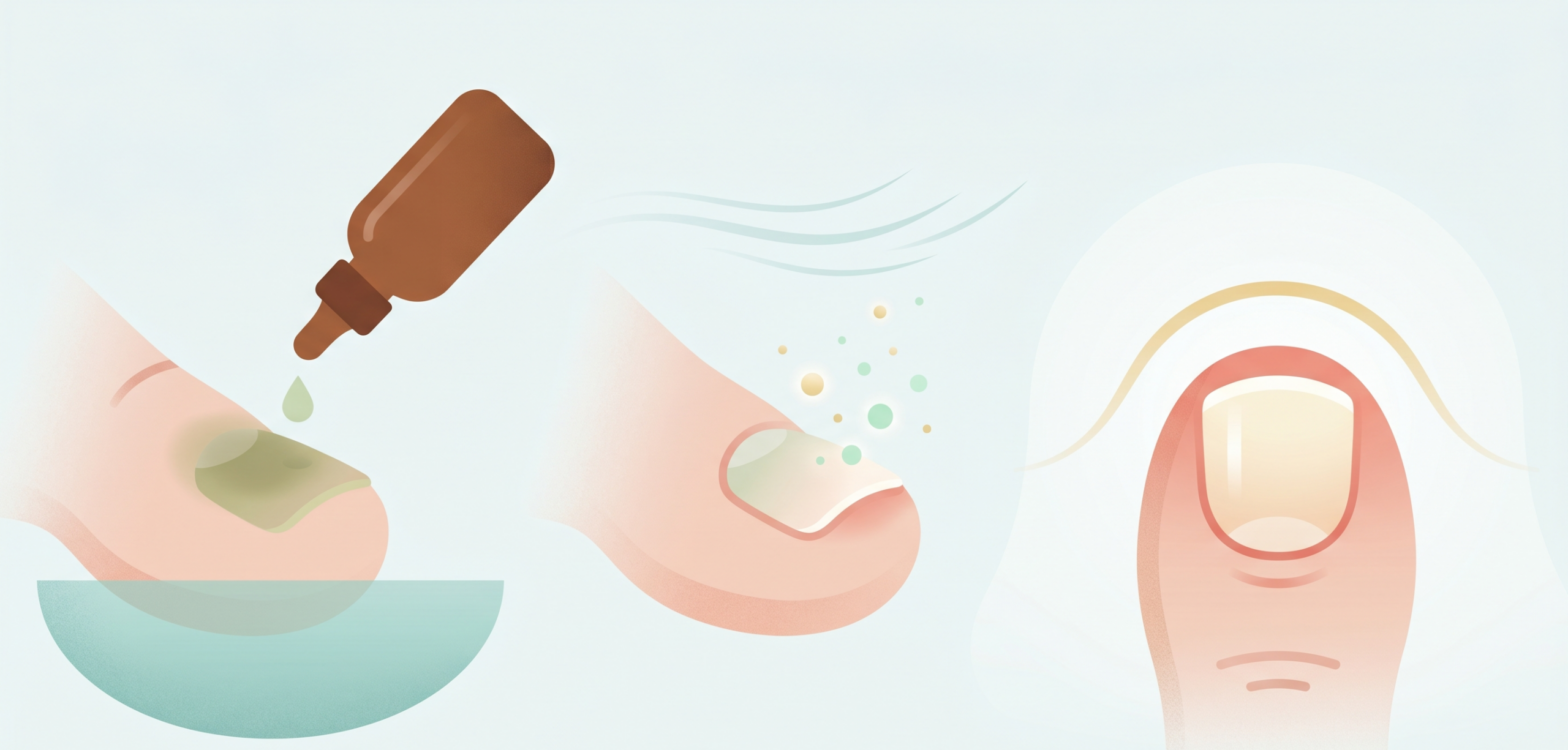
Is castor oil good for toenail fungus? While its fatty acids provide deep moisturization to support nail health, there is no clinical evidence that castor oil can eliminate fungal infections. For effective relief, it is best used alongside proven internal and external antifungal treatments.


 On This Page:
In the quest for natural health solutions, castor oil for toenail fungus has emerged as a topic of growing interest. As more people turn to their kitchen cabinets for remedies, this age-old oil is experiencing a renaissance in nail care.
Toenail fungus, a persistent condition affecting many, especially older adults, can lead to discolored, thickened, and brittle nails. This unsightly and often uncomfortable issue has many seeking alternatives to conventional treatments.
This article delves into the use of castor oil for toenail fungus, examining its reported benefits, limitations, and practical applications. We’ll navigate you through reported claims and available evidence to provide a balanced perspective on this natural approach to nail health.
Does Castor Oil for Toenail Fungus Really Work?
The use of castor oil for toenail fungus has gained popularity in recent years, with many individuals claiming positive results. However, it’s important to approach these claims with a balanced perspective.
Many people online report improvements in their nail appearance and texture after using castor oil. These anecdotal accounts often highlight reduced discoloration and increased nail strength. Yet, despite widespread use, there is currently no scientific evidence specifically supporting castor oil’s effectiveness against toenail fungus.
Castor oil’s moisturizing properties may help improve overall nail health, which could indirectly support the body’s natural defenses against fungal infections. The oil’s ability to penetrate the nail and surrounding skin might create an environment less hospitable to fungal growth. However, these potential benefits are speculative and not clinically proven for fungal treatment.
While castor oil for toenail fungus might be beneficial for general nail care, it should not be relied upon as a sole treatment for toenail fungus. Established medical treatments have undergone rigorous testing and have demonstrated effectiveness against fungal infections. Castor oil, on the other hand, remains in the realm of home remedies without substantial scientific backing for this specific use.
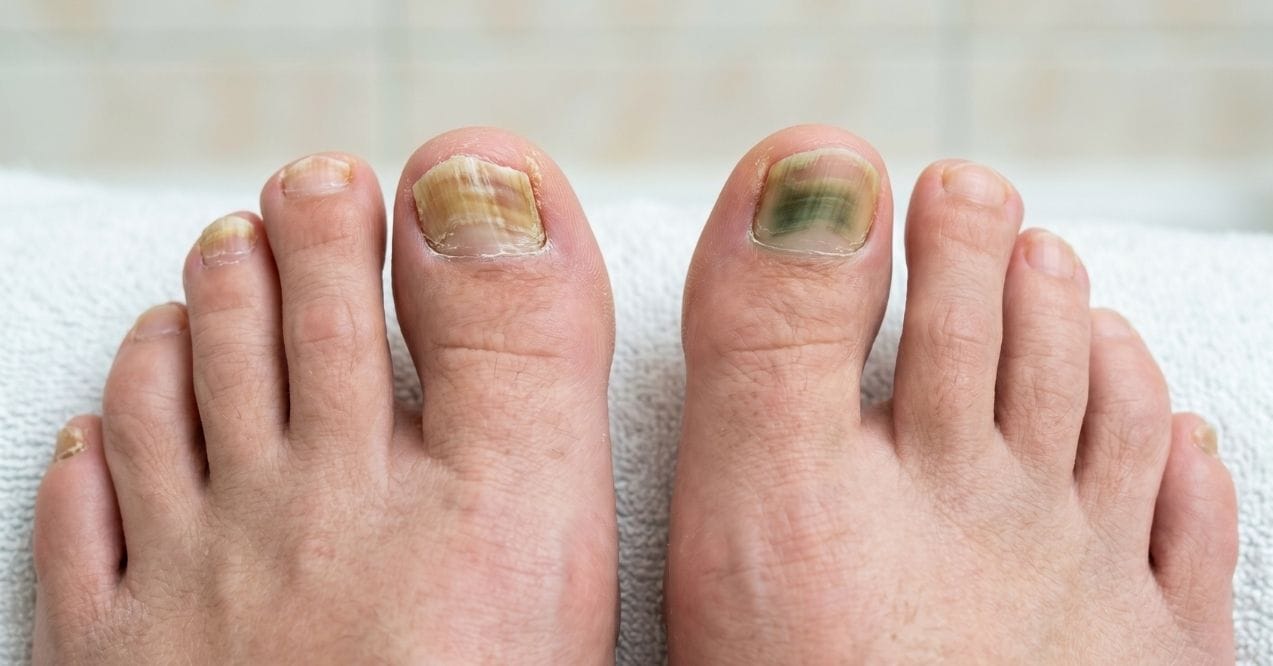
For those interested in visualizing the various stages of toenail fungus, exploring resources on What Does Toenail Fungus Look Like? can be helpful in identifying the condition accurately.
Potential Castor Oil Benefits for Toenails
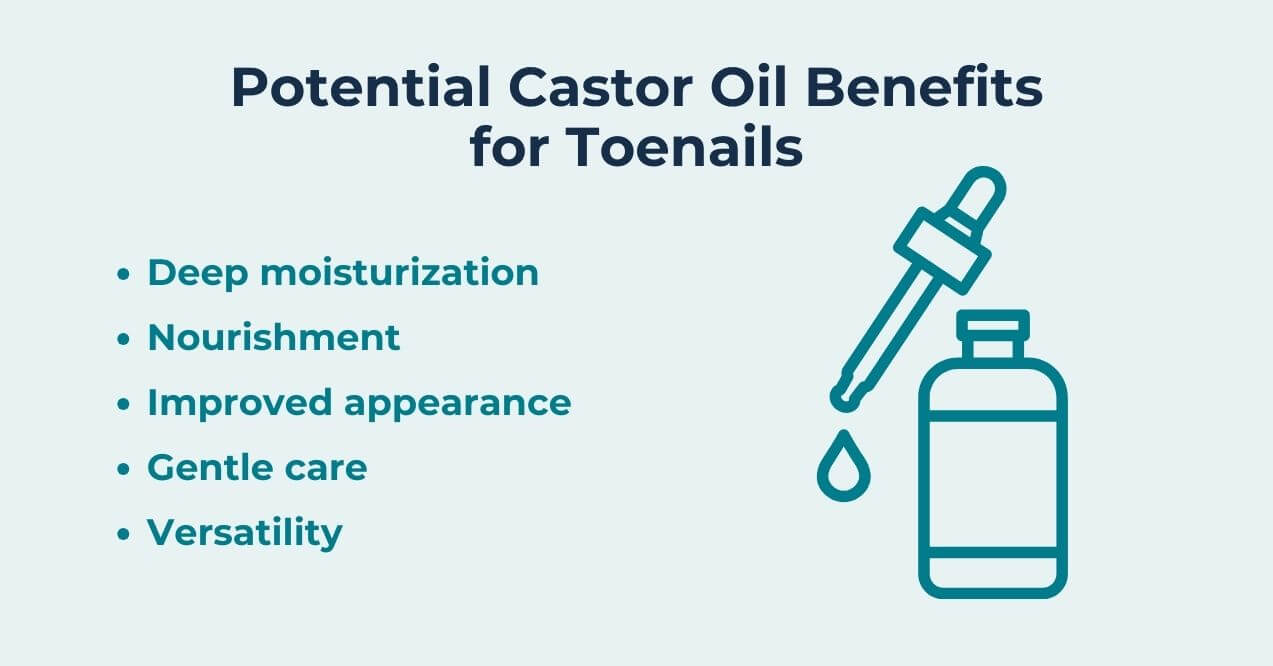
While scientific evidence specifically supporting castor oil for toenail fungus is lacking, this natural oil offers several potential benefits for nail health:
- Deep moisturization – Castor oil’s thick consistency allows it to penetrate and hydrate dry or brittle nails effectively.
- Nourishment – Rich in fatty acids, castor oil may help nourish the nail bed and surrounding skin.
- Improved appearance – Regular use might contribute to smoother, shinier nails.
- Gentle care – Its natural composition makes castor oil suitable for sensitive skin, including that of older adults.
- Versatility – Beyond nail care, castor oil is known for its potential benefits in skincare, including its use for addressing fine lines and wrinkles.
How to Use Castor Oil for Toenail Fungus?
If you’re wondering how to use essential oils for toenail fungus and consider incorporating castor oil into your nail care routine, here’s a step-by-step guide on how to use it effectively:
Preparing Your Toenails for Castor Oil
- Clean thoroughly – Wash your feet and nails with mild soap and warm water.
- Dry completely – Ensure your feet and nails are completely dry, as excess moisture can promote fungal growth.
- Gentle exfoliation – Use a soft nail brush to remove any debris or dead skin around the nails.
- Optional soak – For particularly tough nails, consider a brief warm water soak to soften them before application.
Applying Castor Oil
- Direct application – Use a clean cotton swab or small brush to apply castor oil directly to the affected nails and surrounding skin.
- Soak method – Mix a small amount of castor oil with a carrier oil (like coconut oil) in a shallow basin and soak your feet for 15-20 minutes.
- Massage technique – Gently massage the oil into your nails and cuticles to promote absorption.
If you experience difficulty reaching your toes, consider using a long-handled applicator or seeking help from a caregiver or family member.
How Often Should You Use Castor Oil?
- Daily application – Apply castor oil once or twice daily, preferably after bathing when nails are clean and slightly softened.
- Overnight treatment – For intensive care, apply castor oil before bed and wear breathable cotton socks overnight.
- Monitor progress – Pay attention to how your nails respond and adjust the frequency if needed.
- Be patient – Natural remedies often require time to show results. Continue the routine for several weeks to observe any potential benefits.
As you maintain your castor oil regimen, you may wonder how to know if toenail fungus is dying. Signs of improvement can include decreased discoloration, reduced thickness, and less brittleness of the affected nail. New, healthy nail growth from the base is a positive indicator.
Mixing Castor Oil with Other Ingredients
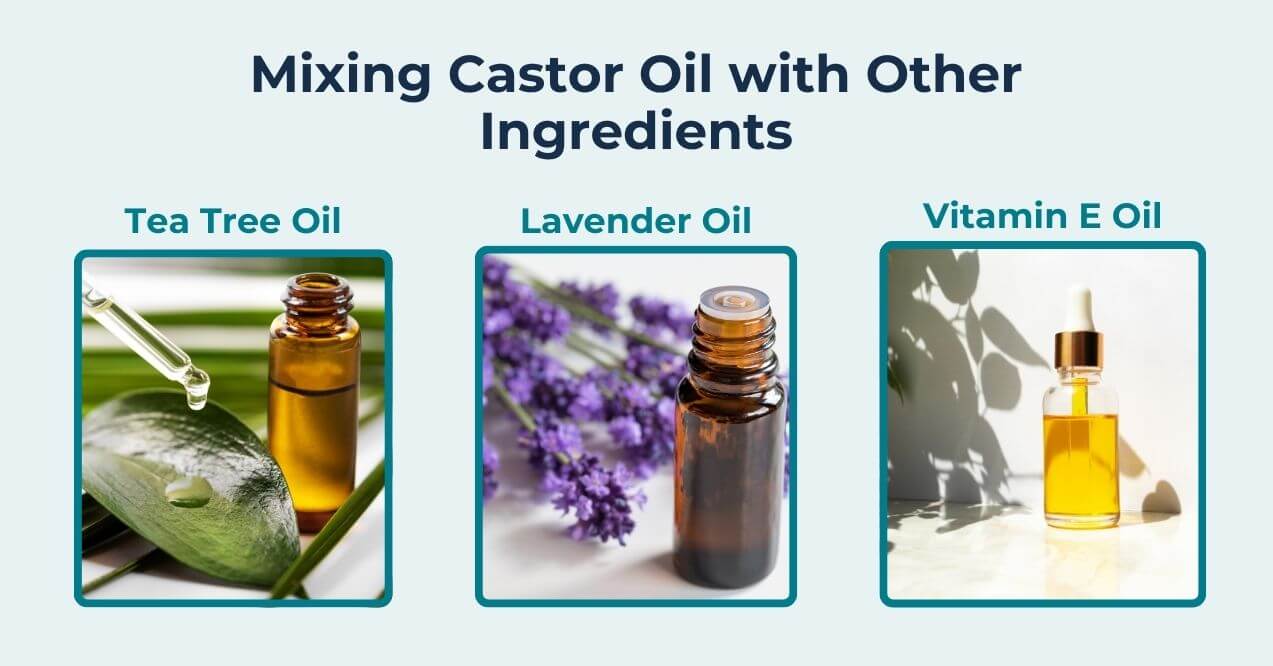
Some people choose to enhance the potential benefits of castor oil by combining it with other natural ingredients:
- Tea tree oil – Known for its antifungal properties, a few drops of tea tree oil can be mixed with castor oil.
- Lavender oil – Adds a pleasant scent and may have calming properties for the skin.
- Vitamin E oil – Can provide additional nourishment to the nails and surrounding skin.
When mixing oils, always perform a patch test first to check for any adverse reactions. It’s also wise to consult with a healthcare provider before using any new combination, especially if you have sensitive skin or other health concerns.
Can toenail fungus spread internally? While toenail fungus primarily affects the nails and surrounding skin, in rare cases, particularly in individuals with weakened immune systems, it may lead to more widespread infections.
Case Study: A Topical Treatment for Toenail Fungus

While castor oil alone lacks scientific validation for treating toenail fungus, a recent study on a formulation containing hydrogenated castor oil shows promising results. This research evaluated a new topical treatment called Miconal Nails®.
The study focused on a unique formulation that includes:
- Hydrogenated castor oil
- Hydroxyethyl cellulose
- Urea
- Climbazole
- Piroctone olamine
- Undecylenic acid
This combination aims to create a film on the nail surface, acting as both a deposit for active ingredients and a moisturizing agent to facilitate their spread through the nail’s superficial layers.
The research involved 25 patients aged 20 to 70, all with onychomycosis affecting a single toe. Specifically, they had distolateral subungual type (with less than 50% nail plate invasion and sparing of the lunula) or white superficial onychomycosis.
Key findings from the study:
- Participants – 11 females and 14 males, with a median age of 45.
- Treatment duration – 5 months
- Results after initial treatment:
- Complete healing – 15 patients (60%)
- Improvement: 7 patients
- Unchanged condition: 3 patients
- Follow-up results – Complete healing increased to 76% of cases
This study suggests that formulations combining hydrogenated castor oil with other proven antifungal ingredients may offer an effective topical treatment for certain types of toenail fungus. The high rate of complete healing, especially after follow-up, indicates potential for this approach in cases suitable for topical treatment.
While these results are encouraging, it’s important to note that this study focused on specific types and severities of toenail fungus. The effectiveness may vary for different presentations of the condition or when used on multiple affected nails.
Why Home Remedies Like Castor Oil Need Internal Support
Most people investigating castor oil for toenail fungus are looking for a natural way to restore their nails. However, because fungal spores (dermatophytes) live deep within the nail tissue and your bloodstream, surface-level oils can only do so much. To achieve truly clear, healthy nails, you must address the infection from the inside out by strengthening your body’s systemic immune response.
At PureHealth Research, our supplements for toenail fungus are scientifically formulated to provide the internal defense that topical oils simply cannot reach.
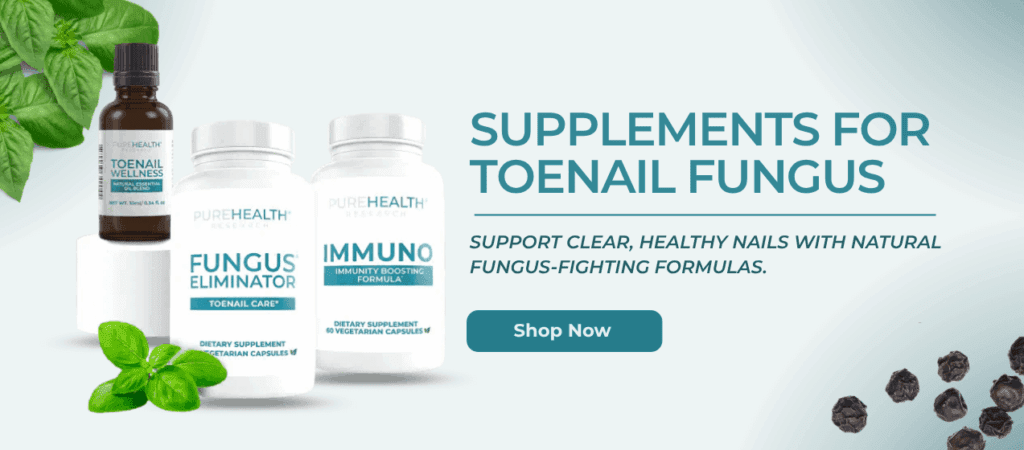
Why Pair Your Routine With Our Formulas?
- Systemic Fungal Defense: We utilize therapeutic doses of evidence-based botanicals—like Oregano, Caprylic Acid, and Turmeric (enhanced with BioPerine®)—to strengthen your immune cells and attack fungal spores systemically.
- Deep Restoration: While oils moisturize the surface, our formulas support healthy nail regrowth by providing the nutrients your body needs to build strong, clear keratin from within.
- Pure & Clean: Manufactured to be strictly gluten-free, dairy-free, soy-free, and non-GMO, ensuring your body receives premium ingredients without synthetic fillers.
Ready to support your nail health from the inside out? Explore the full Toenail Fungus Supplements collection today.
Conclusion
In conclusion, using castor oil for toenail fungus hasn’t been proven effective by research, even though the oil can help keep your nails healthy by moisturizing them and providing nutrients.
While you can safely add castor oil to your nail care routine, don’t use it instead of proven medical treatments for toenail fungus. If you notice signs of nail fungus, talk to your doctor. They can properly diagnose the problem and recommend treatments that work.
Castor oil has antifungal properties, but there’s limited evidence that it can fully eliminate toenail fungus. It may help create an unfavorable environment for fungal growth, but stronger treatments are usually needed for complete removal.
Tea tree oil is often considered the best oil for toenail fungus due to its well-documented antifungal properties. Studies have shown its effectiveness against various fungi, including those causing nail infections. Other potentially beneficial oils include oregano oil, coconut oil, and olive oil.
Castor oil has natural antifungal properties and may help manage mild fungal infections. However, its effectiveness varies, and persistent infections may require stronger antifungal treatments.

Advertisement. This site offers health, wellness, fitness and nutritional information and is designed for educational purposes only. You should not rely on this information as a substitute for, nor does it replace, professional medical advice, diagnosis, or treatment. If you have any concerns or questions about your health, you should always consult with a physician or other health-care professional. Do not disregard, avoid or delay obtaining medical or health related advice from your health-care professional because of something you may have read on this site. The use of any information provided on this site is solely at your own risk.
Related Articles
Why Toenail Fungus Keeps Coming Back, and How to Break the Cycle
Written by Laura Kraujalyte | July 29, 2026

Toenail Fungus by the Numbers: What the Research Actually Shows
Written by Laura Kraujalyte | July 29, 2026

What Causes Toenail Fungus? Full Guide
Written by Gabriele Slimaite | April 30, 2026

Nail Mold vs Fungus: Differences and Treatment
Written by Gabriele Slimaite | April 30, 2026
How to Get Rid of Toenail Fungus: The Complete Guide to Fast Relief
Written by Gabriele Slimaite | April 23, 2026

How to Get Rid of Green Nail Fungus: The Complete Step-by-Step Guide
Written by Gabriele Slimaite | April 22, 2026