Key Fungus Eliminator Ingredients Explained
Discover all 9 ingredients in Fungus Eliminator, how they work together, and what the formula design means for you.


 On This Page:
Most people can read a supplement label. Fewer know why each ingredient is included or how the formula is built to work as a whole. The fungus eliminator ingredients span botanicals, a functional fatty acid, and an absorption-support compound, each chosen for a specific role.
This article breaks down all nine ingredients in Fungus Eliminator using traditional use history, published data, and formula logic. Whether you are evaluating the product for the first time or looking to understand what you are already taking, this is a practical, clear place to start.
A Closer Look at Fungus Eliminator Ingredients
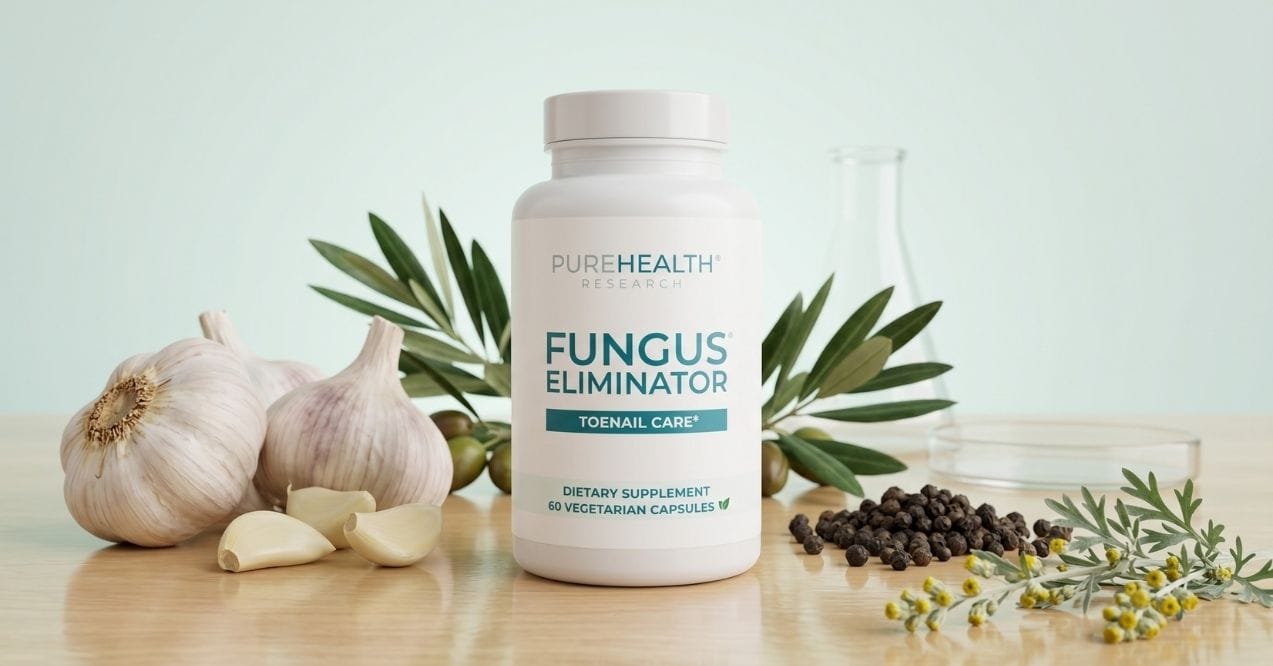
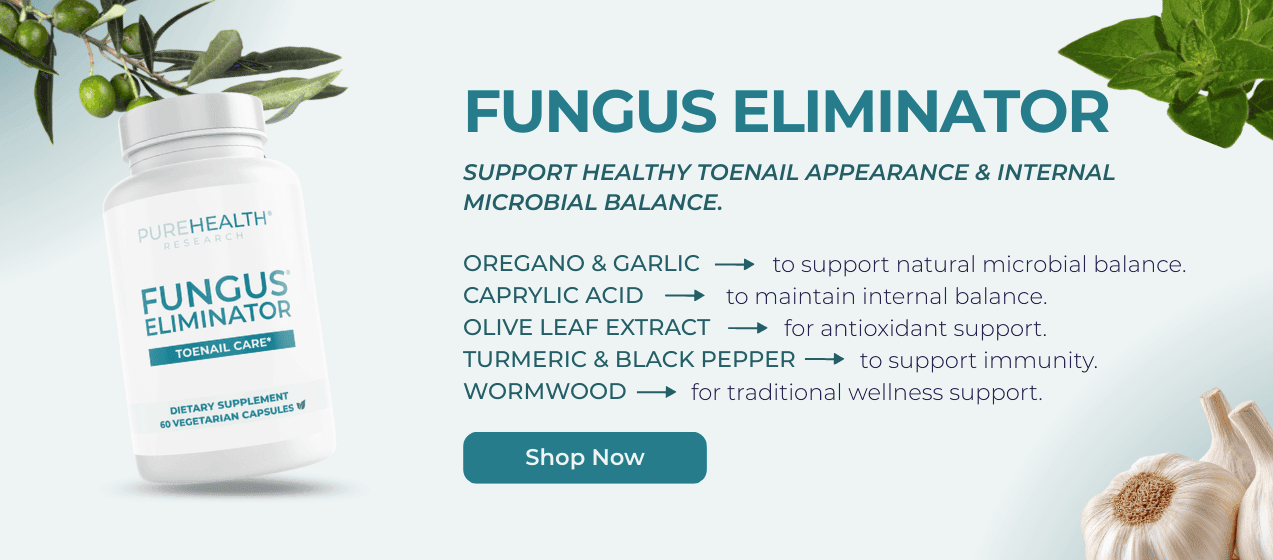
The ingredients in Fungus Eliminator are: oregano, basil leaf, garlic bulb, apple cider vinegar, wormwood, turmeric, olive leaf extract, caprylic acid, and black pepper. Each ingredient brings a distinct profile to the formula.
The blend combines compounds with long traditional wellness use histories, antioxidant and immune-support botanicals, and one ingredient included purely to improve the absorption of another. Taken together, these components contribute to general wellness in different ways. Understanding what are the ingredients in Fungus Eliminator gives a clearer picture of why this formula is structured the way it is and what each component is actually doing.
The Full Ingredient List
| Ingredient | Primary Support Role in the Formula |
| Oregano | Botanical wellness support |
| Basil Leaf | Antioxidant and immune support |
| Garlic Bulb | Botanical wellness and internal balance support |
| Apple Cider Vinegar | pH balance and internal environment support |
| Wormwood | Traditional herbal wellness support |
| Turmeric | Antioxidant and immune function support |
| Olive Leaf Extract | Antioxidant and immune support |
| Caprylic Acid | Functional fatty acid and internal wellness support |
| Black Pepper | Bioavailability and absorption support |
How the Blend Is Structured
Not all nine ingredients serve the same purpose. Several are included for their traditional botanical support roles. Others contribute antioxidant activity or support normal immune function. One ingredient is present mainly to improve how well another compound is absorbed.
This layered structure means the formula is designed with architecture in mind rather than assembled from independent botanicals. That design logic matters when evaluating whether a supplement is built thoughtfully.
Core Ingredients in the Formula
Some fungus eliminator ingredients carry more weight when it comes to the product’s functional identity. These are the compounds most closely associated with the product’s traditional botanical support profile. PureHealth Research approaches ingredient selection with specific roles in mind, and the core ingredients reflect that philosophy.
The PureHealth Research ingredients library provides background on how individual compounds are sourced and evaluated. The sections below cover each core ingredient, what published data suggests it may contribute, and why it earns its place in the blend.
Wormwood
Wormwood (Artemisia absinthium) is one of the formula’s signature botanicals, historically used in herbal practices for internal wellness support. It contains active compounds including absinthin and artabsin that have been studied in laboratory settings for their biological activity.
It may contribute a broad wellness role within the formula, though it is intended to work alongside the other ingredients rather than as a standalone solution.
Caprylic Acid
Caprylic acid is a medium-chain fatty acid derived from coconut oil. Its inclusion gives the formula a dimension that purely herbal blends lack. Published data suggests it has been studied in laboratory settings for its biological activity, with research noting its interaction with cell membrane integrity in controlled conditions.
As a lipid-based compound, it operates through a different mechanism than the botanical ingredients, which adds another layer to the formula’s overall approach.
Turmeric
Turmeric’s primary value in this formula is antioxidant and immune support rather than a direct botanical effect. Its active compound, curcumin, is one of the most studied plant compounds in published wellness research, with data supporting its potential to influence oxidative balance and contribute to normal immune function.
The turmeric and curcumin ingredient page offers more context on how this compound is used across the product line.
Black Pepper
Piperine, the active compound in black pepper extract, is included specifically to support the absorption of curcumin from turmeric. Curcumin is poorly absorbed on its own. A widely cited study found that co-administration of piperine may significantly increase curcumin bioavailability in both animal models and human volunteers.
For more on how this extract is sourced and applied, the black pepper extract ingredient page provides additional detail. Black pepper is one of the clearest examples in this formula of why ingredient count alone tells an incomplete story.
Olive Leaf Extract
Olive leaf extract is included for its antioxidant and immune-support properties, adding broad wellness value rather than a single focused effect. Its primary active compound, oleuropein, has been associated with antioxidant activity and support for normal immune function in published research.
The olive leaf extract ingredient page offers sourcing and usage information. Its role here is to extend the formula’s wellness profile with additional antioxidant support.
Supporting Ingredients That Round Out the Blend
The remaining four ingredients — oregano, garlic bulb, basil leaf, and apple cider vinegar — complete the formula’s botanical profile. They are not secondary in importance but complementary, each contributing traditional use history and supportive properties that align with the formula’s overall purpose.
Individually, each of these ingredients appears frequently in natural wellness approaches. In combination, they reinforce the blend’s identity as a complete internal botanical formula rather than a single-mechanism product.
Oregano and Garlic Bulb
Oregano is among the most studied botanicals in natural wellness research. Its key compounds, carvacrol and thymol, have been studied for their biological activity in laboratory settings.
Garlic bulb contains allicin, a sulfur compound with a well-documented role in botanical wellness literature. Both carry substantial traditional use histories, and their inclusion here reflects their long-standing place in herbal wellness formulas focused on internal balance.
Basil Leaf and Apple Cider Vinegar
Basil leaf contributes antioxidant activity and has a long tradition of use as an immune-support botanical in herbal wellness formulas. Apple cider vinegar is widely referenced for its potential to support pH balance in traditional wellness contexts.
Neither ingredient serves as the formula’s focal point, but both add practical breadth. They will be familiar to anyone already engaged with natural wellness approaches, and their inclusion reflects the formula’s multi-layered design.
How the Ingredients in Fungus Eliminator Are Combined
A common tendency when reviewing supplements is to identify a single standout ingredient and evaluate the product based on that compound alone. The ingredients in Fungus Eliminator are structured to avoid that single-mechanism approach.
Different ingredients handle different jobs: some contribute traditional botanical support, some add antioxidant and immune function value, and one exists primarily to make another ingredient more absorbable. This combination creates a broader ingredient profile than any individual compound would offer on its own.
Traditional Botanical and Broader Wellness Roles
Ingredients like wormwood, caprylic acid, oregano, and garlic are positioned for their traditional botanical support roles. Others, including turmeric, olive leaf extract, and basil, contribute antioxidant and immune-support value that extends the formula beyond that single focus.
This layering means the formula may address general wellness through more than one mechanism at the same time, which is a meaningful distinction from formulas built around a single active compound.
Absorption Matters Too
Black pepper extract illustrates why formula design involves more than selecting effective ingredients. Without it, much of the curcumin in the turmeric portion of this formula would pass through the body without being fully utilized. With it, curcumin absorption has been studied more extensively and shown to be more consistent.
Evaluating a supplement’s quality requires accounting for these functional relationships, not just reading the ingredient names off the label. That is a principle worth applying to any blend, not just this one.
Side Effects and Tolerance Considerations
Any concentrated botanical formula can produce individual responses, and Fungus Eliminator is no exception. Paying attention to how your body responds at the start of any new supplement routine is always a reasonable approach.
The ingredients include concentrated plant extracts, a medium-chain fatty acid, and spice-derived compounds. Each of these can occasionally produce adjustment responses in sensitive individuals.
Common Mild Reactions to Watch For
Some individuals may notice mild digestive adjustment when beginning a concentrated botanical supplement. Temporary changes in digestion or mild stomach sensitivity are possible experiences as the body adjusts to new compounds.
Starting at a smaller serving to assess individual tolerance is a practical option for those with digestive sensitivity. If any discomfort persists, pausing use and consulting a qualified healthcare professional is advisable.
Ingredient Sensitivities and Precautions
Those with known sensitivities to alliums such as garlic, concentrated plant acids, spice-derived compounds, or specific botanicals should review the ingredient list carefully before starting. Wormwood, turmeric, and basil may also cause reactions in individuals sensitive to these plants or their botanical relatives.
Label awareness is a practical habit with any multi-ingredient formula, and Fungus Eliminator is no exception to that principle.
When to Pause Use
If you experience unexpected or persistent discomfort after starting the formula, pausing use is the appropriate response. Individual responses to botanical blends vary, and a responsible approach means paying attention to how your body reacts rather than pushing through discomfort.
Best Practices for Safe and Effective Use
Knowing the fungus eliminator ingredients is only the first part of the picture. Getting the most from any supplement also depends on how consistently and thoughtfully it is used. The following practices apply to Fungus Eliminator specifically but also reflect sound general principles for ingredient-based wellness products.
Follow the Label Directions
The product label specifies the recommended serving and timing. Following label directions supports consistent use and gives the formula a fair basis for evaluation. Taking more than directed is unlikely to accelerate results and may increase the chance of digestive discomfort. Consistency with the stated serving is a more reliable approach than varying the amount based on personal estimation.
Use It Consistently
Natural supplements with botanical ingredients are typically assessed through consistent daily use over time, not occasional supplementation. For more background on how the product performs with continued use, the “does Fungus Eliminator work” article offers a useful perspective. Nail wellness support works on the timeline of nail regrowth, which is a slow biological process that requires patience.
Pair Supplement Use With Good Nail Care Habits
Supplement use works best alongside consistent nail care routines. Keep nails clean and dry, choose footwear that allows airflow, and limit prolonged moisture exposure in communal environments.
These habits support everyday nail hygiene and appearance. For anyone looking for a nail wellness supplement, these habits add a meaningful practical layer alongside the formula itself.
Conclusion
Fungus Eliminator is built around nine ingredients that each serve a defined role, from direct internal wellness support to antioxidant activity, immune function, and absorption facilitation. No single ingredient defines the formula. The value of reviewing this kind of ingredient breakdown is not to declare one compound the most important, but to see how the full blend is structured and whether that structure makes sense for your goals. Approaching use with consistent habits and realistic expectations is the most practical way to evaluate any natural wellness supplement.
No single ingredient defines the formula. Wormwood, caprylic acid, and oregano offer more direct internal wellness support. Turmeric, olive leaf extract, and black pepper contribute antioxidant, immune, and absorption-support value that broadens the overall blend.
Eight of the nine are plant-based botanicals. Caprylic acid is a medium-chain fatty acid derived from coconut oil, the one non-herbal ingredient in an otherwise all-botanical formula.
Single-ingredient formulas address only one mechanism. Fungus Eliminator combines direct traditional botanical compounds with antioxidant, immune, and absorption-support ingredients to create a more layered approach to daily wellness support.
Both. Wormwood and caprylic acid serve specific traditional botanical roles. Turmeric, olive leaf extract, and basil contribute broader antioxidant and immune-support value. The blend is designed to address general wellness through multiple mechanisms simultaneously.
The inclusion of caprylic acid (a functional fatty acid, not an herb) and black pepper extract (an absorption support agent) distinguishes it from a standard botanical blend. These additions reflect formula design thinking rather than a simple list of popular herbs.

Advertisement. This site offers health, wellness, fitness and nutritional information and is designed for educational purposes only. You should not rely on this information as a substitute for, nor does it replace, professional medical advice, diagnosis, or treatment. If you have any concerns or questions about your health, you should always consult with a physician or other health-care professional. Do not disregard, avoid or delay obtaining medical or health related advice from your health-care professional because of something you may have read on this site. The use of any information provided on this site is solely at your own risk.
Related Articles
Why Toenail Fungus Keeps Coming Back, and How to Break the Cycle
Written by Laura Kraujalyte | July 29, 2026

Toenail Fungus by the Numbers: What the Research Actually Shows
Written by Laura Kraujalyte | July 29, 2026

What Causes Toenail Fungus? Full Guide
Written by Gabriele Slimaite | April 30, 2026
Nail Mold vs Fungus: Differences and Treatment
Written by Gabriele Slimaite | April 30, 2026
How to Get Rid of Toenail Fungus: The Complete Guide to Fast Relief
Written by Gabriele Slimaite | April 23, 2026

How to Get Rid of Green Nail Fungus: The Complete Step-by-Step Guide
Written by Gabriele Slimaite | April 22, 2026