Oral vs Injectable Peptides: Risks and Trade-Offs
Oral peptides can work, but they serve different goals than injections. Injections reach the bloodstream directly, while oral options may suit gut-focused support or steady, needle-free daily wellness.



 On This Page:
Interest in oral peptides has grown alongside the wider buzz around peptide therapy, and most people who look into it quickly face the same question: needles or pills? Both routes can be useful, but they are built for different wellness goals rather than competing head to head.
An injection places a peptide directly into circulation, while a capsule has to pass through digestion first, which shapes what it can realistically do. This guide explains how digestion affects peptides, where injections still have the edge, and why needle-free options may be a practical choice for steady, everyday support.
How Do Oral Peptides Actually Work Inside the Body?
Oral peptides work in one of two ways: they survive digestion well enough to act inside the gut, or they are absorbed as small fragments that can enter circulation. Peptides are short chains of amino acids, and the digestive system is designed to break chains like these apart for nutrition.
That is the main criticism of peptide pills, and it is a fair one. Stomach acid unfolds peptide structures, enzymes such as pepsin and trypsin cut them into smaller pieces, and the intestinal lining acts as a selective barrier that limits how much passes through intact.
So, do oral peptides work? The answer depends on design. Some approaches change the peptide itself so enzymes have a harder time recognizing it, while others change the capsule or tablet around it, with the shared goal of getting enough peptide to the place it is meant to work.
Surviving Stomach Acid and Digestive Enzymes
Researchers protect fragile peptides in two main ways. The first reshapes the molecule, for example by joining its ends into a ring, and some small ring-shaped peptides have reached measurable oral absorption in animal research.
The second wraps the peptide in a protective carrier, such as an acid-resistant coating or ingredients that help it cross the gut lining. Some of these absorption aids briefly loosen the barrier between gut cells, so their long-term safety is still being studied.
Gut-Level Support vs. Whole-Body Absorption
This is the most important distinction in the oral versus injectable debate. Injections bypass the gut entirely and send a peptide into the bloodstream for whole-body distribution.
Some oral peptides are designed for the opposite purpose: they stay in the digestive tract and interact with receptors on the gut lining, so low absorption matters far less. You can read more about peptides for gut health and how this local signaling works.
A third path also exists. A dedicated transporter in the small intestine can carry very short peptides, made of two or three amino acids, across the lining and into circulation.
Are Peptide Capsules as Effective as Injections?
Whether peptide capsules are as effective as injections depends on the goal. Neither route is better across the board, and judging them only by blood levels misses how each one is meant to be used.
Injections serve as clinical tools for fast, predictable, whole-body delivery, which matters when a precise amount has to reach circulation. Capsules work better as practical tools for gradual, targeted, or gut-focused support, and they may suit people who want a routine they can keep for months rather than weeks.
Are oral peptides effective, then? For the right purpose, they may be. The table below matches common wellness goals with the route that tends to fit each one.
| Wellness Goal | Better Route | Why This Makes Sense |
| Gut-focused support | Oral | The peptide acts where it lands, so absorption into the blood is not required |
| Precise whole-body delivery | Injection | Bypasses digestion, so more of the peptide reaches circulation |
| Daily structural nutrition, such as collagen | Oral | Small peptide fragments and amino acids are absorbed through normal digestion |
| Closely monitored, fast-acting protocols | Injection | Amounts can be measured and adjusted under clinical supervision |
| Long-term, low-effort routine | Oral | No needles, refrigeration, or clinic visits needed |
Analyzing the Trade-Offs: Oral vs Injectable Peptides
The choice between oral vs injectable peptides comes down to four trade-offs: physical comfort, absorption, cost, and daily routine. Injections tend to win on absorption and precision, while oral options tend to win on comfort, access, and ease of use.
The right balance depends on what you want from a peptide and how much structure your schedule can realistically handle. For a broader look at the pros and cons of peptides, including who may benefit most, our earlier guide covers the basics.
The sections below look at each trade-off separately. Some readers weigh cost first, while others care most about comfort or convenience.
The Drawbacks and Risks of Injections
Injectable peptides usually involve more oversight and more personal effort. The main considerations include:
- Supervision: many protocols require a licensed provider to prescribe, set amounts, and monitor progress.
- Discomfort: daily subcutaneous injections can be unpleasant, and fear of needles is common among adults.
- Site reactions: redness, swelling, or irritation may appear where the needle enters the skin.
- Sourcing: compounded products vary in quality, so the source matters.
None of these rule injections out. They simply mean an injectable routine asks for more time, money, and planning than a capsule does.
The Limitations of Pill Forms
Pill forms have real limits worth knowing upfront. Capsules generally deliver much less intact peptide into the bloodstream than injections do, and results may vary more from person to person.
Absorption can also be sensitive to timing. Some approved oral peptides must be taken on an empty stomach with only a small amount of water, because food in the stomach can sharply reduce how much is absorbed. That requirement can make an oral routine less flexible than it first appears.
Cost, Prescriptions, and Access
Clinical injectable programs often carry significant out-of-pocket costs. Consultations, lab work, compounding fees, and supplies such as syringes and alcohol swabs add up, and insurance may not cover them.
Access can also depend on finding a provider and keeping regular appointments. Oral peptide supplements, by contrast, are available without a prescription and often cost less per month, offering a lower-commitment way to explore peptide support.
How Each Option Fits Your Daily Routine
Long-term habits depend on how easily they fit into ordinary days. Injectable peptides often need refrigeration, careful mixing from powder, and safe sharps disposal, which makes travel and busy weeks harder to manage.
Missed doses become more likely when a routine feels like a procedure. Capsules fit in a cabinet or travel bag and can be taken with water alongside other supplements, making them a discreet habit that may be easier to sustain.
Can You Do Peptides Without Needles?
Yes, you can do peptides without needles, especially if your goal is foundational daily support rather than an intensive clinical protocol. Are all peptides injectable? No. Some are taken by mouth, some are applied to the skin, and many reach the body every day through protein-rich foods.
Can you take peptides orally and still get something worthwhile? For many people, yes, as long as expectations match the route. Oral options suit steady, gradual support, and they fit neatly into a morning routine alongside breakfast and other supplements.
The sections below cover why consistency matters and how to choose a quality product. They also explain how collagen compares with other peptide options.
Why Needle-Free Routines Are Easier to Keep
The most effective wellness routine is often the one you can follow every day. Oral options remove several barriers at once: no needle anxiety, no mixing powders with sterile water, and no sharps container to manage.
That lower daily effort may make it easier to stay with a routine for months. For support that builds gradually, steady daily use may matter more than the speed of any single dose.
Choosing a Needle-Free Supplement for Your Goal
A quality supplement lets you support your body’s natural signaling without the cost and scheduling of clinical visits. Look for clear amounts per serving, a named ingredient source, and third-party testing, then choose the category that matches your goal.
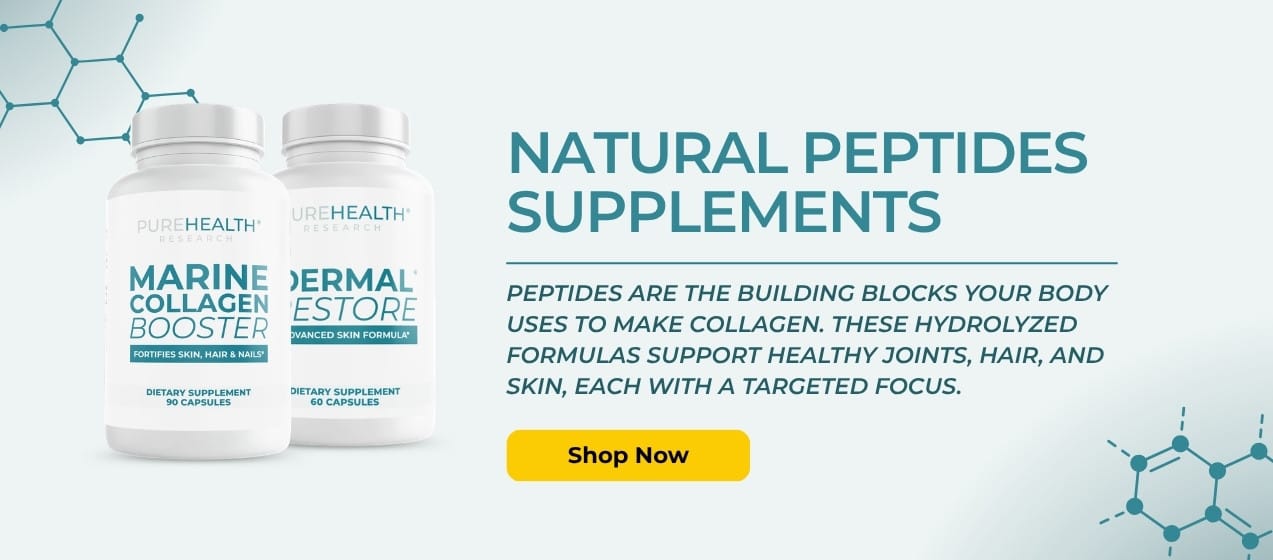
For structural support: Our natural peptide supplements offer a needle-free way to add hydrolyzed collagen peptides to your day, including a formula with Morikol® marine collagen tripeptides, among the smallest collagen peptide units available. They may help maintain healthy skin, hair, and joint structure. They may also support the cellular communication that keeps connective tissue healthy throughout the body, including the gut lining.
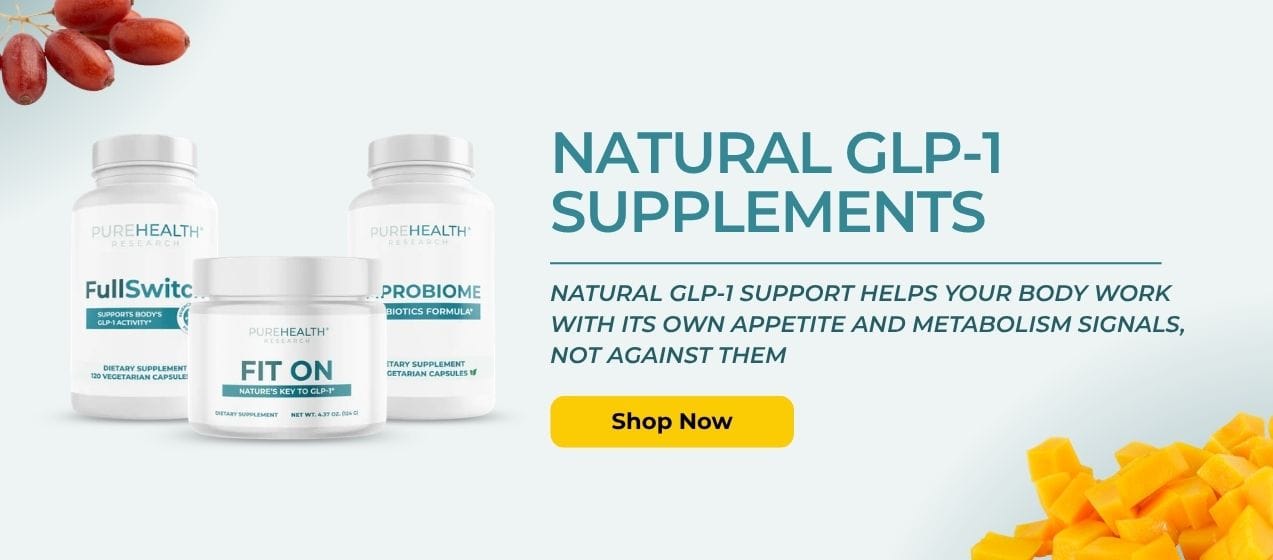
For metabolic support: Our natural GLP-1 supplements take a different approach. Rather than supplying peptides, these formulas use botanicals such as berberine and green coffee extract, plus fiber, to support the body’s own GLP-1 release, digestive signaling, and metabolic balance after meals. They are proactive daily wellness tools, not replacements for clinical injectables.
Collagen Powder vs. Bioactive Peptides
Collagen powder and bioactive peptide capsules are often grouped together, but they serve different roles. Standard collagen protein works mainly as food, and digestion breaks much of it into amino acids the body uses as raw material.
Bioactive peptides are short, specific sequences designed to stay intact long enough to interact with receptors. Hydrolyzed collagen sits between the two, since researchers have detected small collagen-derived peptides in human blood after people consumed it.
Product quality varies, so the source, processing method, and amount per serving all matter. For tips on comparing products, see our guide on how to evaluate a collagen peptide supplement.
Conclusion
Choosing between injections and pills is less about finding a winner and more about matching the route to your goal. Injections suit intensive, closely monitored protocols that need precise whole-body delivery, while oral peptides suit gut-focused support and accessible daily wellness without needles or clinic visits. Weigh your priorities, budget, and existing habits, then choose the route you can realistically keep up with week after week.
They can, depending on design and purpose. Some act directly in the gut, and small collagen peptides can be absorbed during digestion. Oral forms usually deliver less into the bloodstream than injections, so goals matter.
No. Many peptides are taken by mouth, applied to the skin, or eaten in protein-rich foods. Injections are mainly used when a peptide must reach the bloodstream intact and in a precise amount.
Many people can. Taking capsules with water, starting with the smallest suggested serving, and choosing simple formulas may help. If discomfort continues, pause use and talk with a healthcare provider.
It depends on the product. Some pharmaceutical oral peptides need strict fasting to absorb properly, while collagen peptide supplements are generally taken with or without food. Follow the directions on your label.
It varies by product, goal, and person. Many collagen studies run for several weeks to a few months, so changes from daily supplements tend to be gradual. Consistent use matters most.

Advertisement. This site offers health, wellness, fitness and nutritional information and is designed for educational purposes only. You should not rely on this information as a substitute for, nor does it replace, professional medical advice, diagnosis, or treatment. If you have any concerns or questions about your health, you should always consult with a physician or other health-care professional. Do not disregard, avoid or delay obtaining medical or health related advice from your health-care professional because of something you may have read on this site. The use of any information provided on this site is solely at your own risk.
Related Articles
Do Peptides for Gut Health Actually Work?
Written by Laura Kraujalyte | October 9, 2026

What Are the Best Peptides for Skin?
Written by Laura Kraujalyte | September 30, 2026
Do Peptides for Weight Loss Work?
Written by Laura Kraujalyte | September 16, 2026

Peptides by the Numbers: What the Research Actually Shows
Written by Laura Kraujalyte | July 29, 2026

How to Evaluate a Collagen Peptide Supplement (Using the Science)
Written by Laura Kraujalyte | July 29, 2026

Are Peptides for Testosterone Worth Considering?
Written by Martynas Steponavicius | June 19, 2026