What Are the Best Peptides for Skin?
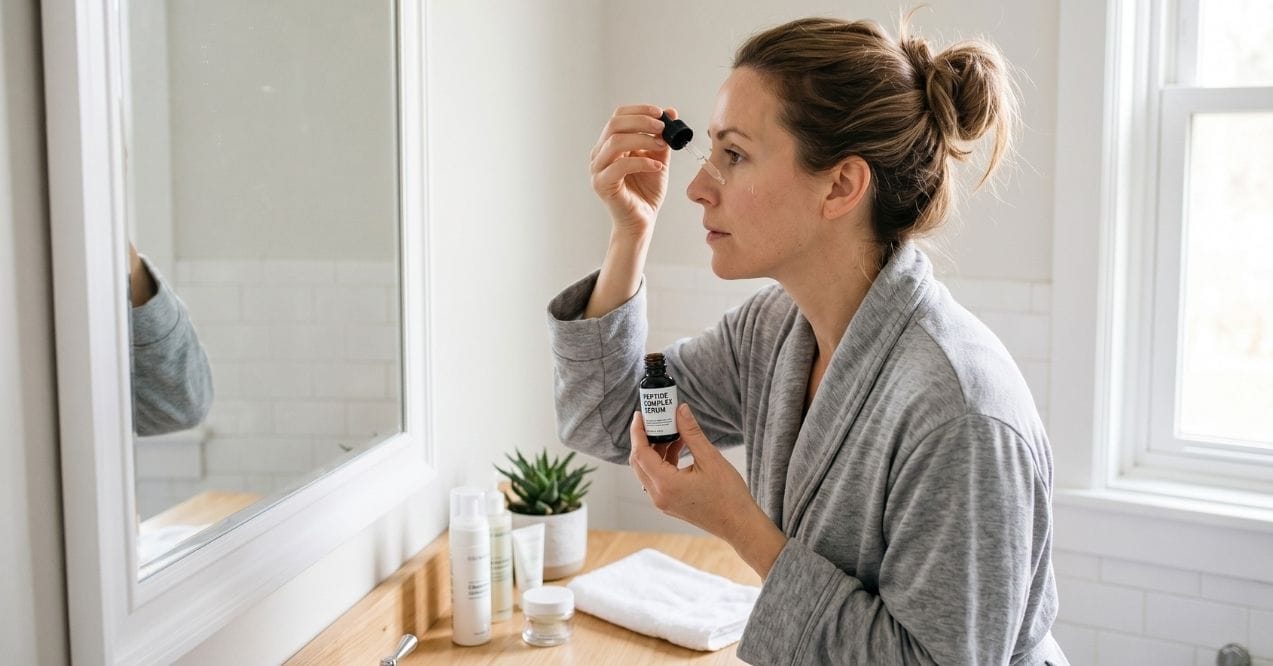
Peptides may help support firmer-looking, smoother skin when used consistently. This guide explains common peptide types, how to choose them by skin goals, and how to pair topical care with balanced nutrition.


 On This Page:
Peptides are short chains of amino acids that support a firmer, smoother appearance and soothe visible redness without causing surface irritation.
The natural decline of structural proteins in the skin layers often creates noticeable changes in volume over time. Many people experience frustration when trying to identify which topical skincare items actually support a smooth appearance. Finding the best peptides for skin can clear up this confusion completely.
These short chains of amino acids serve as helpful communication tools within your surface tissue. Regular application can support a firmer look without causing the typical irritation associated with harsher topical options. This guide details how to select the right formulas for a balanced appearance.
Choosing the Best Peptides for Skin Based on Your Goals
Selecting effective skincare products requires a basic awareness of how active ingredients function on the surface layer. To determine what are the best peptides for skin, you must first evaluate your specific facial care concerns. Different groups of amino chains focus on specific areas like structural longevity, barrier resilience, and surface texture.
Daily environmental factors challenge your skin, making regular topical care useful for routine maintenance. Your choice depends on whether you want to address the appearance of sagging, soften expression lines, or calm surface reactivity. Appropriate selections ensure that the outer layer receives gentle signals for a refreshed, balanced look over time.
Dr. Blane Schilling’s skin care advice comes down to consistency and patience. He explains that visible changes from peptides build gradually, so using them works best as a lifestyle habit that supports long-term results and ongoing skin health. He adds that following this guide can help you choose the best peptides for your skin goals.
Signal Peptides for Skin Volume
These specialized molecules function as helpful tools that support the appearance of firmer, smoother-looking skin over time. Industry options like Palmitoyl Pentapeptide-4 serve as reliable standards for supporting visible skin bounce and normal surface elasticity.
Review papers indicate that regular daily application may help minimize the visual signs of minor sagging by supporting the outer base layer.
Carrier Peptides for a Consistent Complexion
Carrier peptides are used in skincare formulas to support a smoother, more even-looking complexion. Utilizing Copper GHK-Cu can provide notable contributions to tone consistency while helping smooth out the appearance of visible surface stress. Data from clinical reviews suggest these small chains assist with routine tissue maintenance by stabilizing outer layers against environmental wear.
Neuropeptides for Softening Expression Lines
Neuropeptides like Acetyl Hexapeptide-8 help soften the appearance of fine expression lines without altering your normal facial movements. Routine application targets specific areas around the eyes and forehead where temporary motion creases typically form during normal daily expressions. Double-blind trials on topical solutions show that regular use may help soften the appearance of these surface lines over time.
Barrier-Support Peptides for Defending the Surface
Specific amino acid chains work effectively to quiet the appearance of surface redness and support the delicate lipid envelope. This action helps soothe complexions that struggle with seasonal environmental changes by maintaining essential moisture on the skin surface. Laboratory analysis indicates that these barrier-support selections protect the outer layer against daily external irritants for a balanced look.
| Peptide Category | Prominent Ingredient Labeling | Primary Aesthetic Benefit | Best Suited For |
| Signal Peptides | Palmitoyl Pentapeptide-4 | Supports the appearance of firmness | Loss of firmness, skin laxity |
| Carrier Peptides | Copper GHK-Cu | Supports matrix appearance | Dullness, uneven surface tone |
| Neuropeptides | Acetyl Hexapeptide-8 | Relaxes the visual depth of facial lines | Forehead lines, crow’s feet |
| Barrier-Support | Palmitoyl Tetrapeptide-7 | Quiets surface reactivity and redness | Sensitive skin, dry barriers |
Selecting the Best Peptides for Wrinkles and Fine Lines
Finding the best peptides for wrinkles involves identifying topical items that address the appearance of volume loss directly. Natural chronological aging leads to a steady decline in surface matrix proteins, which creates visible creases over the years.
Utilizing specialized peptides for face care helps reinforce vulnerable areas around the eyes, forehead, and jawline.
This focused approach delivers gentle signals where standard topical moisturizers frequently fail to provide lasting aesthetic changes to the skin. Combining multiple amino chains ensures that the surface looks smoother and more resilient during your regular morning and evening routine. Routine tracking confirms that these mild options promote a firm appearance without causing any dry flaking or redness.
Supporting the Outer Layer Framework
Signal peptides help address visible structural gaps by reinforcing the appearance of the extracellular matrix during regular long-term use. While traditional retinoids focus primarily on accelerating surface cellular turnover, these amino chains function as helpful structural building blocks. Dermal review papers show this mild support helps maintain a plump appearance without the typical irritation caused by stronger acids.
Softening Expression Lines Safely
Non-invasive neuropeptide mechanics offer a gentle approach for managing the appearance of surface lines from everyday facial movements. Regular application helps prevent temporary expression creases from looking deeper over time while fully preserving your natural facial movements. In-vivo trials indicate that consistent topical use supports a smooth, calm surface look without altering normal underlying muscle function.
Establishing a Routine for Clear Skin and Balance
Peptides offer valuable uses beyond standard aging concerns, serving as excellent options for overall surface texture correction. When searching for an appropriate peptide for clear skin, many individuals use these gentle compounds to support a calmer, more balanced-looking complexion. Those researching peptides for acne inquiries often prefer these mild alternatives because they do not strip away essential surface moisture.
Choosing specific options for balanced skin provides a supportive alternative that helps maintain a smooth appearance without causing flaking. These specialized amino chains help manage the appearance of visible oiliness while encouraging a uniform skin texture over extended periods. This balanced method protects the outer layer, allowing your complexion to recover its natural clarity without experiencing any unnecessary tightness.
Strengthening the Barrier to Reduce Visual Distress
A compromised skin barrier easily permits external irritants to enter, which can trigger an over-production of natural surface sebum. This imbalance frequently accelerates visible surface distress and alters the appearance of clarity across your nose and forehead areas. Barrier-reinforcing peptides help maintain proper moisture balance, and you can learn more by reading about gut health and acne.
Post-Blemish Surface Recovery
Carrier peptides assist normal skin recovery after temporary blemishes clear by supporting healthy, natural surface signaling pathways over time. These specialized chains reduce the appearance of uneven post-blemish marks and noticeable surface roughness across the affected areas. Regular application encourages steady cellular turnover, ensuring a more consistent, polished skin texture during your normal weekly care routine.
Selecting Natural Peptides for Skin Care
Achieving a balanced appearance involves selecting clean, high-performance formulations that align with your body’s normal maintenance processes. Navigating the growing demand for natural peptides for skin requires identifying premium topical options free from harsh synthetic additives. Utilizing quality skin health peptides ensures that your outer layer receives pure, stable nutrients during your morning routine.
True structural beauty requires combining external barrier protection with a thoughtful, balanced diet to provide essential nutrients daily. Dermal health extends deep below the surface, meaning topicals alone cannot address every layer of the skin matrix. Combining targeted surface care with balanced nutritional habits provides an excellent foundation for a supple, healthy look over time.
Dr. Schilling describes peptides as effective signals that work from the surface to prompt the skin’s natural renewal. However, he notes that this process relies on building materials the body can only receive through internal nutritional support. In his view, topical care and nutrition work as complementary parts of the same skin goals.
Packaging Guidelines for Formula Stability
Peptides consist of delicate amino chains that remain highly prone to degradation from improper light and oxygen exposure. To protect formula stability, look for opaque, airless pumps rather than open-mouth jars that expose the product to air.
This protective packaging shields the active ingredients from breaking down, ensuring each application delivers stable compounds to your skin.
Supporting Dermal Layers From Within
Topical products generally penetrate only the outermost layers of the epidermis, leaving the deeper tissue layers unassisted by creams. Internal building blocks help sustain deep skin density over time by providing the body with necessary dietary nutrients. You can read about the best supplements for glowing skin to discover how to support your daily wellness routine.
Nurturing Your Skin Routine From Within
Topical peptides can be a helpful part of a thoughtful skincare routine, but daily nutrition also plays an important role in overall skin wellness. For those who want to pair their topical routine with internal amino acid support, PureHealth Research’s collagen peptides supplements collection offers formulas designed to complement beauty and wellness goals from within.
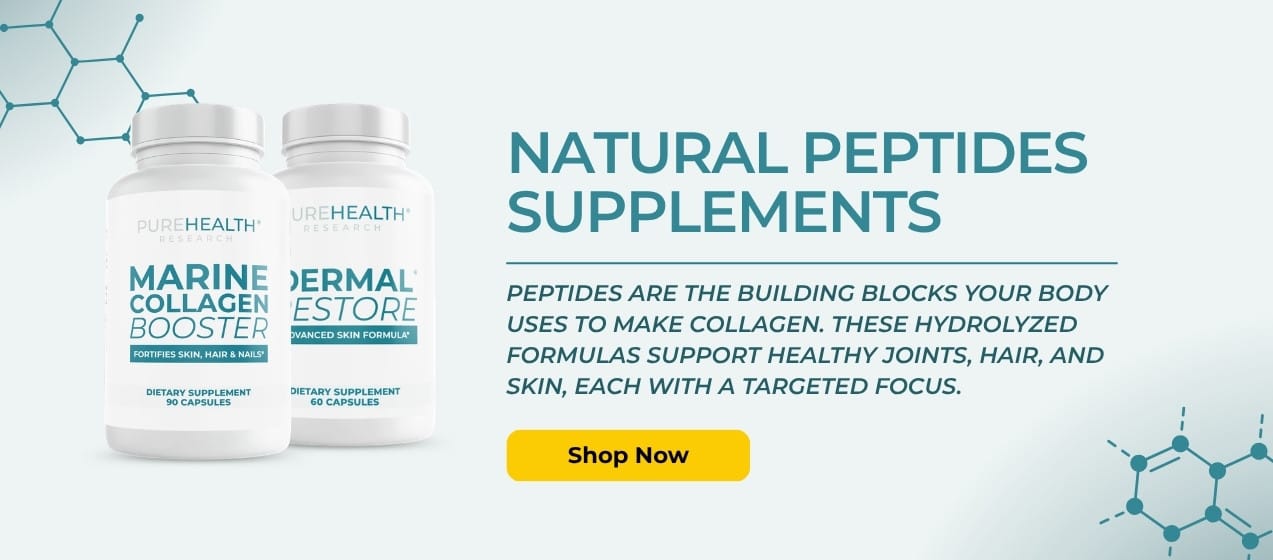
For skin-focused support, the collection features options like Marine Collagen Booster, which includes marine collagen tripeptides, aloe vera leaf gel concentrate, hyaluronic acid, and vitamin E as tocotrienol. These ingredients are commonly used in beauty-from-within routines to support hydration, nourishment, and the appearance of healthy-looking skin.
The collection also includes Dermal Restore, a broader skin-support formula featuring hydrolyzed collagen, sodium hyaluronate, MSM, aloe leaf extract, spirulina, vitamin E, biotin, zinc, selenium, copper, manganese, and other supportive nutrients. This makes it a fitting option for readers who want a more comprehensive supplement approach alongside their daily topical skincare routine.
PureHealth Research also states that its products are manufactured in SQF-certified, FDA-registered facilities following cGMP requirements, and that every batch undergoes third-party contamination screening before shipment.
Each batch meets strict quality standards to ensure you receive reliable nutritional support that fits easily into your morning routine.
Layering and Application Rules to Prevent Stacking Mistakes
Finding the best peptides for skin and applying them in a precise chronological order maximizes their overall effectiveness on the surface layer of your skin. You should always apply lightweight, water-based peptide serums immediately after cleansing the face thoroughly. This strategic timing allows the small amino chains to absorb efficiently into the clean surface layers without any structural barriers.
After the serum settles completely, you can apply denser formulations and occlusive moisturizers to lock in the active ingredients. This systematic layering helps prevent product pilling and ensures that each selection functions exactly as intended on the skin. Avoiding common application mistakes protects your skincare investment and supports a smooth, comfortably hydrated appearance throughout the day.
Formulations to Avoid Mixing
While peptides are remarkably stable and gentle, direct blending with low-pH formulations can cause significant issues over time. Highly acidic environments can trigger structural hydrolysis, which cleaves the delicate amino peptide bonds and reduces product value. Always separate your active steps carefully, using vitamin C in the morning and your peptide formulas at night.
| Companion Active | Compatibility Status | Ideal Application Strategy | Rationale |
| Hyaluronic Acid | Perfect Alignment | Apply together in the same step (AM or PM) | Deeply hydrates the stratum corneum, assisting peptide delivery and a plump look. |
| Retinol / Retinoids | Highly Recommended | Apply Peptides first, followed by Retinol at night | Peptides reinforce structural appearance, minimizing the typical irritation associated with retinoids. |
| Niacinamide | Perfect Alignment | Can be layered freely in AM or PM routines | Simultaneously supports barrier lipid appearance and reduces redness. |
| L-Ascorbic Acid (Vitamin C) | Use Caution | Use Vitamin C in the morning; Peptides at night | Highly acidic environments can destabilize and cleave specific copper peptide structures. |
| Exfoliating Acids (AHAs/BHAs) | Use Caution | Alternate separate evenings or separate steps | Low pH levels can cause denaturation and render peptide signaling pathways ineffective. |
Conclusion
Achieving long-term structural health requires a combination of daily consistency, external barrier protection, and balanced nutritional choices. Peptides represent excellent, non-irritating additions to any regular skincare routine, offering targeted assistance for firmness and texture. Developing regular routine evaluations helps ensure your product choices remain perfectly aligned with your wellness goals over the seasons. Take time to review your daily habits and select gentle formulas that support a smooth complexion.
Signal peptides like Palmitoyl Pentapeptide-4 are excellent for skin firmness. These molecules support natural protein appearance, which helps improve volume and overall tissue elasticity over time.
Visible surface changes develop gradually, often appearing within several weeks of daily use. Long-term structural appearance benefits require ongoing application to continuously support natural skin signaling pathways.
Collagen is a large structural protein, whereas peptides are short, easily absorbable amino chains. To evaluate formats, read about hydrolyzed collagen vs collagen peptides to choose the right option.
Yes, you can apply peptide serums safely every single day during both morning and evening routines. Because these chains are exceptionally gentle, they rarely cause irritation or increase environmental sensitivity.
Neither option is superior, as they address different aesthetic goals. Copper peptides excel at promoting surface repair appearance, while signal peptides focus primarily on reinforcing overall volume and firmness.
Peptides are well-tolerated and highly unlikely to cause surface irritation. Because they lack harsh synthetic additives, they soothe redness while reinforcing the lipid barrier to help maintain overall clarity.
Using both methods simultaneously provides a comprehensive approach for structural skin wellness. Topical products target localized surface needs, while oral supplements deliver essential amino acid building blocks to support your body.


Dr. Blane Schilling, MD is a medical doctor with extensive experience in clinical consultation, care quality, pharmaceutical utilization, and physician integration. He is passionate about improving patient care and helping healthcare organizations solve complex challenges through strategic, client-focused leadership.

Advertisement. This site offers health, wellness, fitness and nutritional information and is designed for educational purposes only. You should not rely on this information as a substitute for, nor does it replace, professional medical advice, diagnosis, or treatment. If you have any concerns or questions about your health, you should always consult with a physician or other health-care professional. Do not disregard, avoid or delay obtaining medical or health related advice from your health-care professional because of something you may have read on this site. The use of any information provided on this site is solely at your own risk.
Related Articles
Peptides for Hair Growth: What’s Proven, What Isn’t
Written by Laura Kraujalyte | October 19, 2026

What Foods Have Peptides? Bioactive Sources Explained
Written by Laura Kraujalyte | October 16, 2026

Oral vs Injectable Peptides: Risks and Trade-Offs
Written by Laura Kraujalyte | October 12, 2026
Do Peptides for Gut Health Actually Work?
Written by Laura Kraujalyte | October 9, 2026

Do Peptides for Weight Loss Work?
Written by Laura Kraujalyte | September 16, 2026

Peptides by the Numbers: What the Research Actually Shows
Written by Laura Kraujalyte | July 29, 2026