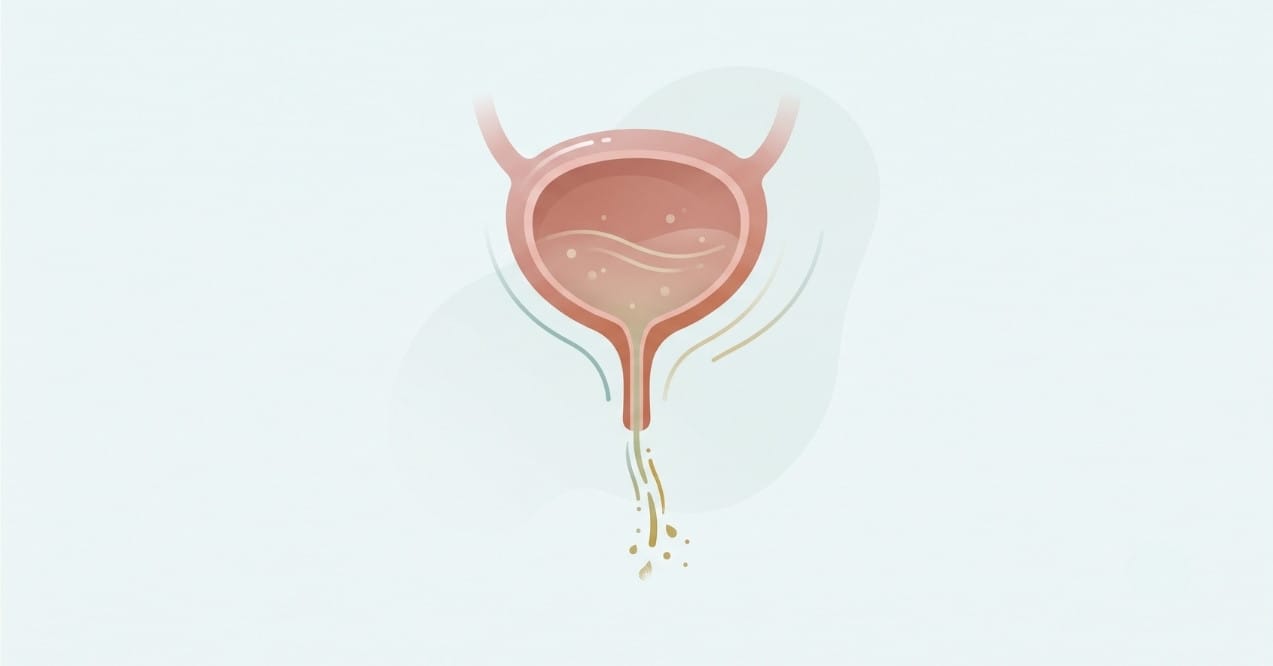
What Is Good for Prostate Health? 10 Proven Habits
Supporting a healthy prostate involves a mix of antioxidant-rich foods like cooked tomatoes and green tea, regular physical activity, and proactive daily habits that promote healthy cellular aging.


 On This Page:
Choosing to look after the prostate before anything feels off is a smart, forward-looking move. When men ask what is good for prostate health, the short answer is a nutrient-dense diet, consistent movement, and daily habits that support a healthy inflammatory response. None of this calls for a restrictive routine or a shelf full of powders.
The ten habits below cover the foods worth putting on the plate more often, the lifestyle patterns that compound quietly over the years, the role targeted nutrients may play, and the check-ups that keep everything on track. Each one is simple enough to start this week.
What Is Good for Prostate Health? Start With Everyday Dietary Choices
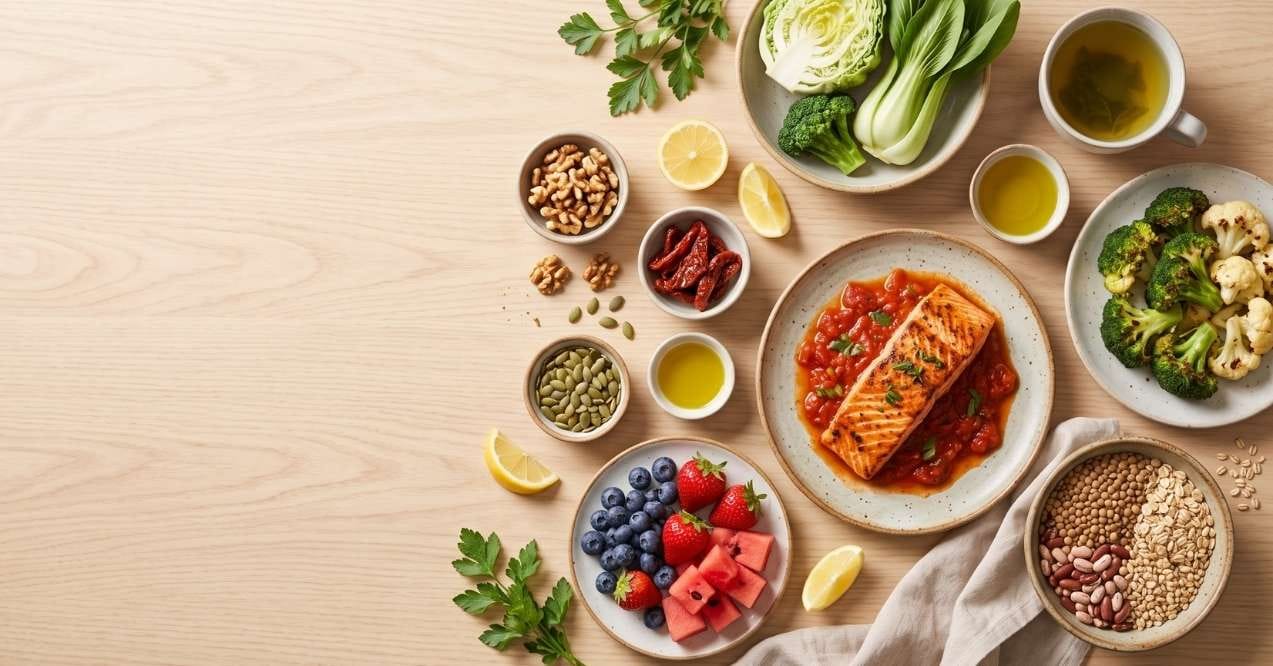
What benefits the heart generally benefits the prostate, because both respond to the same dietary signals around fat quality, fiber, and antioxidant intake. That makes the Mediterranean pattern a sensible starting point for anyone wondering how to keep the prostate healthy over the long term. It emphasizes fresh vegetables and fruit, whole grains, legumes, olive oil, nuts, and seafood, with red and processed meats kept occasional.
The pattern matters more than any single food. Adding color to two meals a day tends to move the needle further than chasing one ingredient. It also helps to know what to eat less of, since heavy saturated fat and highly processed choices tend to crowd out the foods doing the useful work.
Cruciferous Vegetables for Cellular Support
Broccoli, cauliflower, Brussels sprouts, cabbage, and bok choy belong in the weekly rotation. These vegetables supply antioxidants and sulfur-containing phytochemicals that may help protect cells from damage caused by environmental exposures and normal metabolic activity.
Pooled observational research has linked higher intake with more favorable prostate outcomes, though the findings show association rather than cause. Light steaming preserves more of these compounds than boiling.
Tomatoes and Lycopene
Cooked tomatoes are the most reliable source of lycopene, a carotenoid antioxidant widely studied in the context of prostate health. Heat and a little olive oil make the lycopene easier for the body to absorb, which is why sauce and paste tend to outperform raw slices.
One practical caveat: tomatoes are acidic and may irritate a sensitive bladder. Men noticing urgency can monitor their tolerance or lean on watermelon and pink grapefruit instead, and it helps to know which other foods support bladder comfort.
Healthy Fats: Omega-3s vs. Saturated Fats
Swapping some saturated fat for omega-3 fatty acids is one of the easier upgrades to make. Salmon, sardines, mackerel, and trout supply EPA and DHA, fats that do not drive inflammatory signaling the way fat from red meat appears to. Two servings a week is a realistic target. Olive oil, walnuts, and flaxseed round out the picture on days when fish is not on the menu.
Green Tea and EGCG
Green tea offers a gentle daily ritual with a useful side benefit. Its catechins, particularly EGCG, have been studied for their role in supporting a healthy inflammatory response and normal prostate function. Observational data from populations with high green tea intake looks encouraging, though the amounts consumed in those studies often exceed a casual cup. Two to three cups daily is a reasonable, low-risk habit.
Prostate-Friendly Foods at a Glance
| Food Category | Examples | Why It May Matter for the Prostate |
| Cruciferous vegetables | Broccoli, cauliflower, cabbage, bok choy | Supply antioxidants and phytochemicals involved in normal cellular defense |
| Cooked tomato products | Sauce, paste, sun-dried tomatoes | Concentrated, well-absorbed source of lycopene |
| Fatty fish | Salmon, sardines, mackerel, trout | Provide omega-3 fats that support a healthy inflammatory response |
| Berries and colorful fruit | Blueberries, strawberries, watermelon | Deliver polyphenols and, in watermelon, non-acidic lycopene |
| Legumes and whole grains | Lentils, beans, oats, barley | Add fiber and plant compounds that support metabolic balance |
| Green tea | Brewed leaf or bagged tea | Catechins such as EGCG studied for prostate and inflammatory support |
| Nuts, seeds, olive oil | Walnuts, pumpkin seeds, extra virgin olive oil | Offer zinc, vitamin E from food, and monounsaturated fats |
Prostate Health Tips: Lifestyle Habits to Adopt
Diet does a lot of the work, but the habits built around it decide whether that work sticks. The most useful prostate health tips are unglamorous and repeatable: move most days, keep the waistline steady, and pay a little attention to when you drink fluids rather than only how much.
These behaviors act together rather than in isolation. Activity influences circulation and body composition, body composition influences hormonal signaling, and both feed into how the pelvic region ages. Small consistent choices tend to compound more effectively than short bursts of effort followed by long gaps.
Regular Exercise and Pelvic Blood Flow
Staying active supports cardiovascular function, which in turn supports healthy blood flow to the pelvic region. Brisk walking, cycling, and swimming all count, and roughly 150 minutes a week of moderate activity is a workable goal. A 2024 Swedish cohort study following more than 57,000 men found that those whose cardiorespiratory fitness improved over time had more favorable prostate outcomes than men whose fitness declined.
Maintaining a Healthy Weight
Weight is a support factor, not a moral scorecard. Excess visceral fat around the midsection is metabolically active and may increase systemic inflammatory signaling, which can influence prostate size and urinary comfort over time. A 2022 genetic analysis drawing on two large biobanks linked a larger waist measurement and more sedentary time with age-related prostate enlargement, independently of overall body weight. Waist measurement is often the more practical marker to watch.
Hydration and Urinary Habits
Steady hydration through the day supports normal urinary function, though timing matters as much as volume. Tapering fluids in the two hours before bed may reduce overnight trips to the bathroom. Caffeine, alcohol, and carbonated drinks have been associated with more frequent lower urinary tract symptoms in men, so trimming them back is worth testing if urgency is mild but noticeable.
How to Improve Prostate Health Naturally with Targeted Support
Once diet and movement are in place, targeted nutrients can help fill the gaps that ordinary eating leaves behind. That is the honest framing for how to improve prostate health naturally: supplements complement a foundation, they do not replace one. Being selective matters here more than in most categories.
One point worth keeping in view: most of the food research described earlier looked at whole foods and dietary patterns, not finished supplements, so the two are not interchangeable. Large randomized research has also shown that more is not better with isolated vitamins. In one major trial, men taking 400 IU of vitamin E daily for several years saw a higher rate of adverse prostate outcomes than men taking placebo.
Standalone megadoses of single nutrients are best skipped in favor of balanced botanical formulas. Saw palmetto, beta-sitosterol, and pumpkin seed extract are among the better-studied options, though results across trials have been mixed and effects tend to be modest.
Anyone already noticing changes such as a weak urine stream should treat supplements as support alongside a professional evaluation, not as a substitute for one.
A Convenient Way to Complement Your Routine
PureHealth Research’s supplements for prostate health were built for exactly this gap: the weeks when the fish does not make it to the plate and the vegetable drawer looks thin. The collection takes a botanical-first approach rather than stacking high-dose vitamins.
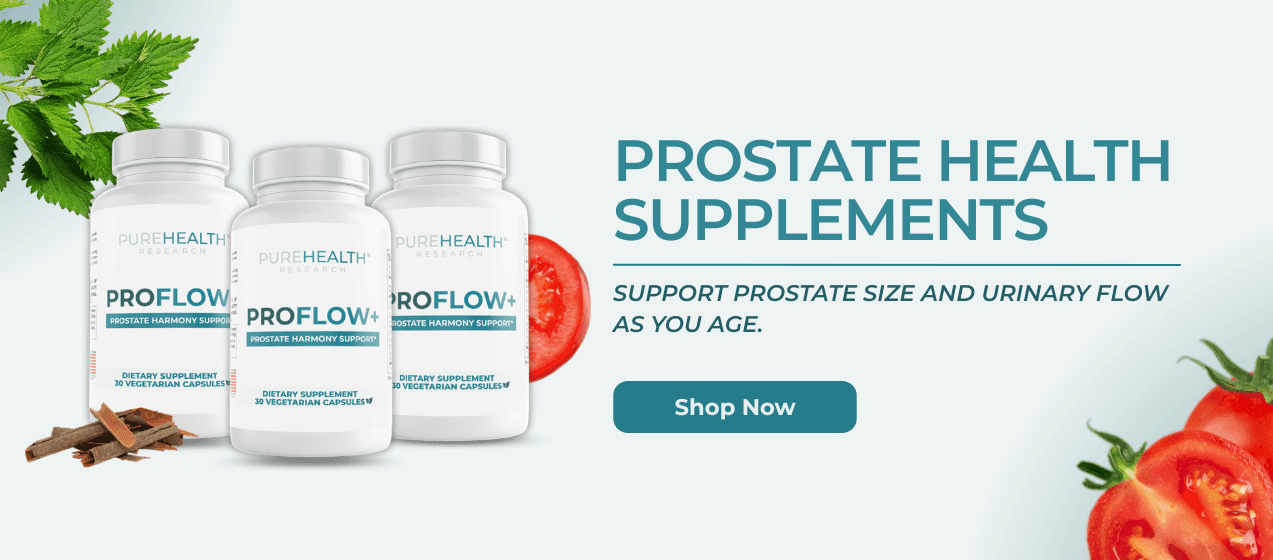
ProFlow+ brings together six plant and mineral ingredients in a single daily capsule: saw palmetto, stinging nettle, pygeum africanum, French maritime pine bark, lycopene, and selenium. That combination is the point of difference. Most shelf products lean on saw palmetto alone, while this formula pairs traditional botanicals with antioxidant nutrients in one serving.
For men who mainly want the tomato-derived antioxidant without the wider blend, the standalone Lycopene capsule delivers 250 mg per serving, taken once daily with a meal. Both are formulated to support normal urinary flow, promote a healthy inflammatory response, and help the body maintain a healthy prostate size with age.
Neither is a substitute for a good plate or a daily walk, and responses vary from man to man. As a steady complement to both, they take about five seconds a day. Compare the two formulas and pick the one that matches your routine.
The Importance of Proactive Screenings
Regular check-ups are the part of prostate care that habits cannot replace. Establishing a baseline in your 40s or 50s gives your healthcare provider something to compare future results against, which is far more informative than a single reading taken years later. That baseline is a quiet but central piece of how to have a healthy prostate through the decades.
Screening typically involves a PSA blood test and a physical exam, sometimes together. Guidance on timing varies with family history and personal risk factors, so the schedule is worth discussing rather than assuming. It also helps to arrive informed, including a general sense of what prostate size means and what changes are worth reporting. New or unusual urinary changes deserve a conversation sooner rather than at the next annual visit.
Conclusion
Caring for the prostate does not require a restrictive or joyless routine. It comes down to adding color and variety to the plate, moving your body most days, staying mindful of fluids and timing, and keeping up with regular check-ups. Consistency matters more than perfection, and small habits repeated for years outperform short bursts of effort. Pick one step this week: try a new tomato-based recipe, or book your annual physical.
Cooked tomatoes, cruciferous vegetables, fatty fish, berries, legumes, nuts, and green tea. A Mediterranean-style pattern combining these foods tends to be more useful than focusing on any single item.
Steady hydration supports normal urinary function and helps the bladder empty more comfortably. Spread intake through the day and taper in the two hours before bed to limit overnight trips.
Caffeine does not damage the prostate, but it can irritate the bladder and has been associated with more frequent urinary urgency in men. Reducing intake is worth testing if symptoms are noticeable.
Stay physically active, favor plants and fatty fish over red meat, keep your waistline stable, manage fluid timing, and maintain regular check-ups starting in your 40s or 50s.
Acidic and spicy foods, alcohol, caffeine, and carbonated drinks may aggravate urinary urgency in sensitive men. Tomatoes are prostate-friendly but acidic, so watermelon offers a gentler lycopene alternative.

Advertisement. This site offers health, wellness, fitness and nutritional information and is designed for educational purposes only. You should not rely on this information as a substitute for, nor does it replace, professional medical advice, diagnosis, or treatment. If you have any concerns or questions about your health, you should always consult with a physician or other health-care professional. Do not disregard, avoid or delay obtaining medical or health related advice from your health-care professional because of something you may have read on this site. The use of any information provided on this site is solely at your own risk.
Related Articles
What Vitamins Are Good for Prostate? D, E, Zinc and More
Written by Laura Kraujalyte | August 17, 2026

Can Enlarged Prostate Cause Constipation?
Written by Laura Kraujalyte | August 14, 2026
Does Alcohol Affect Prostate? Beer vs Wine vs Spirits
Written by Laura Kraujalyte | August 10, 2026

What Causes Bladder Stones and What Helps Them Pass
Written by Laura Kraujalyte | July 31, 2026
Does an Enlarged Prostate Affect a Man Sexually?
Written by Laura Kraujalyte | July 27, 2026

Weak Urine Stream: When It’s Normal, When It’s Not
Written by Laura Kraujalyte | July 20, 2026