What Size of Prostate Is Dangerous? CC Volume Chart & Warning Signs
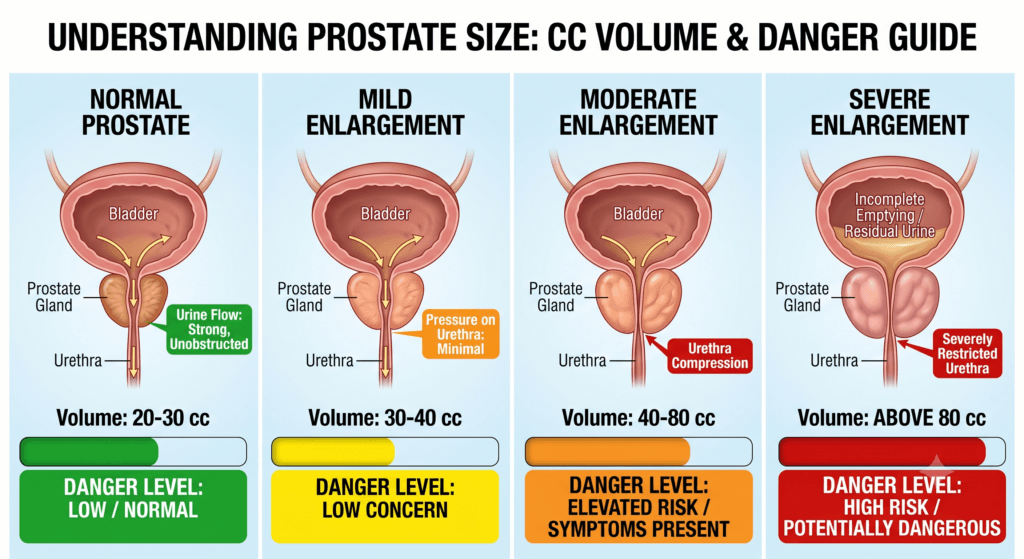
What size of prostate is dangerous? A normal prostate is 20-30 cc. Mild enlargement begins at 30-40 cc, while sizes over 80 cc are considered severe and potentially dangerous if they block urine flow. However, your daily urinary symptoms matter far more than the exact volume.


 On This Page:
Many men experience changes in their bathroom habits as they get older. You might notice more frequent trips, especially at night, or find yourself waiting longer for things to start flowing. These changes often lead to one important question: what size of prostate is dangerous?
This article provides clear answers about prostate measurements, warning signs to watch for, and practical steps you can take today. You’ll learn when size matters, when it doesn’t, and how to maintain your comfort and confidence as you age.
What Is the Normal Prostate Size?
The prostate is a small gland that sits below your bladder and produces fluid that nourishes sperm. Like many parts of your body, it naturally grows throughout your life. Knowing typical measurements helps you stay informed about your health.
A healthy adult prostate typically weighs around 15-20 grams. The normal volume of prostate gland ranges between 20-30 cc (cubic centimeters). In terms of dimensions, it measures roughly 4 cm wide, 3 cm long, and 2 cm tall.
But what does enlarged prostate mean for your daily life? The answer varies from person to person. These numbers are guidelines, not rigid rules. How you feel and function day-to-day matters far more than measurements alone.
What Size of Prostate Is Dangerous for Your Health?
Size alone rarely tells the whole story about prostate health. What truly matters is how any enlargement affects your urinary flow and daily comfort. Every man’s body responds differently to prostate growth.
Medical professionals generally classify enlargement into three categories. Mild enlargement starts around 30-40 cc and often causes few noticeable symptoms. Moderate enlargement ranges from 40-80 cc, where men typically begin noticing changes in their bathroom routines.
Severe enlargement occurs when the prostate exceeds 80 cc. At this stage, daily activities may be significantly impacted. Yet some men with prostates in the moderate range experience more difficulty than others with severe enlargement.
The key takeaway is that your experience matters most. Pay attention to how you feel rather than focusing solely on numbers from test results.
Warning Signs That May Indicate a Problem

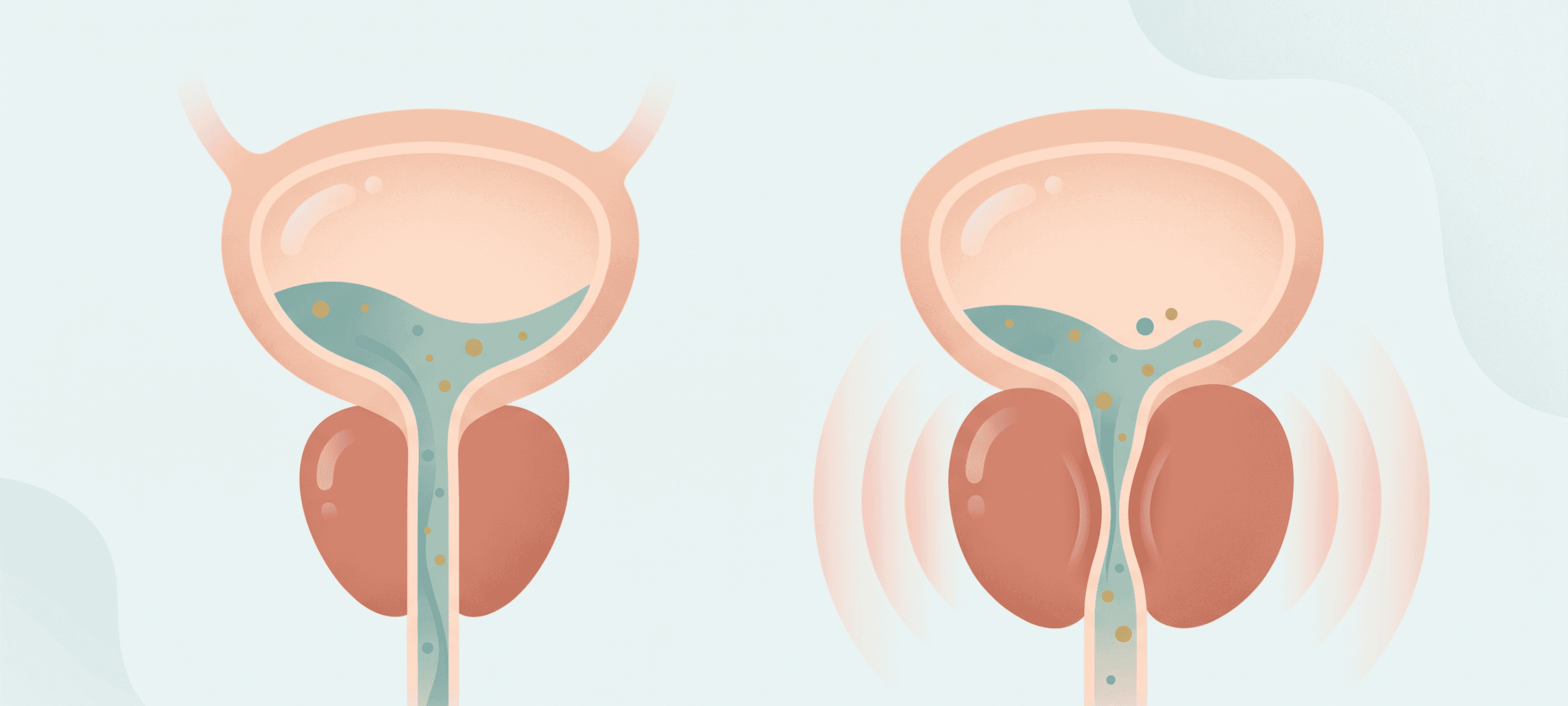
When your prostate grows, it can press against your bladder and the tube that carries urine out of your body. This pressure creates various symptoms that signal it’s time to pay attention. These changes often develop gradually, making them easy to dismiss at first.
Common signs include:
- Frequent urges to urinate – You might find yourself planning activities around bathroom availability, especially disrupting your sleep
- Weak urine flow – The stream isn’t as strong as it used to be, taking longer to empty your bladder
- Hesitancy starting urination – Standing there waiting for things to begin when you know you need to go
- Dribbling after finishing – Those annoying drops that continue after you think you’re done
- Feeling of incomplete emptying – That nagging sensation that there’s still more in there
These symptoms deserve attention, particularly if they’re getting worse or affecting your daily routine. Early awareness allows you to take action before discomfort becomes a major issue.
What Happens If Prostate Size Is Left Unchecked?
An enlarged prostate doesn’t automatically lead to serious problems, but ignoring persistent symptoms or questions about what size of prostate is dangerous can potentially create complications over time. Your bladder might start working harder to push urine past the obstruction, leading to muscle strain. This extra effort can weaken the bladder wall and affect its ability to empty completely.
Sometimes the situation progresses to urinary retention, where passing urine becomes extremely difficult or impossible without medical help. Leftover urine sitting in your bladder may form bladder stones, causing pain and additional blockage. In more serious cases, the backup of urine creates pressure that travels to your kidneys, potentially affecting their function.
The good news is these complications are largely preventable. Regular monitoring, healthy habits, and timely attention to symptoms help you avoid these issues. Most men who stay proactive about their prostate health never experience these severe complications.
How Prostate Size Is Measured and Monitored
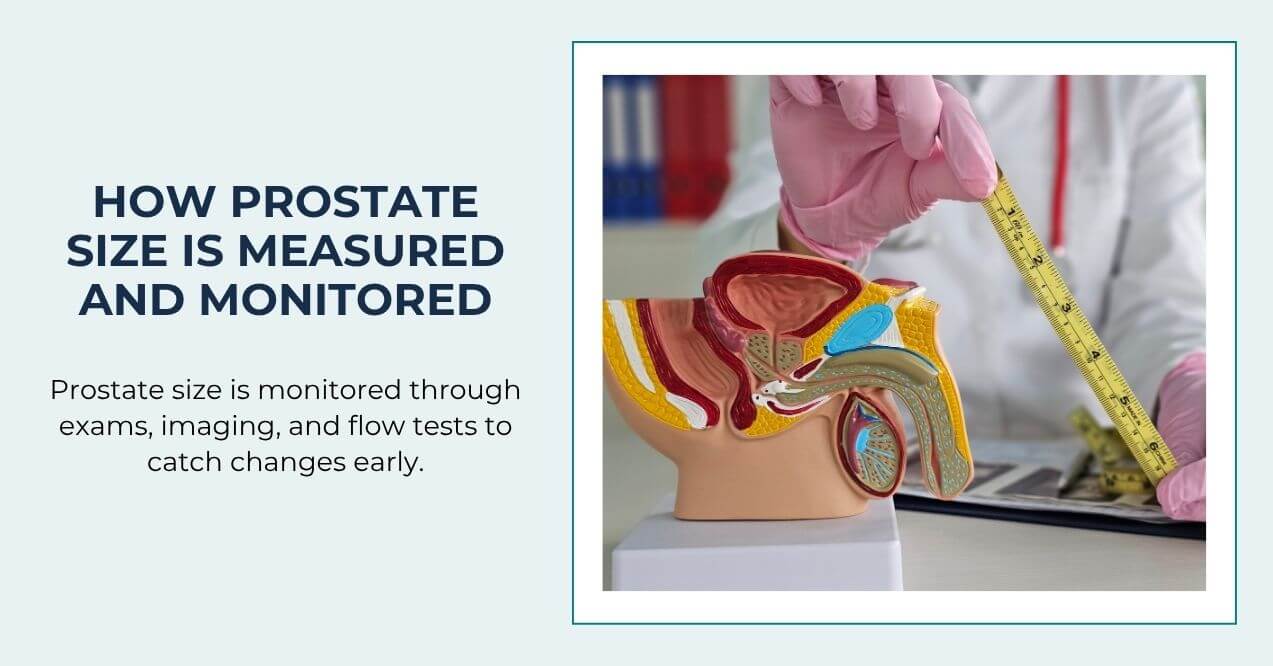
Healthcare providers use several simple, non-invasive methods to check your prostate health. These tools help track changes over time and guide decisions about your care. Regular monitoring catches issues early, often before symptoms become bothersome.
Digital rectal exams (DRE) allow providers to physically feel your prostate’s size, shape, and texture. While briefly uncomfortable, this quick check provides valuable information. Ultrasound imaging offers precise volume measurements and shows the prostate’s structure in detail.
Flow tests measure how quickly and smoothly urine passes through your system. These assessments paint a complete picture of your prostate health. Regular checks mean catching changes early, long before they significantly impact your life.
Your regular prostate size baseline helps providers spot meaningful changes. Annual monitoring becomes increasingly valuable as you age.
Why an Enlarging Prostate Requires Internal Support
While drinking less water before bed and limiting caffeine can help manage the symptoms of an enlarged prostate, these lifestyle tweaks do not address the root cause of the glandular growth. As your prostate size increases past the normal 30 cc threshold, it places immense physical pressure on your urethra and bladder. To actually support healthy prostate size and restore strong, complete urinary flow, you need targeted internal defense.
At PureHealth Research, our collection of supplements for prostate health is scientifically formulated to bridge the gap between simple lifestyle changes and comprehensive glandular support.
Why Support Your Prostate With Our Formulas?
- Targeted Glandular Relief: We utilize therapeutic doses of evidence-based botanicals—like Saw Palmetto, Pygeum, and Beta-Sitosterol—to directly support healthy prostate volume and function.
- Restores Urinary Flow: By nourishing the prostate and relaxing the surrounding muscles, our formulas help reduce nighttime wake-ups, stop post-urination dribbling, and support a strong, steady stream.
- Pure & Clean: Manufactured to be strictly gluten-free, dairy-free, soy-free, and non-GMO, ensuring your body receives premium, easily absorbable ingredients without synthetic fillers.
Ready to take control of your prostate size and sleep peacefully through the night? Explore the Full Prostate Health Supplements Collection Today.
Professional Options for Managing Oversized Prostates
When lifestyle changes and supplements no longer provide enough relief, several professional treatments can help restore comfort without major surgery. Modern medicine offers gentler approaches than ever before. These options focus on reducing pressure while preserving your body’s natural functions.
Water-based therapies use warm water or steam to gently adjust prostate tissue, improving urine flow within weeks. Mechanical lifting procedures physically hold tissue away from your urinary pathway, creating more space for natural flow. Vapor treatments encourage gradual tissue shrinking through controlled heating.
Prostate artery embolization represents another innovative approach. This procedure reduces blood flow to specific areas, allowing the prostate to naturally shrink over time. Each option is carefully selected based on your specific situation and health needs.
Professional guidance ensures you receive personalized care that fits your lifestyle and goals. These treatments help many men regain confidence and comfort in their daily routines.
Final Thoughts
Prostate changes are a natural part of aging, but they don’t have to control your life. While size measurements provide useful information, your daily comfort and quality of life matter most. Staying informed about what size of prostate is dangerous helps you make proactive choices.
Regular monitoring, healthy lifestyle habits, and appropriate supplements can maintain your comfort for years to come. When these approaches aren’t enough, professional options provide effective relief. The key is taking action early rather than waiting for symptoms to worsen.
Your prostate health journey is unique to you. By staying engaged with your health and seeking support when needed, you can maintain confidence and comfort throughout your life.
A normal prostate typically weighs 15-40 grams with a volume of 20-30 cc. These measurements vary among individuals, and slight increases with age are expected.
Prostates over 40 cc may cause symptoms, while those exceeding 80 cc are considered severely enlarged. However, symptoms matter more than size measurements alone.
No, some men with large prostates experience minimal symptoms while others with smaller prostates have significant discomfort. Individual response varies greatly.

Advertisement. This site offers health, wellness, fitness and nutritional information and is designed for educational purposes only. You should not rely on this information as a substitute for, nor does it replace, professional medical advice, diagnosis, or treatment. If you have any concerns or questions about your health, you should always consult with a physician or other health-care professional. Do not disregard, avoid or delay obtaining medical or health related advice from your health-care professional because of something you may have read on this site. The use of any information provided on this site is solely at your own risk.
Related Articles
What Vitamins Are Good for Prostate? D, E, Zinc and More
Written by Laura Kraujalyte | August 17, 2026
Can Enlarged Prostate Cause Constipation?
Written by Laura Kraujalyte | August 14, 2026
Does Alcohol Affect Prostate? Beer vs Wine vs Spirits
Written by Laura Kraujalyte | August 10, 2026

What Causes Bladder Stones and What Helps Them Pass
Written by Laura Kraujalyte | July 31, 2026
Does an Enlarged Prostate Affect a Man Sexually?
Written by Laura Kraujalyte | July 27, 2026

What Is Good for Prostate Health? 10 Proven Habits
Written by Laura Kraujalyte | July 24, 2026