Does Alcohol Affect Prostate? Beer vs Wine vs Spirits
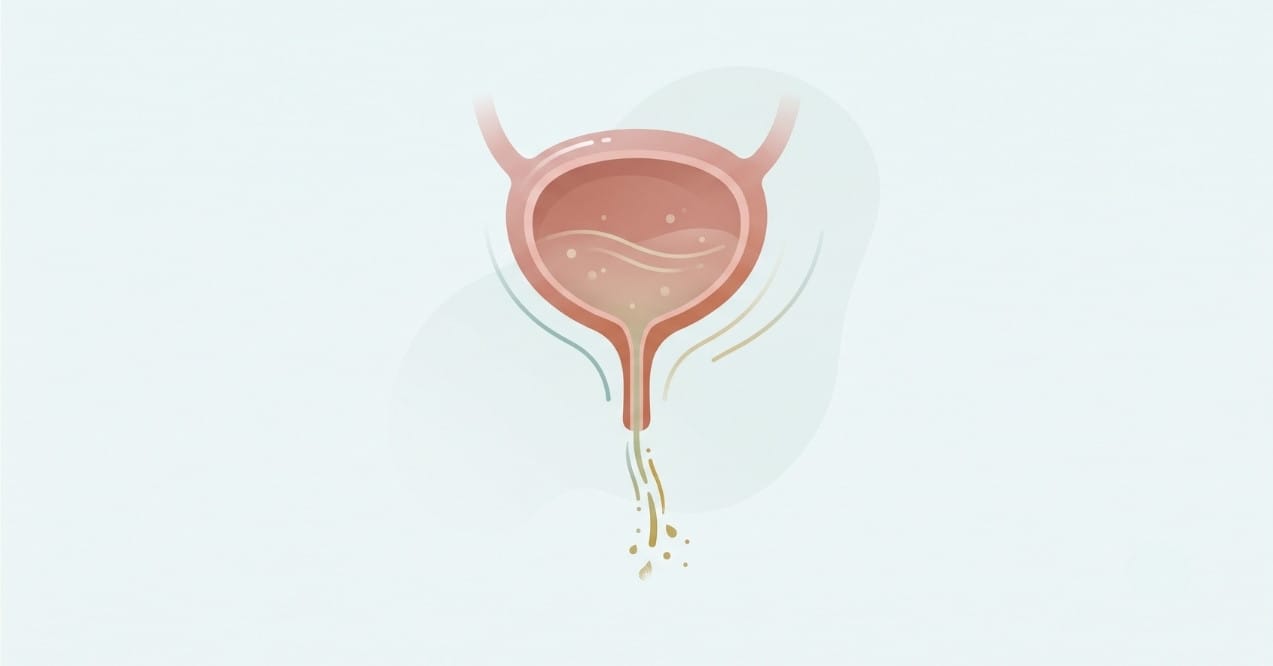
Does alcohol affect prostate health? Moderate drinking does not directly cause prostate enlargement, but alcohol acts as a diuretic and bladder irritant. That combination can noticeably increase urinary urgency, frequency, and nighttime waking.


 On This Page:
A drink with friends or a glass of wine at dinner is a normal part of life, so it is fair to ask: does alcohol affect prostate comfort and urinary flow? The short answer is that a single drink is unlikely to directly enlarge the prostate, yet alcohol is a powerful diuretic and bladder irritant.
That means an evening out can quickly turn mild urinary irritation into frustrating middle-of-the-night bathroom trips. Below, you will see how alcohol interacts with pelvic mechanics, how beer, wine, and spirits compare, how heavy drinking may affect PSA readings, and simple daily habits that support comfortable urinary flow.
How Does Alcohol Affect Prostate Health and Urinary Function?
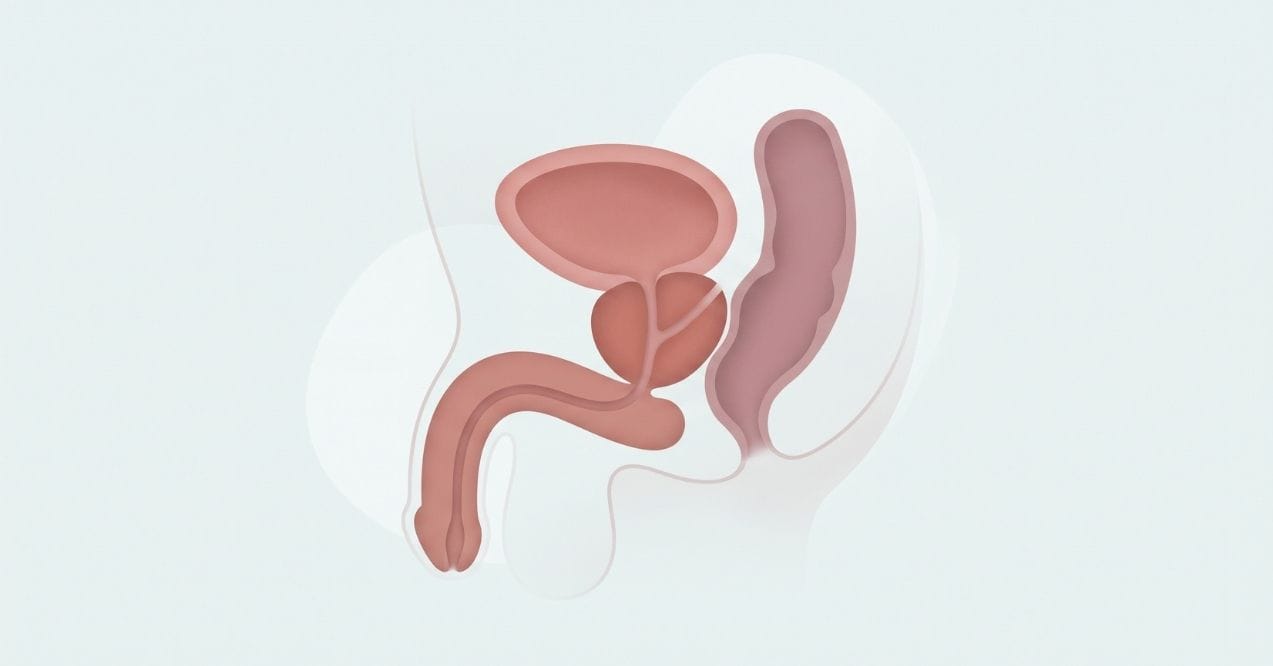
To make sense of how alcohol affects prostate health, it helps to look at the whole lower urinary tract rather than the gland alone. The prostate sits just below the bladder and wraps around the urethra, the tube that carries urine out of the body. As men age, normal prostate enlargement can narrow that passage, so anything that suddenly raises urine volume or irritates the bladder tends to be felt quickly.
Alcohol does both. It speeds urine production and can irritate the bladder lining, which is why a few drinks often lead to more frequent, more urgent trips. Some research even links moderate intake with a lower likelihood of enlargement itself, even as it aggravates urinary symptoms.
The Diuretic Effect and Bladder Neck Irritation
Alcohol suppresses vasopressin, the hormone that signals your kidneys to hold on to water. With less of that signal, the kidneys produce more urine, so an evening of drinking fills the bladder faster than usual. Because alcohol acts as a diuretic, men with an already tight bladder outlet feel this surge as sudden, hard-to-ignore urges. Alcohol can also irritate the bladder neck, which further heightens urgency.
Hormone Balance and Inflammatory Pathways
When you drink, the liver breaks alcohol down into acetaldehyde, a compound that can be irritating at higher levels. Regular intake may temporarily shift the balance of circulating hormones that influence prostate tissue, while heavier drinking raises oxidative stress and low-grade inflammation.
None of this directly enlarges the prostate, but it can make existing pelvic discomfort feel more pronounced. In short, alcohol rarely creates prostate issues on its own, yet it can amplify sensations you already notice.
| Mechanism | Impact on Pelvic/Urinary Tract | What You Notice |
| Suppressed vasopressin (diuretic) | More urine produced, faster bladder filling | Sudden urges, extra bathroom trips |
| Bladder lining irritation | Sensitized bladder and outlet | Burning sensation, urgency, weaker stream |
| Acetaldehyde and oxidative stress | Low-grade pelvic tissue irritation | Discomfort feels more pronounced |
| Shifted hormone balance | Temporary changes in tissue signaling | Day-to-day variation in comfort |
Beer vs Wine vs Spirits: How Different Drinks Affect the Prostate
Not every drink challenges the bladder in the same way, so the beer vs wine vs spirits question is worth answering directly. The two variables that matter most are total fluid volume and alcohol concentration. A drink that delivers a lot of liquid fills the bladder quickly, while a drink with a high alcohol percentage delivers more irritant per sip.
Carbonation and sugary mixers add their own irritation on top. Knowing where each beverage lands helps you make choices that fit social occasions without sacrificing a comfortable night. Here is how the three main categories compare for urinary wellness.
Is Beer Bad for an Enlarged Prostate?
Is beer bad for an enlarged prostate? Beer combines three challenging factors in one glass: a meaningful amount of alcohol, a high fluid volume, and carbonation with simple carbohydrates.
Drinking several pints floods the bladder rapidly, which is why beer is one of the most common triggers for sudden urgency and nighttime waking. It will not enlarge the prostate, but the sheer volume can make a weak urine stream and frequent trips feel worse the same evening.
Red Wine and Antioxidants
Many men ask what alcohol is good for prostate comfort, and red wine usually comes up because it contains polyphenols such as resveratrol. Some observational research links moderate red wine with neutral or slightly favorable associations, and low-to-moderate intake tends to follow a J-shaped urinary pattern in which small amounts look better than heavy ones. Still, red wine remains an alcoholic diuretic. A late glass can disturb bladder comfort even when its plant compounds sound appealing.
Hard Spirits and Whiskey
Is whisky good for prostate health? High-proof spirits like whiskey, vodka, and tequila pack more alcohol into a smaller pour. They deliver less total liquid than beer, so they fill the bladder more slowly, but the higher concentration can irritate the sensitive bladder lining and add to pelvic tightness.
Research comparing weak and strong alcoholic drinks suggests concentration matters, not just volume. Sugary or carbonated mixers only compound the irritation, so how you pour makes a difference.
| Beverage Type | Average Fluid Volume | Bladder Irritation Potential | Key Practical Tip |
| Beer (standard pint) | High (about 16 oz per pint) | Moderate to high (volume plus carbonation) | Space out pints; alternate with water |
| Wine (5 oz glass) | Moderate | Moderate (higher concentration than beer) | Enjoy earlier in the evening, not near bed |
| Spirits (1.5 oz shot) | Low per serving | High per ounce (concentrated alcohol) | Dilute well and skip sugary mixers |
Can Heavy Drinking Cause Long-Term Prostate Problems?
So far the focus has been on short-term comfort, but does heavy drinking cause prostate problems over the long run? It helps to separate two timelines. Occasional social drinking usually creates temporary urinary flares that settle within a day, while chronic, heavy intake is a different story.
Sustained oxidative stress and inflammation place ongoing demands on the body’s defenses. This is also where alcohol and prostate screening intersect, since long-term heavy drinking may lower PSA readings and mask early signals. Moderation is the recurring theme across the research, and it applies here more than anywhere else.
Acute Symptom Flares vs. Chronic Health Trends
A single evening of drinking typically brings acute symptom flares: more urgency, more nighttime waking, and a slower stream that eases as the alcohol clears. Chronic heavy drinking works on a longer timeline. Sustained intake can suppress immune balance and keep inflammation elevated, and larger reviews link higher long-term consumption with a modestly greater risk of aggressive prostate conditions. The takeaway is not fear, but perspective: frequency and quantity shape the bigger picture.
Chronic Inflammation and Aggressive Prostate Risks
Chronic heavy alcohol use taxes the body’s baseline defenses. It can shift hormone balance, fuel ongoing inflammation, and, alongside oxidative stress and impaired DNA repair, may add to the risk of more aggressive prostate conditions, with larger intakes carrying more risk in a dose-dependent way. Just as important, the heavy urinary, pelvic, and sexual symptoms that come with heavy drinking can overlap with and mask early warning signs, which may delay timely evaluation and care.
Daily Habits to Support Prostate and Bladder Comfort
You do not have to give up social occasions to protect your sleep and your urinary flow. A few practical habits make a real difference in how your bladder and prostate feel the morning after. The goal is simple: reduce the volume hitting your bladder late at night, dilute the irritants, and make sure the bladder is empty before bed.
Small, consistent choices tend to matter more than any single rule. Pair these habits with steady daily nutrition, and you can enjoy a drink without trading away a comfortable night’s rest.
Mindful Drinking Strategies for Better Sleep
A few timing tweaks go a long way:
- Set a cutoff time and finish alcoholic drinks three to four hours before bed so the diuretic effect can pass.
- Match every alcoholic drink with a glass of plain water to dilute the bladder and stay hydrated.
- Skip sugary or caffeinated mixers, which stack a second and third irritant on top of the alcohol.
These small adjustments help keep late-evening urgency from interrupting your sleep.
Balancing Hydration and Bladder Emptying
After an evening of drinking, try double voiding before bed: urinate, wait a minute or two, then try again. This helps you empty your bladder more completely and counteracts the extra fluid alcohol pushes through your system. A fuller-feeling bladder at bedtime is a common reason for that first middle-of-the-night wake-up. Taking a moment to fully empty before you lie down can reduce those interruptions and protect your rest.
Targeted Nutritional Support for Prostate Wellness
Mindful drinking reduces day-to-day bladder stress, and giving your body the right nutrients offers steady daily support that fits neatly into a routine. If you want to be proactive about what is good for prostate health, it is worth looking at a formula built specifically for men’s urinary and prostate wellness. PureHealth Research’s prostate health supplements bring together well-known botanicals such as Saw Palmetto and Pygeum along with Zinc, a mineral involved in normal prostate function.
Rather than a single isolated extract, the collection combines complementary ingredients in one convenient daily serving, which sets it apart from many single-ingredient options on the shelf. It is made to support healthy urinary flow, help maintain normal bladder emptying, and promote overall prostate wellness as part of a balanced lifestyle. Think of it as a daily companion to the smart drinking habits above, not a replacement for them. Explore the collection to see whether it fits your routine.
Conclusion
Does alcohol affect prostate health? Not by directly enlarging the gland, but its diuretic and irritant effects clearly shape how your bladder and prostate feel each day. Choosing drinks mindfully, stopping alcohol a few hours before bed, and pairing each drink with water all help maintain comfortable urinary flow. Combined with healthy habits and targeted daily nutrition, you can enjoy social occasions without sacrificing a good night’s rest.
No alcohol is truly beneficial, but if you drink, moderate red wine tends to be gentler than beer or spirits. Its plant compounds show neutral-to-favorable associations, though it remains a diuretic that can still disturb late-night comfort.
Beer will not enlarge the prostate, but its large volume, carbonation, and alcohol make it a frequent trigger for sudden urgency and nighttime waking. Spacing pints and alternating with water can ease that burden.
Yes, it may. Long-term heavy drinking has been linked to lower PSA readings, which can make screening results harder to interpret. Share your drinking habits with a qualified health professional before testing.
Occasional drinking mainly causes short-term urinary flares. Chronic heavy intake raises inflammation and oxidative stress and is linked to a modestly higher risk of aggressive prostate conditions, so moderation matters most.
It is generally advised to avoid alcohol for a period afterward, since it can irritate the bladder while you recover. Follow the personalized guidance of your care team on timing and amounts.

Advertisement. This site offers health, wellness, fitness and nutritional information and is designed for educational purposes only. You should not rely on this information as a substitute for, nor does it replace, professional medical advice, diagnosis, or treatment. If you have any concerns or questions about your health, you should always consult with a physician or other health-care professional. Do not disregard, avoid or delay obtaining medical or health related advice from your health-care professional because of something you may have read on this site. The use of any information provided on this site is solely at your own risk.
Related Articles
What Vitamins Are Good for Prostate? D, E, Zinc and More
Written by Laura Kraujalyte | August 17, 2026

Can Enlarged Prostate Cause Constipation?
Written by Laura Kraujalyte | August 14, 2026
What Causes Bladder Stones and What Helps Them Pass
Written by Laura Kraujalyte | July 31, 2026
Does an Enlarged Prostate Affect a Man Sexually?
Written by Laura Kraujalyte | July 27, 2026

What Is Good for Prostate Health? 10 Proven Habits
Written by Laura Kraujalyte | July 24, 2026
Weak Urine Stream: When It’s Normal, When It’s Not
Written by Laura Kraujalyte | July 20, 2026