How to Empty The Bladder Properly (And Why It Matters)
If you feel like you can't empty your bladder completely, simple adjustments to your posture, relaxation techniques, and daily habits can help support normal, healthy urinary function.


 On This Page:
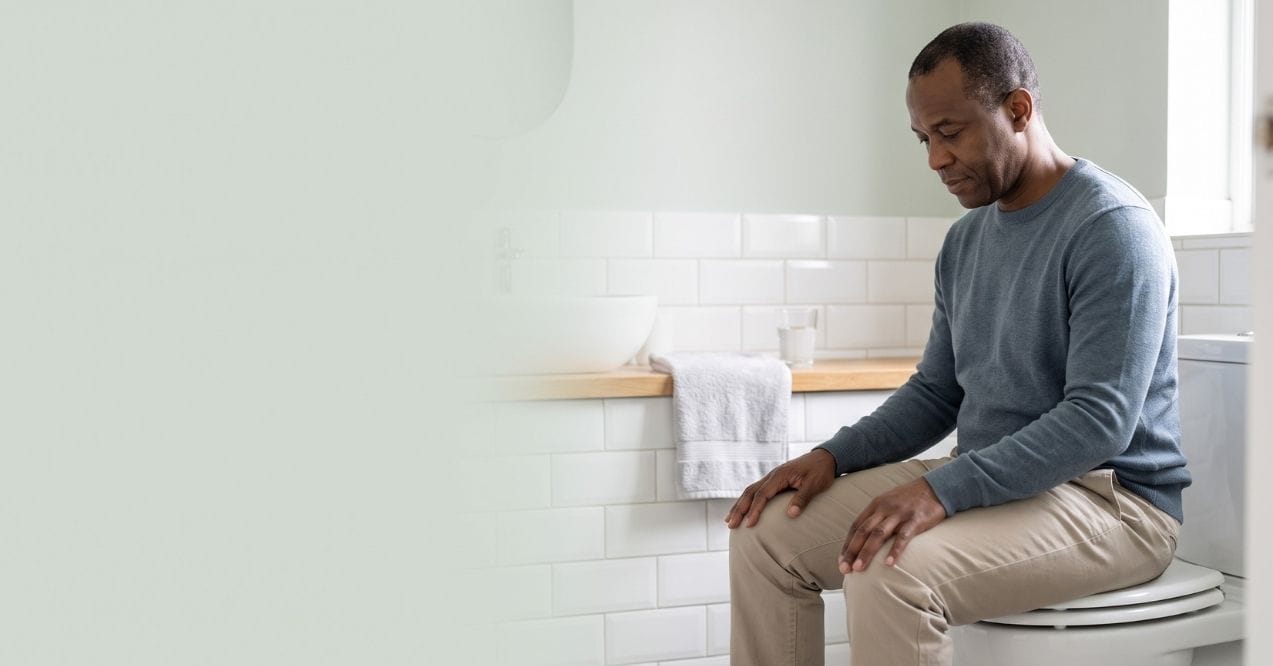
Few things are as frustrating as sitting down, feeling the urge, then standing up unfinished. Learning how to empty the bladder properly comes down to three things: relaxing the pelvic floor, adjusting how you sit, and supporting the muscles and habits behind steady urinary flow. None of it takes special equipment.
This article walks through techniques you can apply on your very next bathroom trip, along with the daily habits that may make each visit more complete. It also covers the point where the situation calls for professional support rather than self-care.
What Incomplete Bladder Emptying Means
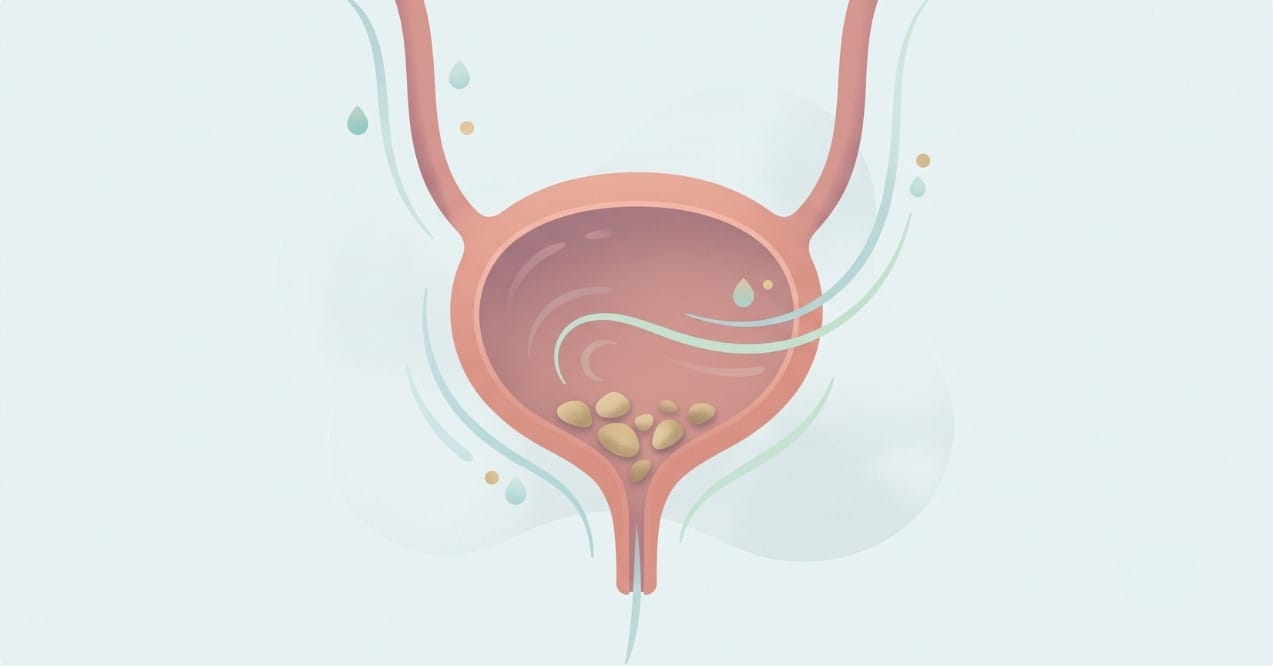
Incomplete bladder emptying means urine remains in the bladder after you finish urinating. The bladder is a muscular, balloon-like organ that stretches as it fills, then squeezes down to push urine through the urethra. Most adult bladders hold roughly 300 to 600 mL, about two cups, before the urge becomes hard to ignore.
The urine left behind afterward is called post-void residual, or PVR. It is measured with a bladder scanner or ultrasound rather than by feel, and small amounts are considered normal. Larger volumes may suggest the bladder muscle is not contracting with full strength, or that flow is partly restricted on the way out.
Sensation is not a reliable guide here. Some people feel finished when urine remains, while others feel unfinished when very little is left.
Why Is Your Bladder Not Fully Emptying?
Emptying depends on two things happening together: the bladder wall contracting, and the sphincter muscles releasing. Several ordinary factors can interrupt that coordination. In men, the prostate gland surrounds the urethra and may gradually enlarge with age, narrowing the passage.
In women, shifts in pelvic organ support can change the angle of the urethra. Nerve signaling between the bladder and brain may also weaken over time. Stress, rushing, or the discomfort of an unfamiliar restroom can keep the pelvic floor tense when it needs to let go.
7 Practical Techniques: How to Empty Bladder Completely
These techniques focus on how to empty your bladder completely by working with the body’s natural reflexes instead of forcing them. Most take only a few seconds to apply, and several can be combined in the same visit.
1. Stop Hovering and Sit Down
Hovering above the seat keeps your thighs, glutes, and pelvic floor contracted. Those are the same muscles that need to release before urine flows freely, so hovering asks the bladder to push against resistance. A pooled analysis of eleven studies in men found lower post-void residual volumes in the seated position among those with prostate enlargement, though healthy participants showed no clear difference.
2. Lean Forward and Elevate Your Knees
Resting your feet on a small stool raises your knees above hip level and opens the pelvic outlet. Leaning your torso slightly forward, with forearms on your thighs, adds a gentle downward angle that may help the stream travel straight into the bowl. The change costs nothing and takes no extra time.
3. Breathe Deeply and Never Push
Bearing down with your abdominal muscles feels productive, but it tends to tighten the pelvic floor rather than release it. That raises pressure above the bladder while narrowing the exit below. Slow belly breathing works better: place a hand on your stomach, inhale so the hand rises, then exhale gradually as the stream begins. Let the bladder do the contracting.
4. Try the Double-Voiding Method
Double voiding gives the bladder muscle a second attempt. Urinate normally, stay seated or step away briefly, then sit and try again after thirty to sixty seconds. Some people find that washing their hands under warm water between attempts helps the pelvic floor settle. Focus on releasing rather than squeezing, and stop after the second attempt rather than repeating it many times.
5. Utilize Gentle External Cues
Sensory cues may nudge a sluggish bladder into contracting. Running the tap, tapping lightly over the lower abdomen, or stroking the lower back are all commonly suggested by pelvic floor specialists. Evidence here is descriptive rather than trial-based, so consider them optional prompts and ask a pelvic health professional before relying on them regularly.
6. Don’t Linger or Force the Issue
Sitting on the toilet for several minutes waiting for more may train the bladder to signal at smaller volumes. Give yourself unhurried time, roughly a minute of relaxed effort, then finish. Lingering, scrolling, and repeatedly straining tend to reinforce the habit you are trying to change. Comfort and privacy help more than persistence does.
7. Listen to Your Body’s Natural Urges
Postponing bathroom trips keeps the bladder stretched longer than it is built for, which over time may reduce how forcefully the wall contracts. Going at the first clear urge supports normal signaling. The opposite habit matters too, since “just in case” visits may train the bladder toward smaller volumes.
Bathroom Habits for Complete Bladder Emptying
| What to Do | Why It Helps | What to Avoid |
| Sit fully on the seat | Lets the pelvic floor muscles release | Hovering above the bowl |
| Elevate feet on a low stool | Opens the pelvic outlet and improves the drainage angle | Sitting bolt upright with feet flat |
| Breathe slowly out through the mouth | Lowers abdominal pressure so the bladder can contract | Holding your breath or bearing down |
| Wait 30 to 60 seconds, then try again | Gives the bladder muscle a second contraction | Repeating the attempt five or six times |
| Allow about a minute, unhurried | Enough time without retraining the bladder | Lingering and scrolling on the toilet |
| Go at the first clear urge | Supports normal bladder signaling | “Just in case” trips and long delays |
Prostate Health and Bladder Retention Urine
For men, the prostate is often the piece of the puzzle behind the sensation of bladder retention urine. The gland sits directly beneath the bladder and wraps around the upper urethra, so any increase in its size narrows the channel urine travels through. As that channel narrows, the stream may weaken, start hesitantly, or stop and restart.
The bladder compensates at first by contracting harder, and over time that extra workload may leave the muscle less efficient. This is part of why the feeling of not finishing tends to build slowly rather than appear overnight. Age, family history, and hormonal shifts all influence gland size, and you can read more about what causes an enlarged prostate in our companion guide.
Nutritional support for the prostate. PureHealth Research’s prostate supplements collection is formulated for men who want to maintain a healthy prostate and support normal, steady urinary flow as part of a daily routine.

The collection gives you two ways in. ProFlow+ combines six ingredients in one capsule: saw palmetto, stinging nettle, pygeum africanum, French maritime pine bark, selenium, and 100 mg of lycopene, selected to work as a blend rather than as isolated extracts. If you prefer a single-ingredient approach, the standalone Lycopene capsule provides 250 mg of this tomato-derived antioxidant on its own.
Both are once-daily capsules taken with water, so neither adds a step to your morning. They are intended to support normal function alongside the habits above, not to replace professional care, and individual responses vary. Browse the collection to compare the two formulas and pick the one that suits your routine.
The Surprising Gut-Bladder Connection
What happens in your digestive tract shapes what happens in your bladder more than most people expect. The two systems share space in the pelvis, draw on overlapping nerve pathways, and depend on many of the same muscles for control. A bowel habit problem can therefore show up as a urinary complaint. Daily choices around fiber, fluid, and food carry real weight here, though these adjustments tend to work over weeks rather than days.
How Constipation Causes Bladder Pressure
The rectum sits immediately behind the bladder. When it is loaded with stool, it presses forward and reduces the space the bladder has to fill and contract within. In a large cross-sectional survey of men aged 40 and over, those reporting three or fewer bowel movements per week had roughly twice the odds of reporting incomplete bladder emptying. That study shows an association rather than proof of cause, but keeping bowel movements regular and soft remains a sensible starting point.
Hydration and Dietary Choices
Cutting back on water to reduce bathroom trips usually backfires. Less fluid means more concentrated urine, which may irritate the bladder lining and increase urgency at lower volumes. Steady sipping through the day, easing off in the two hours before bed, tends to work better than large infrequent glasses.
Certain foods and drinks may aggravate sensitive bladders, including caffeine, tea, alcohol, carbonated drinks, and citrus. If you suspect a trigger, our guide to what irritates the bladder and our list of foods for bladder health can help you test one item at a time.
When to Seek Professional Support
Self-care techniques suit mild, occasional difficulty emptying bladder sensations. They are not the right tool for every situation. If you absolutely can’t empty your bladder at all and feel building pressure or lower abdominal pain, that is a medical emergency and needs urgent care the same day.
Ongoing difficulty deserves a proper assessment. A urology professional can measure post-void residual, review your flow, and check for causes that habits alone will not address.
Pelvic floor muscle training is another avenue worth raising. A review of randomized trials found it improved urinary symptoms and quality of life in women, though those trials focused mainly on leakage rather than emptying and depended heavily on supervised technique]. A trained professional can teach you which muscles to release rather than tighten.
Track Your Pattern With a Bladder Diary
A short bladder diary turns a vague complaint into useful information. Over three consecutive days, note the time of each bathroom visit, roughly how much came out, what you drank and when, and whether the visit felt complete. Include one weekend day if you can. Written records like this are commonly used in urology assessments and often reveal patterns, such as evening fluid timing, that memory alone misses.
Conclusion
Emptying your bladder properly is less about effort and more about release. Sit fully, raise your knees, breathe out slowly, and give the bladder a second chance through double voiding. Support that with regular bowel habits, steady hydration, and attention to prostate health as the years pass. Take your time in the restroom, stay consistent with the daily habits, and reach out for professional input when the pattern persists.
Urine left behind after voiding can keep the bladder wall stretched, which continues sending urge signals. Rushing, tense pelvic floor muscles, or a narrowed urethra are common contributors worth discussing if the feeling persists.
Occasionally delaying is normal. Repeatedly holding for long periods keeps the bladder wall stretched, and over time this may reduce how forcefully it contracts. Going at the first clear urge supports normal function.
Straining tends to tighten the pelvic floor rather than open it, working against the flow you want. It may also strain the abdominal wall. Slow belly breathing is a better approach.
Small residual amounts are typical, and the volume rises modestly with age. Only a bladder scan or ultrasound can measure it accurately, so sensation alone is not a reliable indicator.

Advertisement. This site offers health, wellness, fitness and nutritional information and is designed for educational purposes only. You should not rely on this information as a substitute for, nor does it replace, professional medical advice, diagnosis, or treatment. If you have any concerns or questions about your health, you should always consult with a physician or other health-care professional. Do not disregard, avoid or delay obtaining medical or health related advice from your health-care professional because of something you may have read on this site. The use of any information provided on this site is solely at your own risk.
Related Articles
What Vitamins Are Good for Prostate? D, E, Zinc and More
Written by Laura Kraujalyte | August 17, 2026
Can Enlarged Prostate Cause Constipation?
Written by Laura Kraujalyte | August 14, 2026
Does Alcohol Affect Prostate? Beer vs Wine vs Spirits
Written by Laura Kraujalyte | August 10, 2026
What Causes Bladder Stones and What Helps Them Pass
Written by Laura Kraujalyte | July 31, 2026
Does an Enlarged Prostate Affect a Man Sexually?
Written by Laura Kraujalyte | July 27, 2026
What Is Good for Prostate Health? 10 Proven Habits
Written by Laura Kraujalyte | July 24, 2026