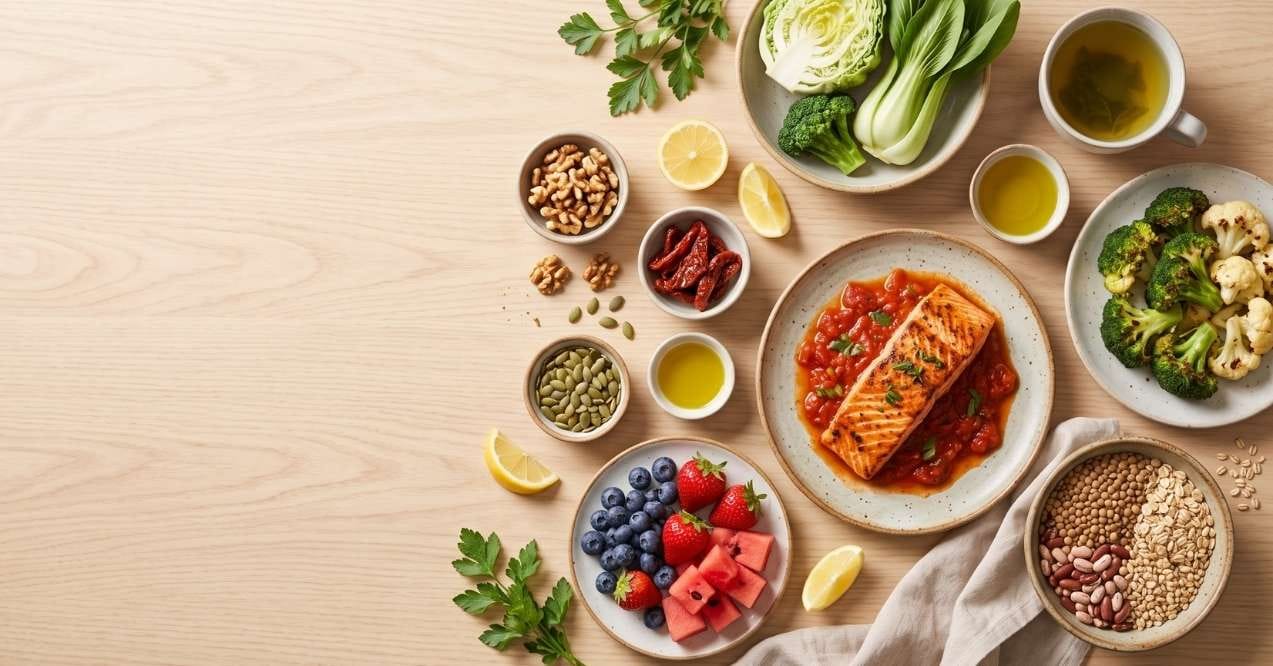
What Irritates Bladder? What to Cut and What to Keep
Wondering what irritates your bladder? The most common culprits include caffeine, alcohol, acidic foods, and artificial sweeteners. Discover how to identify your unique triggers and make smart dietary swaps.



 On This Page:
Few things disrupt a day faster than a sudden urge that arrives without warning. If you have been asking what irritates bladder comfort, the answer often sits in your cup or on your plate.
Certain foods and drinks change the chemistry of urine or overstimulate the detrusor, the muscle that squeezes the bladder, which may leave you feeling urgency long before the bladder is full.
This guide is not a list of foods to give up forever. It walks through the usual triggers, explains why each one may bother sensitive bladders, and shows you how to find your personal pattern while keeping meals you enjoy.
Common Foods That Irritate the Bladder
Foods that irritate the bladder tend to work through one of three routes: they increase urine output, they make urine more acidic, or they stimulate the nerves in the bladder wall directly. Knowing which route is involved makes the list far easier to work with.
Most of the evidence here comes from population surveys and questionnaire studies rather than large controlled trials, so the findings describe patterns rather than certainties. Some people react strongly to a single item. Others notice nothing until several triggers stack up in the same day.
Caffeine, Carbonation, and Alcohol
Coffee and tea act on two fronts. Caffeine has a mild diuretic effect that increases urine volume, and both drinks are moderately acidic. Higher caffeine intake has been linked with more reported urgency and leakage in observational research, though the effect appears dose related rather than all or nothing.
Carbonation adds gas and dissolved acid, which may add to the sensation of pressure. Alcohol both increases output and may dull the signals between brain and bladder.
Acidic Foods and Citrus
High-acid foods can lower urine pH, and a more acidic environment may feel uncomfortable if the bladder lining is already sensitive. The usual offenders are oranges, lemons, limes, grapefruit, tomatoes and tomato sauces, pineapple, and cranberry juice.
Much of the support for this group comes from symptom surveys in people with sensitive bladders, so it applies less strongly to everyone else. Cooked tomato products often bother people more than fresh ones.
Artificial Sweeteners and Spices
Two categories catch people off guard. Artificial sweeteners such as aspartame and saccharin appear on nearly every irritant list, and diet sodas deliver them alongside carbonation. Spicy foods contain capsaicin, which activates sensory nerve receptors found in the bladder wall as well as the mouth.
Foods high in tyramine, including aged cheeses, cured meats, and soy sauce, are also commonly listed, although the evidence linking tyramine specifically to urinary symptoms remains limited.
Smart Swaps for a Bladder-Friendly Diet
| Common Irritant | Why It May Trigger Symptoms | Bladder-Friendly Swap |
| Coffee and black tea | Caffeine increases urine output, plus moderate acidity | Low-acid coffee, weak herbal tea, chicory or roasted grain brews |
| Cola and diet soda | Carbonation, caffeine, and artificial sweeteners together | Still water with cucumber or a splash of pear juice |
| Orange and grapefruit juice | High citric acid lowers urine pH | Blueberry or pear juice diluted with water |
| Milk chocolate | Contains caffeine and related stimulants | White chocolate, which contains little to none |
| Tomato sauce | Concentrated acidity | Roasted red pepper or squash-based sauce |
| Chili and hot sauce | Capsaicin stimulates sensory nerves | Garlic, basil, oregano, and mild paprika |
| Aged cheese and cured meats | Higher tyramine content | Fresh mozzarella, cottage cheese, unprocessed poultry |
| Cantaloupe and strawberries | Acidity reported by sensitive individuals | Honeydew, watermelon, blueberries, pears |
The Hydration Paradox: Why Drinking Less Water Makes It Worse
Cutting back on water is the first change most people try, and it usually makes the day harder. When fluid intake drops, the kidneys concentrate urine into a smaller, darker, more chemically loaded volume.
That concentrated urine sits against the bladder lining and may increase the same urgency you were trying to avoid. Low fluid intake can also mean the bladder is flushed less often, which is not ideal for general urinary comfort.
Steady hydration works better than restriction. The goal is not to drink enormous amounts, but to keep urine pale and spread intake across the whole day so the bladder is never asked to fill quickly.
How to Hydrate Smartly
Sip rather than gulp. Small amounts every hour keep urine dilute without sudden filling, while a large bottle downed at once may produce urgency within minutes.
Aim for pale yellow urine as a rough hydration guide; darker shades generally suggest you need more fluid. Taper intake in the two to three hours before bed, and count water-rich foods such as melon, cucumber, and soup toward your daily total.
A Simple Addition to Your Daily Routine
Diet changes are easier to keep up when the rest of your routine stays simple. The PureHealth Research supplements for prostate health collection is made for men who want to support normal urinary flow and healthy prostate function alongside the habits above.
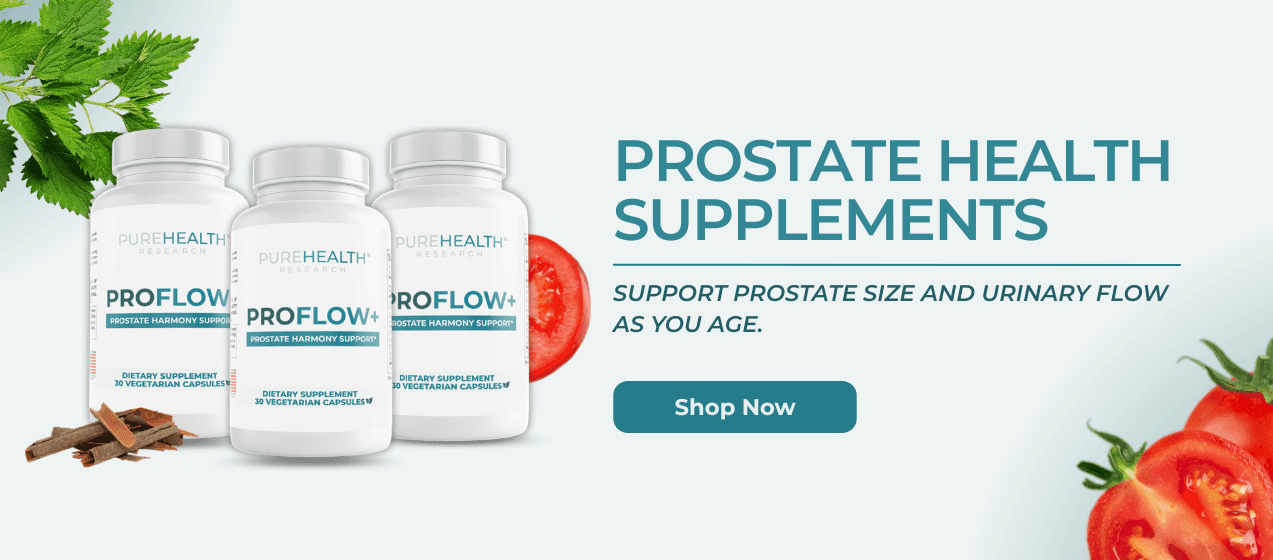
ProFlow+ brings together six botanical and mineral ingredients: saw palmetto, stinging nettle, pygeum africanum, French maritime pine bark, selenium, and 100 mg of lycopene. If you prefer a single-ingredient option, the Lycopene capsule delivers 250 mg of this tomato-derived antioxidant on its own, concentrated into a capsule rather than an acidic sauce.
Both are one capsule daily, so they fit a morning routine without adding another beverage to the fluid timing you are working on. That sets them apart from powders and tonics that arrive at the wrong moment in your day. Compare the two labels and choose the one that suits your routine.
Bladder Irritants Symptoms to Watch For
Bladder irritants symptoms usually show up as a change from your normal pattern rather than something dramatic. The most commonly reported signs include:
- A sudden, strong urge that arrives with little warning
- More bathroom trips than usual, often more than eight in a day
- Waking once or more at night to urinate
- Mild pressure, spasm, or a heavy feeling low in the pelvis
- A sense that the bladder is not fully empty
These are signs of irritation, not a diagnosis of any specific condition. Many are influenced by fluid timing, sleep, and stress as much as by diet. If symptoms are persistent, painful, or accompanied by blood in the urine, that warrants a professional evaluation rather than a dietary experiment.
How to Calm an Irritated Bladder with an Elimination Strategy
The most reliable way to learn how to calm an irritated bladder is a structured trial rather than guesswork. Removing everything at once tells you very little, because you never learn which item mattered.
A workable sequence has four parts: track your current pattern, remove the top offenders for a short period, reintroduce them one at a time, and then add supportive habits that make the routine sustainable. Natural remedies for irritable bladder discomfort work best in that order, since additions are easier to judge once the obvious triggers are gone.
Expect this to take several weeks. Bladder sensitivity changes slowly, and patience produces clearer answers than speed.
Keeping a Bladder Diary
For one week, note what you drink, what you eat, when you use the bathroom, and how strong each urge felt. A simple phone note works as well as any template.
Patterns emerge quickly once the data sits in one place. Personal sensitivity varies widely, so an item that troubles a friend may be entirely fine for you.
The 1-to-4-Week Elimination Protocol
Remove the top offenders completely for one to four weeks. That short list is typically coffee, tea, cola, alcohol, artificial sweeteners, chocolate, citrus, and spicy foods.
One week is often enough to notice a change, while four weeks gives sensitive bladders more settling time. Keep the diary running throughout so you can compare your baseline with the trial period.
Reintroducing Foods to Find Your Threshold
Add one item back every three to four days and watch what happens. If symptoms return, you have found a trigger. If nothing changes, that food can stay in your diet.
Quantity often matters more than the food itself. Half a cup of coffee may sit comfortably when two cups do not, so test small portions before ruling anything out permanently.
Soothing Beverages and Anti-Inflammatory Additions
What you add can matter as much as what you cut. Non-citrus herbal teas such as chamomile or rooibos, barley water, and plain still water are the gentlest daily options, and you can find more ideas in this guide to foods for bladder health.
Pumpkin seed oil is frequently suggested for urinary comfort, and one small human study reported improvements in urinary measures, though the sample was limited and the results are early.
Conclusion
Managing bladder comfort does not mean giving up food you enjoy. It means finding which items affect you personally, making swaps that still taste good, and keeping your hydration steady with plain water rather than cutting back. Start a bladder diary today, work through one trigger at a time, and let your own pattern guide the changes you keep.
Most people notice a difference within one to two weeks of removing their main triggers. More sensitive bladders may need up to four weeks before the change becomes clear.
Cranberry juice is acidic and appears on most irritant lists, so it may add to discomfort. If you want the fruit, try a small diluted amount and track your response.
Bananas appear on some lists because of their tyramine content, but many people tolerate them well. They are worth testing individually rather than avoiding automatically.
Plain still water is the gentlest choice. Non-citrus herbal teas and barley water are reasonable alternatives when you want something with more flavor.
Stress does not irritate the lining chemically, but it may increase urgency and bathroom frequency through the nervous system. Sleep and relaxation habits often affect symptoms alongside diet.

Advertisement. This site offers health, wellness, fitness and nutritional information and is designed for educational purposes only. You should not rely on this information as a substitute for, nor does it replace, professional medical advice, diagnosis, or treatment. If you have any concerns or questions about your health, you should always consult with a physician or other health-care professional. Do not disregard, avoid or delay obtaining medical or health related advice from your health-care professional because of something you may have read on this site. The use of any information provided on this site is solely at your own risk.
Related Articles
What Vitamins Are Good for Prostate? D, E, Zinc and More
Written by Laura Kraujalyte | August 17, 2026
Can Enlarged Prostate Cause Constipation?
Written by Laura Kraujalyte | August 14, 2026
Does Alcohol Affect Prostate? Beer vs Wine vs Spirits
Written by Laura Kraujalyte | August 10, 2026
What Causes Bladder Stones and What Helps Them Pass
Written by Laura Kraujalyte | July 31, 2026
Does an Enlarged Prostate Affect a Man Sexually?
Written by Laura Kraujalyte | July 27, 2026

What Is Good for Prostate Health? 10 Proven Habits
Written by Laura Kraujalyte | July 24, 2026