Weak Urine Stream: When It’s Normal, When It’s Not
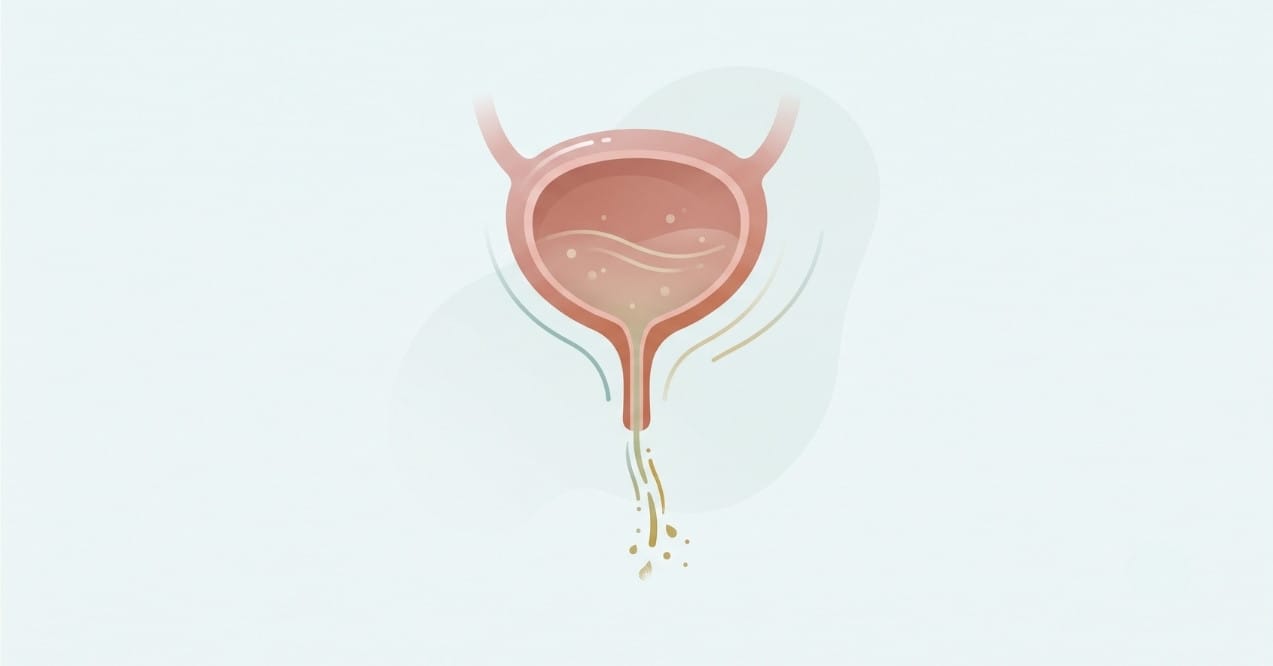
A weak urine stream can result from prostate changes, pelvic floor tension, or certain over-the-counter products. While often manageable, sudden changes in your urinary flow require prompt medical attention.


 On This Page:
Noticing a weak urine stream can be unsettling, particularly when bathroom visits start taking longer than they once did. Changes in urinary flow are common, and they usually develop slowly enough that many people only notice once the difference becomes hard to ignore.
A weak stream is not a condition on its own. It is a signal, and it usually points to something mechanical or muscular happening between the bladder and the outside world. This article explains what healthy flow looks like, what commonly slows it down, and which practical steps you can take today.
What Is Considered a Weak Urine Stream?
A healthy stream begins within a few seconds of relaxing, flows steadily without stopping and starting, and finishes without leaving a lingering sense of fullness. Flow rate is one of the standard measures used to assess lower urinary tract function, which is why it is often recorded during a clinical visit.
Published reference ranges show that typical flow rates vary with age and with how full the bladder is, so a single slow episode carries far less weight than a consistent pattern.
By comparison, several patterns suggest that flow has weakened:
- A long pause before anything happens, sometimes called hesitancy in urine
- A stream that splits, sprays, or stops and restarts partway through
- Noticeably less force than you were used to
- A sense that the bladder has not fully emptied afterward
- Dribbling that continues after you think you have finished
Occasional variation is normal. Cold weather, a rushed moment, or a very full bladder can all change a single episode. What matters is a pattern that persists across days and weeks.
What Causes a Weak Urine Stream?
Most causes fall into two broad groups. The first involves narrowing somewhere along the urethra, the tube that carries urine out of the bladder. The second involves the bladder wall itself losing some of the force it needs to push urine through.
That distinction matters because the two groups feel different and respond to different approaches. Narrowing tends to produce straining and a thin, slow stream. Reduced bladder force tends to produce a stream that starts weakly and trails off, often with a feeling of incomplete emptying.
Several everyday factors sit on top of both, including hydration habits, bowel pressure, and how tense the pelvic muscles are at the moment you try to go.
Pelvic Floor Dysfunction and Female-Specific Factors
Women experience trouble peeing as well, and the pelvic floor is frequently involved. These muscles sit beneath the bladder and need to release for urine to pass freely. When they stay tight, flow may narrow rather than open. Pelvic organ shifting and nerve changes following pregnancy and childbirth may also alter how efficiently the bladder empties.
Over-the-Counter Products That Interfere With Bladder Signals
Some common over-the-counter products may quietly reduce urinary flow. Antihistamines and decongestants are frequent examples, since both may dampen the nerve signals that tell the bladder muscle to contract.
The effect is usually temporary and tends to fade once the product leaves your system. If flow changed shortly after you started something new, that timing is worth noting.
Prostate Changes in Men
The prostate sits directly below the bladder and surrounds the upper portion of the urethra. Over time it tends to grow, a natural and non-cancerous change described as benign prostate enlargement. As the gland expands, it may press inward on the urethra and narrow the channel, which can make the stream slower and harder to start.
This is one of the most frequent explanations for a weak stream of urine in men, and you can read more about what causes an enlarged prostate for more detail on how the gland changes over time.
Nutritional Options for Prostate Health
Because prostate changes sit so close to urinary comfort, many men look for nutritional support alongside their daily habits. PureHealth Research’s prostate supplements collection was built around that goal, and it gives you two clear paths depending on how targeted you want to be.

ProFlow+ is the broader option, combining six plant and mineral ingredients in a single daily capsule: saw palmetto, stinging nettle, lycopene, French maritime pine bark, pygeum africanum, and selenium. The appeal is coverage. Rather than buying several bottles, you get one combination formula that supports healthy prostate function and normal urinary flow.
For a simpler approach, the standalone Lycopene capsule delivers 250 mg of this well-studied antioxidant, which naturally concentrates in prostate tissue. It suits men who already take other supplements and want to add one focused nutrient without overlapping ingredients.
Both are once-daily capsules, so neither adds much to your routine. Individual responses vary, and neither replaces professional care. If you are already working on hydration, fiber, and relaxed voiding habits, the collection is a reasonable next step.
Underactive Bladder and Nerve Issues
The bladder relies on clear signaling between the nervous system and the muscle wall. When that communication weakens through nerve changes or long-term metabolic conditions, the bladder may not contract with enough force to produce a strong stream. People often describe this as a slow start, a soft flow, and a lingering sense that something is still left behind.
Which Symptom Points to What
| Symptom or Concern | Possible Explanation | What to Consider |
| Long delay before the stream starts | Pelvic floor tension or narrowing along the urethra | Try relaxed, unhurried voiding before assuming a structural cause |
| Straining with a thin, slow stream | Narrowing, often prostate-related in men | Track how long the pattern has lasted and whether it is worsening |
| Dribbling after finishing | Incomplete bladder emptying | Consider waiting a moment and attempting a second void |
| Sudden onset within days | Recently started over-the-counter product, or an acute cause | Note the timing and seek medical guidance promptly |
| Weak start that trails off, with fullness afterward | Reduced bladder muscle force | Discuss persistent symptoms with a healthcare provider |
| Symptoms worse when constipated | Pressure from a full bowel on nearby structures | Support regularity through fiber, fluids, and activity |
| Complete inability to pass urine | Acute retention | Seek emergency medical attention immediately |
Practical Ways to Support Healthy Urinary Flow at Home
Everyday habits influence urinary flow more than most people expect. None of the following replaces medical assessment, and none will change a structural narrowing. What they may do is reduce the everyday factors stacked on top of it, which for some people is enough to make the difference noticeable.
The most useful changes tend to be unglamorous: steady fluid intake, regular bowel habits, less tension at the moment of voiding, and fewer bladder irritants in the diet. Give any adjustment a few weeks before judging it, and keep a short log of what changed. That record is also useful information to bring to an appointment, since flow patterns are difficult to describe accurately from memory.
Hydration and Timed Voiding
Fluid habits pull in two directions. Drinking a large volume quickly may overwhelm the bladder, while drinking too little concentrates urine and may irritate the bladder lining. Steady sipping across the day tends to work better than large amounts at once. Timed voiding, meaning going on a set schedule rather than waiting for urgency, may help the bladder settle into a more predictable rhythm.
Pelvic Floor Awareness and Relaxation
Pushing rarely helps. Straining tightens the pelvic floor at exactly the moment it needs to release, which may narrow the channel further. A slower approach usually works better: sit or stand comfortably, take a full breath out, and let the muscles soften rather than forcing the stream. Our guide on how to empty your bladder covers this technique in more detail.
Supporting Bowel Regularity to Reduce Pelvic Pressure
The bowel and the urinary tract share limited space in the pelvis, so pressure in one may affect the other. Significant constipation can press against the bladder and urethra and narrow the path urine takes. Supporting gentle regularity through daily fiber, consistent hydration, and regular movement may reduce that pressure and allow the bladder to empty more efficiently.
Limiting Dietary Bladder Irritants
Caffeine, alcohol, and spicy foods may irritate the bladder lining and disturb normal nerve signaling for some people. Reducing them temporarily is a low-cost experiment worth running. Cut back for two to three weeks, note whether urgency or flow changes, and reintroduce items one at a time. Our overview of what irritates the bladder explains which items tend to matter most.
Conclusion
A weak urine stream is a common change and, in most cases, a signal rather than an emergency. Gradual shifts often respond to steady hydration, bowel regularity, a relaxed approach to voiding, and nutritional support. Sudden changes deserve prompt attention. Whichever pattern fits your situation, it is always worth discussing urinary changes with a healthcare provider so you can act with confidence rather than guesswork.
Overnight, urine collects and the bladder stretches, while pelvic muscles are often still tense on waking. A slower start is common. Sitting, breathing out, and avoiding rushing usually helps.
No. Prostate changes are a frequent explanation in men, but pelvic floor tension, over-the-counter products, bowel pressure, and reduced bladder muscle force may all produce similar symptoms.
It may contribute. Concentrated urine can irritate the bladder lining and reduce the volume available to generate normal flow. Steady sipping through the day generally works better than infrequent large drinks.
Caffeine, alcohol, and spicy foods are the usual candidates, since they may irritate the bladder for sensitive individuals. Low-fiber eating patterns may also matter indirectly by encouraging constipation.
Regularly overfilling the bladder may stretch the muscle wall over time and reduce contraction strength. Occasional delays are unlikely to matter. Consistent, unhurried bathroom habits are the safer default.

Advertisement. This site offers health, wellness, fitness and nutritional information and is designed for educational purposes only. You should not rely on this information as a substitute for, nor does it replace, professional medical advice, diagnosis, or treatment. If you have any concerns or questions about your health, you should always consult with a physician or other health-care professional. Do not disregard, avoid or delay obtaining medical or health related advice from your health-care professional because of something you may have read on this site. The use of any information provided on this site is solely at your own risk.
Related Articles
What Causes Bladder Stones and What Helps Them Pass
Written by Laura Kraujalyte | July 31, 2026
Does an Enlarged Prostate Affect a Man Sexually?
Written by Laura Kraujalyte | July 27, 2026

What Is Good for Prostate Health? 10 Proven Habits
Written by Laura Kraujalyte | July 24, 2026

How to Empty The Bladder Properly (And Why It Matters)
Written by Laura Kraujalyte | July 17, 2026
What Irritates Bladder? What to Cut and What to Keep
Written by Laura Kraujalyte | July 13, 2026

Foods for Bladder Health Worth Adding
Written by Laura Kraujalyte | July 3, 2026