What Are the Worst Foods for Prostate Health? 10 Foods to Avoid
What are the worst foods for prostate health? Red and processed meats, fried foods, high-fat dairy, refined carbs, excess sugar, and heavy alcohol rank the worst. These foods trigger inflammation and hormonal imbalances. Swap them for plant-based alternatives and targeted prostate supplements.


 On This Page:
The ten worst foods for prostate health can significantly impact male wellness, particularly after age 50. Dietary choices directly influence prostate function, comfort levels, and overall urinary health. Certain foods trigger inflammatory responses, disrupt hormone balance, and worsen urinary symptoms.
As men age, the prostate becomes more sensitive to dietary influences. Foods high in saturated fats, excessive sugars, and inflammatory compounds may contribute to discomfort and functional issues. Making informed food choices becomes essential for maintaining prostate wellness.
Why Diet Matters for Prostate Health
The prostate gland supports male hormone function and regulates urinary flow throughout life. Modern dietary patterns expose this sensitive gland to excessive oxidative stress and chronic inflammation. These factors directly influence prostate size, comfort, and normal function.
Emerging research reveals specific dietary compounds affect prostate tissue at the cellular level. High-fat foods alter hormone metabolism, while processed ingredients promote inflammatory pathways. Sugar-laden products create oxidative damage that accumulates over time.
Men can take proactive steps by identifying and reducing problematic foods. Small dietary adjustments often lead to noticeable improvements in comfort and function. The following sections detail specific foods that may interfere with optimal prostate wellness.
Ten Worst Foods for Prostate Health
These foods to avoid for prostate health have been linked to increased discomfort, irritability, and hormonal disruption. While individual responses vary, reducing intake of these items often supports better prostate function. Making gradual changes allows your body to adjust while maintaining dietary satisfaction.
1. Red and Processed Meats
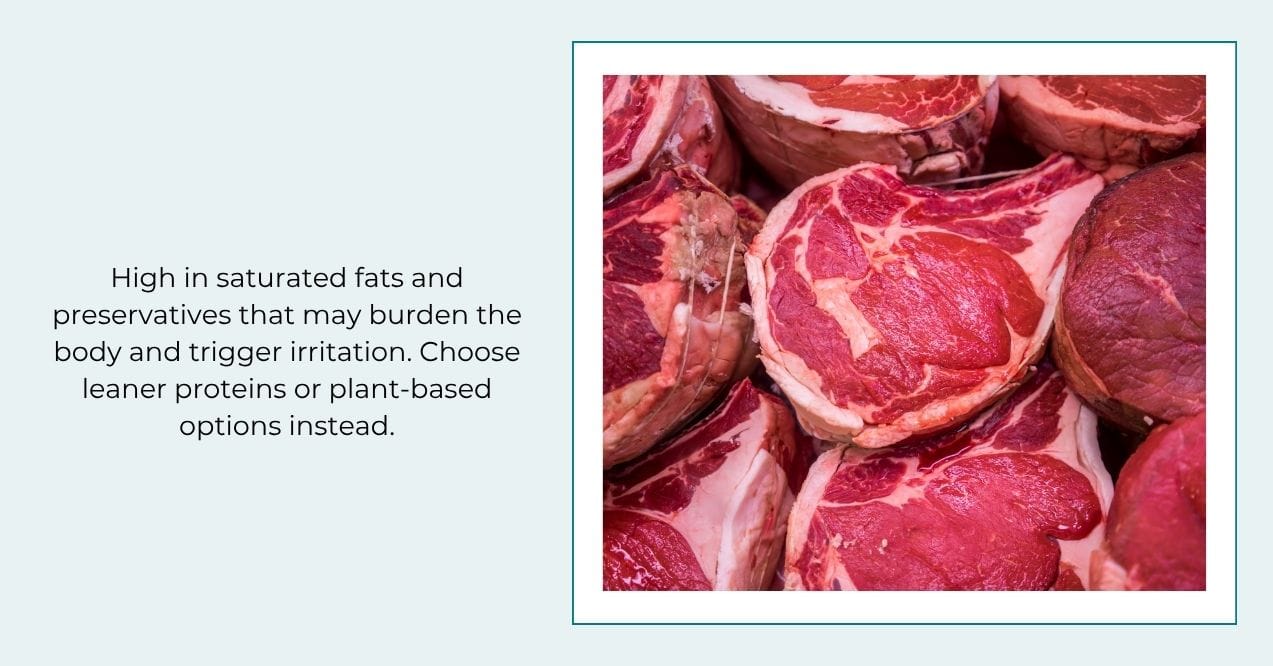
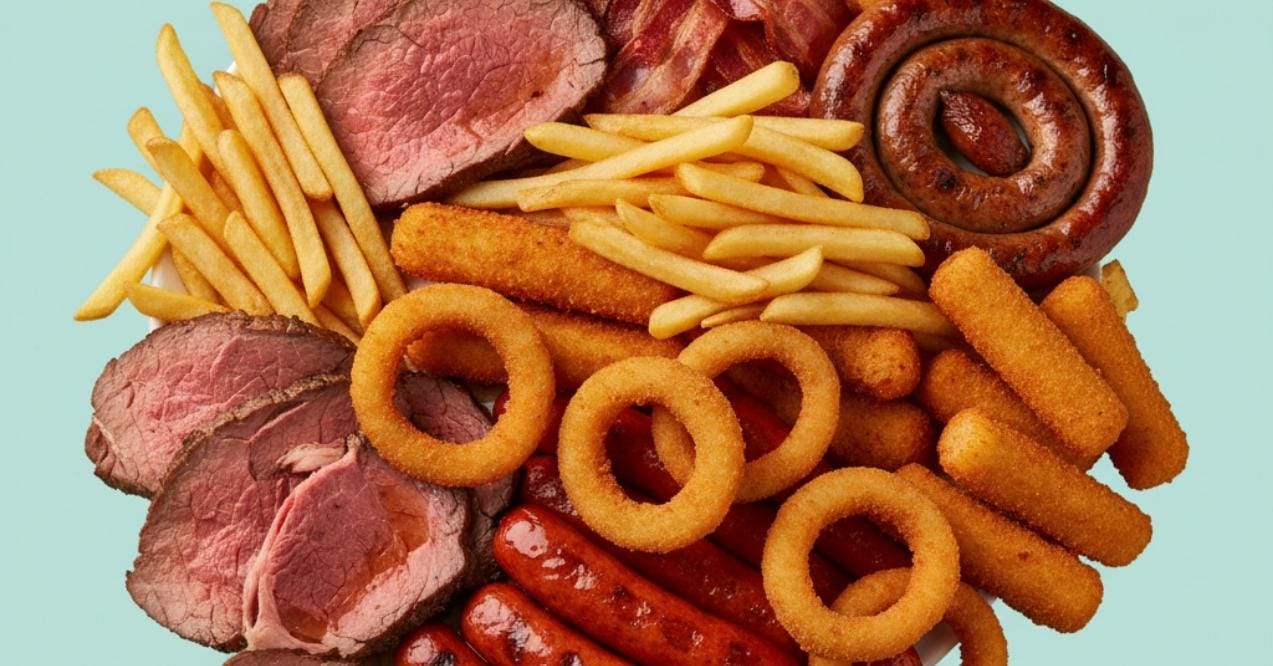
Red meats like beef, pork, and lamb contain high levels of saturated fats that trigger inflammatory responses. Cooking methods matter significantly – grilling and charring create heterocyclic amines and polycyclic aromatic hydrocarbons. These compounds generate cellular stress throughout the body.
Bacon, sausage, and hot dogs pose additional risks beyond their red meat content. Preservatives like nitrates and nitrites may burden the body’s detoxification systems. Regular consumption has been associated with increased prostate discomfort and urinary issues.
2. Fried Foods
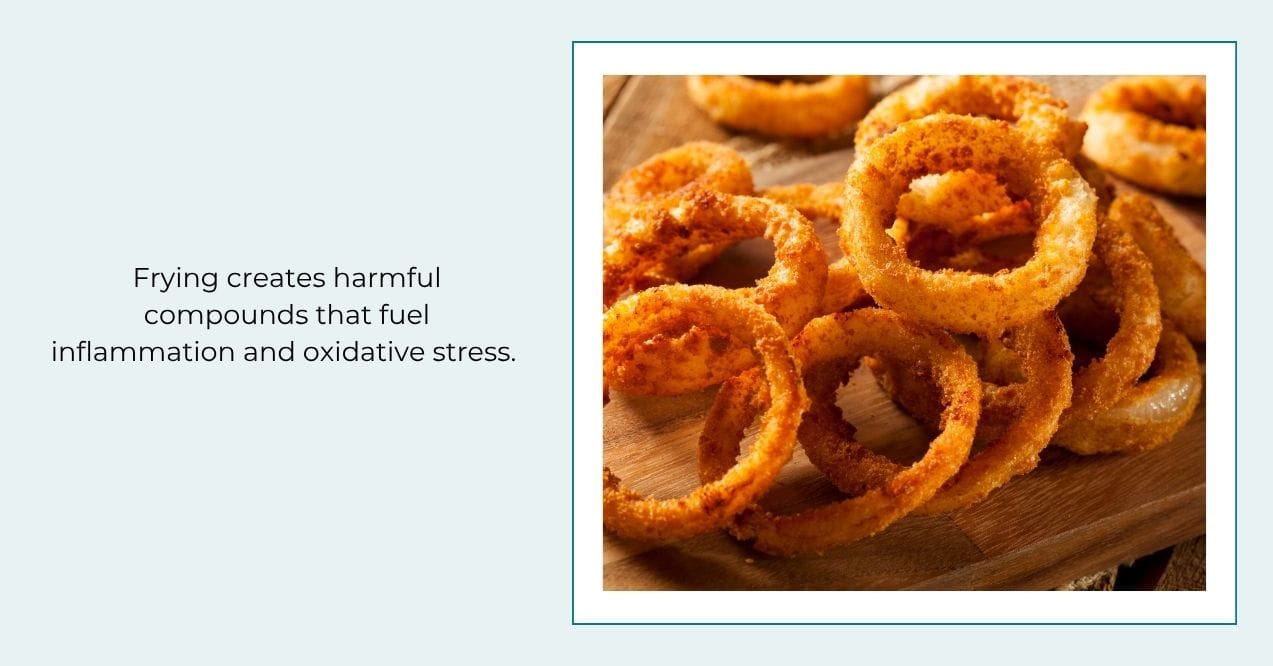
Deep-fried foods rank among the most problematic foods bad for prostate wellness. Frying in unstable oils produces harmful compounds that accumulate in body tissues. These calorie-dense options provide minimal nutrients while maximizing inflammatory potential.
Common fried foods to limit:
- French fries
- Fried chicken
- Onion rings
- Fried desserts
The combination of high heat and oil creates advanced glycation end products (AGEs). These compounds increase oxidative stress and reduce antioxidant availability throughout the body.
3. High-Fat Dairy
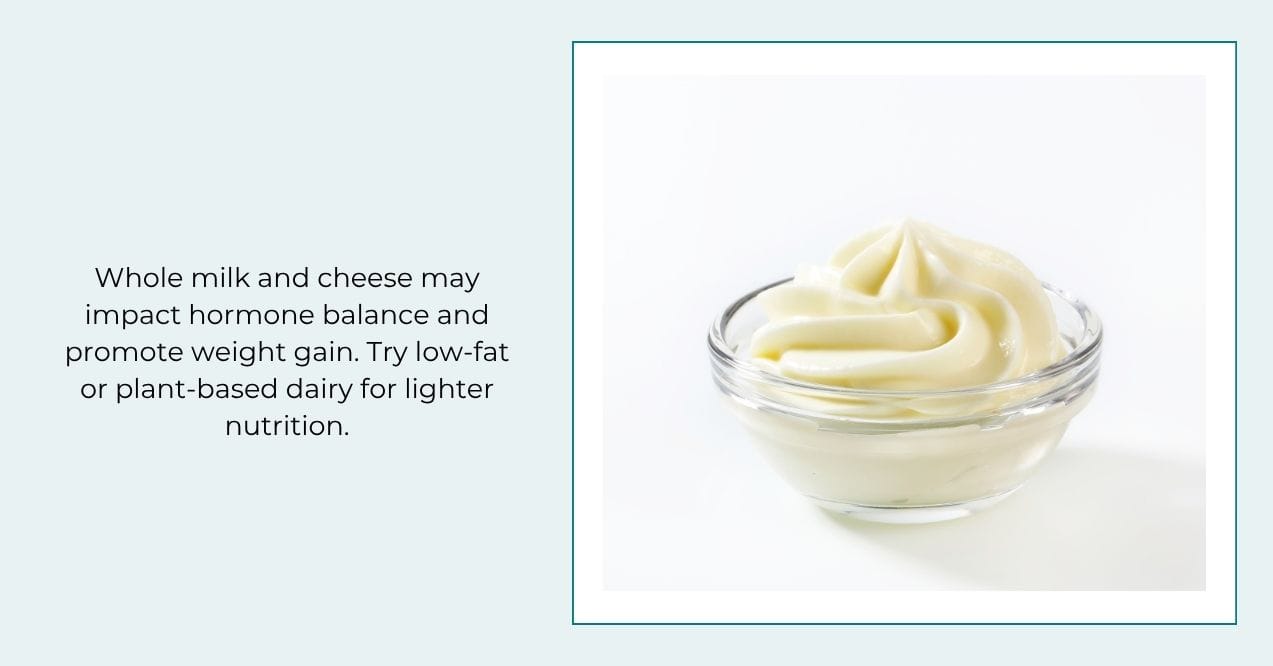
Whole milk, heavy cream, and full-fat cheese deliver concentrated saturated fats to your system. These fats potentially affect hormone metabolism and cellular activity in male reproductive tissues. The high calorie content also contributes to weight gain, another risk factor.
Plant-based alternatives or low-fat dairy options provide calcium without excessive saturated fat. Almond milk, oat milk, and reduced-fat yogurt offer nutritional benefits with less inflammatory potential. Making this switch often improves both digestive comfort and prostate wellness.
4. Sugar-Sweetened Beverages
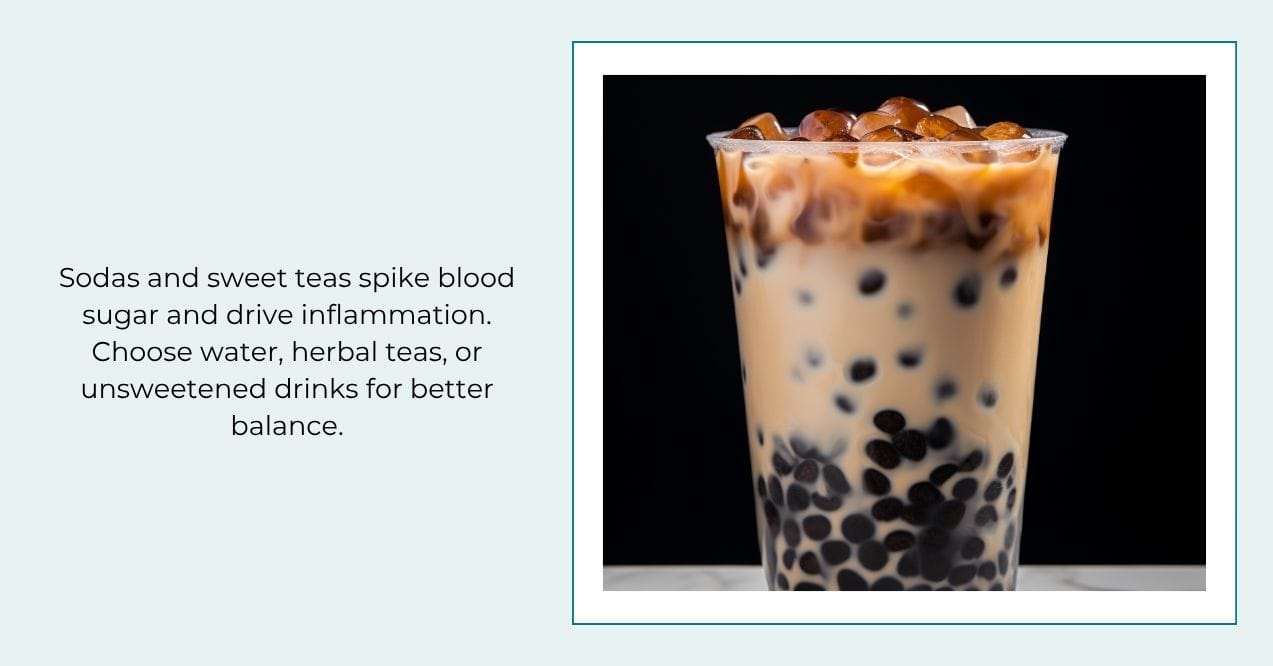
Sodas, sweet teas, and energy drinks flood your system with rapid-acting sugars. These beverages cause blood sugar fluctuations that generate oxidative stress throughout the body. The lack of fiber or nutrients makes them particularly problematic for metabolic health.
Regular consumption may indirectly affect prostate function through several pathways. Weight gain, insulin resistance, and chronic inflammation all stem from excessive sugar intake. Water, herbal teas, and unsweetened beverages provide hydration without these negative effects.
5. Refined Carbohydrates
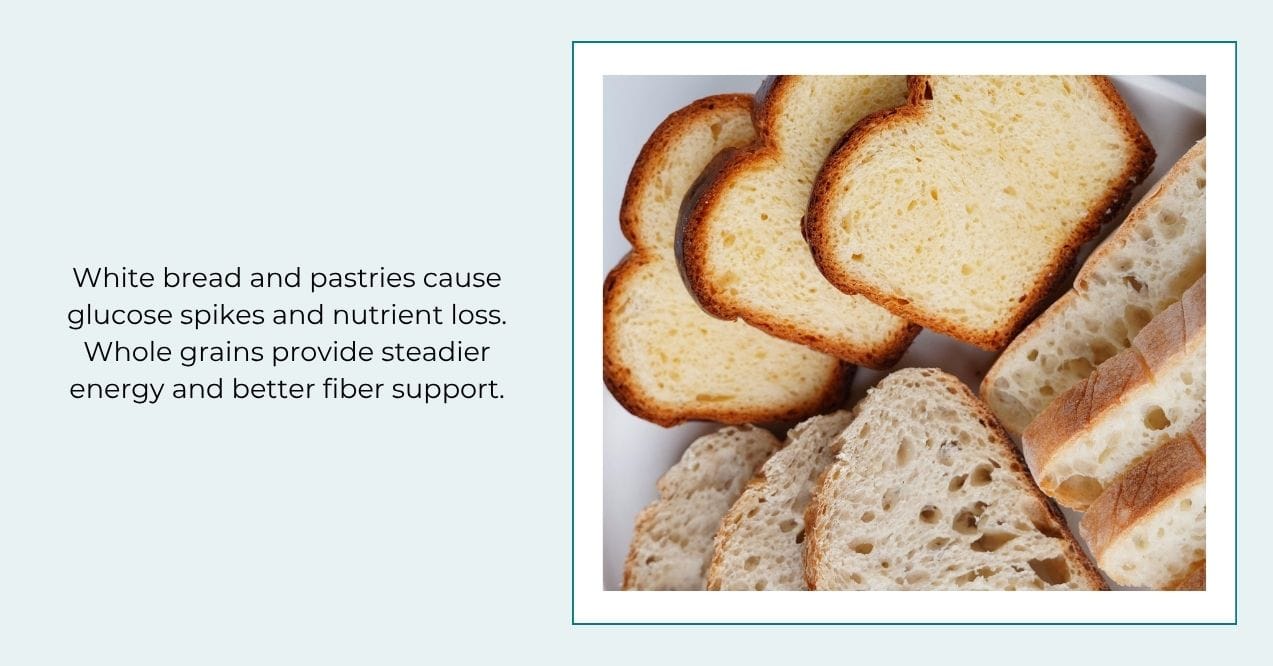
White flour products spike glucose levels while offering minimal fiber or micronutrients. These rapid blood sugar changes influence hormone balance and inflammatory markers. Over time, this pattern contributes to metabolic dysfunction and weight gain.
Common refined carbs to minimize:
- White bread
- Sugary cereals
- Baked goods
- Pasta made from refined flour
Switching to whole grains provides sustained energy with beneficial fiber and nutrients. These complex carbohydrates support stable blood sugar and healthy weight maintenance. Small changes like choosing brown rice over white make meaningful differences.
6. Alcohol (Excessive Intake)
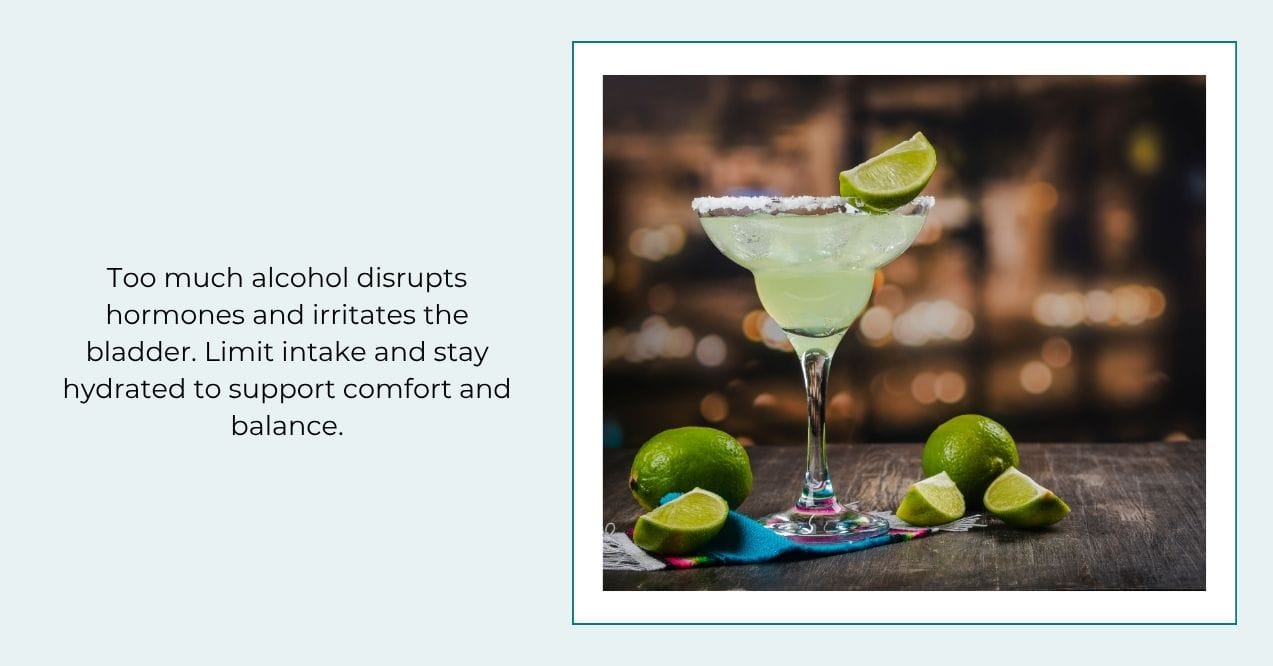
Moderate alcohol consumption may be tolerated by some men, but excessive intake creates multiple problems. Alcohol disrupts hormonal balance and generates oxidative damage throughout body tissues. It also irritates the bladder, increasing urinary frequency and nighttime bathroom trips.
The dehydrating effects of alcohol worsen urinary symptoms common with prostate issues. Men experiencing discomfort often find relief by limiting alcohol to special occasions. Staying well-hydrated with water helps minimize alcohol’s negative impacts.
7. Caffeine (in Excess)
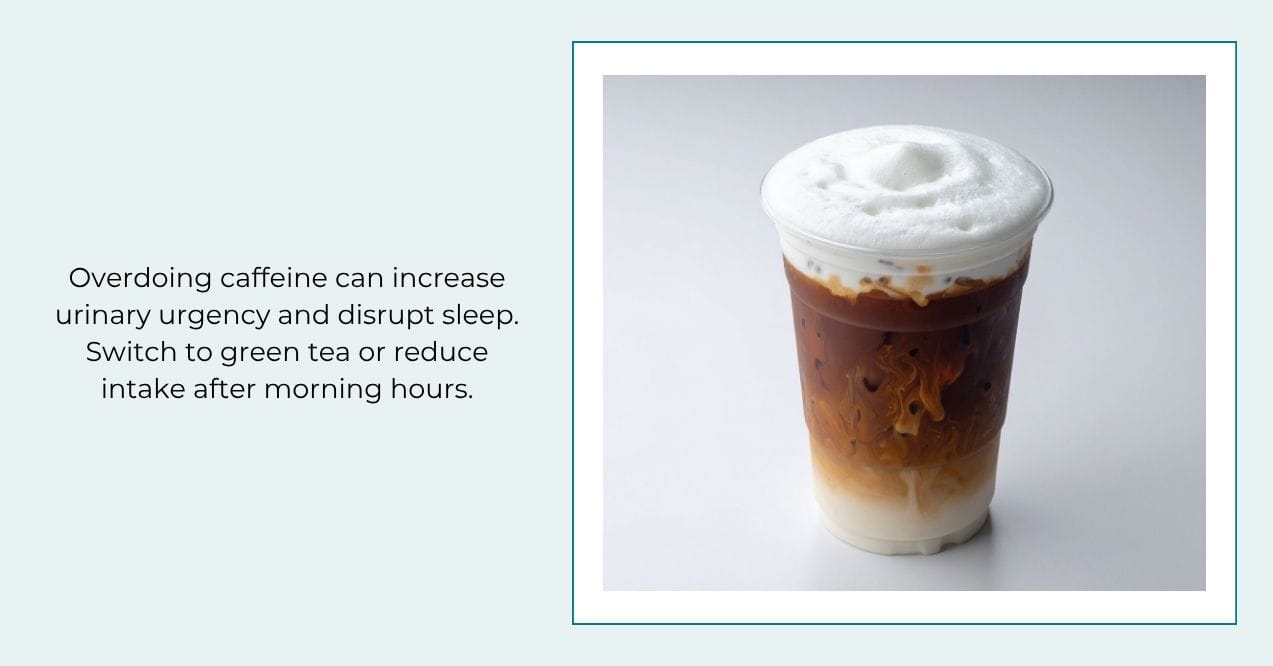
High caffeine intake from coffee, energy drinks, and sodas may act as a diuretic. This overstimulates the nervous system and increases urinary urgency throughout the day. Sleep disruption from late-day caffeine further impacts hormone regulation.
Limiting caffeine to morning hours helps minimize bladder irritation. Green tea provides gentler stimulation with beneficial antioxidants. Men with existing prostate concerns often notice improvement after reducing daily caffeine consumption.
8. Spicy Foods
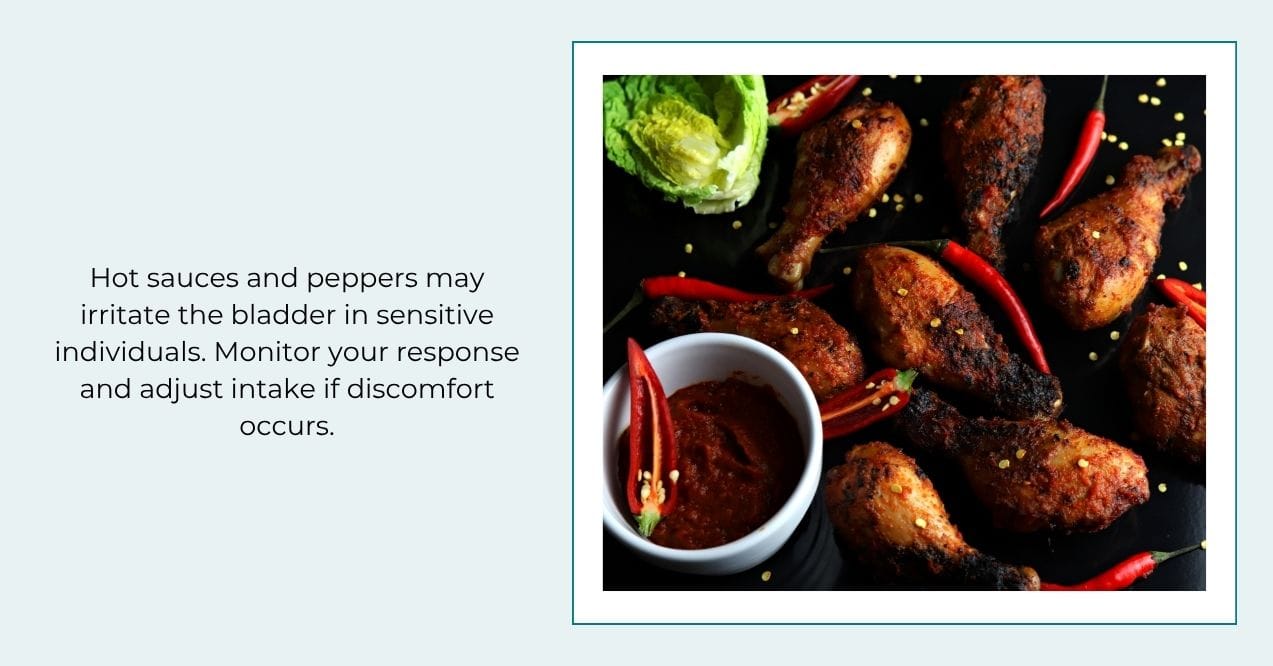
Spicy foods can irritate the bladder and urinary tract in sensitive individuals. This intensifies discomfort and triggers urgency, particularly problematic for those with existing prostate issues. Hot peppers, curry, and spicy sauces are common culprits.
Interestingly, cayenne pepper and BPH have a complex relationship – while some find it irritating, others report mild benefits. Individual responses vary significantly with spicy foods. Men should monitor their own reactions to determine personal tolerance levels.
9. Trans Fats
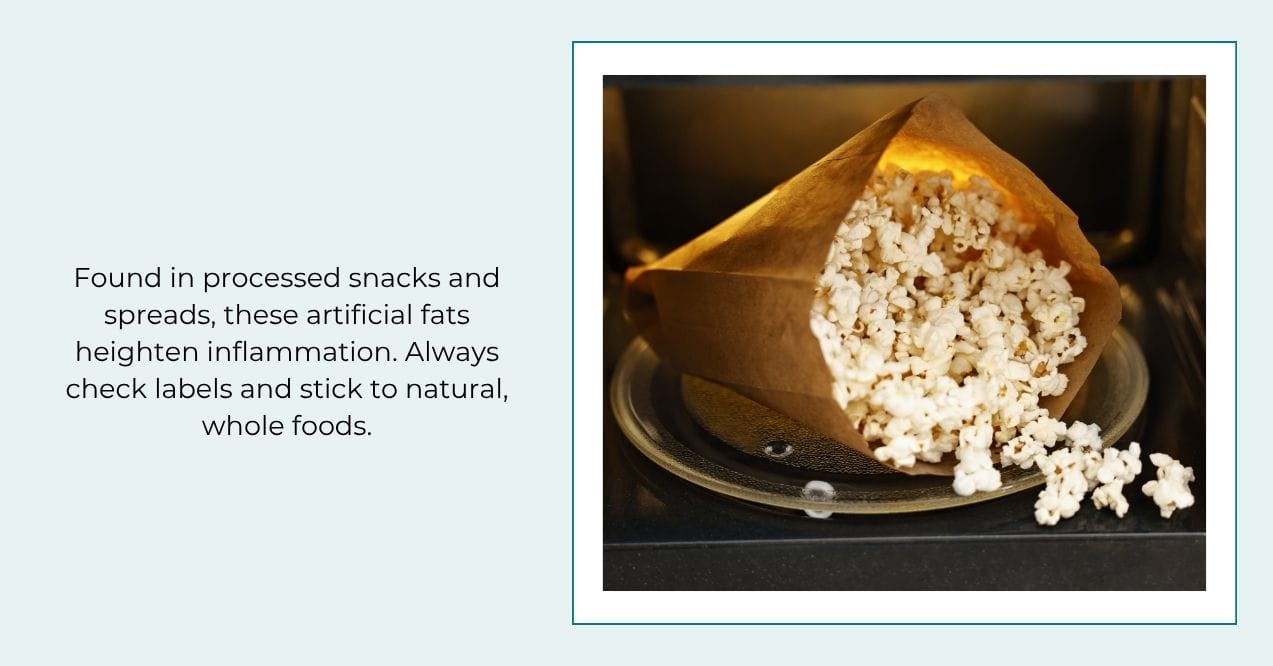
Trans fats found in packaged snacks and processed spreads disrupt hormone activity and promote inflammation. Though being phased out in many regions, small amounts still appear in various products. These artificial fats offer no nutritional value while maximizing health risks.
Common trans fat sources:
- Partially hydrogenated oils
- Some margarine varieties
- Packaged baked snacks
- Microwave popcorn
Reading ingredient labels helps identify hidden trans fats in processed foods. Natural whole foods never contain these harmful artificial compounds.
10. High-Sodium Processed Foods
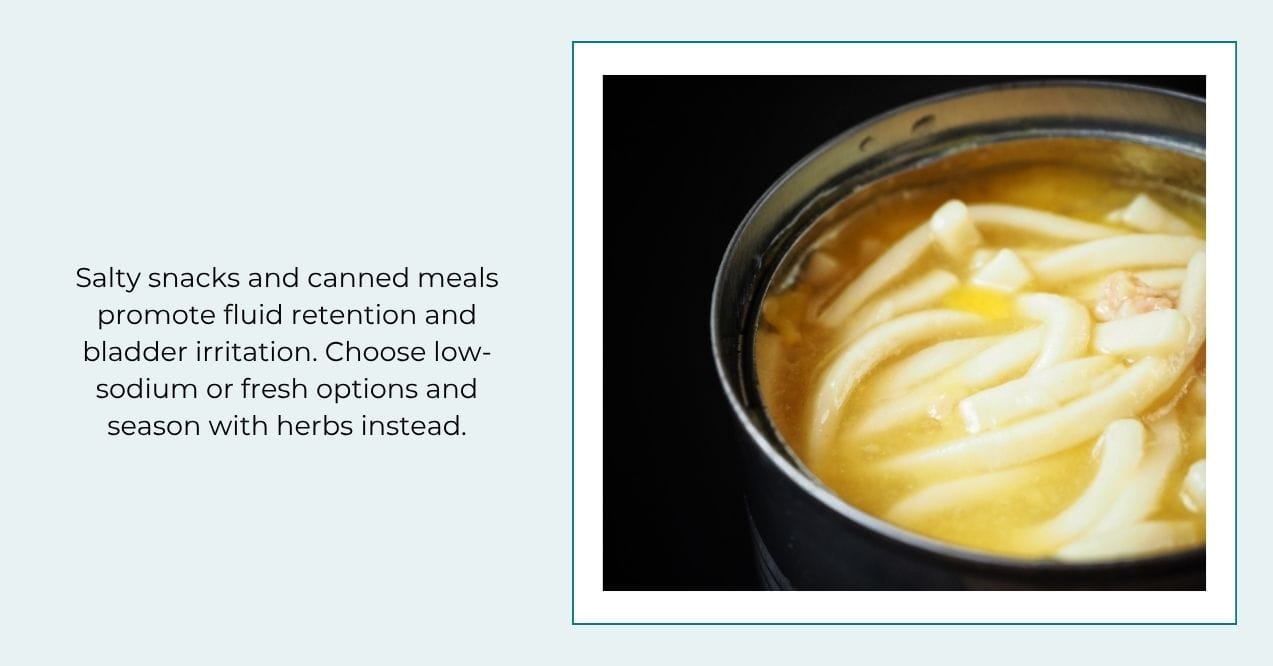
Salt-heavy foods affect fluid retention and irritate the bladder, making them important BPH foods to avoid. Excess sodium indirectly influences vascular and glandular systems throughout the body. Learning what causes enlarged prostate includes recognizing dietary sodium’s role.
Canned soups, frozen dinners, and salty snacks often contain excessive sodium levels. Choosing low-sodium versions or preparing fresh meals provides better control over salt intake. Herbs and spices add flavor without sodium’s negative effects.
Supportive Food Swaps for Prostate-Friendly Eating
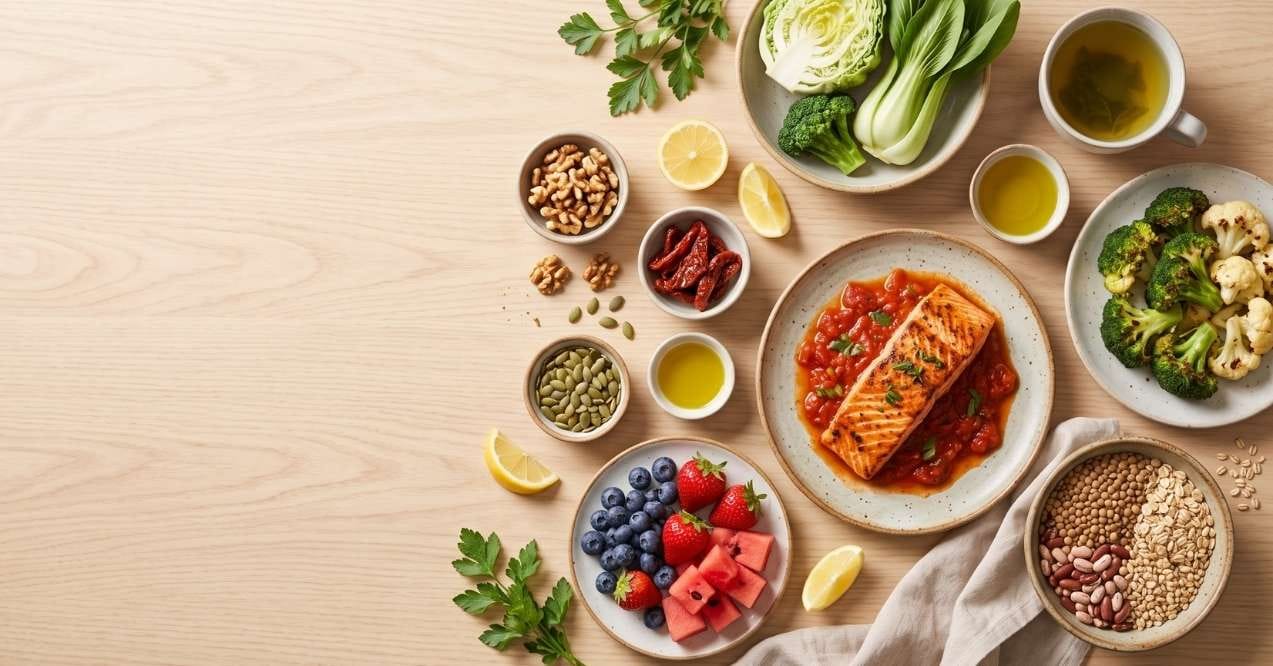
Simple dietary swaps can significantly reduce inflammation while supporting normal cellular function. These foods to avoid with enlarged prostate can be easily replaced with nutrient-rich alternatives. Making gradual changes ensures sustainable dietary improvements.
Smart substitutions include:
- Use olive oil instead of butter
- Choose grilled salmon over fried chicken
- Replace soda with green tea or infused water
- Opt for whole grains over white rice or bread
- Add cruciferous vegetables, tomatoes, and berries to meals
Small changes done consistently lead to noticeable improvements in comfort and wellness. Focus on adding beneficial foods rather than feeling deprived. Monitoring prostate size becomes less concerning when diet supports healthy function.
Why Dietary Changes Require Internal Support
While cutting out the worst foods for prostate health is a crucial first step, dietary changes alone often aren’t enough to reverse years of cellular stress and inflammation. The prostate gland requires highly specific, concentrated nutrients to regulate urinary flow, balance hormones, and reduce nighttime bathroom trips—nutrients that are difficult to get in sufficient doses from food alone.
At PureHealth Research, our collection of prostate health supplements is scientifically formulated to bridge the gap between avoiding inflammatory foods and actively rebuilding optimal male wellness.
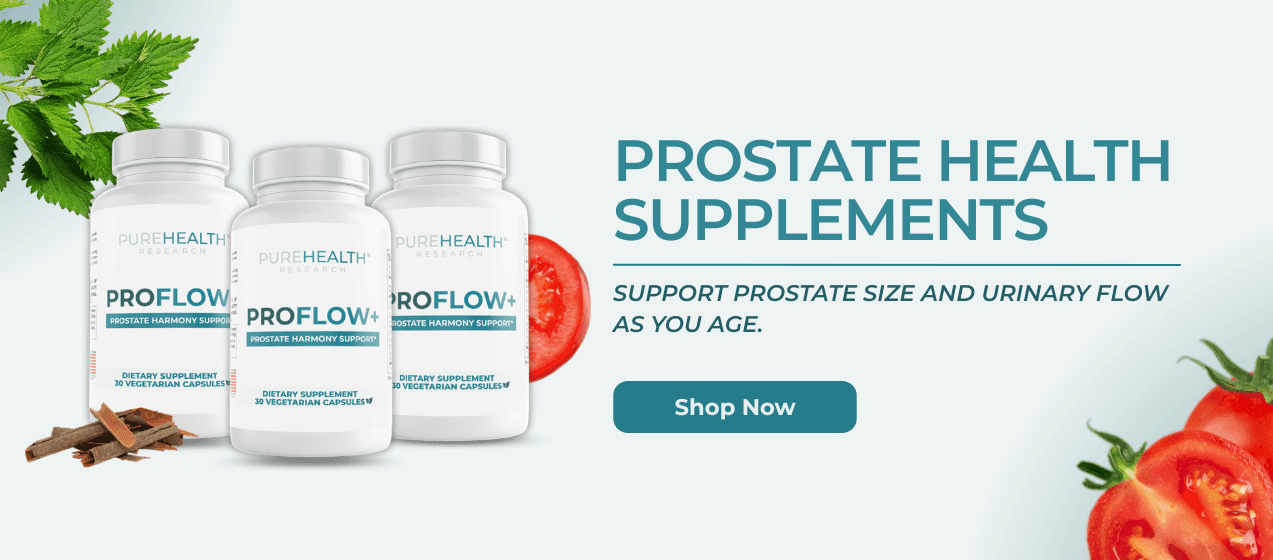
Why Support Your Prostate With Our Formulas?
- Targeted Relief: We utilize therapeutic doses of evidence-based botanicals—like Saw Palmetto, Pygeum, and D-mannose—to directly support healthy prostate size, urinary tract balance, and normal flow.
- Fights Dietary Inflammation: Formulated with powerful antioxidants like Lycopene and Zinc, our supplements help neutralize the oxidative stress caused by years of consuming processed meats, fried foods, and refined sugars.
- Pure & Clean: Manufactured to be strictly gluten-free, dairy-free, soy-free, and non-GMO, ensuring your body receives premium ingredients without hidden inflammatory triggers.
Ready to take control of your prostate health and sleep peacefully through the night? Explore the Full Prostate Health Supplements Collection Today.
Final Thoughts
Prostate-supportive eating requires awareness and better choices rather than perfection. The ten worst foods for prostate health listed above may increase physical stress, but equally enjoyable alternatives exist. Gradual dietary improvements often yield surprising benefits for comfort and function.
Reflect on current eating habits and identify easy swaps to implement first. Consider targeted supplementation for additional support beyond dietary changes. Small, consistent steps toward healthier eating patterns support long-term prostate wellness and overall male vitality.
Limit red meat, fried foods, high-fat dairy, excessive sugar, alcohol, and processed items containing trans fats and high sodium.
Eggs contain beneficial nutrients but their high cholesterol may concern some men. Moderate consumption (3-4 weekly) generally poses no issues for most individuals.
Plant-based diets often provide anti-inflammatory benefits and reduced saturated fat intake, potentially supporting better prostate function and comfort levels.
Yes, excessive red meat consumption may increase inflammation and hormonal imbalances that negatively impact prostate health and urinary function.
Supplements support but cannot replace healthy eating. They work best alongside dietary improvements for comprehensive prostate wellness support.

Advertisement. This site offers health, wellness, fitness and nutritional information and is designed for educational purposes only. You should not rely on this information as a substitute for, nor does it replace, professional medical advice, diagnosis, or treatment. If you have any concerns or questions about your health, you should always consult with a physician or other health-care professional. Do not disregard, avoid or delay obtaining medical or health related advice from your health-care professional because of something you may have read on this site. The use of any information provided on this site is solely at your own risk.
Related Articles
What Vitamins Are Good for Prostate? D, E, Zinc and More
Written by Laura Kraujalyte | August 17, 2026

Can Enlarged Prostate Cause Constipation?
Written by Laura Kraujalyte | August 14, 2026
Does Alcohol Affect Prostate? Beer vs Wine vs Spirits
Written by Laura Kraujalyte | August 10, 2026

What Causes Bladder Stones and What Helps Them Pass
Written by Laura Kraujalyte | July 31, 2026
Does an Enlarged Prostate Affect a Man Sexually?
Written by Laura Kraujalyte | July 27, 2026

What Is Good for Prostate Health? 10 Proven Habits
Written by Laura Kraujalyte | July 24, 2026