What Is Metabolic Age and How to Improve It?
What is metabolic age? Metabolic age is a wellness estimate that compares metabolism-related factors, such as basal metabolic rate and body composition, with averages for different chronological ages. While methods vary, a lower metabolic age is often linked to higher lean mass or fitness-related activity. Unlike chronological age, this estimate may shift over time with nutrition, movement, sleep, and body composition changes.



 On This Page:
Metabolic age measures how efficiently the body burns calories and maintains essential functions compared to the statistical average for the same chronological age. When metabolic age is lower than chronological age, it generally reflects strong body composition and efficient energy use. When it trends higher, it signals areas where lifestyle adjustments may make a meaningful difference.
Unlike chronological age, metabolic age is not fixed. It responds directly to changes in muscle mass, nutrition, sleep quality, and daily movement, which means it can shift with consistent, targeted effort. For those looking to take a more informed approach to long-term wellness, tracking metabolic age offers a practical and measurable starting point.
This article covers what metabolic age is, how it is calculated, the key factors that influence it, and the evidence-supported strategies that may help move it in a favorable direction.
What Is Metabolic Age?
Metabolic age is a measure of how well your body burns calories and performs essential functions compared to the average person of the same age. It’s closely linked to your basal metabolic rate (BMR) – the number of calories your body requires at rest to maintain vital functions like breathing and circulation.
Factors such as muscle mass, fat percentage, and overall body composition heavily influence metabolic age.
Unlike chronological age, which simply reflects how many years you’ve lived, metabolic age provides a more dynamic perspective on your health. A metabolic age lower than your chronological age indicates good physical fitness and efficient energy use. On the other hand, a higher metabolic age can signal areas for improvement in health and fitness.
Understanding what is metabolic age can help you track progress toward better wellness, offering valuable insight for setting and achieving health goals.
How Is Metabolic Age Calculated?
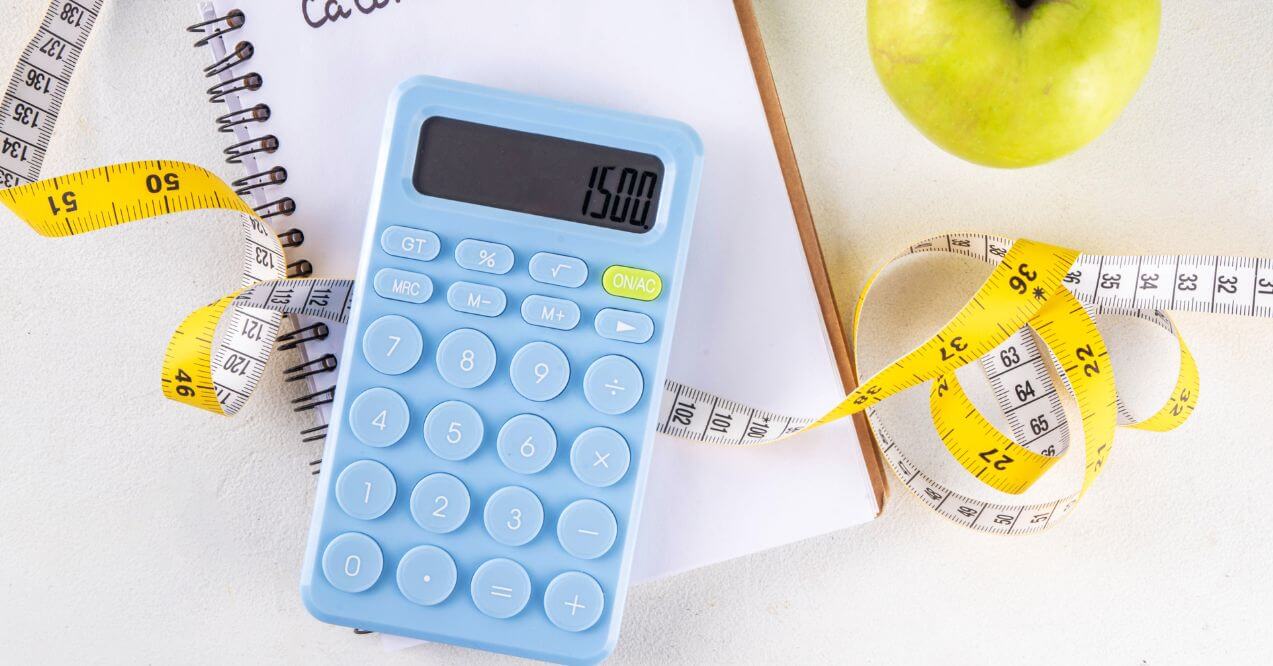
Metabolic age calculation process involves measuring your basal metabolic rate (BMR) and comparing it to age group averages. Modern body composition analyzers use bioelectrical impedance to assess key factors including your height, weight, muscle mass percentage, and body fat distribution.
The calculation takes into account several personal factors:
- Your current weight and height
- Body composition (muscle-to-fat ratio)
- Gender
- Age
These measurements create a comprehensive picture of how efficiently your metabolism functions. While home scales can provide rough estimates, professional body composition analyzers offer more accurate readings. Regular measurements can track changes in your metabolic efficiency as you modify your lifestyle habits.
Factors That Influence Your Metabolic Age
Understanding metabolic age meaning helps us identify the key factors we can modify to improve our body’s efficiency. While genetics play a role in determining your baseline metabolism, several controllable factors have a significant impact on your metabolic age. These include your physical activity level, nutrition choices, rest patterns, and daily movement habits.
Your body composition, particularly the balance between muscle and fat, significantly influences how your metabolism functions. Additionally, factors like quality sleep, stress levels, and consistent physical activity all contribute to your metabolic efficiency.
Muscle Mass
Muscle tissue requires more energy than fat tissue, even when you’re resting. The more muscle mass you maintain, the more calories your body burns throughout the day. Regular strength training activities, such as bodyweight exercises or resistance training, help preserve and build muscle mass, contributing to a more efficient metabolism.
Lifestyle Habits
Your daily choices create a cumulative effect on your metabolic efficiency. Regular physical activity, balanced nutrition, adequate sleep (7-9 hours), and effective stress management all support optimal metabolic function. Making small, consistent improvements in these areas can help lower your metabolic age over time.
How to Improve Your Metabolic Age

Wondering how to increase metabolism after 40? Here are practical strategies that can help support a more youthful metabolic age, regardless of where you’re starting:
- Build Your Strength – Incorporate resistance training 2-3 times weekly. Focus on compound exercises like squats, push-ups, and rows that engage multiple muscle groups. This helps maintain and build lean muscle tissue, supporting your metabolism.
- Move More Daily – Add regular movement throughout your day. Take the stairs, walk during phone calls, or do quick stretching sessions. These small actions add up to significant metabolic benefits.
- Smart Nutrition Choices – Among the 20 best foods to boost metabolism are protein-rich options like eggs and fish, along with nutrient-dense foods like leafy greens, berries, and nuts. Eat regularly and include protein with each meal to maintain steady energy levels.
- Quality Rest – Prioritize 7-9 hours of quality sleep nightly. Create a consistent bedtime routine and maintain a cool, dark sleeping environment. Signs of fast metabolism often include better sleep quality and more consistent energy levels.
- Stress Management – Practice relaxation techniques like deep breathing, meditation, or gentle yoga. High stress levels can impact your metabolic efficiency, so finding effective ways to unwind is crucial.
The liver plays a direct role in metabolic function, processing dietary fats, regulating energy storage, and filtering compounds that circulate through the bloodstream. When liver function is suboptimal, those processes can slow in ways that affect energy levels, digestion, and body composition over time.
Botanicals such as turmeric, silymarin, and ginger have been studied for their potential to support normal fat metabolism, antioxidant defenses, and liver cell health, making them a relevant consideration for people focused on metabolic wellness.
Our liver health supplements bring these ingredients together in formulas designed to support multiple aspects of liver wellness, including cellular antioxidant support, fat metabolism support, and overall liver health. Each product in the collection is built around ingredients with documented research behind them, making it straightforward to find an option that fits your daily routine.

Browse the full collection to find a formula aligned with your wellness goals, and speak with a healthcare professional before starting anything new.
Tracking and Monitoring Your Metabolic Age

Modern technology makes tracking your metabolic age more accessible than ever. Smart scales and advanced fitness devices can provide regular measurements and track changes over time. While these home devices offer convenience, they work best as trend indicators rather than absolute measures.
Consider measuring your metabolic age monthly to track progress while making lifestyle changes. Record your measurements along with notes about your habits, sleep patterns, and energy levels. This combination of data helps you understand how different factors affect your metabolic efficiency.
Remember that progress isn’t always linear. Focus on long-term trends rather than day-to-day fluctuations. Regular monitoring helps you identify which lifestyle changes are most effective for your body and allows you to adjust your approach based on real data.
Steps to a Healthier Metabolic Age
Improving your metabolic age is a journey that starts with small, consistent steps. Begin by choosing one or two habits to focus on – perhaps adding a weekly strength training session or incorporating more protein-rich foods into your meals. As these changes become routine, gradually build upon them.
Remember that every positive choice counts. Regular movement, balanced nutrition, quality sleep, and stress management all work together to support your metabolic health. Track your progress, celebrate small wins, and adjust your approach based on what works best for your body.
Let your metabolic age serve as a guide rather than a judgment. Use it as motivation to make sustainable lifestyle changes that not only support your metabolism but also help you feel more energetic and vital in your daily life.
Boost your metabolic age through consistent strength training, balanced nutrition with adequate protein, regular cardio exercise, quality sleep (7-9 hours), and stress management. Small, sustainable lifestyle changes create lasting improvements.
A lower metabolic age than your chronological age indicates efficient metabolism, likely due to healthy lifestyle habits, good muscle mass, regular physical activity, and balanced nutrition. This is actually a positive sign!
Metabolic age is a real measurement comparing your basal metabolic rate to age group averages. While not a medical diagnostic tool, it provides useful insights into metabolic efficiency and overall fitness levels.
Natural metabolic changes typically begin in the late 20s and continue gradually through the 40s. However, maintaining muscle mass and staying physically active can help support healthy metabolic function throughout life.

Advertisement. This site offers health, wellness, fitness and nutritional information and is designed for educational purposes only. You should not rely on this information as a substitute for, nor does it replace, professional medical advice, diagnosis, or treatment. If you have any concerns or questions about your health, you should always consult with a physician or other health-care professional. Do not disregard, avoid or delay obtaining medical or health related advice from your health-care professional because of something you may have read on this site. The use of any information provided on this site is solely at your own risk.
Related Articles
Your Ultimate Guide to Soil-Based Probiotics
Written by Donatas Leikas | August 12, 2026
Is Irish Moss the Same as Sea Moss?
Written by Donatas Leikas | May 20, 2026

Blue Lotus Tea: Why Is It So Popular?
Written by Donatas Leikas | May 17, 2026

6 Best Vitamins for Muscle Fatigue
Written by Donatas Leikas | May 14, 2026

What Is the Healthiest Cereal? Ranking Best to Worst
Written by Donatas Leikas | May 13, 2026
What Does a Dehydration Headache Feel Like?
Written by Donatas Leikas | May 3, 2026