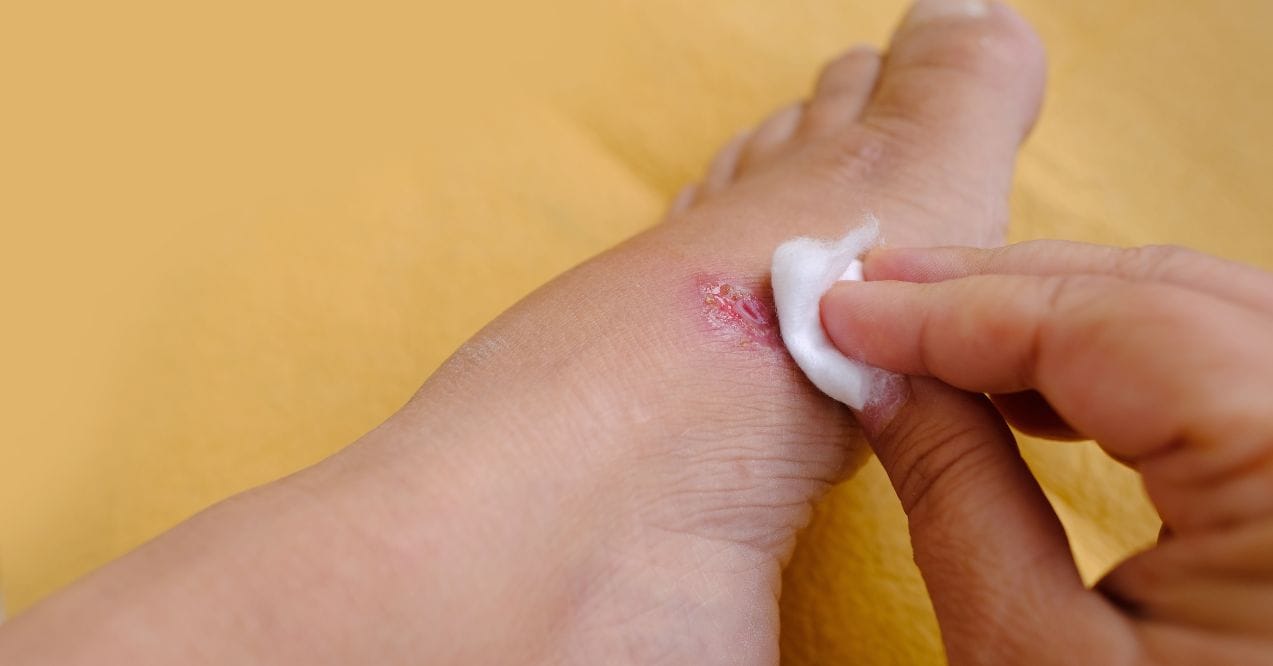
How to Detox Your Lymphatic System Naturally: The Complete 8-Step Guide
How do you detox your lymphatic system naturally? Since the lymphatic network lacks a pump, you must actively stimulate it. Flush toxins using deep diaphragmatic breathing, dry brushing, hydration, and targeted botanicals like Echinacea. Read on for our 8-step protocol.


 On This Page:
The challenges of today’s fast-paced world, from pollution and stress to less-than-ideal lifestyles, underscore the importance of our lymphatic system’s health. If you’re wondering how to detox the lymphatic system naturally and help it cope with these challenges, you’re in the right place.
The lymphatic system acts as our body’s natural drainage, comprising a network of vessels, nodes, and organs. It works tirelessly to clear out waste, and extra fluids, while also playing a crucial role in boosting our immunity. However, like any other system in our body, it can become overburdened, leading to fatigue and a higher risk of illnesses. Recognizing this, it becomes evident that giving our lymphatic system a periodic detox is vital.
Using natural, science-backed methods can optimize the performance of the lymphatic system, resulting in increased energy and enhanced overall health. This article will guide you through nine of these effective techniques, empowering you to rejuvenate and maintain balance in your body in the face of today’s demanding circumstances.
What Is the Lymphatic System?
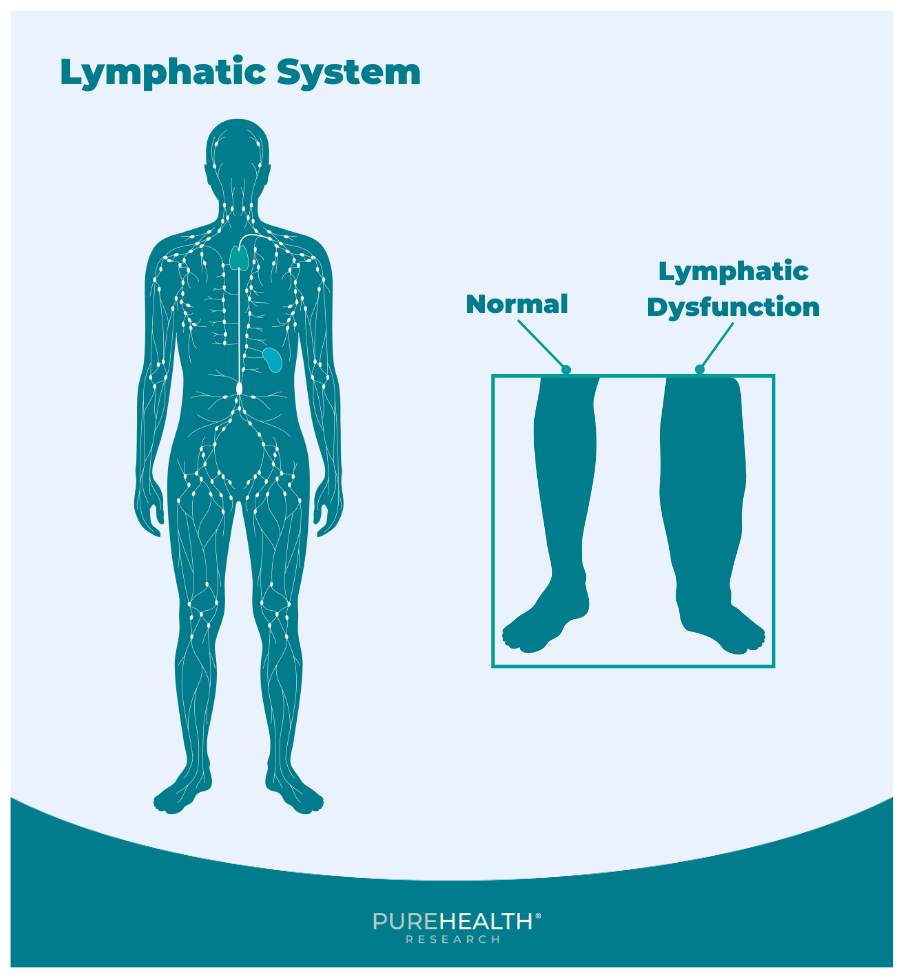
The lymphatic system is a vital network of vessels, nodes, and organs that plays a key role in our body’s defense. While it operates in tandem with the circulatory system, it primarily moves lymph, a clear fluid filled with immune cells, waste, and toxins. This process aids in detoxifying our body, bolstering our immune functions, and balancing fluid levels.
What Are the Symptoms of a Clogged Lymphatic System?
The lymphatic system plays a crucial role in maintaining our health. When it becomes congested, several indicative signs can point to this imbalance:
- Swelling in Hands or Feet – Known as lymphatic dysfunction, this swelling results from a build-up of lymph fluid due to blockages in the lymphatic system.
- Frequent Illnesses or Infections – The lymphatic system supports the immune response. A compromised system might lead to increased susceptibility to sickness.
- Extreme Tiredness – A congested lymphatic system can contribute to persistent tiredness or fatigue, affecting your daily activities and overall well-being.
Recognizing these signs is important. If you experience these symptoms, it’s essential to consult with a healthcare professional and consider ways to support the lymphatic system’s optimal function.
What Substances Does the Lymphatic System Remove?
At its core, the lymphatic system is a detox powerhouse. It diligently clears out:
- Metabolic By-Products – The residues of our body’s day-to-day processes.
- Cellular Debris – The aftermath of dead or damaged cells.
- Excess Proteins – Surplus proteins that aren’t in immediate demand.
- Pathogens – Intruders like bacteria and other harmful invaders.
These substances are shuttled to lymph nodes, our body’s natural filtration stations. Here, specialized immune cells neutralize and dispose of these unwanted materials.
What Are Lymphatic System Misconceptions?
One common misconception is that the lymphatic system is a circulatory system. In fact, it is a one-way vascular system that works in conjunction with the blood’s circulatory system. And unlike our cardiovascular system, it has no pump, relying on body movements to channel lymphatic fluids. However, similar to blood vessels, the lymph tributaries have built-in musculature and valves that help keep the lymph moving in one direction and prevent backflow.
How to Detox Lymphatic System Naturally
The body’s lymphatic system, a vital player in maintaining overall health, relies on a dynamic interplay of factors to operate efficiently. Thankfully, there are a multitude of natural strategies that one can harness to support detoxification and enhance well-being. If you’re wondering how to do a lymphatic system cleanse, here are nine effective methods.
1. Drink Water

Adequate hydration is the bedrock upon which the efficient flow of lymph rests. Water is the conduit through which your body’s immune cells, waste materials, and toxins are transported. Optimal water intake ensures that your lymphatic system remains unobstructed and capable of fulfilling its essential role.
To support your lymphatic system’s optimal performance, make a conscious effort to drink water consistently throughout the day. While the “eight glasses a day” adage provides a rough guideline, individual hydration needs vary based on activity level, climate, and overall health. Listen to your body’s cues; thirst is a reliable indicator that it’s time to replenish your fluid levels.
2. Breathe Deeply

Deep breathing isn’t solely about oxygen exchange; it also influences the lymphatic system’s movement. Deep, deliberate breaths become agents of lymphatic circulation. The diaphragm, a key player in respiration, assists in lymph flow. When you inhale deeply, the diaphragm descends, gently pressing on the thoracic duct—chief in lymph drainage—encouraging upward fluid movement to transport lymph to drain into the bloodstream. Upon exhaling, the diaphragm ascends, facilitating lymph return from the upper body to return to the bloodstream.
In a largely sedentary and stress-laden modern lifestyle, shallow breathing can impede lymphatic flow, resulting in waste accumulation. Incorporating intentional deep breathing counteracts this. Mindful practices, like diaphragmatic breathing or yogic pranayama, amplify these effects, fostering lung and lymphatic health.
Dr. Blane Schilling, MD reinforces that sometimes the simplest solutions are the best. Taking time to breathe helps more than the lymphatic system alone. Even simple deep breaths that fully expand your lungs, just for a minute, can help.
3. Eat Foods That Support Lymphatic Health

Avoiding the worst foods for lymphatic system and focusing on a balanced and nutritious diet, as well as best herbs for lymphatic system, can play a key role in maintaining overall health, including the health of your lymphatic system. While no specific food “detoxifies” the lymphatic system, some foods may support its function based on their nutritional profile:
- Leafy Green Vegetables – Full of essential nutrients and antioxidants, leafy greens are a cornerstone of a balanced diet.
- Berries – Particularly cranberries, are rich in antioxidants and vitamins, which can help maintain overall bodily health.
- Nuts and Seeds – Packed with essential fatty acids and vitamins, they help support overall health.
- Deepwater Fish – Such as salmon, are sources of Omega-3 fatty acids, known for their general health benefits.
- Seaweed and Algae – Contain essential minerals and vitamins which can support overall body health.
- Low-sugar Fruits – Consuming fruits that are lower in sugar can be part of a balanced diet and promote general health.
- Garlic – Known for its potential immune-boosting properties due to its rich nutrient profile.
- Red Foods – Red fruits and vegetables, like beets and pomegranates, are nutrient-dense and contribute to overall well-being.
Note: The above information is based on general dietary guidelines. Individual results may vary. Always consult with a healthcare professional or nutritionist before making significant changes to your diet or exploring how to detox the lymphatic system naturally for optimal health.
4. Wear Loose-Fitting Clothes

The choices we make in clothing extend beyond aesthetics and comfort; they can influence the intricate dance of our lymphatic system. Opting for loose-fitting attire, including undergarments, emerges as a simple yet impactful step in supporting unobstructed lymphatic flow.
Tight clothing and constrictive undergarments can inadvertently hamper the delicate network of lymphatic vessels that course through your body. Just as a river requires an unobstructed path to flow smoothly, your lymphatic system relies on freedom of movement. When garments are overly snug, they can impede the natural rhythm of lymph, leading to congestion and an increased likelihood of waste buildup.
By favoring clothing that allows your body to breathe and move without restraint, you create an environment where lymphatic circulation can thrive. Loose attire minimizes compression on lymph nodes and vessels, ensuring that the fluid—laden with immune cells, waste products, and toxins—can effortlessly move towards its ultimate elimination.
Contrary to this valuable advice, doctors may recommend individuals with lymphedema flare-ups to wear specialized compression sleeves to assist in circulating failing lymphatic drainage.
5. Perform Regular Movements

Your lymphatic system’s rhythm flourishes with movement. Just like a symphony relies on its conductor, the contraction of muscles directs the harmonious flow of lymph. The beauty is that even the simplest of motions can have profound effects.
Consider integrating a diverse range of activities to keep things dynamic:
- Take brisk walks around the neighbourhood or simply walk on the spot. Perhaps you can make it more sociable by walking to a friend’s home or joining walking groups.
- Daily tasks, from cleaning your house to gardening, can stimulate lymphatic flow. Even shopping can become an avenue of holistic movement.
- Innovate the way you commute. Park farther away from the store or get off at an earlier bus stop to incorporate more walking.
- Engage in recreational activities like jogging, cycling, bowling, or dancing.
- Water activities, such as aqua aerobics, swimming, or just walking in water, can be especially rejuvenating.
- Devices like vibration plates, including Power Plate and VibroGym, have shown benefits for individuals with lymphatic issues.
- Make exercise entertaining! Consoles like Wii or Xbox offer sporty games you can play even when seated.
Physical movement transcends the idea of mere exercise. It’s a celebration of your body’s vitality. When you actively engage with these diverse activities, you’re not only enhancing lymphatic health but also deepening your connection to your body’s magnificent orchestra.
6. Get a Lymphatic Drainage Massage
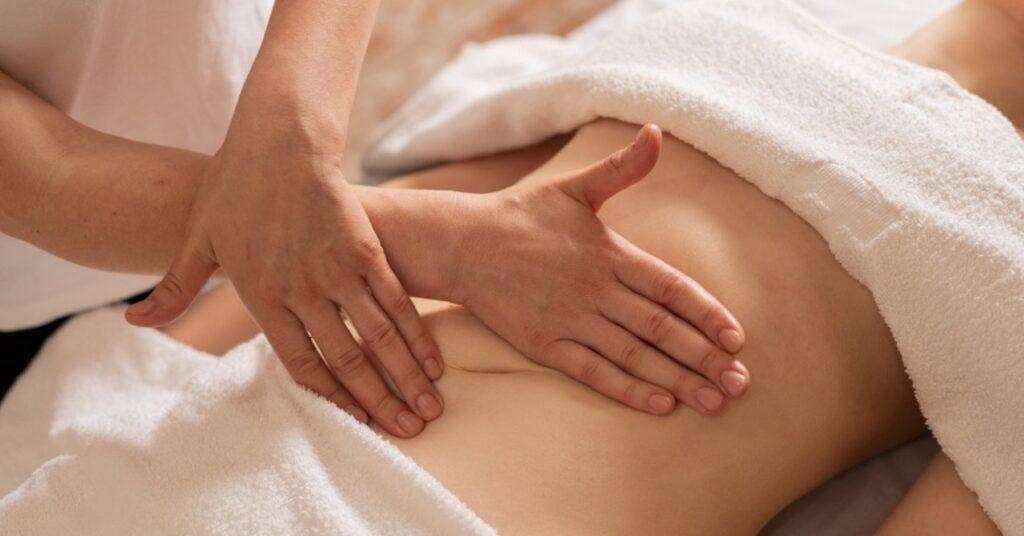
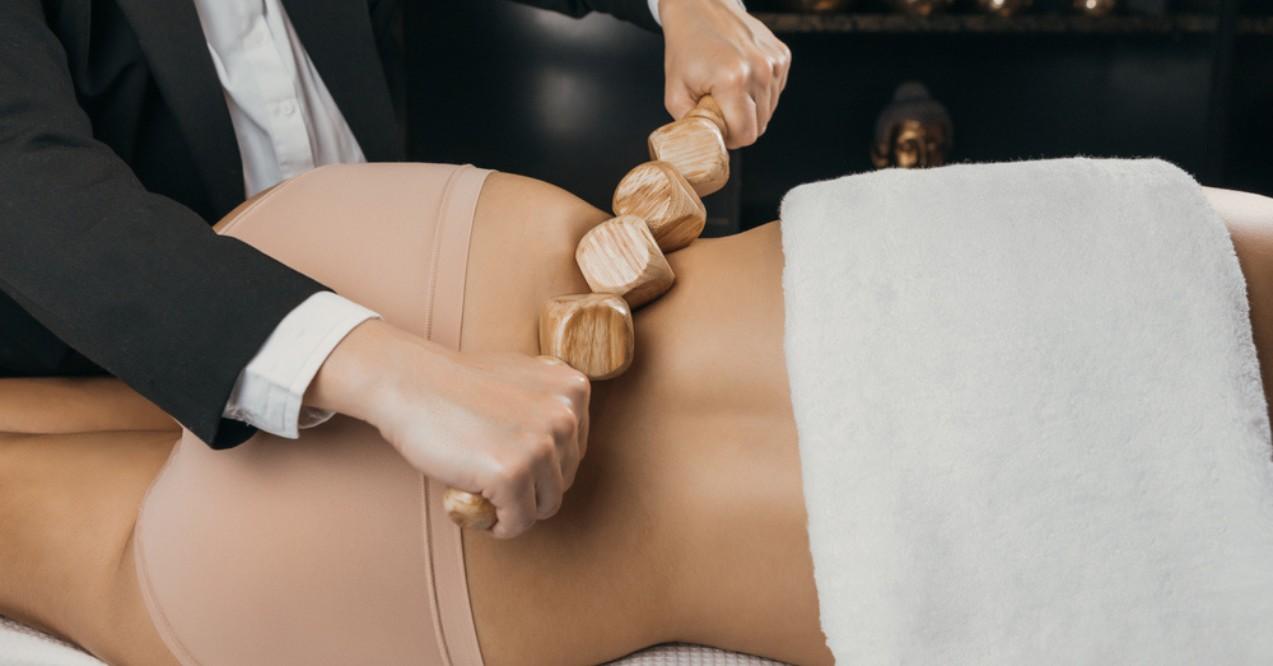
Lymphatic drainage massage isn’t just a luxurious indulgence—it’s a meticulous and specialized technique designed to aid the flow of lymph fluid throughout the body. By employing rhythmic strokes, stretching, compressing, gliding, and cupping motions, this therapy stimulates the lymphatic vessels, synergizing with the body’s innate rhythm for detoxification.
The world of lymphatic drainage massage is intricate, with varied techniques developed over time:
- Vodder Technique – A foundational method involving sweeping motions around the treatment area.
- Foldi – An evolution of the Vodder method, alternating between circular hand movements and moments of relaxation.
- Casley-Smith – This approach is characterized by its circular motions, emphasizing the use of the sides and palms of the hands.
- Leduc – This method employs specific hand movements to gather lymph fluid, redirecting it for integration into the broader lymphatic system.
Regardless of the technique, the core principle remains consistent: employing gentle movements to stretch the skin in the direction of lymph flow, always starting nearest to the torso and extending outward. Most sessions last between 15 to 60 minutes.
For individuals who have lymphedema or have had surgical removal of lymph nodes, instructions for lymphatic massage techniques differ. Before embarking on this therapeutic journey, always consult your doctor and ensure you’re in the hands of a trained professional.
For those without severe lymphatic conditions looking to elevate the experience further, integrating essential oils into the process can be transformational. Oils like grapefruit, lemon, cypress, and frankincense have properties believed to support lymphatic flow and system functionality. Whether infused into the massage, integrated into drainage techniques, or diffused aromatically, they have the potential to elevate the body’s detoxification process. Nonetheless, always be mindful of proper dilution and individual and pet sensitivities when incorporating essential oils.
7. Dry Brush Your Skin
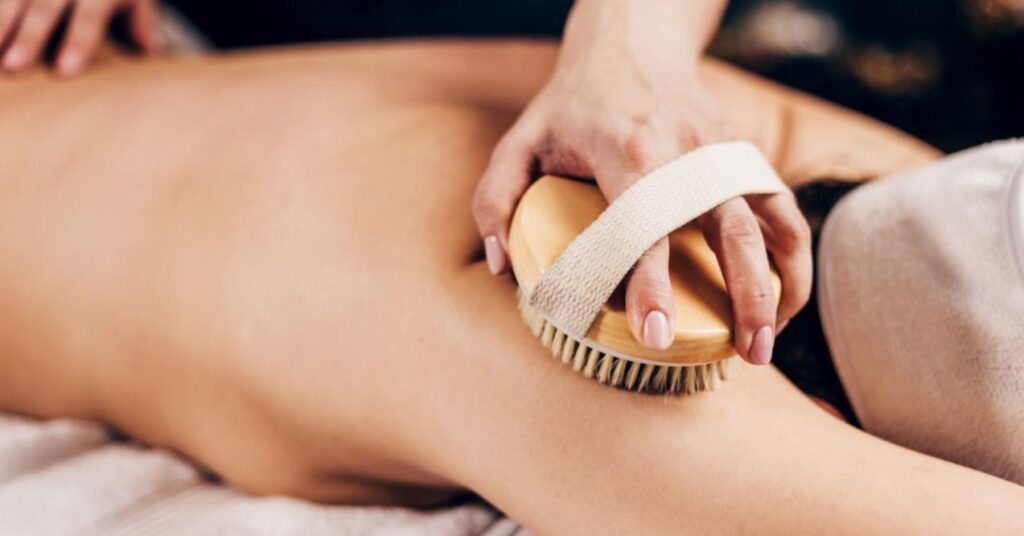
Dry brushing, a practice rooted in Ayurvedic medicine, has persisted for centuries as a unique approach to skincare. This method involves using a brush with coarse, natural-fiber bristles, gently sweeping it over the skin in purposeful upward strokes.
Here are the core benefits of dry brushing:
- Stimulation of the Lymphatic System – The lymphatic system, integral to our body’s defense against infections, can sometimes get backed up, especially when one is ill or exposed to many toxins. While it’s true that dry brushing is thought to stimulate the lymphatic system, helping it release toxins more efficiently through sweat, it’s essential to note that concrete scientific evidence supporting this claim is limited.
- Exfoliation – The brush effectively removes dry, dead skin cells, leaving skin smoother with a temporary brightened appearance.
- Relaxation – Dry brushing offers a massage-like sensation, enhanced when done in a calm setting.
- Circulation Boost – Dry brushing can potentially elevate blood circulation, giving a brief energy uplift.
- Cellulite Appearance – Some believe dry brushing reduces cellulite appearance, akin to massage effects, but this lacks substantial scientific backing.
If you’re keen to try dry brushing, select a natural stiff-bristled brush, ideally with a long handle, to facilitate a comprehensive brushing experience. Some bristles can be stiffer than others, so choose based on your skin’s sensitivity and personal preference.
8. Use Hydrotherapy

Discover the therapeutic benefits of hydrotherapy, a practice that utilizes the contrasting sensations of hot and cold water. The dance between the soothing warmth of hot baths and the refreshing coolness of cold showers can elicit various beneficial reactions in the body.
Research on hyperthermic water baths (hot baths) has shown some interesting outcomes. One study found that hot baths can positively influence our immune system, particularly the parts tied to our lymphatic system. Specifically, the research noted changes in cells called lymphocytes and natural killer cells. These cells are like soldiers in our body’s defence system, helping to protect us from harmful invaders. Additionally, these baths were associated with an increase in a vital hormone known as the human growth hormone.
The harmonious switch between hot and cold during hydrotherapy offers a unique and potentially beneficial experience for overall well-being.
Note that taking hot baths may increase swelling in conditions such as lymphedema.
How Can Supplements Enhance a Natural Lymphatic Detox?
While mechanical actions like dry brushing and exercise are the foundation of learning how to detox your lymphatic system naturally, your body often requires concentrated biochemical support to efficiently mobilize and flush out cellular waste.
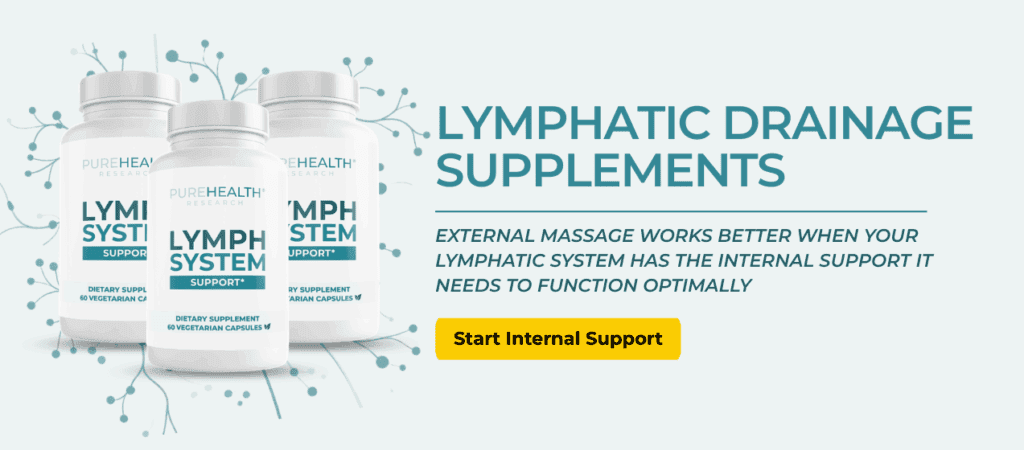
At PureHealth Research, our best Lymphatic Drainage Supplements collection is scientifically formulated to bridge the gap between physical stimulation and optimal biological filtration.
Why Support Your Detox With Our Formulas?
- Targeted Lymphatic Flow: We utilize therapeutic doses of evidence-based botanicals—like Cleavers and Dandelion Root—to support healthy fluid balance and the body’s natural drainage pathways.
- Vascular & Tissue Integrity: Nutrients like Rutin and Bromelain promote healthy lymphatic capillaries and soothe tissues to help minimize occasional puffiness and fluid retention.
- Pure & Clean: Manufactured to be strictly gluten-free, dairy-free, soy-free, and non-GMO, ensuring you aren’t introducing new synthetic toxins while your body is trying to cleanse.
Ready to give your body’s natural defense network the ultimate reset? Explore the Full Lymphatic Drainage Supplements Collection Today.
As Dr. Blane Schilling, MD notes, supplements work best when added to a foundation of diet, exercise, sleep, and stress reduction.
Conclusion
Your lymphatic system, the body’s unsung hero, silently works to keep you healthy by removing waste and bolstering immunity. Signs that it may need a helping hand include swelling, fatigue, and frequent illness. Embrace a healthy lifestyle with hydration, nutritious food, and regular movement to support its optimal function. Remember, knowledge is power when it comes to your well-being, so don’t hesitate to seek professional guidance for personalized care.
Drink plenty of water and eat a diet rich in fruits, vegetables, lean protein, and healthy fats. Limit processed foods, sugary drinks, and excessive alcohol.
Water is the most essential drink for lymphatic drainage. Staying well-hydrated helps lymph fluid flow smoothly. Herbal teas, particularly those with ginger or citrus, may also offer additional benefits.
Deep breathing, light cardio (walking, swimming, rebounding), yoga/Pilates, and lymphatic drainage massage are all effective exercises for stimulating lymph flow.


Dr. Blane Schilling, MD is a medical doctor with extensive experience in clinical consultation, care quality, pharmaceutical utilization, and physician integration. He is passionate about improving patient care and helping healthcare organizations solve complex challenges through strategic, client-focused leadership.

Advertisement. This site offers health, wellness, fitness and nutritional information and is designed for educational purposes only. You should not rely on this information as a substitute for, nor does it replace, professional medical advice, diagnosis, or treatment. If you have any concerns or questions about your health, you should always consult with a physician or other health-care professional. Do not disregard, avoid or delay obtaining medical or health related advice from your health-care professional because of something you may have read on this site. The use of any information provided on this site is solely at your own risk.
Related Articles
Can Lymphatic Drainage Make You Sick?
Written by Laura Kraujalyte | September 4, 2026

How to Treat Swollen Face: Puffiness vs Real Swelling
Written by Laura Kraujalyte | August 31, 2026

8 Ways to Reduce Swelling in Hands at Home
Written by Laura Kraujalyte | August 28, 2026
Does Deep Breathing Help the Lymphatic System?
Written by Laura Kraujalyte | August 24, 2026
Dry Brushing for Lymphatic Drainage: Does It Work?
Written by Laura Kraujalyte | August 21, 2026

What Are Weeping Legs? The Complete 7-Step Guide to Managing Them
Written by Gabriele Slimaite | August 4, 2026