Do Peptides for Weight Loss Work?
Specific approved amino acid chains mirror natural gut signals to support healthy appetite management. While these regulated choices assist with weight goals under professional supervision, unverified online variants carry significant quality and systemic risks.



 On This Page:
Synthetic GLP-1 choices often represent the primary meaning of peptides for weight loss. These compounds replicate natural gut signals to help manage appetite. While they offer valid support under proper care, unregulated alternatives online carry serious physical safety risks.
Public conversations regarding wellness options frequently highlight peptides for weight loss due to their expanding visibility in health reports. These specific biological elements help manage fullness signals by duplicating the chemical messengers already active inside your digestive system. This comprehensive overview explains the functional design of these compounds, compares available options, and presents balanced dietary alternatives.
What Are Peptides for Weight Loss and How Do They Function?
What are peptides for weight loss are short compounds made of amino acids that serve as foundational components for cellular signaling. They act as biological messengers to regulate appetite, digestion, and systemic balance.
Specialists replicate these exact molecules to create synthetic options designed to track internal metabolic loops. These laboratory variations match the structural patterns of your body’s organic messengers. They interact with chemical receptors to prolong satisfaction signals after meals. This process helps individual systems adjust total food intake comfortably over time.
The Role of GLP-1 and the Gut-Brain Axis
Your lower digestive tract naturally releases a special compound immediately following food intake. This compound travels along the gut-brain axis to inform the nervous system that you have received sufficient nourishment.
Utilizing synthetic peptides glp 1 for weight loss helps sustain these comforting messages over extended daily intervals. Individuals can also learn how to naturally increase GLP-1 by prioritizing clean dietary choices that match their biological pacing.
What Do Peptides Do for Weight Loss?
When exploring what peptides do for weight loss, their primary activity involves slowing down the physical speed of your digestion. These options delay gastric emptying so that consumed food remains inside the stomach for a longer duration.
This mechanical delay functions alongside peptides for appetite suppression to reduce persistent thoughts about eating. As a result, individuals find it much simpler to maintain smaller portion sizes throughout the day.
Do Peptides Really Work for Weight Loss?
Clear evidence from recent clinical reviews confirms that approved synthetic signaling options produce noticeable changes in body parameters. However, these options do work for weight loss effectively only when combined with permanent lifestyle adjustments.
These advanced formulations help establish a calorie deficit by lowering appetite cues rather than changing mass automatically. If an individual maintains poor nutritional habits, the benefits decrease rapidly once the daily program concludes.
Sustainable progress relies on building better daily routines while using these supportive options. Retaining regular physical movement helps preserve lean mass during this transition.
Synthetic Prescriptions vs. Dietary Peptides
The specialized peptides for losing weight highlighted in current health reviews represent highly structured synthetic options. In contrast, dietary alternatives like collagen or whey proteins face immediate physical breakdown within the digestive tract.
These standard food options supply basic nutrients for muscle tissue repair rather than initiating extended updates. They lack the specific structural design required to extend natural fullness signals across several days.
Are Peptides Safe for Weight Loss? Evaluating the Risks
Evaluating whether peptides are safe for weight loss requires making a clear distinction between approved options and unverified variants. Certain FDA-approved prescription GLP-1 medications may support weight management when used under medical supervision.
Many individuals look into peptides for weight loss to see if these options fit their lifestyle.
Discussing your personal physical history with qualified professionals provides a secure environment for weight management. Gathering accurate details helps shield your system from unverified items distributed across grey market channels.
The structured overview below outlines the direct differences across the current marketplace.
| Choice Type | Common Examples | Safety Profile | General Purpose |
| Approved Synthetic Choices | Regulated weekly options | High safety standards via prescription oversight | Manage systematic weight indicators |
| Dietary Compounds | Collagen, whey proteins | Standard food safety guidelines apply | Help maintain structural tissue |
| Unverified Research Chemicals | Online grey market items | Low safety with clear purity risks | Distributed online without human data |
The Danger of “Research-Grade” Grey Market Peptides
Acquiring unapproved substances from online vendors removes the quality safeguards designed to protect physical health. These grey market formulas often contain industrial impurities or incorrect active strengths that trigger unpredictable systemic reactions.
Dr. Blane Schilling, MD, does not soften this point: “I cannot be more assertive about this.” He explains that peptides sold as “research only” are not legally marketed for human use, and taking them without supervision is dangerous because of contamination, standardization, and purity problems. His advice is to obtain and use peptides only under the supervision of a trained medical professional.
Common Side Effects of Approved Peptides
Approved options frequently prompt temporary digestive adjustments as your body adapts to the new signaling patterns. Common individual experiences include temporary changes in bowel habits, mild fatigue, or localized skin sensitivity.
You can explore practical ways to manage these updates by checking why GLP-1 options cause nausea. Consuming sufficient protein daily helps preserve lean mass if your appetite drops significantly.
Which is the Best Peptide for Weight Loss?
Selecting the best peptide for weight loss depends entirely on your specific physical history and body parameters. There is no single universal compound that accommodates every system perfectly.
Certified healthcare professionals evaluate individual metabolic traits before recommending a specific path. Some verified programs utilize single-agonist designs that target one specific gut messenger pathway to control appetite.
Newer options implement dual-agonist mechanisms that coordinate multiple satiety markers at the same time. This integrated method often provides broader support for your personal composition goals.
Natural Ways to Support Your Body’s Own GLP-1 Production
The human body contains efficient internal mechanisms to manufacture appetite-regulating messengers without external assistance. Specific daily habits and dietary selections prompt the lower digestive tract to release native signaling compounds naturally.
Dr. Blane Schilling’s weight loss advice starts with the signals the body already has. He explains that today’s food supply and eating habits have disrupted the body’s natural ability to manage weight, but the signals for weight control are still there, only muted. Adding lean proteins, dietary fiber, and probiotic-rich foods to daily meals can increase satiety signals, and doing this over the long term can build a relationship with food that is healthy and sustainable.
Choosing unrefined whole foods encourages the gut lining to communicate clearly with your nervous system. This straightforward practice respects your body’s innate patterns during regular hunger transitions.
Consistent meal structures promote balanced internal rhythms without introducing artificial elements to your daily routine. This organic approach helps manage appetite and maintains steady energy distribution across the day.
The Power of Protein and Fermentable Fiber
Meals rich in lean protein and soluble fiber prompt specialized intestinal cells to release native fullness signals. Soluble fiber breaks down into short-chain fatty acids within the lower tract to support smooth digestion.
These organic byproducts keep you satisfied between regular meal times and provide an excellent base for everyday appetite control. Prioritizing these nutritional elements builds a strong foundation for natural weight management.
Supporting Internal Patterns with Targeted Nutrition
Specific botanicals, fibers, and nutrients can complement balanced meals, regular movement, and healthy daily routines. Ingredients such as berberine, green coffee, African mango, citrus flavonoids, Akkermansia muciniphila, Yestein™ fermented nutritional yeast protein, ashwagandha, Ceylon cinnamon, hibiscus, and maqui berry are commonly selected for metabolic, digestive, and everyday wellness support.
Our natural GLP-1 supplements collection brings these plant-based and nutrient-focused ingredients together in formulas designed to work alongside a healthy lifestyle. These non-prescription supplements may support general metabolic wellness, digestive comfort, appetite awareness, and glucose levels already within the normal range.
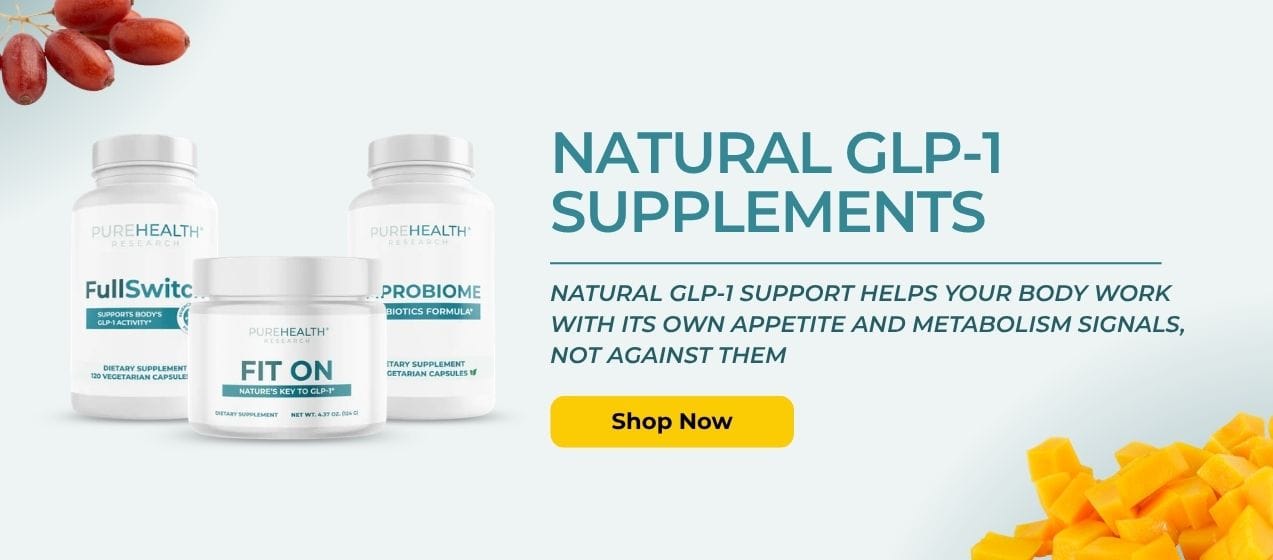
They are not prescription peptides, do not replace GLP-1 medications, and do not guarantee weight loss outcomes. Instead, they offer daily wellness support for people building consistent habits around nutrition, movement, and long-term metabolic health.
Conclusion
Synthetic options provide powerful pathways for contemporary weight management, but they require professional supervision and carry notable digestive side effects. Avoiding unverified online formulas remains vital for your physical safety. Prioritizing wholesome nutrition, proper protein intake, and natural options helps you care for your system’s innate fullness signaling safely.
These compounds duplicate natural intestinal signals that slow down your physical digestive speed. This change helps manage appetite and allows individuals to stay satisfied with smaller meals.
Approved versions strictly require an official prescription from a licensed professional after evaluation. Unregulated items sold online carry significant safety and contamination hazards.
Rapid weight drops can reduce lean tissue if daily protein intake is low. Consuming adequate protein helps protect your structure. Review this blog post on avoiding muscle loss on GLP-1.
Appetite signals and digestive speeds typically return to their previous baselines once the compounds leave your system. Long-term management depends entirely on permanent adjustments to your daily nutrition habits.
Prescription options modify internal signals at a much higher intensity than standard dietary choices. However, natural options support your system gently without causing severe gastrointestinal disruptions.
These options mainly alter hunger signals and extend fullness by delaying stomach emptying. They also support efficient nutrient processing. Read about how GLP-1 options affect metabolism.


Dr. Blane Schilling, MD is a medical doctor with extensive experience in clinical consultation, care quality, pharmaceutical utilization, and physician integration. He is passionate about improving patient care and helping healthcare organizations solve complex challenges through strategic, client-focused leadership.

Advertisement. This site offers health, wellness, fitness and nutritional information and is designed for educational purposes only. You should not rely on this information as a substitute for, nor does it replace, professional medical advice, diagnosis, or treatment. If you have any concerns or questions about your health, you should always consult with a physician or other health-care professional. Do not disregard, avoid or delay obtaining medical or health related advice from your health-care professional because of something you may have read on this site. The use of any information provided on this site is solely at your own risk.
Related Articles
Peptides for Hair Growth: What’s Proven, What Isn’t
Written by Laura Kraujalyte | October 19, 2026

What Foods Have Peptides? Bioactive Sources Explained
Written by Laura Kraujalyte | October 16, 2026

Oral vs Injectable Peptides: Risks and Trade-Offs
Written by Laura Kraujalyte | October 12, 2026

Do Peptides for Gut Health Actually Work?
Written by Laura Kraujalyte | October 9, 2026

What Are the Best Peptides for Skin?
Written by Laura Kraujalyte | September 30, 2026

Peptides by the Numbers: What the Research Actually Shows
Written by Laura Kraujalyte | July 29, 2026