Is Non-Alcoholic Beer Bad for Your Liver? Expert Medical Opinion
Is non alcoholic beer bad for your liver? Learn what research shows about trace alcohol, sugar content, and liver health.


 On This Page:
Non-alcoholic beer has surged in popularity among health-conscious adults and those managing liver concerns. Sales have climbed as more people seek alternatives to traditional alcohol.
Yet a pressing question remains: is non alcoholic beer bad for your liver, or is this “safer” option truly harmless? The answer isn’t straightforward.
Medical research presents mixed perspectives, with some studies suggesting minimal risk for healthy individuals while others raise concerns about trace alcohol content and added ingredients.
Is Non-Alcoholic Beer Bad for Your Liver?
For healthy individuals, occasional non-alcoholic beer consumption presents low risk to liver function. These beverages contain up to 0.5% alcohol by volume, a trace amount compared to regular beer’s typical 5% ABV.
Clinical perspectives indicate this minimal alcohol content requires little liver processing in people without pre-existing conditions. However, the picture changes for those with compromised liver function or alcohol-related health histories.
Even small alcohol amounts may stress an already burdened organ.
What Trace Alcohol Does to Your Liver
That 0.5% ABV still requires your liver to engage its detoxification pathways, though the workload remains relatively light. The liver uses enzymes to break down alcohol into compounds that your body can eliminate.
For someone with advanced liver scarring or fatty liver accumulation, this process becomes more challenging. Studies examining patients with severe liver impairment found that even trace alcohol from non-alcoholic beverages could elevate blood alcohol levels more than expected.
How Your Liver Handles Non-Alcoholic Beer
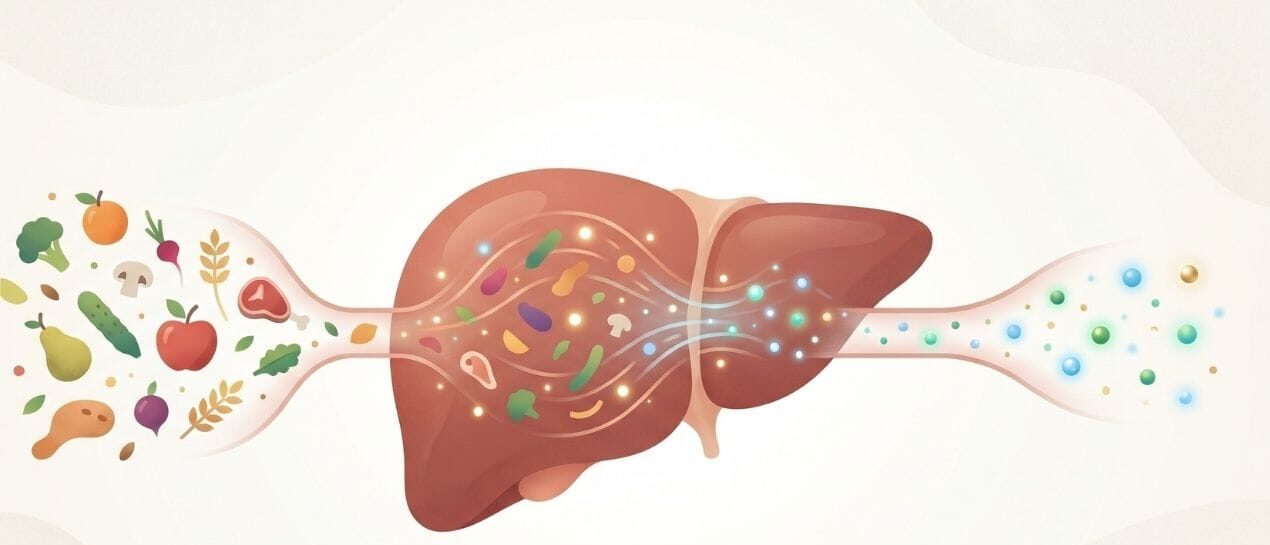
Your liver functions as your body’s primary filtration system, processing nutrients and removing harmful substances. When you consume non-alcoholic beer, the organ mobilizes enzymes to handle the trace alcohol content alongside other components like sugars and additives.
The process generates byproducts that eventually leave your system through urine and bile. Understanding what is the function of the liver helps clarify why even seemingly harmless drinks require careful consideration when liver health is a priority.
What Research Shows
A 2020 clinical study examined non-alcoholic beer consumption in patients with liver scarring, finding that 330 mL daily was well-tolerated without adverse effects on liver enzyme levels. The research noted improvements in vascular function and quality of life among participants.
However, the World Health Organization maintains that no level of alcohol consumption is entirely safe for health. Health professionals generally view occasional non-alcoholic beer as acceptable for healthy adults while advising caution for those with pre-existing hepatic conditions.
Can Non-Alcoholic Beer Cause Liver Damage?
The question extends beyond alcohol content to include other ingredients that may affect liver function. Many non-alcoholic beers contain added sugars to compensate for flavor lost during alcohol removal.
Excessive sugar intake contributes to fat accumulation in liver cells, a process that occurs independently of alcohol consumption. Some formulations also include preservatives, artificial flavorings, and stabilizers that require liver detoxification.
While research specifically linking non-alcoholic beer to liver damage remains limited, the cumulative effect of these ingredients warrants attention.
Non-Alcoholic vs. Regular Beer
The comparison reveals significant differences in how these beverages affect your body. Regular beer delivers 10 to 20 times more alcohol per serving, forcing your liver to work substantially harder during metabolism.
This increased workload generates more toxic byproducts and inflammatory compounds. Non-alcoholic alternatives reduce this burden considerably, with trace alcohol requiring minimal enzymatic processing.
Research indicates that non-alcoholic beer may help with better blood flow and reduce certain inflammatory markers compared to alcoholic versions.
When Non-Alcoholic Beer Becomes Risky
Certain scenarios increase the potential for negative effects. High consumption paired with poor dietary habits amplifies metabolic stress on liver tissue.
Those managing non-alcoholic fatty accumulation in the liver face particular concerns, as additional sugar from these beverages may worsen existing fat deposits. Frequent consumption of sweetened varieties can contribute to blood sugar fluctuations, indirectly affecting liver function through metabolic pathways.
The risk rises when non-alcoholic beer replaces water or other unsweetened beverages rather than serving as an occasional alternative.
Hidden Issues in “Healthier” Non-Alcoholic Beers
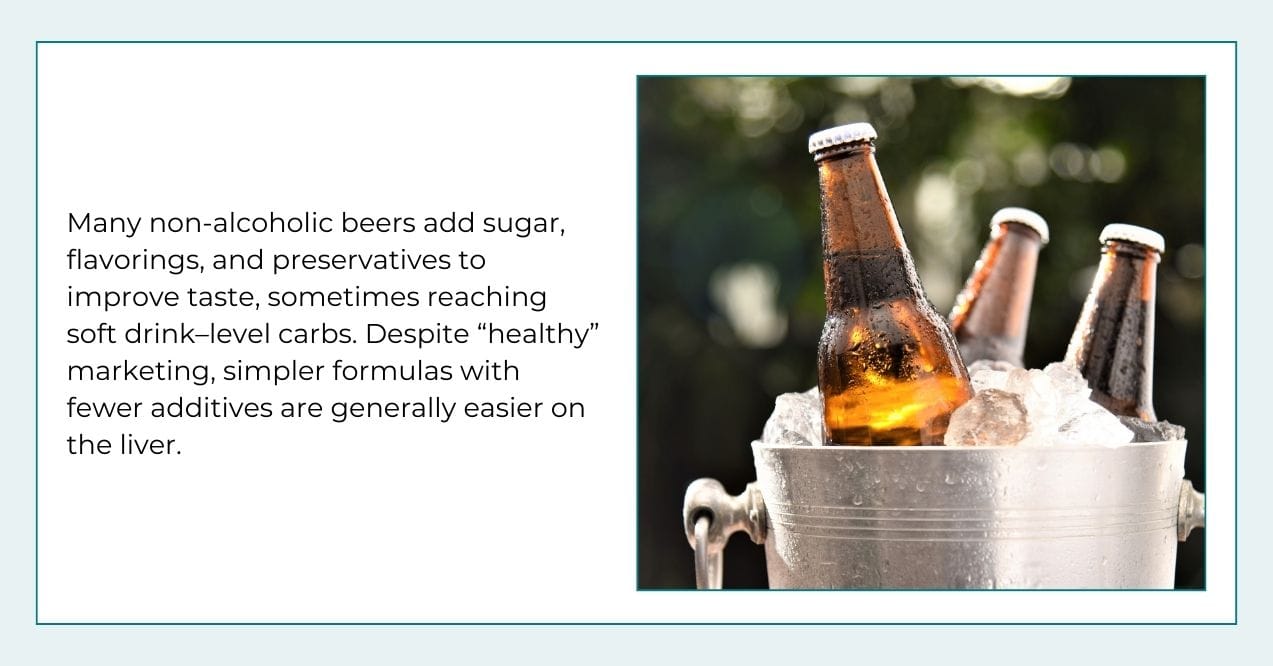
Marketing often positions non-alcoholic beer as a wellness choice, but formulation matters significantly. Many brands add substantial amounts of sugar to improve taste after alcohol removal, sometimes approaching levels found in soft drinks.
These added sweeteners can burden your liver’s metabolic processes just as effectively as alcohol itself. Artificial flavoring agents and chemical preservatives, while generally recognized as safe, still require hepatic processing for elimination.
Sugar and Artificial Ingredients
Some non-alcoholic beers contain 10 to 15 grams of sugar per serving, comparable to many sweetened beverages. This sugar load triggers insulin responses and can contribute to fat synthesis in liver cells.
Artificial sweeteners present a different challenge, as emerging research suggests they may alter gut bacteria populations that influence liver function. Stabilizers and emulsifiers maintain texture and appearance but add to the chemical burden your liver must process.
Natural formulations using minimal additives offer a cleaner alternative.
Isotonic, Sweetened, and Specialty Beers
The non-alcoholic beer market now includes specialty formulations targeting specific health goals. Isotonic versions add electrolytes for post-exercise hydration, while functional varieties incorporate herbal extracts or vitamins.
Some sweetened varieties contain 20 or more grams of carbohydrates per serving, approaching soft drink levels. The liver-friendliness of these products depends largely on their sugar content and additive profile rather than their marketed health benefits.
Simpler formulations generally place less demand on hepatic processing capacity.
Can Non-Alcoholic Beer Fit Into Healthy Living?
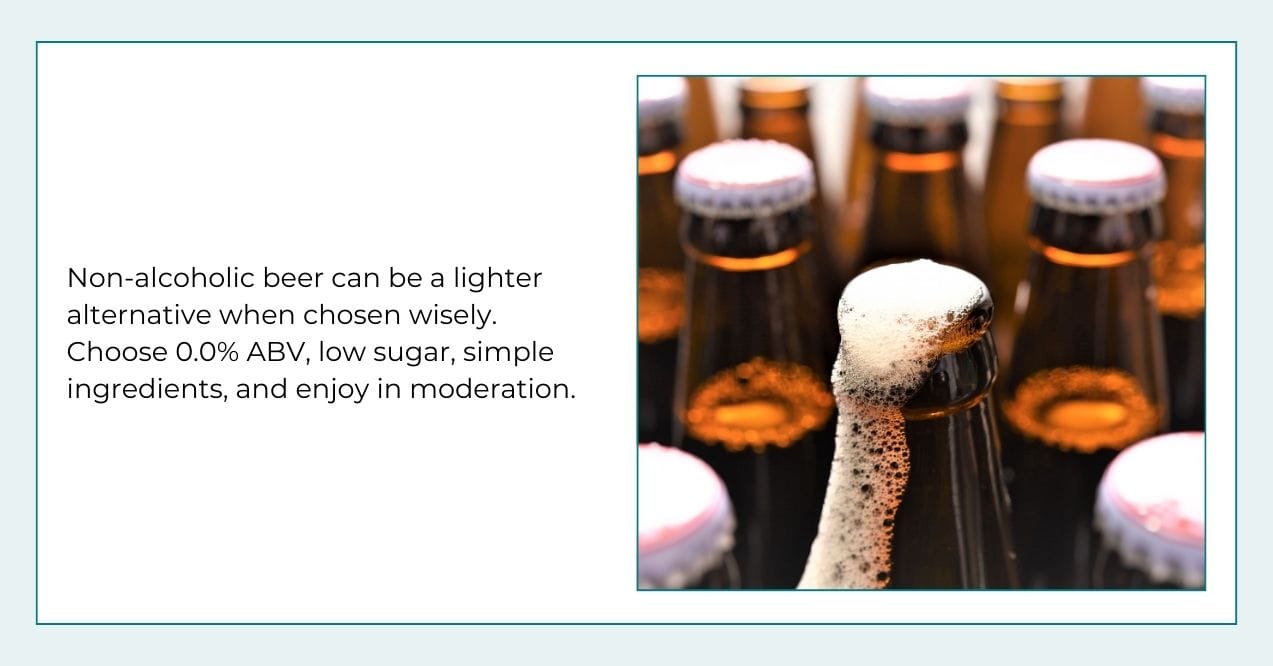
Despite concerns, non-alcoholic beer offers certain advantages within a balanced approach to wellness. The beverage provides hydration without alcohol’s diuretic effects, helping maintain fluid balance.
Social situations become more comfortable when you can participate in group drinking rituals without consuming alcohol. Some varieties contain polyphenols and antioxidants from hops and malt that may offer mild protective effects for cellular health.
The psychological benefit of enjoying familiar flavors while avoiding alcohol’s negative impacts shouldn’t be underestimated.
Choosing Safer NA Beers
Start by seeking products labeled 0.0% ABV rather than 0.5%, eliminating even trace alcohol. Examine nutrition labels for sugar content, aiming for options with 5 grams or less per serving.
Natural ingredient lists without lengthy chemical names indicate simpler formulations that place less burden on liver function. Craft non-alcoholic beers often use traditional brewing methods with minimal additives.
Comparing several products helps identify those balancing taste with cleaner ingredient profiles.
Better Drinking Habits for Your Liver
Moderation applies even to non-alcoholic options, with one to two servings representing reasonable limits for most occasions. Alternating non-alcoholic beer with water maintains hydration while limiting sugar and additive exposure.
Avoiding daily consumption allows your liver to focus on other metabolic tasks without constant beverage-processing demands. Pairing non-alcoholic beer with balanced meals that include protein and vegetables helps stabilize blood sugar responses.
These practices work regardless of your beverage choices.
Daily Habits That Help Your Liver
Your liver thrives on consistent healthy habits that extend beyond beverage selection. Staying well-hydrated with water throughout the day helps with detoxification processes.
Regular physical activity improves blood flow to hepatic tissue and helps manage body composition. Limiting processed foods reduces the burden of artificial ingredients and excess sugars your liver must handle.
Whole foods rich in antioxidants provide nutrients that may help with cellular repair and protection. Learning how to make your liver healthy again involves building these foundational practices into your daily routine.
Many people also incorporate targeted nutritional products through carefully formulated liver health supplements alongside their lifestyle habits. These products typically contain botanical extracts and nutrients that may help maintain healthy liver enzyme levels and natural detoxification pathways.
When combined with proper hydration, balanced nutrition, and mindful choices about alcohol alternatives, these supplements can complement your wellness strategy. They work best as one element within a broader approach to hepatic health rather than as isolated solutions.
Conclusion
Non-alcoholic beer can fit into a health-conscious lifestyle for many people, though it’s not appropriate for everyone. The trace alcohol content poses minimal concern for healthy adults but may affect those with compromised liver function. Added sugars and artificial ingredients in some formulations warrant attention regardless of your health status. Moderation, careful label reading, and awareness of your personal health history guide appropriate choices.
For healthy adults, occasional non-alcoholic beer is unlikely to harm liver function. Those with existing liver conditions should exercise caution due to trace alcohol content.
Non-alcoholic beer poses significantly less risk than regular beer, though added sugars may affect liver metabolism over time with excessive consumption.
Limited research suggests no direct damage in healthy individuals, but high sugar content and frequent consumption may contribute to metabolic stress on hepatic tissue.
High sugar content, artificial sweeteners, and excessive additives present the greatest concerns. Choose products with minimal ingredients and low carbohydrate content.

Advertisement. This site offers health, wellness, fitness and nutritional information and is designed for educational purposes only. You should not rely on this information as a substitute for, nor does it replace, professional medical advice, diagnosis, or treatment. If you have any concerns or questions about your health, you should always consult with a physician or other health-care professional. Do not disregard, avoid or delay obtaining medical or health related advice from your health-care professional because of something you may have read on this site. The use of any information provided on this site is solely at your own risk.
Related Articles
How to Make Your Liver Healthy Again: The Complete 7-Step Guide
Written by Karolina Rutkute | August 5, 2026

What Your Liver Blood Tests Actually Mean (Beyond “Normal”)
Written by Laura Kraujalyte | July 29, 2026

Liver Health by the Numbers: What the Research Actually Shows
Written by Laura Kraujalyte | July 29, 2026

Can Stress Cause Elevated Liver Enzymes?
Written by Karolina Rutkute | May 7, 2026

What is the Function of the Liver? 5 Essential Roles Explained
Written by Karolina Rutkute | May 2, 2026
Liver Detox Symptoms: Signs, Timelines, and What to Expect
Written by Karolina Rutkute | April 30, 2026