Why Does Seafood Sometimes Make You Feel Tired?
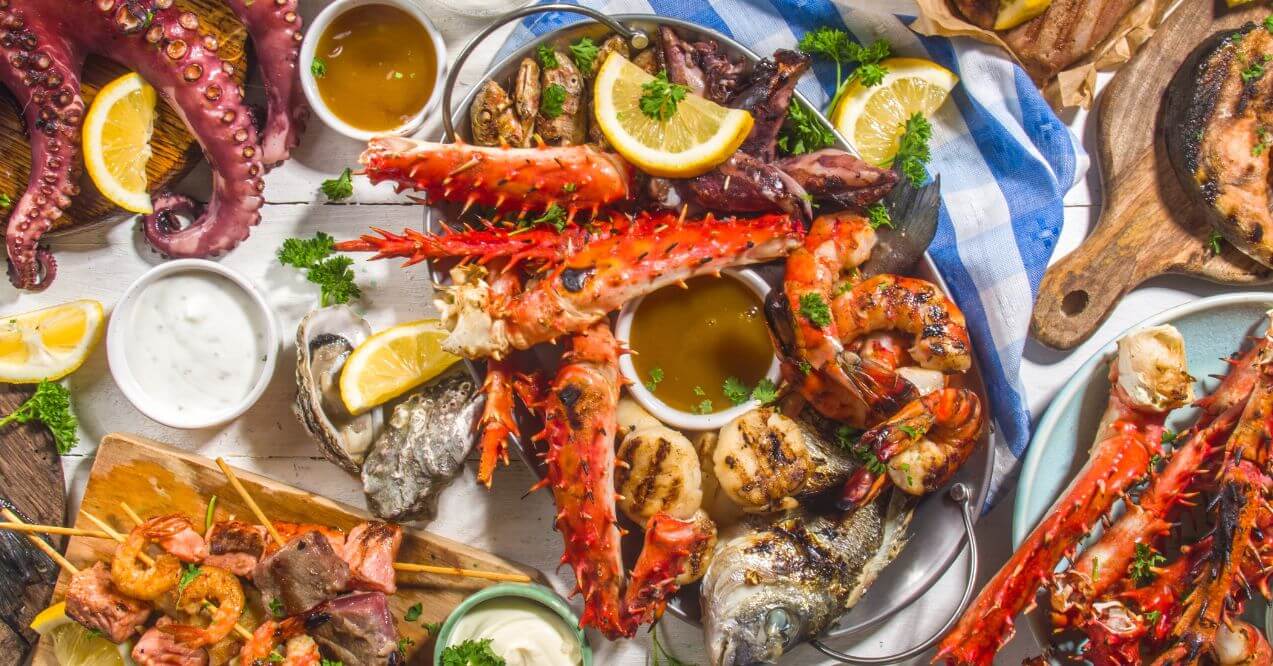
Does seafood make you sleepy? For most people, seafood does not directly cause sleepiness. However, its nutrient profile, including protein, omega-3 fatty acids, and amino acids such as tryptophan, has been studied in relation to sleep and overall wellness. Individual responses may vary depending on the type of seafood, portion size, and personal sensitivities.


 On This Page:
Post-meal drowsiness after fish or shellfish is a common experience, but the biology behind it involves more than one mechanism. Tryptophan, omega-3 fatty acids, histamine load, meal size, digestive demand, and circadian timing all interact to shape how the body responds after a seafood meal.
None of these factors operates in isolation, which is why some people feel noticeably tired after a salmon dinner while others feel nothing unusual.
This article works through each contributing mechanism, identifies who is most likely to be affected, and covers practical adjustments that may support steadier energy after eating seafood.
The Role of Tryptophan in Seafood
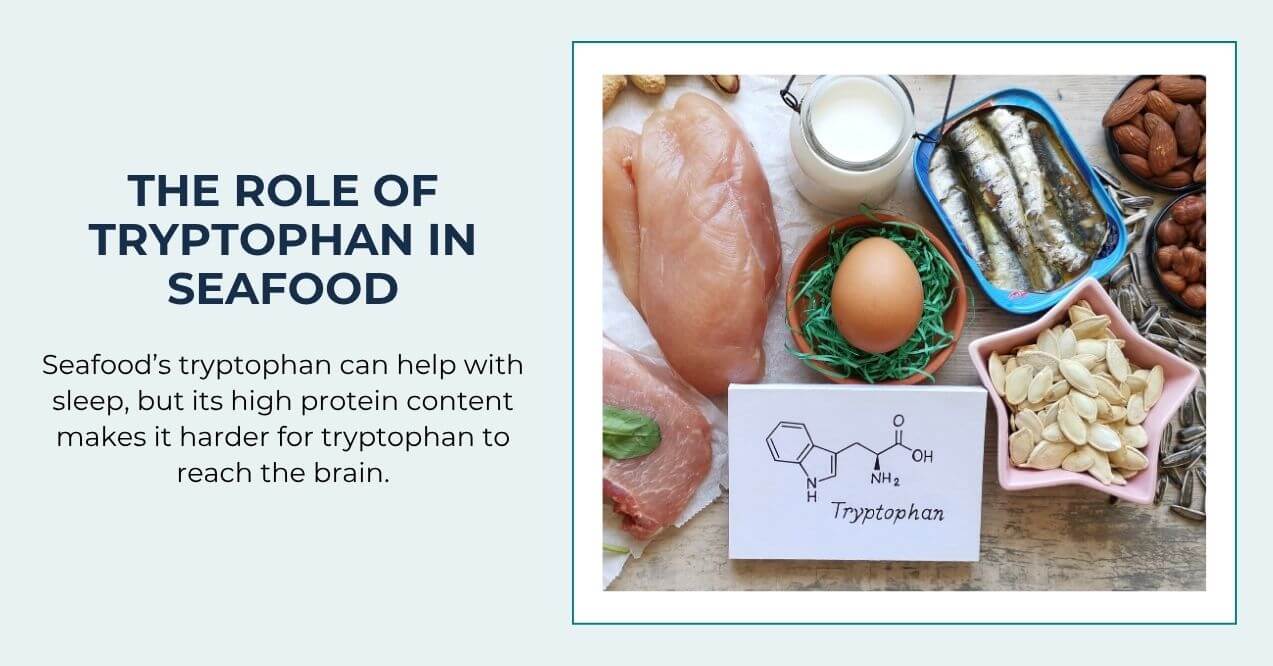
Seafood contains tryptophan, an amino acid your body uses to produce serotonin and melatonin. These chemicals play key roles in regulating mood and sleep patterns. Fish like salmon, tuna, and halibut contain moderate amounts of tryptophan.
However, the tryptophan content in seafood alone rarely causes significant drowsiness. You’d need to consume substantial portions to experience noticeable effects. The amount of tryptophan in a typical seafood serving is similar to what you’d find in chicken or eggs.
The real story is more complex. Tryptophan needs to cross into your brain to affect sleep, and it competes with other amino acids for this access. Seafood’s high protein content actually makes it harder for tryptophan to reach your brain effectively.
Omega-3 Fatty Acids and Sleep Regulation
Fatty fish like salmon, mackerel, and sardines are rich in omega-3 fatty acids. These beneficial fats may influence your sleep quality through their effects on serotonin production. Research suggests omega-3s can help regulate your body’s natural sleep-wake cycle.
Studies indicate that people with higher omega-3 levels often experience better sleep quality. The DHA component of omega-3s appears particularly important for maintaining healthy sleep patterns. This connection might explain why some people feel more relaxed after eating fatty fish.
Regular omega-3 consumption through seafood or pentadecanoic acid supplements may support overall sleep health. The effects tend to be cumulative rather than immediate, meaning one seafood meal won’t necessarily make you instantly sleepy.
The balance of omega-3 to omega-6 fatty acids in your diet also matters. Modern diets often contain too many omega-6 fats, which can interfere with omega-3 benefits. Seafood helps restore this balance, potentially improving both sleep quality and daytime energy levels over time.
Meal Size and Digestive Load
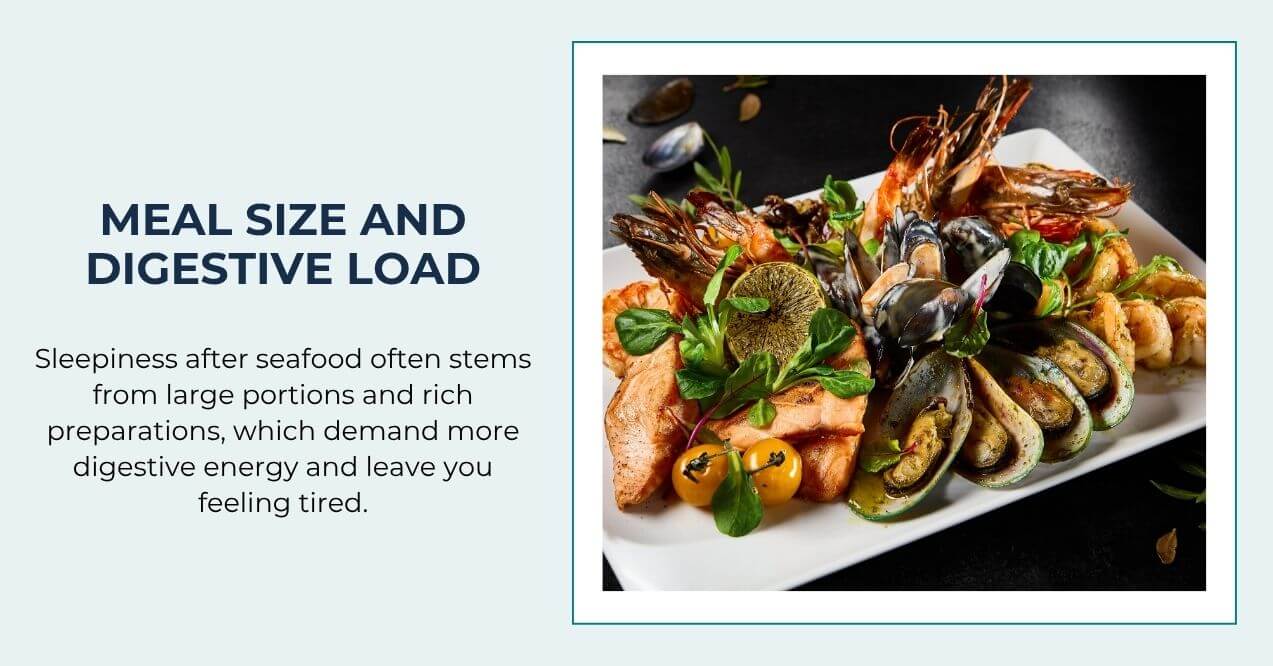
Often, the sleepiness you experience after seafood has less to do with the fish itself and more to do with how much you eat. Large portions of any food require significant energy for digestion. Your body redirects blood flow to your digestive system, which can leave you feeling tired.
Heavy seafood preparations compound this effect. Fried fish, creamy sauces, and butter-laden dishes demand even more digestive effort. The combination of proteins and fats takes longer to process than simpler meals.
Consider these digestive factors:
- Portion size directly impacts post-meal fatigue
- Rich preparations increase digestive demands
- Eating speed affects how your body processes food
- Combining seafood with heavy sides adds to the digestive load
Potential Food Sensitivities or Allergies
Some individuals experience fatigue as a symptom of mild seafood sensitivities. These reactions differ from severe allergies but can still affect how you feel after eating certain fish or shellfish. Histamine content in some seafood varieties may trigger mild reactions in sensitive people.
Possible signs of seafood sensitivity:
- Consistent tiredness after eating specific types of fish
- Mild digestive discomfort
- Slight headaches or foggy thinking
- General feelings of being unwell
If you notice these patterns, tracking which seafood types affect you can help identify triggers. Consulting with a healthcare provider can determine whether you have a true sensitivity or if other factors are at play.
Circadian Rhythms and Timing of Seafood Consumption
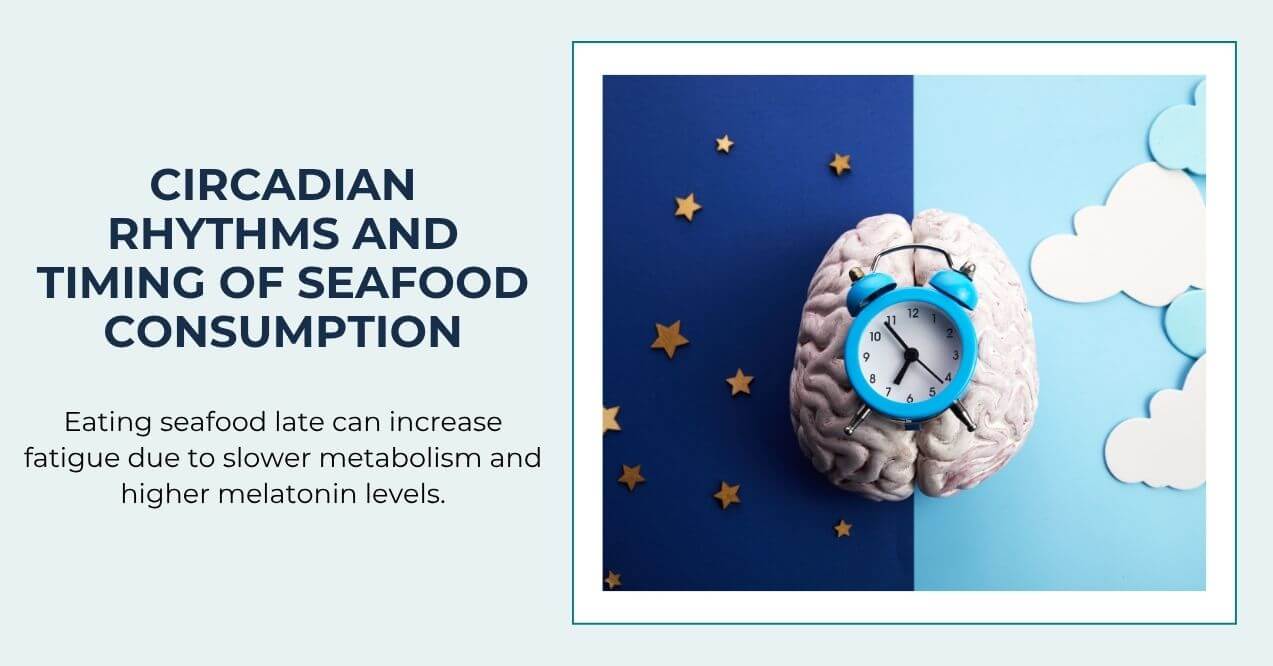
Your body’s natural circadian rhythms influence how meals affect your energy levels. Eating seafood during your body’s natural low-energy periods, typically mid-afternoon or evening, may amplify feelings of tiredness. This timing effect applies to most foods, not just seafood.
The body naturally produces more melatonin as evening approaches. When you combine this natural drowsiness with a satisfying seafood dinner, the sleepy feeling intensifies. Late dinners particularly affect sleep readiness, regardless of the food type.
Your metabolism also slows in the evening, making it harder to process heavy meals efficiently. This natural slowdown means that seafood dinners may have different effects than lunch portions. The social context of evening meals – relaxation, wine, dim lighting – further promotes drowsiness beyond what the food alone would cause.
Consider when you typically eat seafood meals. Restaurant dinners often happen later in the evening when your body already prepares for rest. The relaxed atmosphere and social setting of these meals may contribute to post-dinner fatigue as much as the food itself.
Lifestyle Tips to Combat Post-Meal Fatigue
Managing post-seafood drowsiness involves simple adjustments to your eating habits. Start by controlling portion sizes – smaller servings reduce digestive burden while still providing nutritional benefits. Choose lighter preparation methods like grilling or baking instead of heavy, fried options.
Staying hydrated throughout your meal helps digestion proceed smoothly. Water aids nutrient absorption and prevents the sluggishness that dehydration can cause. A short walk after eating stimulates circulation and helps combat that heavy feeling.
Additional strategies:
- Eating seafood earlier in the day when energy levels are naturally higher
- Pairing fish with vegetables rather than heavy starches
- Chewing thoroughly to aid digestion
- Avoiding alcohol with seafood meals, as it compounds drowsiness
If post-meal fatigue from seafood regularly affects your evenings or seems connected to broader sleep quality concerns, nutritional support for relaxation may be worth considering alongside dietary adjustments. The natural sleep supplements collection at PureHealth Research includes formulas designed to support the body’s natural relaxation and sleep routines.
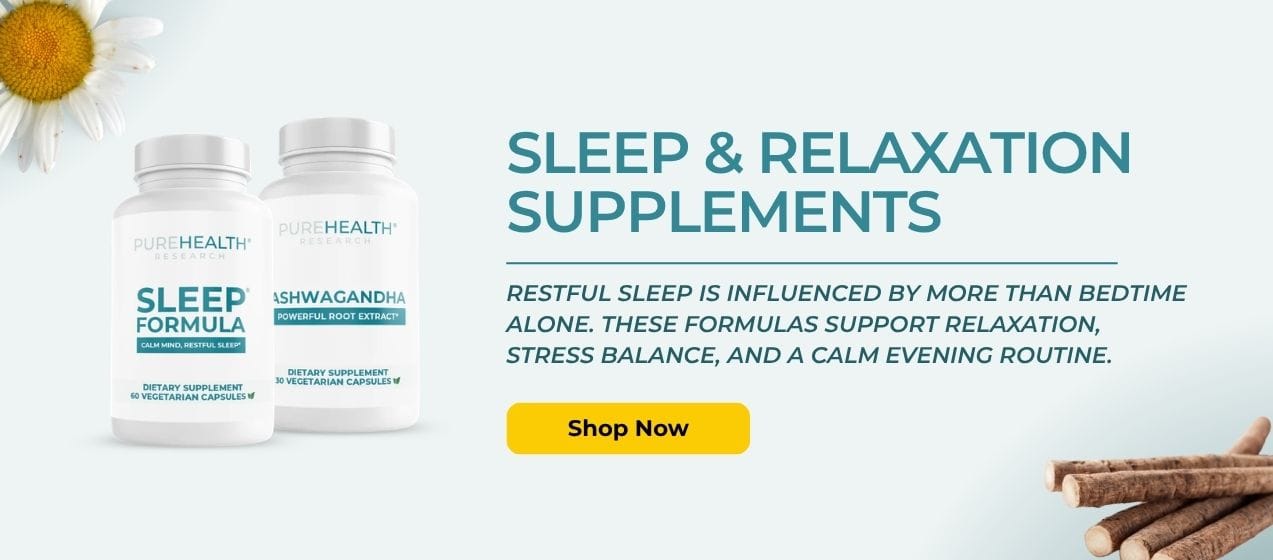
Sleep Formula combines ingredients including melatonin, valerian root, chamomile, and passionflower, each commonly studied for sleep and relaxation support. Ashwagandha supports stress balance, while Stress Release Complex provides complementary daytime support for a calmer routine.
For those whose tiredness after seafood may reflect sleep quality concerns rather than simply a heavy meal, this collection offers targeted options for rest and relaxation support.
Bottom Line
Post-meal fatigue after seafood may be related to a combination of factors, including tryptophan, omega-3 intake, histamine sensitivity, digestive load, and meal timing. No single factor explains every person’s experience. Smaller portions, lighter preparations, and earlier meal timing may help support steadier energy after meals. For those whose fatigue may relate to broader sleep quality concerns rather than diet alone, targeted sleep support may be worth exploring alongside these adjustments.
Yes, it’s common due to factors like meal size, nutrient content, and individual sensitivities. Most people experience some drowsiness after large meals, and seafood is no exception to this pattern.
Fatty fish like salmon and mackerel, which are high in omega-3s and tryptophan, may have a more noticeable effect. However, preparation method and portion size matter more than fish type.
Opt for smaller portions, avoid heavy sauces, and pair seafood with complex carbohydrates and vegetables. Eating earlier in the day and staying hydrated also helps maintain energy levels.
Not necessarily. If sleepiness is mild and not disruptive, it’s generally safe. However, consult a healthcare provider if you have concerns about consistent or severe reactions to seafood.

Advertisement. This site offers health, wellness, fitness and nutritional information and is designed for educational purposes only. You should not rely on this information as a substitute for, nor does it replace, professional medical advice, diagnosis, or treatment. If you have any concerns or questions about your health, you should always consult with a physician or other health-care professional. Do not disregard, avoid or delay obtaining medical or health related advice from your health-care professional because of something you may have read on this site. The use of any information provided on this site is solely at your own risk.
Related Articles
Can Peptides for Sleep Actually Make a Difference?
Written by Laura Kraujalyte | June 12, 2026

Can Peptides for Inflammation Support Your Body?
Written by Laura Kraujalyte | June 8, 2026

Are Peptides for Energy Worth Your Attention?
Written by Laura Kraujalyte | June 5, 2026

What Are the Best Peptides for Skin?
Written by Laura Kraujalyte | June 1, 2026

Do Peptides for Weight Loss Work?
Written by Laura Kraujalyte | May 22, 2026

Is Irish Moss the Same as Sea Moss?
Written by Donatas Leikas | May 20, 2026