How to Detox Liver With Castor Oil?
Detoxing the liver with castor oil is a popular wellness topic, but there is limited evidence that castor oil packs directly support liver detoxification. They are better viewed as a topical self-care practice rather than a proven liver cleanse. Read on to learn what is known, what is not, and how to use them safely.


 On This Page:
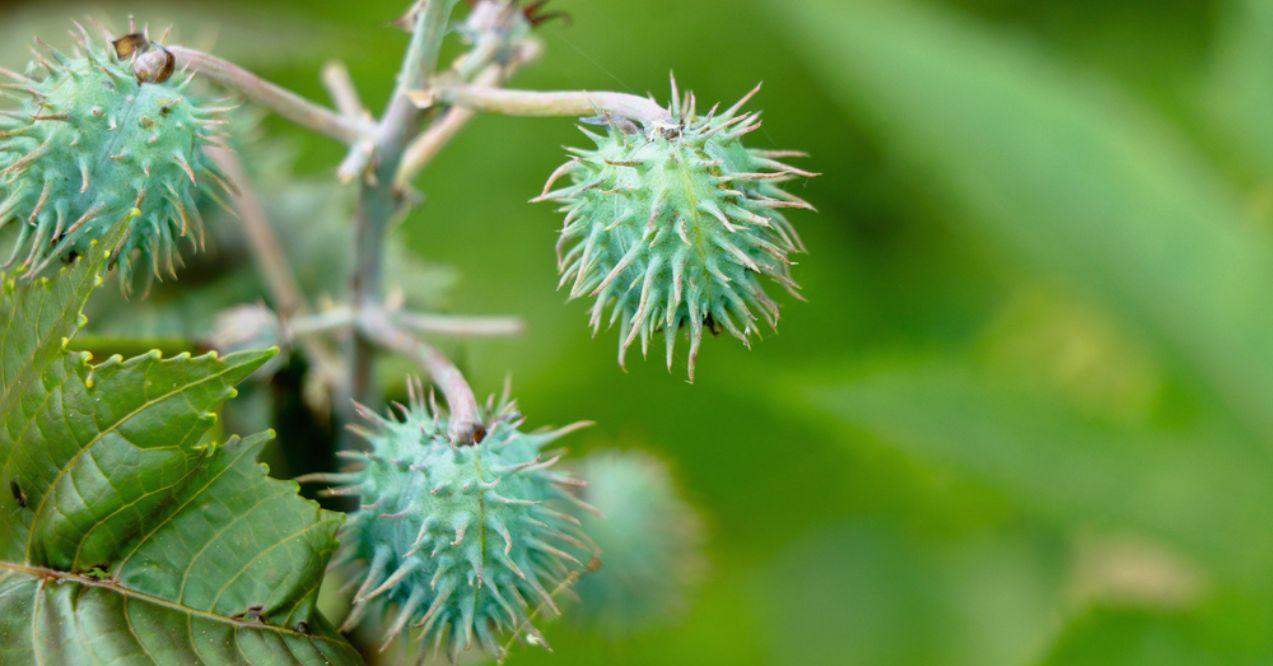
Castor oil packs have a long history in traditional wellness practices, and interest in this topical routine remains active. Castor oil, derived from the seeds of the Ricinus communis plant, is commonly applied to the skin as a cloth pack over the abdomen or right upper abdominal area. While some people use castor oil packs as part of a liver wellness routine, evidence for liver-specific benefits is limited, and claims about liver detox symptoms should be approached carefully.
This article covers how castor oil packs are prepared and used, what the available evidence does and does not suggest, how they compare with other liver wellness practices, and which safety considerations are worth knowing before getting started.
Castor Oil in Historical Remedies
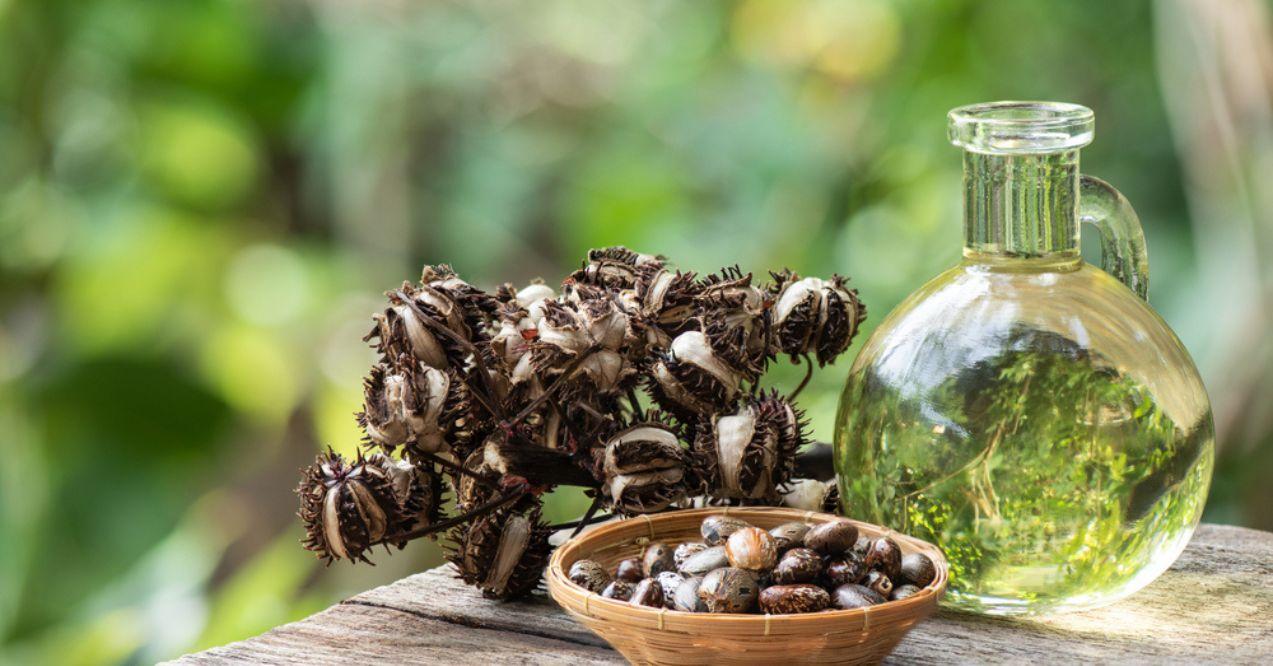
Castor oil, extracted from the seeds of the Ricinus communis plant, boasts a rich history in various cultures as a medicinal remedy. Ancient Egyptians used it over 4,000 years ago, primarily for lamp fuel but also medicinally.
In India, it has long been a cornerstone in Ayurveda for treating ailments like skin disorders and constipation. Similarly, in traditional Chinese medicine, castor oil has been valued for its supposed ability to support the immune system and alleviate pain.
So, does castor oil help the liver? Scientific studies have started to back some of these historical uses. For instance, research has shown that castor oil contains ricinoleic acid, which exhibits anti-inflammatory properties.
Additionally, its role as a natural laxative has been supported by studies highlighting its effectiveness in stimulating bowel movements. This convergence of historical wisdom and modern science underscores the enduring significance of castor oil in holistic health practices.
However, it’s important to approach these findings with a degree of caution, as more research is needed to fully understand the scope of castor oil’s medicinal properties.
Liver Detoxification Explained
The liver is a powerhouse when it comes to detoxification, acting as the body’s primary filter. Its main job is to process and remove toxins from the blood. Here’s how it works:
- Filtering Blood – Everything we ingest, whether it’s food, drink, or medication, eventually makes its way to the liver. The liver filters the blood coming from the digestive tract before passing it to the rest of the body.
- Processing Toxins – The liver uses a two-phase process to break down toxins. In Phase 1, enzymes in the liver convert toxins into less harmful substances. In Phase 2, these substances are made water-soluble, making it easier for the body to excrete them through urine or feces.
- Nutrient Metabolism – Apart from detoxification, the liver also plays a crucial role in metabolizing nutrients from our diet, storing vitamins and minerals, and producing bile, which helps break down fats.
Supporting liver health is vital because a healthy liver ensures efficient processing of toxins, preventing them from accumulating and causing harm. This includes maintaining a balanced diet, avoiding excessive alcohol consumption, staying hydrated, and regular exercise. A well-functioning liver not only detoxifies but also supports overall health and well-being.
Benefits of Castor Oil for Liver Health
Scientific research into the effects of castor oil on liver health has provided some interesting insights, particularly in relation to detoxification and liver function. Studies have suggested that castor oil may assist in the detoxification process of the liver. This is thought to be due to the specific fatty acids in castor oil, which could potentially help in the stimulation of certain physiological processes in the liver.
Furthermore, castor oil is believed to have anti-inflammatory properties, which could be beneficial for the liver. Inflammation is a common response to toxins and can impair liver function. By potentially reducing inflammation, castor oil might aid in maintaining liver health and its ability to effectively process and eliminate toxins.
It is important to note, however, that while these findings are promising, they are still preliminary. The exact mechanisms by which castor oil could benefit liver health are not fully understood.
Making a Castor Oil Pack
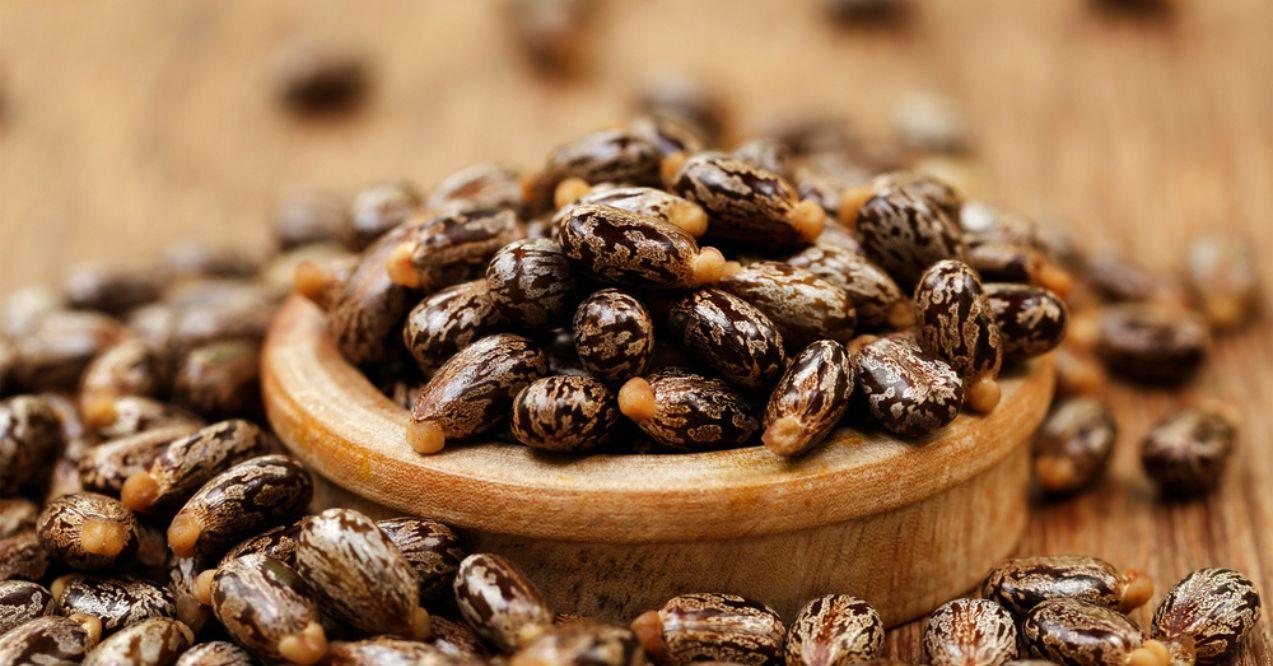
Making a castor oil pack is a simple, natural way to potentially enhance liver health and support detoxification. This traditional practice, often linked to improved liver function, involves the topical application of castor oil.
Understanding how to properly create and how to use castor oil packs is essential for maximizing its potential benefits. Let’s explore the steps and considerations involved in this process.
Supplies Needed
To create a castor oil pack, you’ll need the following essential items:
- Castor Oil – The primary ingredient, believed to support detoxification and liver health.
- Cotton or Wool Flannel – This fabric absorbs the castor oil and allows it to be evenly applied to the skin.
- Plastic Wrap – Used to cover the flannel, helping to retain heat and prevent oil from staining clothes or furniture.
- Heat Source (like a hot water bottle or heating pad) – Provides warmth which may enhance the effectiveness of the castor oil through increased absorption.
- Old Towel or Cloth – Protects surfaces and clothing from oil stains.
- Safety Pins or Large Bandage Wrap – Helps to secure the pack in place during use.
Step by Step Guide
Applying a castor oil pack is a straightforward process:
- Soak the Flannel – Saturate the cotton or wool flannel in castor oil, ensuring it’s fully covered but not dripping.
- Apply to the Skin – Place the soaked flannel over the targeted area, typically the abdomen for liver health.
- Cover with Plastic Wrap – Place plastic wrap over the flannel to prevent staining and to retain heat.
- Add Heat – Place a hot water bottle or heating pad over the plastic wrap to provide warmth.
- Secure the Pack – Use safety pins or a bandage wrap to keep the pack in place comfortably.
- Rest with the Pack – Relax with the pack for about 30-60 minutes, allowing the oil to penetrate.
- Clean Up – After use, remove the pack and cleanse the skin. Store the flannel in a plastic bag in a cool place for reuse.
How Castor Oil Packs Aid Liver Detox
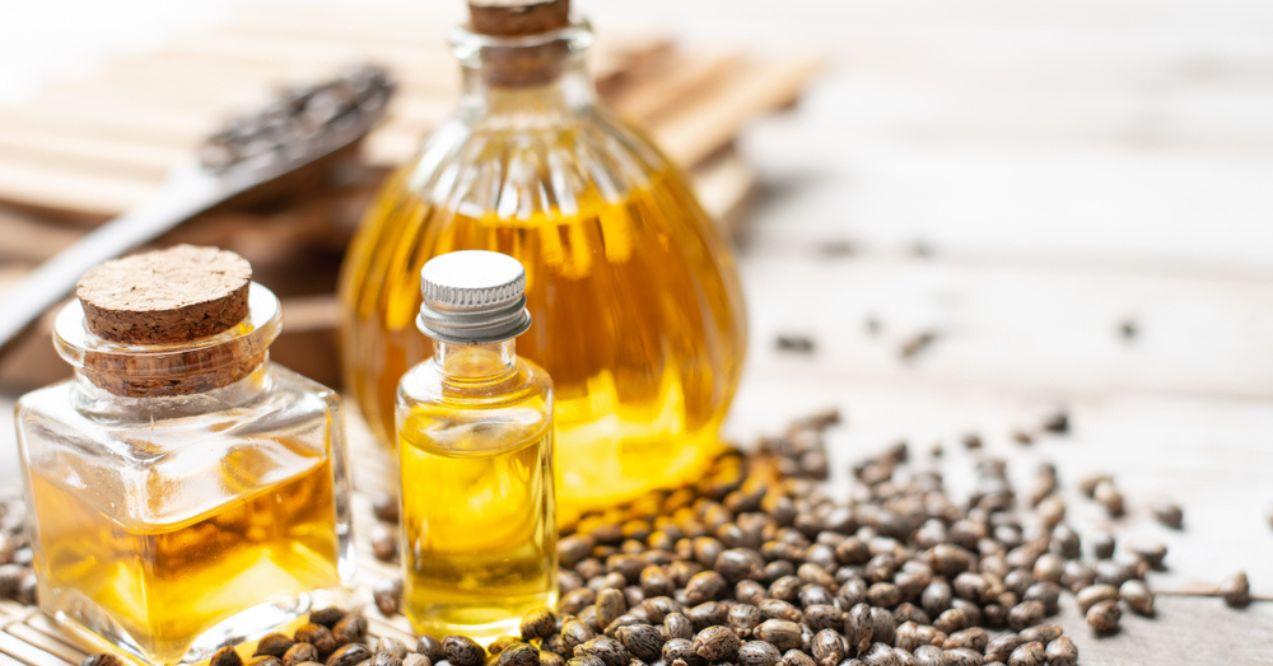
Current scientific theories elaborate on castor oil pack benefits for liver detoxification through a multi-faceted approach. The topical application of castor oil is theorized to boost blood flow specifically in the area around the liver, potentially aiding the liver in its critical detoxification role. This improved circulation might help in efficiently processing and eliminating toxins from the body.
Moreover, castor oil’s reputed anti-inflammatory properties could be beneficial in reducing inflammation within liver tissues. Inflammation may often impair liver function, so mitigating it could be crucial for maintaining a healthy liver. Additionally, the heat applied alongside the castor oil pack is believed to play a significant role. This external warmth is thought to promote deeper penetration of the oil into the skin, potentially enhancing its therapeutic effects.
Furthermore, some suggest that this combination of improved blood flow, reduced inflammation, and enhanced absorption of castor oil could collectively contribute to more effective liver detoxification. However, it’s crucial to acknowledge that these are initial hypotheses and more in-depth scientific research is necessary to conclusively determine the effectiveness of castor oil packs in liver detoxification.
Additional Natural Liver Detox Methods
Some people include castor oil packs in broader wellness routines, though evidence for liver-specific benefits remains limited. In comparison, dietary changes are more commonly discussed in relation to liver wellness.
Foods rich in antioxidants and fiber, including leafy greens, berries, and whole grains, along with botanicals such as milk thistle and dandelion root, have been studied for their potential roles in liver cell health and antioxidant activity.
Understanding the signs your liver is healing can provide helpful context, but changes in digestion, energy, or other symptoms should not be used to self-assess liver function and are best discussed with a qualified healthcare professional.
For those interested in a more structured nutrition-focused approach, a 3-day liver cleanse diet should be understood as a short-term liver-support meal plan built around whole foods, hydration, and balanced eating, not as a way to detoxify or reset the liver.
Being mindful of what foods can damage your liver may also be useful from an educational standpoint. Excessive alcohol, highly processed foods, and high added-sugar intake are commonly discussed in liver-health guidance, and limiting them can be one practical way to support overall liver wellness.
For those looking to add targeted nutritional support, PureHealth Research’s liver health collection brings together evidence-informed ingredients in formulas designed for daily liver wellness support.
Browsing the best supplements for liver health offers an overview of available options, including how compounds like milk thistle, turmeric, and dandelion may fit into a broader liver wellness routine.
Safety and Precautions for Castor Oil Use
When using castor oil, especially for older adults, it’s important to follow safety guidelines:
- Consult Healthcare Providers – Older adults should consult a healthcare professional before using castor oil, as they may have health conditions or medications that could interact negatively.
- Allergy Test – Conduct a patch test to check for allergic reactions before applying castor oil broadly.
- Avoid Ingestion – Oral consumption of castor oil should be avoided, especially in the elderly, as it may lead to dehydration and electrolyte imbalances.
- Moderation – Use castor oil packs moderately, as excessive use may lead to skin irritation or other issues.
- Be Cautious with Open Wounds – Avoid applying castor oil on broken skin or open wounds.
- Pregnancy and Breastfeeding – Pregnant or breastfeeding women should avoid castor oil due to potential risks.
- Existing Health Conditions – Those with existing liver conditions, intestinal blockage, or acute inflammatory conditions should avoid castor oil.
User Experiences and Benefits
Many users report positive outcomes such as improved digestion, a sense of overall well-being, and relief from bloating or abdominal discomfort. Some also mention feeling more energized and noticing clearer skin, which they attribute to the detoxifying effect on the liver. Many users also wonder how to know if castor oil pack is working and as there is no conclusive evidence on any castor oil liver detox symptoms it is very hard to tell if there is any tangible difference to your overall wellbeing.
On the other hand, there are reports of side effects, albeit less common. These include skin irritation or rashes at the site of application, especially in those with sensitive skin. Some individuals also report mild discomfort or cramping, particularly when using castor oil packs for abdominal issues.
It’s important to balance these anecdotal experiences with scientific perspectives. While there is some preliminary evidence supporting the use of castor oil packs for certain health benefits, more rigorous scientific studies are needed to fully understand their efficacy and safety.
Conclusion
Incorporating castor oil into your liver detox regimen can offer several potential benefits, such as enhanced toxin elimination and reduced inflammation. Castor oil packs, rooted in historical medicinal practices, provide a natural and holistic approach to supporting liver health.
However, it’s important to use them safely, consulting healthcare professionals before starting, especially if you have existing health conditions. Complementing castor oil use with a balanced diet, adequate hydration, regular exercise, and other liver-supportive practices can help optimize your overall well-being and liver function.
Castor oil liver detox symptoms and side-effects may include skin irritation or rashes, especially in sensitive individuals. Some users might experience discomfort, nausea, or cramping.
Castor oil may pull out toxins. This belief is based on its potential to enhance circulation and support detoxification. However, scientific evidence is limited.
Detoxifying your liver is important because the liver plays a crucial role in filtering toxins from the blood, metabolizing drugs, and processing nutrients.
To use castor oil packs, soak a piece of cotton or wool flannel in castor oil, place it on the targeted area (like the abdomen), cover with plastic wrap, and apply heat with a hot water bottle or heating pad. Secure it in place and relax for 30-60 minutes.

Advertisement. This site offers health, wellness, fitness and nutritional information and is designed for educational purposes only. You should not rely on this information as a substitute for, nor does it replace, professional medical advice, diagnosis, or treatment. If you have any concerns or questions about your health, you should always consult with a physician or other health-care professional. Do not disregard, avoid or delay obtaining medical or health related advice from your health-care professional because of something you may have read on this site. The use of any information provided on this site is solely at your own risk.
Related Articles
How to Clean Your System of Alcohol in 24 Hours?
Written by Karolina Rutkute | May 6, 2026

Best Detox Teas for Liver Support: The Top 7 Herbal Blends
Written by Karolina Rutkute | May 2, 2026
3-Day Liver Cleanse Diet: The Complete Step-by-Step Plan
Written by Karolina Rutkute | May 1, 2026
7-Day Liver Cleanse Diet: Nutritionist-Approved
Written by Karolina Rutkute | March 26, 2026

5 Best Drinks to Detox Your Liver
Written by Karolina Rutkute | February 27, 2026

Does Sauna Help Detox Liver?
Written by Karolina Rutkute | February 23, 2026