What Causes Bladder Stones and What Helps Them Pass
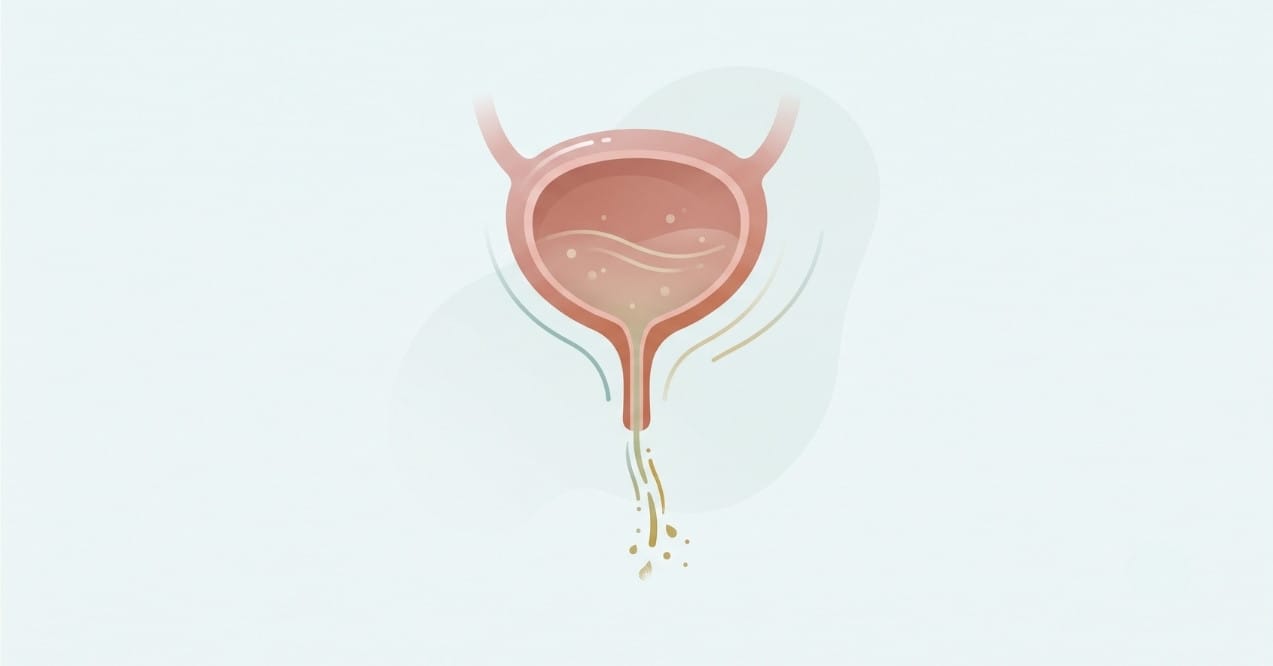
Bladder stones mainly form when the bladder does not empty completely, allowing concentrated minerals to crystallize. Supporting healthy urinary flow and steady hydration are key to maintaining bladder comfort.


 On This Page:
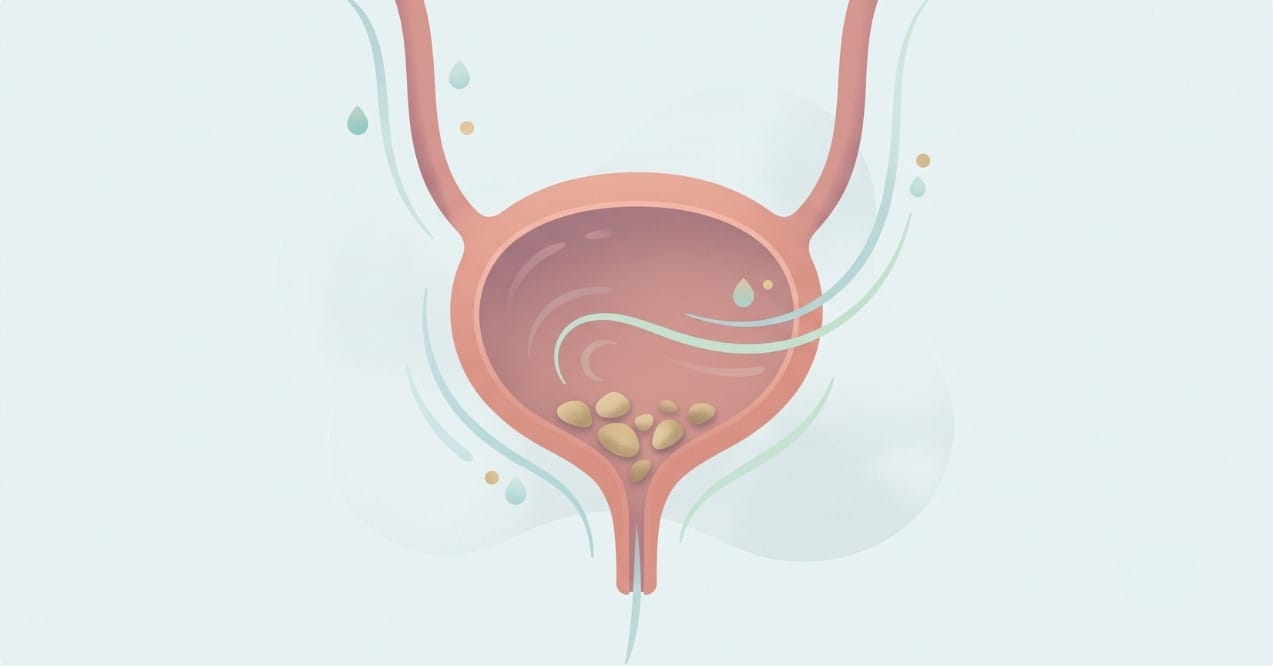
Sudden pressure low in the abdomen and a bathroom trip that does not go as expected can unsettle anyone. If that sounds familiar, it helps to know what causes bladder stones: they are hard mineral clumps that form when urine sits in the bladder too long and its salts begin to crystallize.
The process is gradual, and it usually traces back to how completely the bladder empties each day. Below you will find why stones develop, how the signs differ between men and women, what helps smaller stones move along, and the daily habits that support a healthy urinary tract.
What Causes Bladder Stones: The Primary Reasons They Develop
Bladder stones develop when urine remains in the bladder after urinating, giving dissolved minerals time to concentrate and harden into crystals. Urologic reference sources describe this residual urine, known as urinary stasis, as the central factor behind stone formation in the bladder itself.
The longer that leftover volume sits, the more likely waste products are to bind together rather than leave with the next trip to the bathroom.
Dehydration compounds the process by shrinking the amount of fluid available to dilute those minerals. Structural and nerve-related factors may also play a part by interfering with complete emptying, which helps explain why some people form stones repeatedly while others never do.
Three conditions generally need to line up before a stone forms:
- Residual urine left in the bladder after each visit
- High mineral concentration, usually from limited fluid intake
- Time, since crystals need repeated cycles to grow into a stone
If you often feel that your bladder has not fully drained, this guide on how to empty the bladder covers positioning and timing habits worth trying.
The Mechanics of Urinary Stasis
The bladder is designed to fill, hold urine briefly, and then release it completely. When a portion stays behind after each visit, that volume is never fully replaced, so its mineral content keeps climbing. Small crystals may then settle at the base of the bladder and gradually grow. Repeated cycles of incomplete emptying give those crystals the time they need to enlarge.
Crystallization of Minerals
Urine carries dissolved waste that includes uric acid, calcium salts, oxalate, and small amounts of protein. When fluid volume drops, these compounds move closer together and are more likely to bind into solids rather than stay dissolved.
Higher urine concentration is a well-documented factor in urinary stone formation, and raising daily urine volume has been studied as one of the most consistent ways to lower recurrence risk.
Composition varies, and it matters because different stone types form under different urine conditions.
| Stone type | Typically forms when | Common context |
| Uric acid | Urine is persistently acidic and concentrated | The most frequently reported type among bladder stones in adults |
| Calcium oxalate | Calcium and oxalate levels in urine run high | Often seen when a kidney stone has migrated into the bladder |
| Struvite | Certain bacteria raise urine pH | Associated with repeated urinary infections |
Composition is identified through laboratory analysis after a stone is retrieved, not by symptoms.
Underlying Physical Triggers
Some triggers are structural rather than dietary. Nerve signaling problems, including those following spinal cord injury, may leave the bladder unable to contract fully, a pattern researchers have linked to higher rates of stone formation.
Long-term use of an indwelling catheter can have a similar effect, since crystals may develop on the device surface. These situations generally call for ongoing evaluation by a qualified health professional.
Kidney Stones vs. Bladder Stones
Not every urinary stone is the same. Kidney stones form in the kidneys and travel down the urinary tract, and a small one may occasionally reach the bladder and pass out without incident.
True bladder stones begin in the bladder itself and are usually tied to poor emptying rather than kidney chemistry. Occasionally a kidney stone that reaches the bladder becomes trapped and grows larger there.
Kidney Stones vs. Bladder Stones: What’s the Difference?
| Feature | Kidney Stones | Bladder Stones |
| Where they form | Inside one or both kidneys | Directly inside the bladder |
| Most common driver | Urine chemistry and low fluid intake | Incomplete bladder emptying |
| Typical discomfort | Sharp pain in the back or side, often radiating | Lower abdominal pressure and discomfort while urinating |
| Effect on the stream | Usually unchanged | Stream may start and stop or feel weak |
| Likelihood of passing | Small stones often pass on their own | Small stones may pass; larger ones typically need professional removal |
| Share of urinary stones | The large majority | A small minority of cases overall |
| Who is more affected | Broad range of adults | Men more often than women, particularly with age |
Bladder Stones in Men vs. Bladder Stones in Women
Anyone can develop bladder stones, but the anatomical route there differs. In men, the most common path involves prostate changes that press on the urethra and make full emptying harder. In women, the pattern usually involves shifts in pelvic support that allow urine to pool in a lower position within the bladder.
That difference matters because it changes which habits are most useful. Men often benefit from paying attention to urinary flow and prostate wellness over time. Women may find that pelvic floor conditioning and attention to recurring urinary discomfort are more relevant. Bladder stones in men are diagnosed considerably more often than bladder stones in women, though both groups are affected.
Prostate Health and Urinary Flow in Men
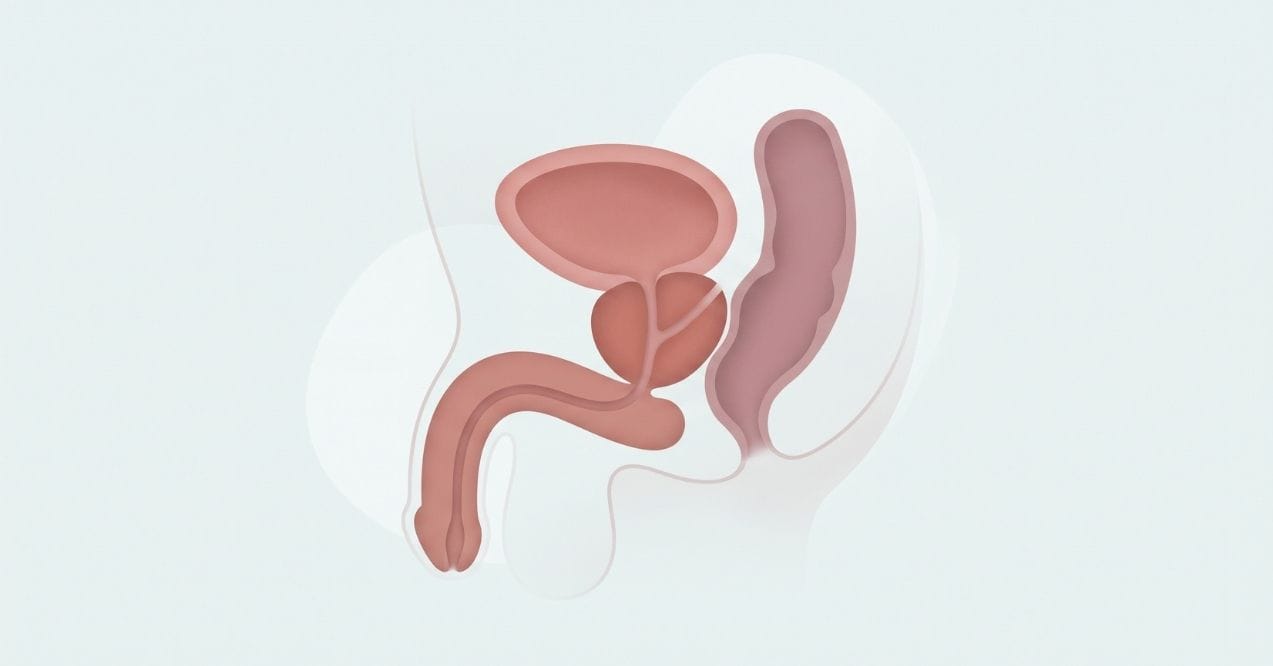
As men age, the prostate commonly enlarges and presses against the urethra, the tube that carries urine out of the body. That pressure narrows the passage and may leave a residual volume behind after each visit to the bathroom. Benign prostatic enlargement affects a large share of men past midlife and is described as a frequent contributor to incomplete emptying.
Because prostate wellness and bladder emptying are so closely linked, many men give that area steady attention rather than waiting for changes to become bothersome. The PureHealth Research prostate health supplements collection is centered on this connection, with two options that suit different preferences.

ProFlow+ is the combination formula, built around six ingredients long associated with men’s urinary wellness: saw palmetto, stinging nettle, lycopene, French maritime pine bark, pygeum africanum, and selenium. Rather than isolating one botanical, it pairs plant extracts with a trace mineral in a single daily capsule, which makes it simple to keep consistent.
Lycopene takes the opposite approach for those who prefer one nutrient at a clear dose. Each capsule delivers 250 mg of lycopene, the carotenoid found in tomatoes, taken once daily with a meal. It suits readers who already take other supplements and want to avoid overlap.
Both are intended to support normal prostate function and maintain healthy urinary flow as part of a daily routine alongside good hydration and a balanced diet. Neither is designed to address stones or any medical condition, and neither replaces professional evaluation. Browse the collection to compare the two formats side by side.
Structural Changes and Pelvic Health in Women
For women, the supportive ligaments and muscles that hold the bladder in place may weaken over time, often after childbirth. When that support gives way, the bladder can shift downward into the vaginal wall, a change known as a cystocele or prolapsed bladder. The altered position may create a low pocket where urine collects instead of draining fully, which sets the stage for mineral buildup.
Repeated urinary infections are a second contributor worth noting, since certain bacteria shift urine chemistry in a direction that favors crystal formation.
How to Tell if You Have Bladder Stones
Small stones frequently cause nothing at all and may leave the body unnoticed. Signs tend to appear once a stone grows large enough to irritate the bladder wall or sit near the bladder outlet, and they usually show up in bathroom habits before anywhere else.
People often ask how to tell if you have bladder stones when the sensations feel vague. The honest answer is that bladder stones signs overlap heavily with other urinary issues, so self-assessment only goes so far. What you can do is track patterns: how often you go, whether the stream feels interrupted, and whether urine looks different than usual.
Changes in Bathroom Habits
The earliest shift is often a change in rhythm. You may feel a sudden urge shortly after already going, or find that starting the stream takes more effort than it used to. Some people notice the flow stopping and restarting partway through. If a weakening stream has become routine, this overview of a weak urine stream explains what may be behind it.
Physical Discomfort and Urine Appearance
Discomfort tends to settle low in the abdomen, sometimes as a dull pressure and sometimes as a burning sensation during urination. It may come and go rather than stay constant. Discomfort that shifts from occasional to daily is a reasonable point to seek evaluation rather than continue watching.
Visual Changes in Urine
Urine that looks darker or cloudy than usual may reflect higher concentration or the presence of debris. A pink, red, or brownish tinge indicates blood in the urine, known as hematuria. Visible blood should always be evaluated professionally, even when it appears once and then clears up on its own.
When Symptoms Mimic UTIs
Bladder stones and urinary tract infections produce a strikingly similar pattern: frequent urination, burning, and cloudy or strong-smelling urine. Stones may also raise the likelihood of infection by giving bacteria a surface to gather on. Because repeated infections can themselves contribute to stone formation, recurring symptoms deserve a proper workup rather than repeated guesswork.
Signs That Call for Prompt Attention
A few situations should not wait. Severe pain that cannot be managed, an inability to urinate at all, visible blood, or fever alongside urinary symptoms all warrant immediate medical attention. These are not signs to monitor at home or address with dietary changes.
What Helps Bladder Stones Pass (and When to Seek Help)
There is no reliable at-home method for clearing a bladder stone, and searches for how to get rid of bladder stones often turn up advice that overpromises. What actually happens depends almost entirely on size. Very small stones may leave the body on their own with generous fluid intake, while larger ones generally require professional removal.
The practical takeaway is to treat this as a matter for evaluation rather than experimentation. Imaging and urine testing establish the size, number, and likely composition of a stone, and that information shapes what comes next. Supportive habits still matter, but they belong alongside professional care rather than in place of it.
Hydration for Small Stones
When a stone is very small, a qualified health professional may simply advise increasing fluid intake to encourage it to pass with the urine stream. The goal is a higher daily urine volume, which dilutes minerals and keeps things moving. This approach only applies to stones already assessed and judged small enough, which is why the assessment comes first.
Dietary Adjustments During a Flare
Temporary dietary shifts are sometimes suggested to lighten the load on the urinary tract. That often means pulling back on high-sodium and heavily processed foods, since sodium intake influences how much calcium ends up in the urine. A randomized trial in calcium-oxalate stone formers found that a lower-salt eating pattern was associated with reduced urinary calcium excretion over three months.
Professional Removal Options
For stones too large to pass, urologic specialists use minimally invasive tools. A cystoscope passed through the urethra allows a stone to be located and broken into smaller fragments using a laser or focused sound waves, after which the pieces are flushed out. Very large stones may require a surgical approach. The right option depends on individual findings and is a decision for a qualified specialist.
Questions Worth Asking at an Appointment
Walking in with a short list makes the visit more useful. Consider asking:
- How large is the stone, and how many are there?
- Is it likely to pass on its own, or does size rule that out?
- What is causing the incomplete emptying in my case?
- Will the stone be analyzed for composition afterward?
- What should change in my diet or fluid intake going forward?
- How will we know whether the underlying cause has been addressed?
Daily Habits to Support Urinary Health
Most questions about how to prevent bladder stones come down to two themes: keeping urine dilute and keeping the bladder emptying well. Neither requires anything complicated, but both reward consistency more than intensity.
The habits below are ordinary ones, which is precisely why they are sustainable. Hydration, balanced meals, and attention to bathroom patterns cost nothing and fit into most routines without disruption. For anyone who has already dealt with urinary discomfort, these practices are worth revisiting regularly rather than only during a difficult stretch.
Fluid Intake and Diluting Minerals
Water remains the simplest lever available. Spreading intake evenly from morning through early evening keeps urine consistently dilute rather than swinging between concentrated and flooded. Coffee and tea count toward daily fluids for most people, though plain water should carry the bulk of it. Scale back somewhat in the last hours before bed if nighttime trips interrupt sleep.
Nutritional Choices for a Healthy Bladder
Diets high in sodium and added sugars increase the mineral burden the kidneys and bladder handle each day. Whole foods, fiber, and produce support a more balanced mineral profile in the urine and generally displace processed options. Adequate dietary calcium from food is also worth keeping, since very low intake may raise oxalate absorption. These foods for bladder health are a practical starting point.
Habits That Support Complete Emptying
Emptying fully matters as much as drinking enough, and it gets far less attention. Avoid rushing, and give the bladder a second attempt after the initial stream finishes rather than standing up right away. Regular movement and pelvic floor conditioning both support normal bladder function over time.
Daily Habits for Optimal Urinary Support
| Habit | How It Supports the Bladder | Practical Tip |
| Steady water intake | Keeps urine dilute so minerals are less likely to concentrate | Aim for pale yellow urine; carry a refillable bottle |
| Complete emptying | Reduces residual urine that allows crystals time to form | Wait a few seconds and try again before leaving |
| Lower sodium intake | May reduce urinary calcium excretion | Check labels on soups, deli meats, and packaged snacks |
| Regular movement | Supports circulation and normal urinary function | A short daily walk is sufficient for most people |
| Pelvic floor conditioning | Helps maintain bladder support and control | Practice a few sets of contractions on most days |
| Tracking changes | Catches shifts in flow or urine color early | Note anything unusual so patterns are easier to spot |
Why Stones Sometimes Come Back
Recurrence is common when the reason for incomplete emptying is never addressed. Removing a stone clears the immediate problem, but if residual urine keeps collecting, the same conditions that produced the first stone remain in place.[8] This is why the follow-up conversation matters as much as the removal.
Three factors carry most of the recurrence risk:
- Unresolved obstruction or structural change, which allows urine to keep pooling
- Persistent low fluid intake, which keeps mineral concentration high
- Repeated urinary infections, which shift urine chemistry toward crystal formation
Anyone who has had a stone once is worth monitoring more closely than someone who has not, and small habit changes carry more weight in that group than in the general population.
Conclusion
Bladder stones are largely a byproduct of concentrated urine sitting where it should not. Staying well hydrated, eating in a way that keeps the mineral load reasonable, supporting prostate and pelvic health as the years go by, and paying attention to how your stream behaves are the most practical steps available. Small daily choices carry real weight here, and they are entirely within your control.
Yes. Small stones often produce no symptoms at all and may leave the body during normal urination. Signs typically emerge only once a stone grows large enough to irritate the bladder wall.
They overlap but are not identical. Both may contain calcium, uric acid, and other salts, though bladder stones more often contain uric acid, reflecting the different conditions under which they form.
Very small stones sometimes pass with the urine stream, especially with generous fluid intake. Larger ones rarely clear on their own and typically require assessment and removal by a specialist.
There is no fixed timeline. Formation may take months or years, depending on how much urine is routinely left behind, hydration levels, and individual urine chemistry.

Advertisement. This site offers health, wellness, fitness and nutritional information and is designed for educational purposes only. You should not rely on this information as a substitute for, nor does it replace, professional medical advice, diagnosis, or treatment. If you have any concerns or questions about your health, you should always consult with a physician or other health-care professional. Do not disregard, avoid or delay obtaining medical or health related advice from your health-care professional because of something you may have read on this site. The use of any information provided on this site is solely at your own risk.
Related Articles
What Vitamins Are Good for Prostate? D, E, Zinc and More
Written by Laura Kraujalyte | August 17, 2026

Can Enlarged Prostate Cause Constipation?
Written by Laura Kraujalyte | August 14, 2026
Does Alcohol Affect Prostate? Beer vs Wine vs Spirits
Written by Laura Kraujalyte | August 10, 2026

Does an Enlarged Prostate Affect a Man Sexually?
Written by Laura Kraujalyte | July 27, 2026

What Is Good for Prostate Health? 10 Proven Habits
Written by Laura Kraujalyte | July 24, 2026

Weak Urine Stream: When It’s Normal, When It’s Not
Written by Laura Kraujalyte | July 20, 2026