Does an Enlarged Prostate Affect a Man Sexually?
An enlarged prostate does not directly cause erectile dysfunction, but the stress of urinary symptoms and the side effects of common prostate medications can significantly impact male sexual health.



 On This Page:
Noticing changes in the bedroom after years of everything working fine is unsettling, and many men quietly assume the worst. So, does an enlarged prostate affect a man sexually? It can, though rarely in the way most men expect. Prostate growth does not sever the physical mechanisms behind an erection, and it does not mean intimacy is over.
What it does is create urinary symptoms, broken sleep, and worry, and those things reach the bedroom on their own. This guide separates what the gland actually does from what prostate-related treatment side effects may be doing instead.
Does an Enlarged Prostate Affect a Man Sexually? The Short Answer
Yes, but mostly indirectly. Benign prostatic hyperplasia (BPH) is a non-cancerous increase in prostate size, and the gland itself sits away from the blood vessels and nerve pathways that produce an erection. What changes is everything around it.
Frequent urgency, interrupted sleep, pelvic discomfort, and the anxiety that follows can all reduce desire and performance. Sexual side effects reported by men on prostate prescriptions add another layer, and telling the two apart is the single most useful thing a man can do.
How Prostate Enlargement and Sex Are Connected
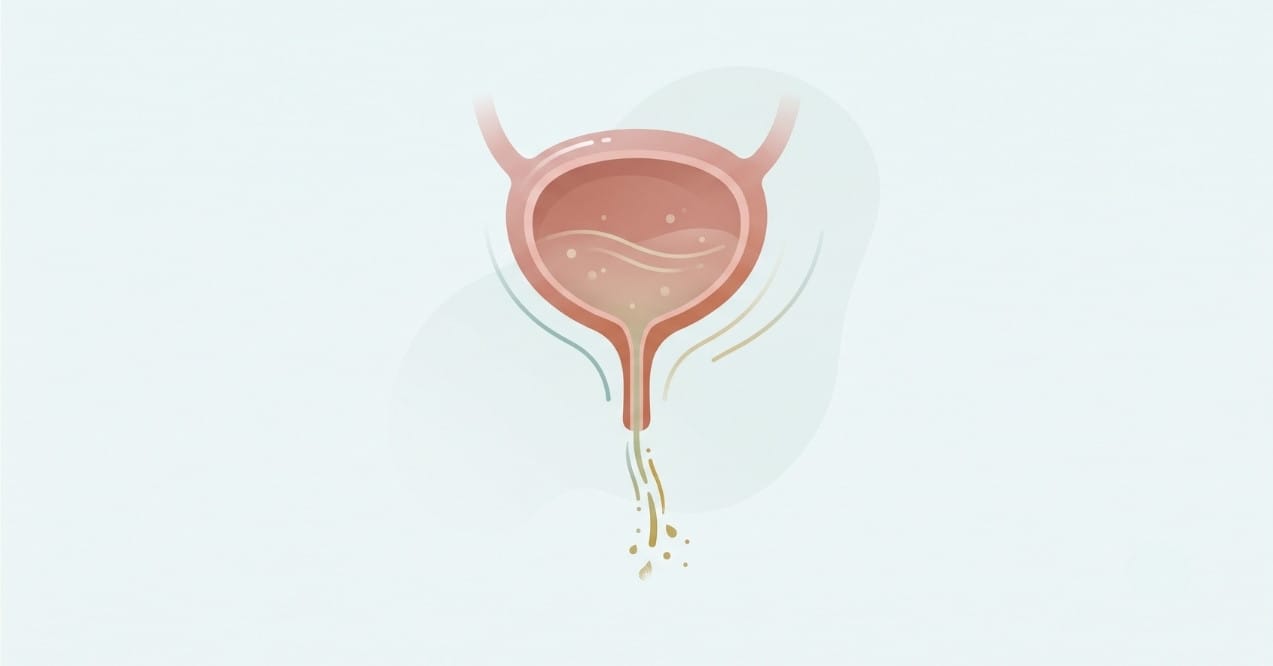
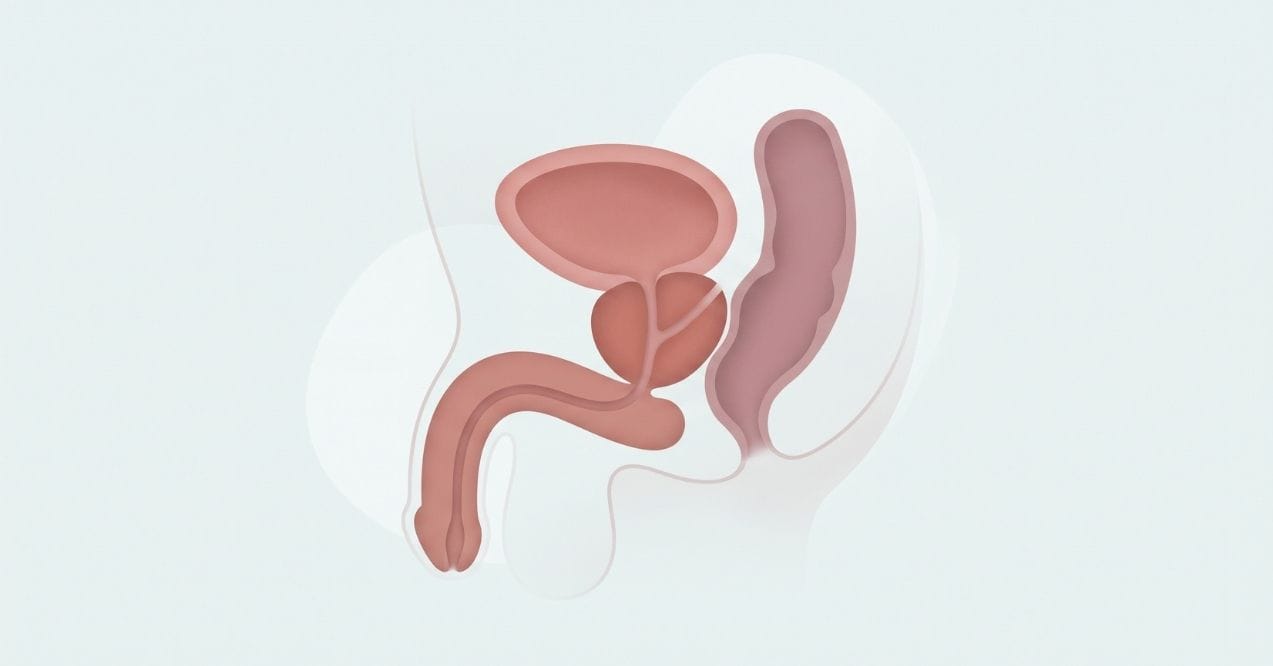
The prostate produces much of the fluid in semen and helps move it during climax, so it has a real role in sexual function. Its growth, however, is a matter of pressure rather than wiring. As tissue expands inward, it narrows the urethra and creates the familiar urinary pattern behind most cases of prostate enlargement, including weak flow, urgency, and incomplete emptying.
Research consistently finds that men with more severe lower urinary tract symptoms also report more erectile and ejaculatory difficulty. That is an association observed across large survey populations, not proof that one causes the other. The practical takeaway is that enlarged prostate and sex problems tend to travel together through three routes: mood, physical distraction, and sleep.
The Psychological Toll on Confidence and Intimacy
Anxiety is the most common route. When a man spends the evening tracking bathroom trips or worrying about dribbling, arousal competes with vigilance and usually loses. A weak urine stream or the sense of never fully emptying can make intimacy feel risky rather than relaxing. That hesitation builds into performance anxiety, which then feeds the original worry.
The Physical Squeeze on Pelvic Nerves and Urethra
The anatomy is simpler than it sounds. A larger gland presses outward against the urethra and nearby pelvic nerves, which can produce heaviness, pressure, or a dull ache in the area. This squeeze does not mechanically stop an erection from forming. It can, though, pull attention away from arousal at exactly the moment focus matters, and distraction alone is enough to change how intimacy feels.
Sleep Disruption and Its Impact on Libido
Nocturia, or waking repeatedly at night to urinate, fragments sleep in a measurable way. Short, broken sleep affects energy, mood, and the hormonal rhythms tied to male hormone production. Men in this pattern often describe desire fading long before any physical difficulty appears. Protecting sleep is one of the more practical levers available, and it rarely gets the attention it deserves.
How Prostate Prescriptions Can Affect the Bedroom
This is where most confusion starts. Many men blame their prostate for changes that began within weeks of starting a new prescription, and the timing often tells the story. Both major drug classes used for prostate enlargement have documented effects on desire, erectile firmness, and ejaculation, and those effects are listed on the product labeling rather than hidden.
None of this means a prescription is the wrong choice. It means the sexual changes have a likely explanation, and that explanation is worth raising with a qualified professional. Never stop, switch, or adjust a prescribed plan independently. Dose changes and alternative options exist, but that conversation belongs with the person who prescribed it.
How Alpha-Blockers and 5-ARIs Influence Desire
Alpha-blockers relax muscle in the prostate and bladder neck to ease flow, and they are commonly associated with reduced semen volume or dry climax. The 5-alpha reductase inhibitors work differently by lowering an active form of male hormone, and pooled analyses link them with lower desire and erectile difficulty in a minority of men. Effects vary widely between individuals.
Can an Enlarged Prostate Prevent Ejaculation?
Rarely on its own. Prostate growth may change how climax feels and how much fluid is released, but it does not usually block ejaculation outright. The more common causes of a noticeable change are surgical procedures and certain prescriptions, both of which affect the bladder neck muscle that normally closes during climax.
Men usually notice one of three things: less fluid than before, no visible fluid at all, or discomfort during or just after climax. Each has a different explanation, and none of them signals damage in the way most men fear. Sensation and orgasm typically remain intact even when the visible outcome changes.
What Is Retrograde Ejaculation?
Retrograde ejaculation happens when semen travels backward into the bladder instead of leaving the body, and it later exits harmlessly in urine. It is seldom caused by the enlarged gland itself. It shows up far more often after procedures such as transurethral resection of the prostate, and with certain prescriptions. It is not considered harmful, though it can affect fertility.
Discomfort or Pain During Climax
Some men report a burning sensation or aching in the penis, bladder, or rectal area during or shortly after climax. Pressure from the enlarged gland on surrounding nerves and the urethra is one likely contributor, and inflammation of the gland is another. The discomfort usually settles within minutes, though it occasionally lingers longer and is worth mentioning at a checkup.
The Root Cause of Sexual Changes: Prostate or Treatment?
| The Issue | Prostate or Treatment? | What to Know |
| Weak or unreliable erections | Mostly treatment and stress | The gland does not block erections directly; anxiety and 5-ARIs are more likely factors |
| Lower sex drive | Mostly treatment and sleep loss | Hormone-altering prescriptions and nocturia both play a role |
| Reduced semen volume | Mostly treatment | Commonly reported with alpha-blockers |
| Semen going backward at climax | Mostly treatment | Most often follows procedures such as TURP |
| Burning or ache at climax | Mostly the prostate | Pressure on nearby nerves and the urethra is a likely contributor |
| Waking at night to urinate | The prostate | A direct symptom of narrowing around the urethra |
Natural Habits to Support Prostate Health and Sexual Vitality
Prostate enlargement and sex concerns are not something a man simply waits out. Several everyday habits are within reach and may make symptoms feel less intrusive, and they work alongside professional care rather than in place of it. The aim is steadier urinary comfort, better sleep, and more confidence going into intimacy.
Small adjustments that many men find worth testing:
- Cutting caffeine and alcohol in the second half of the day
- Keeping a steady weight through regular movement
- Eating enough fiber to reduce pressure on the bladder
- Emptying the bladder fully before intimacy
- Talking openly with a partner rather than withdrawing
Hydration Timing and Pelvic Floor Support
Stopping fluids one to two hours before bed or before intimacy reduces urgency at the least convenient moments, and learning how to empty the bladder more completely helps too. Pelvic floor exercises, often called Kegels for men, train the same muscles involved in urinary control and erectile firmness. A small randomized trial found meaningful improvement in erectile function after several months of consistent practice.
Targeted Nutritional Support for the Prostate
Diet does real work here. Tomatoes, pumpkin seeds, fatty fish, cruciferous vegetables, and nuts supply nutrients that feature repeatedly in research on what is good for prostate health, including lycopene, zinc, and plant sterols. Evidence quality varies by ingredient, and some botanicals studied for urinary comfort have produced mixed results in larger trials.
If rebuilding your grocery list feels like a lot to manage, PureHealth Research’s supplements for prostate health offer a simpler route. ProFlow+ combines six plant and mineral ingredients, including saw palmetto, pygeum africanum, stinging nettle, and lycopene, in one daily capsule formulated to support healthy prostate size and promote normal urinary frequency.
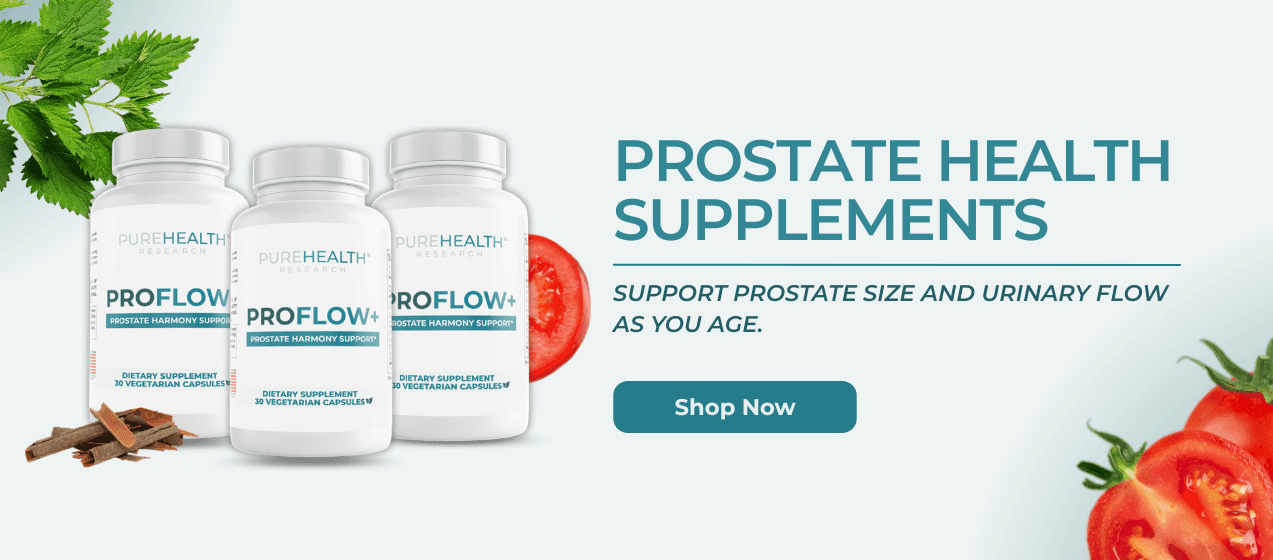
Men who prefer a single ingredient can choose the standalone Lycopene capsule at 250 mg, drawn from the same compound that concentrates in tomatoes. Both fit an existing routine and support healthy male vitality.
When to Discuss Sexual Health With Your Provider
These conversations happen every day in urology offices, and there is nothing unusual about raising them. Being specific gets better answers than being polite. Describe when the change started, what it feels like, and how it lines up with any prescription you began or adjusted.
Questions worth bringing:
- Which sexual side effects are associated with my current plan?
- Is a different dose or class an option for someone concerned about this?
- Are complementary daily habits or nutritional approaches reasonable alongside it?
- Should anything else be checked before assuming the prostate is responsible?
Conclusion
An enlarged prostate does not mean the end of intimacy. Symptoms and prescriptions can create real roadblocks, but those roadblocks have names and explanations, which makes them far easier to work around. Open conversation with a partner, a specific discussion with a qualified professional, and steady daily habits around sleep, movement, and nutrition give most men a workable path forward and a real sense of control over prostate health.
No. Prostate growth does not lower male hormone levels on its own. Some prescriptions used for enlargement do alter hormone activity, which is a different mechanism worth clarifying with a qualified professional.
Yes. Most men continue enjoying intimacy. Managing urinary symptoms, protecting sleep, and identifying which changes come from prescriptions rather than the gland itself usually makes the biggest practical difference.
It may contribute. Pressure on nearby nerves and the urethra can produce burning or aching at climax. Discomfort that persists or worsens is worth raising at your next appointment.
Many men prefer earlier in the evening, before fluid intake accumulates and before fatigue sets in. Emptying the bladder beforehand matters more than the hour itself.

Advertisement. This site offers health, wellness, fitness and nutritional information and is designed for educational purposes only. You should not rely on this information as a substitute for, nor does it replace, professional medical advice, diagnosis, or treatment. If you have any concerns or questions about your health, you should always consult with a physician or other health-care professional. Do not disregard, avoid or delay obtaining medical or health related advice from your health-care professional because of something you may have read on this site. The use of any information provided on this site is solely at your own risk.
Related Articles
What Vitamins Are Good for Prostate? D, E, Zinc and More
Written by Laura Kraujalyte | August 17, 2026
Can Enlarged Prostate Cause Constipation?
Written by Laura Kraujalyte | August 14, 2026
Does Alcohol Affect Prostate? Beer vs Wine vs Spirits
Written by Laura Kraujalyte | August 10, 2026

What Causes Bladder Stones and What Helps Them Pass
Written by Laura Kraujalyte | July 31, 2026
What Is Good for Prostate Health? 10 Proven Habits
Written by Laura Kraujalyte | July 24, 2026

Weak Urine Stream: When It’s Normal, When It’s Not
Written by Laura Kraujalyte | July 20, 2026