Foods for Bladder Health Worth Adding
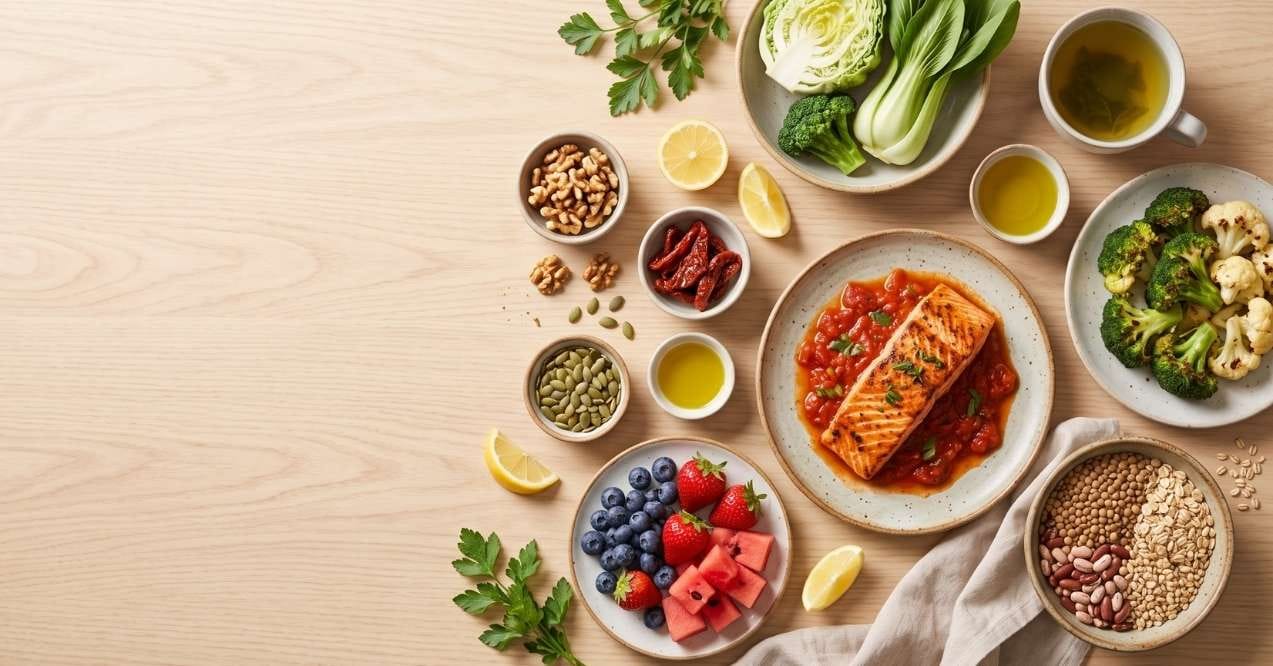
A bladder-friendly diet focuses on non-acidic, nutrient-dense foods like pears, bananas, winter squash, and lean proteins while helping readers identify common personal triggers like caffeine, alcohol, and spicy foods.


 On This Page:
If frequent trips to the bathroom, sudden urgency, or a nagging sense of discomfort shape your day, you are far from alone. What sits on your plate may play a bigger role than you think.
Everything you eat and drink is filtered through the kidneys and passes into the bladder. That means certain foods for bladder health may feel gentler, while others feel more irritating for people with bladder sensitivity.
The good news is that adding gentle, supportive choices matters just as much as cutting back on triggers. Here is how to build a plate that works with your bladder rather than against it.
The Best Foods for Bladder Health
Choosing foods good for bladder comfort comes down to one idea: pick options that are unlikely to stir up the bladder mucosa. That is the delicate lining that reacts to acidity and certain compounds.
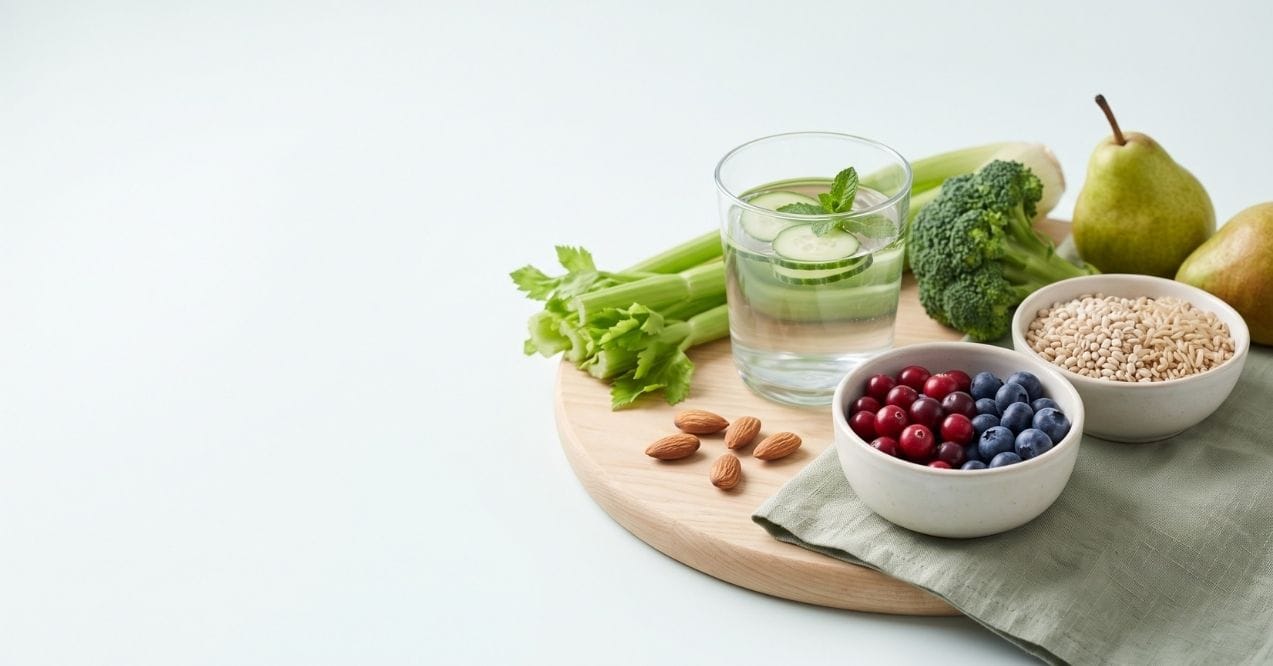
Think of these as your safe, everyday staples, the foods you can lean on without second-guessing every bite. They tend to be mild, low in acid, and rich in the nutrients that keep tissue healthy.
Building meals around them may help some people identify foods that feel better tolerated, while keeping your plate colorful and satisfying. The four groups below give you plenty of flexible, budget-friendly building blocks to start with.
Low-Acid Fruits
Many people reach for oranges or apples out of habit, yet these may feel irritating for some people with bladder sensitivity. Bananas and pears are the gentler choice.
Both are naturally low in acid, easy on the urinary tract, and rich in potassium and fiber. They satisfy a sweet craving without the sharp acids that tend to leave the bladder feeling unsettled.
Mild, Nutrient-Dense Vegetables
Non-acidic vegetables deliver steady nutrition without the sting that tomatoes can bring. Winter squash varieties like butternut and acorn, along with green beans, cauliflower, and potatoes (sweet potatoes included), are all easy picks.
They supply vitamins such as C and K, plus minerals and fiber that contribute to an overall balanced diet. Roasted, steamed, or mashed, they slot into almost any meal.
Lean, Unprocessed Proteins
Protein does not have to unsettle a sensitive bladder. Fresh, unprocessed options like skinless poultry, turkey, eggs, and mild fish are among the least bothersome choices, especially when baked, steamed, or broiled rather than fried or heavily spiced.
Skipping cured and processed meats also means fewer additives reaching the urinary tract. These proteins keep you full while staying gentle on everyday bladder comfort.
Fiber-Rich Whole Grains and Nuts
Fiber is a quiet ally for the bladder because it keeps the bowel moving, and a backed-up bowel presses on the bladder and shrinks its comfortable capacity. Whole grains like oats, quinoa, and brown rice are dependable staples.
For nuts, almonds, cashews, and macadamias offer healthy fats and protein with comparatively low sodium and phosphorus. Together they round out a bladder healthy diet that also keeps digestion steady.
| Food Category | Best Soothing Options | Why It Helps |
| Low-Acid Fruits | Pears, bananas | Gentle on the lining, rich in potassium and fiber |
| Mild Vegetables | Winter squash, green beans, cauliflower, potatoes | Low acidity with vitamins C and K |
| Lean Proteins | Skinless poultry, eggs, mild fish | Least bothersome when baked or steamed |
| Whole Grains | Oats, quinoa, brown rice | Fiber keeps you regular and eases pelvic pressure |
| Nuts | Almonds, cashews, macadamias | Healthy fats with lower sodium and phosphorus |
Bladder Foods to Avoid or Limit
Knowing the bladder foods to avoid is the other half of the equation. When you eat or drink certain things, their byproducts enter the bloodstream, get filtered by the kidneys, and end up concentrated in urine that washes against the bladder wall.
For a sensitive bladder, that contact can spark the urgency and frequency you are trying to calm. You do not have to give these up forever.
Many people find that simply cutting back, or pairing a trigger with plenty of water, keeps symptoms quieter. How your body responds is the most reliable guide, since tolerance varies from one person to the next.
The Most Common Dietary Irritants
Certain bladder irritating foods show up again and again. The most common include:
- Coffee and black tea
- Alcohol and carbonated sodas
- Spicy dishes with chili or cayenne
- Acidic foods like tomatoes, citrus, and vinegar
These stimulate the nerves in the bladder and can create a sense of fullness even when it is nearly empty. Caffeine is a frequent culprit, and cutting back beyond two cups a day may noticeably lower urgency.
The Truth About Cranberries and Bladder Health
Cranberry juice has a long reputation in conversations about urinary health, which is why so many people keep it on hand. Here is the catch: its high citric acid content may feel irritating for an overactive or highly sensitive bladder.
Cranberry products are often discussed in urinary tract wellness, but they may not feel comfortable for everyone. If it tends to leave you feeling less comfortable, it may be worth limiting.
Artificial Sweeteners and Sugars
Sweeteners deserve a closer look too. Some people report sensitivity to artificial sweeteners such as aspartame or saccharin, along with large amounts of refined sugar, so tracking intake may help identify personal triggers.
If a diet soda or a sugary treat seems to bother you, that is worth noting. Reach instead for small amounts of milder, natural sweetness, and keep portions modest.
| Instead of This (Common Irritant) | Try This (Bladder-Friendly Swap) |
| Coffee | Chamomile or another caffeine-free herbal tea |
| Tomato sauce | Roasted red pepper sauce |
| Oranges and citrus | Pears or bananas |
| Diet soda | Still water with a slice of cucumber |
| Spicy chili | Mild herbs like basil or parsley |
How Men’s Prostate Health Impacts the Bladder
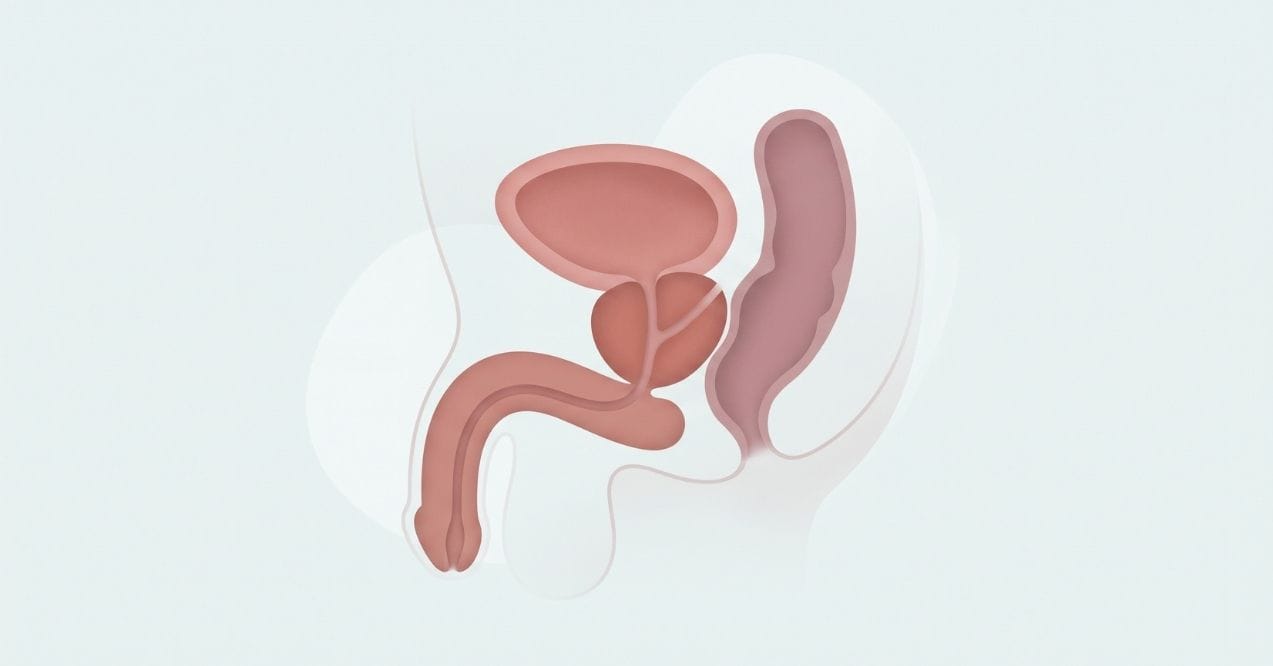
For men, bladder comfort is only part of the picture. The prostate is a small gland that wraps around the urethra, the tube carrying urine out of the bladder.
As it naturally changes with age, it may enlarge and press against that channel. That forces the bladder to work harder and leaves a sense of sudden urgency, incomplete emptying, and frequent nighttime waking.
That is why a bladder healthy diet for men should also account for prostate support. It helps to get familiar with the worst foods for prostate health as a practical next step alongside the soothing choices already covered here.
Beyond diet, focused nutrition can help fill the gaps. Everyday habits like a balanced plate, steady movement, and good hydration lay the groundwork, and the right nutrients can build on that.
The suggestions below are meant as general wellness support for healthy aging, separate from the symptom education above. PureHealth Research’s prostate health supplements are formulated to support normal prostate function and healthy urinary flow as part of men’s wellness and healthy aging.
A consistent wellness routine may help men take a proactive approach to prostate and urinary health as they age. Paired with the soothing foods, smart swaps, and hydration habits in this guide, prostate support can be part of a broader routine that includes balanced nutrition, movement, and regular wellness check-ins. Consistency is what makes the difference, so choose a routine you can genuinely stick with.
Daily Habits That Support a Bladder Friendly Diet
Beyond the plate itself, a few daily rhythms make bladder friendly foods work even harder. Small, consistent routines around fluids and fiber often do more for everyday comfort than any single ingredient you add or remove.
The habits below address the mechanical side of bladder comfort, the physical pressure and concentration that food alone cannot change. None of them require a dramatic overhaul.
They simply ask for a little steadiness spread across the day, which is what a sensitive bladder responds to best.
The Importance of Proper Hydration
It is tempting to drink less to avoid bathroom trips, but that usually backfires. Skimping on water leaves urine dark and concentrated, which is more acidic and can irritate the bladder lining.
The better approach is sipping plain water steadily through the day, aiming to keep urine a pale, light yellow. Easing off in the couple of hours before bed helps limit nighttime waking without leaving you short on fluids.
Fiber Timing for Pelvic Comfort
A backed-up bowel physically presses on the bladder, reducing how much it can hold and nudging you toward the bathroom sooner. Rather than loading all your fiber into one meal, spread it evenly across the day.
Pair it with enough water so it can do its job. That steady approach keeps things regular and takes unnecessary pressure off the bladder.
Conclusion
Everyday bladder comfort comes down to balance: leaning into gentle foods for bladder health like bananas, squash, and lean proteins, while easing off coffee, alcohol, and spicy dishes. Layer in steady hydration, well-timed fiber, and, for men, thoughtful prostate support, and you give your body a real chance to feel calmer. None of it demands perfection. Small, consistent choices add up, and over time they may make a noticeable difference in how you feel.
Yes. Beyond the obvious culprits, cranberry juice, citrus, vinegar-based dressings, chocolate, and artificial sweeteners can quietly trigger urgency. Even “healthy” acidic fruits may bother a sensitive bladder, so track your own reactions to spot hidden irritants.
Often, yes, in moderation. Many people tolerate one smaller cup, especially paired with water. Cutting back rather than quitting, or switching to a low-acid or decaf option, may keep urgency manageable while you still enjoy it.
A supportive diet and steady hydration may promote the body’s natural flushing, though food alone is not the whole answer. Stress can play a role too, as this guide on stress and UTIs explains.
Not entirely, but easing off fluids two to three hours before sleep can cut down on nighttime waking. Sip steadily earlier in the day instead, so you stay hydrated without overfilling the bladder overnight.
Sometimes. For certain people, sensitivities to specific foods may show up as bladder discomfort or urgency rather than typical digestive signs. Keeping a simple food-and-symptom diary can help you connect the dots over time.

Advertisement. This site offers health, wellness, fitness and nutritional information and is designed for educational purposes only. You should not rely on this information as a substitute for, nor does it replace, professional medical advice, diagnosis, or treatment. If you have any concerns or questions about your health, you should always consult with a physician or other health-care professional. Do not disregard, avoid or delay obtaining medical or health related advice from your health-care professional because of something you may have read on this site. The use of any information provided on this site is solely at your own risk.
Related Articles
What Vitamins Are Good for Prostate? D, E, Zinc and More
Written by Laura Kraujalyte | August 17, 2026
Can Enlarged Prostate Cause Constipation?
Written by Laura Kraujalyte | August 14, 2026
Does Alcohol Affect Prostate? Beer vs Wine vs Spirits
Written by Laura Kraujalyte | August 10, 2026
What Causes Bladder Stones and What Helps Them Pass
Written by Laura Kraujalyte | July 31, 2026
Does an Enlarged Prostate Affect a Man Sexually?
Written by Laura Kraujalyte | July 27, 2026

What Is Good for Prostate Health? 10 Proven Habits
Written by Laura Kraujalyte | July 24, 2026