Why Do GLP-1 Medications Cause Nausea?
Why do GLP-1 cause nausea? Learn what slows digestion, what makes it worse, and habits that may help ease discomfort.



 On This Page:
Nausea can feel discouraging when it shows up early in GLP-1 use or seems to intensify after a dose adjustment. The short answer to why do GLP-1 cause nausea comes down to two physiological shifts: food moves more slowly through the digestive system, and the body’s fullness-related signals are amplified.
The result may feel like pressure, queasiness, or a persistent sense of being too full. This guide covers the core causes, what tends to make discomfort more pronounced, how long it may last, and practical habits that may help the experience feel more manageable.
Why Do GLP-1 Cause Nausea
GLP-1 cause nausea primarily through two overlapping pathways: slowed gastric motility and amplified satiety signaling. These are the same mechanisms that support appetite reduction, which is why learning more about how GLP-1 works at a physiological level helps clarify why digestive discomfort is so common, especially early on.
For some people, the same signals that reduce appetite register as queasiness rather than comfortable satisfaction.
| What’s Happening in the Body | How It May Feel |
| Gastric emptying slows | Stomach feels full or heavy sooner than usual |
| Food lingers in the stomach | Pressure or queasiness that extends past mealtime |
| Satiety signals strengthen | An unsettled “too full” sensation after smaller portions |
| Brain pathways for nausea activate | A background nauseated feeling that may come and go |
Slower Digestion and Lingering Fullness
GLP-1 compounds slow gastric motility, meaning food spends more time in the stomach before moving further along the digestive tract. After a meal, particularly a larger or richer one, this delay may create a sustained sense of fullness or pressure that extends well past eating.
The stomach processes the same volume at a reduced pace, and that mismatch between intake and movement can produce noticeable queasiness that often eases between meals.
Stronger Fullness Signals Can Feel Uncomfortable
GLP-1 interacts with receptors in both the gut and specific brain regions that govern appetite and satiety. For many people, this is the intended effect.
For others, the same satiety signal may register as an uneasy or unsettled feeling rather than satisfaction. This tends to be more prominent shortly after eating and may gradually ease as the digestive system works through the meal.
Why Dose Changes Can Make Symptoms More Noticeable
Nausea often becomes more pronounced when first starting a GLP-1 compound or stepping up to a higher dose. At each new level, the digestive system is adapting to a stronger physiological signal, and this adjustment window may span days to a couple of weeks.
Maintaining consistent meal habits during this period may support a smoother transition, though individual responses vary considerably.
What Can Make Nausea From GLP-1 Feel Worse?

Several everyday patterns may amplify nausea from GLP-1 use. Most relate to how much food enters a slower-moving digestive system at once, how long the stomach has been empty before a meal, and whether fluid and meal timing stay consistent throughout the day.
Large Meals, Rich Foods, and Eating Too Quickly
When digestion is already slowed, heavier meals tend to feel harder to manage. Fatty, fried, or very rich foods require more processing time under typical circumstances, and on a GLP-1 compound, that demand may feel more pronounced.
Eating quickly compounds the issue by delivering more food than the stomach can comfortably handle before fullness signals register. For those also managing reflux-related discomfort, this structured eating framework may offer a useful starting point for pacing meals more evenly.
Going Too Long Without Eating
Skipping meals or waiting until hunger becomes intense may not make nausea less likely. When the stomach has been empty for an extended stretch and then receives a sudden, larger intake, the digestive response can feel more disruptive than it would after a moderate-sized meal on a regular schedule.
Spreading meals more evenly throughout the day, even at smaller portions, may help keep the digestive system in a more settled state.
Low Fluid Intake and an Unsettled Routine
Dehydration may make nausea more noticeable on its own, and pairing it with irregular meal timing can intensify that effect. Drinking large amounts of fluid during meals may also increase feelings of fullness and pressure.
A more consistent daily rhythm, with fluids spaced across the day and meals eaten at predictable intervals, may support a calmer digestive experience overall.
GLP-1 Nausea Treatment: What Habits May Help?
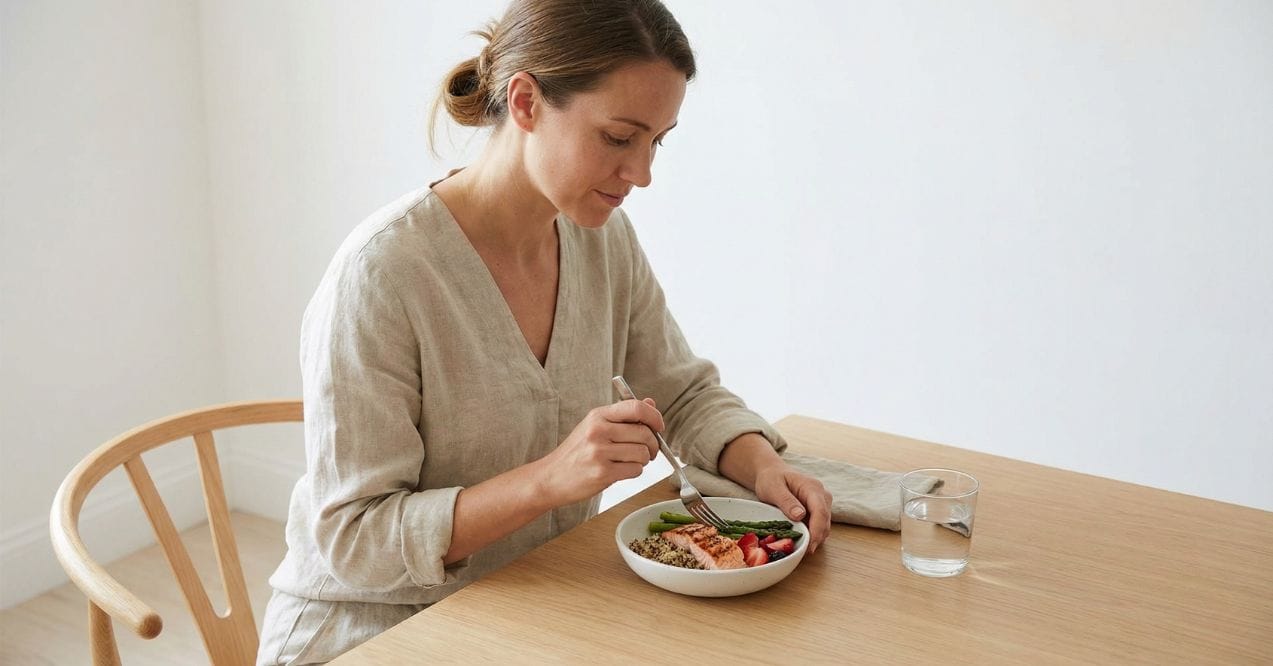
There is no single approach to GLP-1 nausea treatment, but a range of supportive habits may reduce how often symptoms occur and how intense they feel. Adjustments to portion size, eating pace, food choices, and hydration timing tend to work together rather than in isolation.
| Habit to Try | Why It May Help |
| Eat smaller portions | Reduces demand on a stomach already emptying slowly |
| Slow your eating pace | Allows satiety signals time to register before discomfort builds |
| Choose plain, simple foods on harder days | Lighter options tend to be easier to process |
| Sip fluids between meals | Reduces stomach volume and pressure during digestion |
| Keep meal timing consistent | May avoid the empty-to-overfull pattern that amplifies symptoms |
For readers looking to support a steadier daily routine alongside those habits, PureHealth Research’s natural GLP-1 supplements can complement a balanced wellness approach built around consistency, mindful eating, and practical day-to-day support.

Start With Smaller, Simpler Meals
Smaller meals place less strain on a digestive system working at a slower pace. For many people, this single adjustment may make a noticeable difference in the early weeks of GLP-1 use.
A guide on what foods support GLP-1 offers context for building a lighter eating pattern without overcorrecting.
Eat Slowly and Stop Before Feeling Overly Full
Because GLP-1 compounds strengthen satiety signaling, the sense of fullness may arrive sooner and more intensely than expected. Eating slowly gives the body time to register that signal before queasiness sets in.
Setting utensils down between bites, chewing thoroughly, and stopping at the first sense of comfortable fullness rather than waiting until discomfort begins may make a practical difference, particularly in the early adjustment period.
Choose Gentler Foods on Off Days
On days when nausea feels more noticeable, plain and mild foods tend to be easier to tolerate. Options like plain rice, toast, broth-based soups, soft-cooked vegetables, or unsweetened yogurt may reduce the digestive effort required after meals.
For those also navigating food sensitivities, this overview of FODMAP-related food intolerance may help clarify which foods could be contributing to discomfort beyond the GLP-1 adjustment.
Keep Fluids Steady Across the Day
Spreading fluid intake consistently across the day tends to feel more comfortable than taking in large amounts during meals. Sipping water or mild herbal options between meals rather than alongside food may reduce the sense of pressure and fullness that can contribute to nausea.
Consistent hydration also supports general digestive function and may ease some of the residual discomfort that comes with slower gastric emptying.
How Long Does GLP-1 Nausea Last?
How long does GLP-1 nausea last depends largely on the individual. For many people, symptoms are most noticeable in the first few weeks after starting or following a dose adjustment, when the digestive system is still adapting to a new pace of gastric emptying. Some people report meaningful improvement within four to six weeks.
Others may experience a brief return of symptoms with each dose change before things settle again. Individual timelines vary based on the specific compound, the dosing schedule, and personal digestive sensitivity.
If nausea remains persistent, becomes more disruptive over time, or does not respond to dietary adjustments, that warrants a conversation with a qualified professional rather than adjusting the approach on your own.
What Should You Eat When Your Stomach Feels Off?
On days when nausea is more noticeable, food choices can meaningfully shift how the stomach responds. The goal is a flexible framework of lighter, plainer options that place less demand on slower digestion, not a rigid set of rules.
Some foods tend to move through the digestive system more comfortably; others may feel heavy in a way that amplifies queasiness.
| Often Easier to Tolerate | May Feel Heavier for Some People |
| Plain rice or toast | Fried or heavily oiled foods |
| Broth-based soups | Spicy or strongly sauced dishes |
| Bananas, apples, or pears | High-fat dairy or cream-based options |
| Unsweetened plain yogurt | Very large portions of any food |
| Boiled or steamed vegetables | Raw brassicas in large amounts |
| Plain crackers | Carbonated beverages in larger amounts |
Starting the day with a small, plain first meal, spacing fluids between rather than during meals, and stopping before feeling overly full are among the most consistently supportive patterns for managing GLP-1 and nausea day to day.
Conclusion
GLP-1 nausea connects to slower digestion, amplified satiety signaling, and the body’s adjustment to a new physiological rhythm. Symptoms tend to be most noticeable in the early weeks or around dose changes and may ease over time. Paying attention to meal size, food choices, eating pace, and hydration rhythm can make the adjustment period feel more manageable. The goal is a steadier daily routine that the stomach can work with.
Nausea from GLP-1 use tends to be most noticeable in the early weeks or after a dose adjustment, when the digestive system is still adapting to a slower gastric emptying rate. For many people, symptoms ease as the body adjusts.
Not always. Research suggests roughly 40–70% of people using GLP-1 compounds experience some degree of nausea. Factors such as the specific compound, dose level, and individual digestive sensitivity all influence whether and how often it occurs.
GLP-1 compounds slow gastric emptying, so food lingers in the stomach longer after meals. Combined with stronger satiety signals, this delay may create pressure or queasiness that becomes noticeable shortly after eating.
For many people, nausea may ease within four to six weeks as the body adjusts. Timelines vary based on the compound, dosing schedule, and individual digestive sensitivity. Symptoms that persist or worsen over time deserve professional attention.

Advertisement. This site offers health, wellness, fitness and nutritional information and is designed for educational purposes only. You should not rely on this information as a substitute for, nor does it replace, professional medical advice, diagnosis, or treatment. If you have any concerns or questions about your health, you should always consult with a physician or other health-care professional. Do not disregard, avoid or delay obtaining medical or health related advice from your health-care professional because of something you may have read on this site. The use of any information provided on this site is solely at your own risk.
Related Articles
GLP-1 and Inflammation: What Current Research Suggests
Written by Donatas Leikas | March 27, 2026

Does GLP-1 Increase Metabolism? What to Know
Written by Karolina Rutkute | March 25, 2026

How to Naturally Increase GLP-1 (Science-Backed Tips)
Written by Karolina Rutkute | March 23, 2026

How Much Weight Can I Lose on a GLP-1?
Written by Karolina Rutkute | March 20, 2026
Does GLP-1 Cause Muscle Loss?
Written by Karolina Rutkute | March 18, 2026

Does GLP-1 Help With Menopause Weight Gain?
Written by Gabriele Slimaite | March 16, 2026