What Foods Increase GLP-1 Levels In the Body?
Learn what foods increase GLP-1 naturally. Protein, fiber, and healthy fats are the core — find out which ones to eat first.


 On This Page:
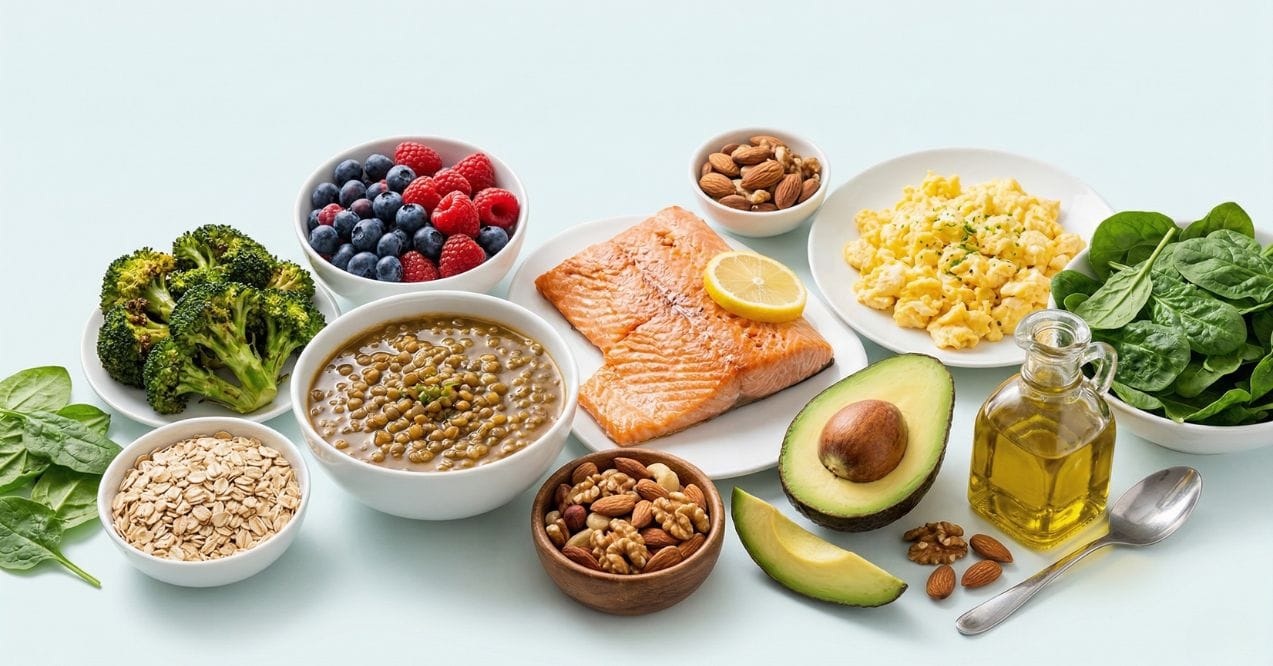
What foods increase GLP-1 is a question with a direct answer: protein, fiber, and healthy fats are the three nutrient categories most consistently linked to supporting the body’s natural GLP-1 response. No single ingredient does the heavy lifting on its own. The more effective approach is building meals that bring these nutrients together in a consistent pattern.
A few clarifications before diving in:
- No food literally “contains” GLP-1. This is a hormone produced in the gut, not a nutrient found in food.
- Certain foods may prompt the body to produce more of its own GLP-1 through the nutrients they deliver during digestion.
- Meal patterns matter more than any individual ingredient.
What Foods Increase GLP-1 Naturally?
Protein, fiber, and healthy fats are the clearest answer to what foods increase GLP-1 levels in the body. These three categories provide the specific nutrients that specialized cells in the small intestine and colon detect during digestion before releasing GLP-1 as part of the body’s appetite and satiety process. Each category contributes through a different mechanism, which is why they work better together than in isolation.
| Food Category | Examples | Why It Fits |
| Protein | Eggs, fish, chicken, Greek yogurt, legumes | Amino acids may stimulate GLP-1 secretion from gut cells |
| Fiber | Oats, beans, lentils, berries, broccoli, barley | Fermentable fiber may raise GLP-1 secretion via short-chain fatty acids |
| Healthy Fats | Avocado, olive oil, walnuts, fatty fish | Unsaturated fats may support GLP-1 activity more than saturated fats |
Protein-Rich Foods That May Support GLP-1 Activity
Protein is one of the most satisfying macronutrients. Amino acids from digested protein may bind to receptors in the gut that prompt GLP-1 secretion, which may partly explain why protein-rich meals tend to feel more filling. Foods that release GLP-1 responses through this pathway include:
- Eggs and egg whites
- Fish, especially salmon and tuna
- Chicken and turkey
- Greek yogurt and cottage cheese
- Tofu, tempeh, lentils, and chickpeas
These options translate easily into breakfast, lunch, and snack choices. A two-egg breakfast, a Greek yogurt and berry snack, or a lentil soup at lunch each deliver a meaningful protein contribution without extra effort.
Fiber-Rich Foods for Steadier Fullness
Fermentable soluble fiber slows digestion and feeds gut bacteria, which in turn produce short-chain fatty acids such as butyrate. These fatty acids may bind to receptors in the colon and stimulate GLP-1 secretion.
For a broader look at nutrient-dense foods worth building into a daily routine, this guide to the best metabolism-supporting foods offers a useful companion reference. Strong fiber-forward choices include oats, barley, lentils, black beans, pears, apples, Brussels sprouts, and leafy greens. Pairing any of these with a lean protein source is one of the more practical ways to build a satisfying, well-composed meal.
Healthy Fats That Round Out a Satisfying Meal
Unsaturated fats appear to interact more favorably with GLP-1 signaling than saturated fats. Avocado, extra virgin olive oil, walnuts, and fatty fish provide monounsaturated and omega-3 fatty acids that may complement the response from protein and fiber in the same meal.
Fats are most useful as part of a balanced plate. A handful of walnuts alongside oats, or olive oil over a salad with grilled fish, reflects the kind of pairing that delivers practical value without overcomplicating things.
GLP-1 Foods List: The Best Categories to Build Meals Around
A useful GLP-1 foods list centers on combinations rather than isolated ingredients. The table below translates food categories into actual meal-building choices, with pairings that bring protein, fiber, and fat together in the same sitting.
| Meal Type | Best Food Pairings | Why the Combination Works |
| Breakfast | Eggs + whole-grain toast + avocado | Protein, complex carbs, and healthy fat |
| Breakfast | Greek yogurt + berries + chia seeds | Protein, soluble fiber, and antioxidants |
| Lunch | Salmon + lentils + leafy greens | Omega-3s, plant protein, and fermentable fiber |
| Dinner | Grilled chicken + roasted vegetables + olive oil | Lean protein and fiber with unsaturated fat |
| Snack | Apple + almond butter | Fiber and healthy fat in a compact form |
| Snack | Hummus + raw carrots or cucumber | Plant protein paired with fiber |
Best Breakfast Options
A protein-and-fiber combination at breakfast tends to support more lasting fullness than a carbohydrate-only meal. Practical options include scrambled eggs with whole-grain toast, overnight oats with Greek yogurt and mixed berries, or cottage cheese with sliced fruit and walnuts.
None of these require elaborate preparation. The goal is simply including at least one solid protein source alongside a fiber-rich element at the start of the day.
Best Lunch and Dinner Staples
For lunch and dinner, the same pairing logic applies. A salmon and lentil bowl with mixed greens, a grilled chicken and bean plate with roasted broccoli, or a tofu stir-fry with bok choy and sesame seeds each combine protein, fiber, and healthy fat in a satisfying format. Rotating the protein and vegetable choices throughout the week adds variety without changing the underlying structure that makes these meals work.
Best Snack Pairings
Snacks follow the same framework as main meals, scaled down. An apple with almond butter, plain yogurt with chia seeds, or sliced vegetables with hummus each deliver fiber, protein, and a modest amount of fat together.
These mixed pairings tend to produce more lasting satisfaction than single-ingredient options. The principle stays consistent across the day: combinations reliably outperform isolated choices.
Foods That Mimic GLP-1: What That Really Means
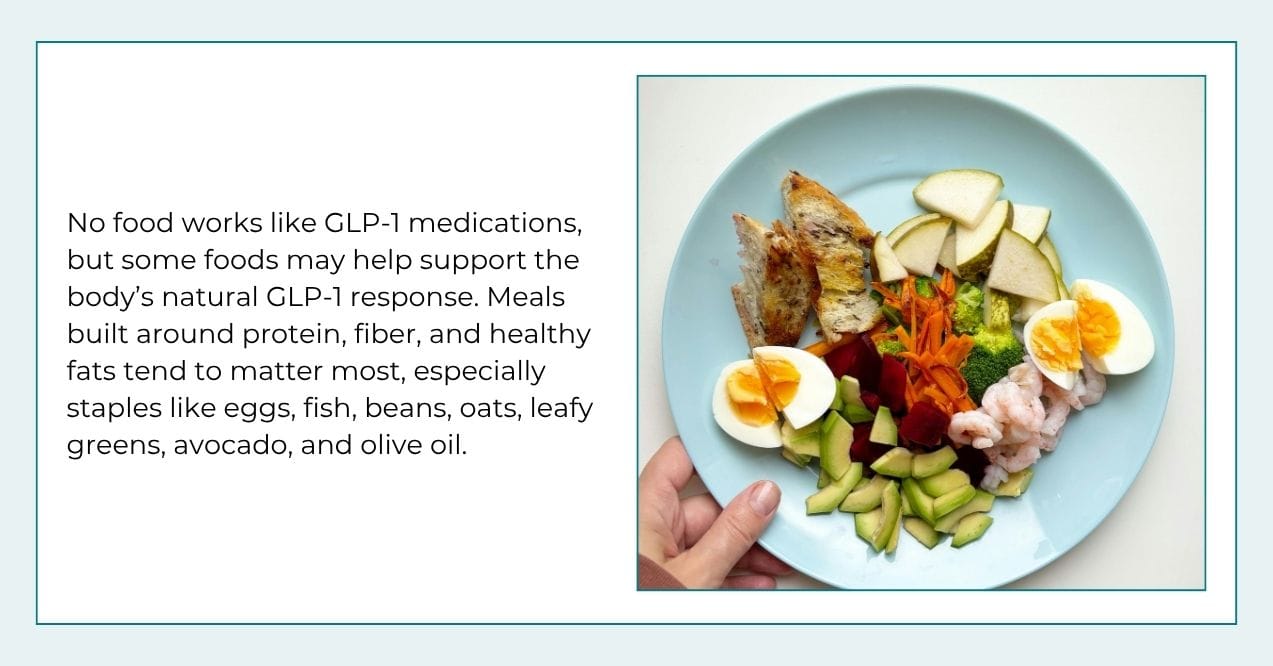
“Foods that mimic GLP-1” is a phrase that appears widely, but it needs careful framing. No food replicates GLP-1’s mechanisms in the way pharmaceutical approaches do. What certain foods may do instead is provide the nutrients that prompt the body’s own gut cells to produce more of this hormone naturally.
This is a meaningful distinction. Managing expectations about what diet alone can accomplish makes a food-based strategy more realistic and sustainable over time.
Why Meal Composition Matters More
The combination of protein, fiber, and fat produces a layered nutritional response. Protein provides amino acids that may signal GLP-1 release. Fiber slows digestion and generates short-chain fatty acids. Healthy fats may support satiety through a separate but related mechanism.
For a fuller explanation of how this hormone functions, this overview of how GLP-1 works provides useful background. A well-composed meal consistently delivers more than any single ingredient can on its own.
Foundational Foods vs. Bonus Ingredients
Not all foods carry equal weight in a GLP-1 support strategy. Everyday staples form the reliable core, while a second tier of ingredients may offer modest additional support.
| Foundational Foods | Bonus Ingredients |
| Eggs, fish, chicken, Greek yogurt | Dark chocolate (70%+ cacao) |
| Oats, beans, lentils, leafy greens | Fermented foods such as kefir or kimchi |
| Avocado, olive oil, walnuts, seeds | Spices such as cinnamon |
Foundational foods should anchor every meal. Bonus ingredients can complement the pattern, but they are not a substitute for the consistent, balanced approach that produces results over time.
What Eating Habits May Help Support GLP-1 Naturally?
Food choices matter, but several everyday eating behaviors may also shape how the body’s appetite signaling responds after meals. These habits work alongside meal composition rather than replacing it. Three in particular are worth noting for anyone looking to support the body’s natural GLP-1 response through daily routine.
Start Meals With Structure, Not Guesswork
A reliable meal-building framework starts with a protein source, adds fiber-rich vegetables or whole grains, then finishes with a satisfying fat. Research also suggests that eating protein and vegetables before carbohydrates in the same meal may support a more gradual digestive response after eating. This sequencing requires no tracking and nothing more than reordering what is already on the plate.
Slow Down and Chew Thoroughly
Eating pace may influence how satisfying a meal feels. One controlled study found that eating the same meal over 30 minutes, compared to 5 minutes, was associated with meaningfully higher post-meal levels of GLP-1 and a related satiety hormone.
Slowing down also allows fullness signals more time to register before overeating occurs. This is one of the most accessible habits to adopt without changing food choices at all.
Don’t Skip the First Balanced Meal of the Day
Starting the day with a protein-and-fiber meal may support more consistent appetite signals through the morning. A bowl of Greek yogurt with berries, two eggs with whole-grain toast, or a simple overnight oat preparation each serve this purpose well. A structured first meal creates a practical foundation that tends to make subsequent food choices throughout the day easier and more intentional.
Can Food Support Your Body’s Natural GLP-1 Response?
Foods do not contain GLP-1 in a literal sense. GLP-1 is a hormone produced by L-cells in the small intestine and colon, not a compound present in anything we eat. When specific nutrients, particularly protein, soluble fiber, and unsaturated fats, reach these cells during digestion, they may prompt GLP-1 release as part of the body’s normal satiety process.
This clarifies why asking “what foods have GLP-1 in them” reflects a common but understandable misreading of how the hormone works. The more productive question is which food patterns may help the body support its own GLP-1 activity.
Food choices remain the core of any food-first GLP-1 strategy, but for readers looking for added support, PureHealth Research’s all natural GLP-1 supplements offer a convenient way to complement those daily habits as part of a balanced wellness routine.
Conclusion
The best practical answer to what foods increase GLP-1 is a pattern, not a single ingredient. Protein, fiber, and healthy fats form the foundation of meals that may support the body’s natural GLP-1 response over time. Eggs, oats, beans, avocado, olive oil, fatty fish, and leafy greens are reliable everyday choices. Paired with consistent habits and simple meal structure, these foods offer a well-grounded approach to eating in a way that supports lasting fullness.
No foods contain GLP-1 directly. GLP-1 is a hormone produced in the gut during digestion. Certain nutrient-rich foods may support the body’s own production of this hormone when consumed regularly.
GLP-1 is not found in food itself. It is produced internally when gut cells detect protein, fiber, or healthy fats during digestion. No food delivers this hormone as a direct ingredient.
Protein-rich foods, high-fiber foods, and those containing unsaturated fats are most consistently linked to supporting natural GLP-1 release. Strong examples include eggs, oats, legumes, avocado, olive oil, and fatty fish.
No foods are “high in GLP-1.” The hormone is produced internally. Focusing on meals that combine protein, soluble fiber, and healthy fats may support the body’s own GLP-1 activity most consistently.

Advertisement. This site offers health, wellness, fitness and nutritional information and is designed for educational purposes only. You should not rely on this information as a substitute for, nor does it replace, professional medical advice, diagnosis, or treatment. If you have any concerns or questions about your health, you should always consult with a physician or other health-care professional. Do not disregard, avoid or delay obtaining medical or health related advice from your health-care professional because of something you may have read on this site. The use of any information provided on this site is solely at your own risk.
Related Articles
GLP-1 and Inflammation: What Current Research Suggests
Written by Donatas Leikas | August 19, 2026

Does GLP-1 Increase Metabolism? What to Know
Written by Karolina Rutkute | March 25, 2026
How to Naturally Increase GLP-1 (Science-Backed Tips)
Written by Karolina Rutkute | March 23, 2026
How Much Weight Can I Lose on a GLP-1?
Written by Karolina Rutkute | March 20, 2026

Does GLP-1 Cause Muscle Loss?
Written by Karolina Rutkute | March 18, 2026

Does GLP-1 Help With Menopause Weight Gain?
Written by Gabriele Slimaite | March 16, 2026