How Does GLP-1 Work In the Body?
How does GLP-1 work? This gut hormone shapes appetite, digestion, and post-meal energy. Learn what it does and how to support it.


 On This Page:
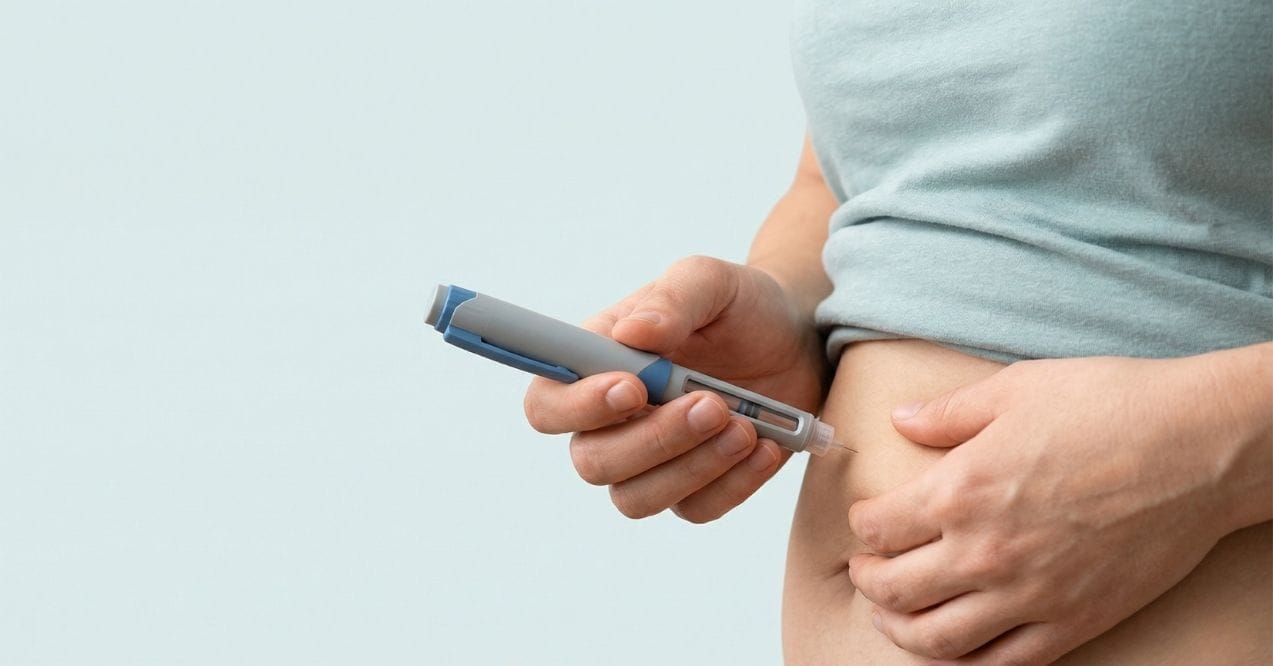
If you’ve been wondering how does GLP-1 work, the short answer is that it’s one of your body’s own tools for managing hunger, digestion, and post-meal energy. GLP-1, short for glucagon-like peptide-1, is a hormone produced naturally in the gut after eating. It helps coordinate appetite signals in the brain, the pace at which food leaves the stomach, and how the body responds to rising glucose after a meal.
This article covers what GLP-1 does, why some people notice shifts in fullness and cravings, and how daily habits shape those signals. First, it helps to understand what GLP-1 is and why your body makes it in the first place.
How Does GLP-1 Work
GLP-1 works through coordinated actions spanning the brain, digestive system, and how the body handles food after a meal. To understand how does GLP-1 work in practical terms, it helps to look at each pathway. The table below outlines where it acts, what it does, and what that may feel like.
| Where It Acts | What It Does | What You Might Notice |
| Brain (hypothalamus) | Activates fullness signals; may reduce appetite drive | Feeling satisfied with less food |
| Stomach | Slows the rate food moves to the intestines | Longer-lasting fullness after meals |
| Post-meal energy response | Supports the body’s glucose response | More stable energy after eating |
| Reward pathways | May reduce the pull toward high-calorie foods | Less urgency around cravings |
It Strengthens Satiety Signals in the Brain
GLP-1 receptors are present in the hypothalamus, the brain region that governs appetite. When GLP-1 reaches these receptors after a meal, it may promote a sense of fullness that gradually reduces the drive to keep eating.
This is not an on/off switch. The strength of the signal varies between individuals, and factors like sleep quality, stress, and meal composition all influence how clearly the brain receives it.
It Slows Stomach Emptying to Extend Fullness
Gastric emptying refers to how quickly food leaves the stomach and moves into the small intestine. GLP-1 slows this process, which may help moderate meals feel satisfying for longer.
In practical terms, the sensation of fullness can linger well past the last bite. Eating more slowly and choosing meals built around protein and fiber can work with this signal naturally, giving fullness cues time to register before the plate is empty.
It Supports a Smoother Post-Meal Energy Response
After a meal, rising glucose in the bloodstream triggers a coordinated response. GLP-1 supports this by prompting glucose-managing signals while also suppressing a counter-hormone that would otherwise push levels higher. For many people, this may translate to steadier post-meal energy and fewer sharp dips in the hours after eating, which can make appetite feel more predictable throughout the day.
It May Shift Food Reward and Craving Intensity
Ultra-palatable foods trigger strong reward signals in the brain, partly through the dopamine system. Research suggests GLP-1 signaling may reduce the intensity of that pull for some people. In practice, this could look like less urgency around sweets or a reduced “can’t stop” feeling once a snack is started.
Responses vary, and this effect tends to be more noticeable in some individuals than others.
What Does GLP-1 Do to the Body?
Mechanisms are useful, but most people want to know what GLP-1 actually does in daily life. The signals described above translate into tangible shifts in how hunger, fullness, and eating patterns may feel over time. The table below summarizes what those changes can look like in real-world terms.
| Body Area | GLP-1 Signal | What You Might Notice |
| Brain | Sends fullness cues to appetite centers | Stopping naturally before finishing a plate |
| Stomach | Regulates digestion pace | Satisfaction with moderate portions |
| Post-meal energy | Supports smoother glucose handling | Fewer energy dips between meals |
Appetite and Meal Satisfaction
What GLP-1 does in practice is change the quality of fullness. With stronger satiety signaling, some people find they feel genuinely done after a meal rather than stopping by willpower alone. Common signals of this shift include:
- Stopping mid-plate without feeling deprived
- Reduced grazing between meals
- Less urgency around post-meal snacking
Digestion Pace, Portion Comfort, and Routine Changes
Slower gastric emptying can reshape the entire rhythm of eating. When food moves through the stomach more gradually, moderate meals may feel more satisfying than large ones, and the window between meals can feel more comfortable. A few habits that align well with these changes:
- Smaller starting portions to calibrate hunger more accurately
- Pausing mid-meal so fullness cues have time to register
- Building meals around protein and fiber for lasting staying power
How Long Does It Take to Notice Effects? A Realistic Timeline
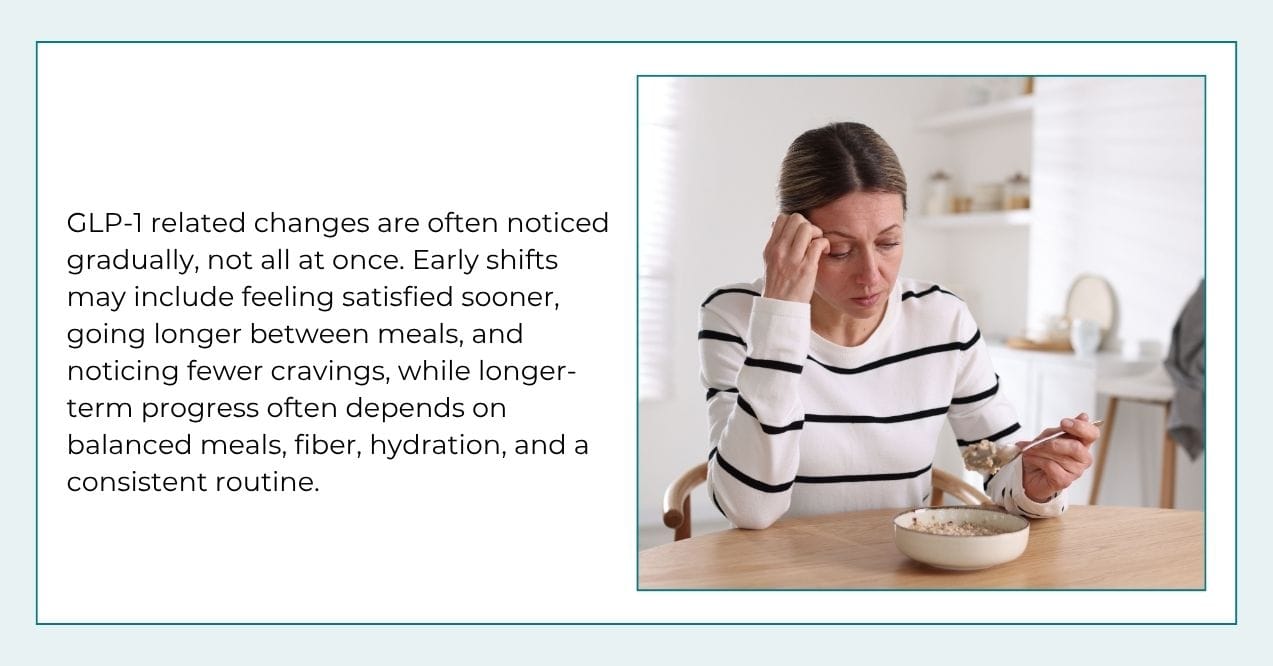
If you’re asking how long does it take for GLP-1 to work, the most accurate answer is that it depends and often unfolds in phases. Natural GLP-1 is active after every meal, but whether its effects feel noticeable is shaped by eating habits, sleep, stress, and consistency over time.
Noticing changes requires paying attention to appetite signals, not just outcomes.
Early Phase: Appetite Signals Often Change First
The earliest shifts tend to involve appetite cues rather than visible body changes. These can include arriving at fullness sooner during a meal, longer comfortable gaps between eating, and a reduction in cravings that previously felt hard to ignore.
These signals are subtle at first. Paying attention to when you feel comfortably satisfied, as opposed to when the plate is simply empty, helps make them more noticeable over time.
Middle Phase: Routines Start to Matter More
As appetite signals become more consistent, daily structure plays a larger role in sustaining those changes. Building a reliable eating routine can determine whether the day feels manageable or reactive. Some habits worth prioritizing during this phase:
- A protein-forward first meal to anchor morning appetite
- Fiber at lunch and dinner for sustained fullness
- Planned snacks to avoid sudden, reactive hunger
- Consistent hydration throughout the day
Longer Phase: Consistency and Maintenance Habits
The longer-term phase is less about change and more about stability. Sustainable markers include a predictable meal rhythm, better portion comfort, and fewer reactive food choices driven by sudden hunger or cravings. Maintenance is a skill, not a destination. The habits built in earlier phases become easier to sustain when appetite signals feel more consistent.
What Influences How Fast Changes Happen?
When people ask how fast does GLP-1 work for weight loss, they’re really asking what controls the pace of change. The answer is largely about daily inputs.
GLP-1 activity responds to the overall environment built by sleep quality, food composition, stress load, and physical movement. When several of these inputs are misaligned, appetite signals can feel muted regardless of what else is in place.
The Most Common “Speed Bumps”
Certain habits work against GLP-1 signaling. The most common obstacles include:
- Low protein and low fiber meals that don’t support lasting fullness
- Skipping meals during the day, then overeating in the evening
- Poor sleep, which disrupts hunger regulation
- Low physical activity and limited strength-focused movement
- Inconsistent hydration, which can easily be mistaken for hunger
Supportive Habits That Improve Consistency
Small, repeatable habits tend to produce the most consistent results:
- Protein at breakfast to stabilize morning appetite
- Fiber incorporated into at least two meals daily
- Strength-focused movement two to three times per week
- Default meals prepared in advance for busy days
- Eating more slowly and stopping at comfortably satisfied
These habits don’t force outcomes, but they make follow-through considerably easier.
Food-First Ways to Support Natural GLP-1 Signaling
What and how you eat directly influences GLP-1 secretion. GLP-1 is released in response to food, particularly types that linger in the digestive system longer and feed beneficial gut bacteria.
For anyone looking to support appetite and satiety naturally, food composition is the most accessible starting point. Sleep and movement also contribute, but meals are where most people have the most direct daily control.
Build Meals Around Protein and Fiber
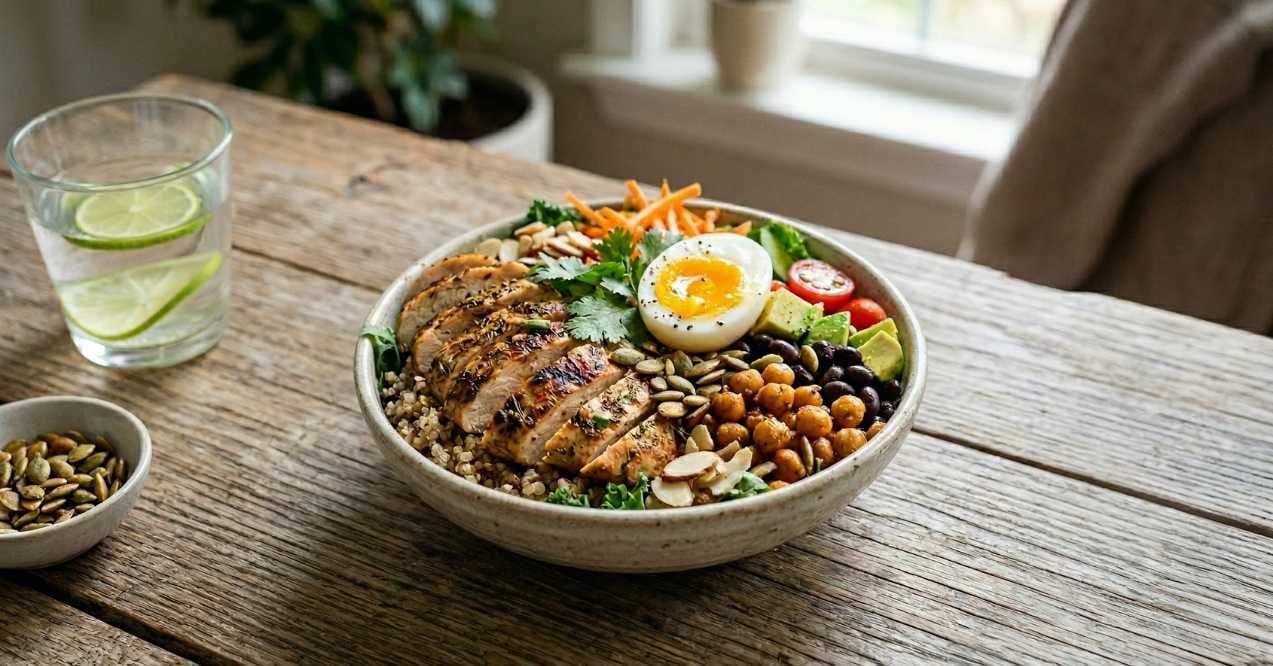
Protein and fiber are two of the strongest food-based drivers of GLP-1 secretion and prolonged satiety. A simple structuring formula: protein + fiber + color + healthy fat.
Practical combinations include Greek yogurt with berries and chia seeds, eggs with vegetables and avocado, or lentils over a salad with olive oil. These meals tend to extend fullness more reliably than those built primarily around refined carbohydrates alone.
Use Prebiotic Fiber to Support Gut Signaling
Prebiotic fiber feeds beneficial gut bacteria, and research suggests this process may support GLP-1 activity through the production of short-chain fatty acids. Common prebiotic sources include onions, garlic, asparagus, oats, slightly green bananas, and legumes.
Adding these to regular meals supports the gut environment that helps the body communicate about fullness and digestion. Small, consistent additions tend to produce steadier results than large amounts introduced all at once.
Food choices, fiber, and steady daily habits are the foundation of healthy GLP-1 support. For readers who want an additional option, PureHealth Research’s natural GLP-1 supplements are formulated to complement those habits as part of a balanced wellness routine.

Conclusion
GLP-1 is a natural gut-to-brain signal that coordinates fullness, digestion pace, and post-meal energy handling. People may notice different effects at different times, and daily habits shape how clearly those signals are felt. Building meals around protein and fiber, eating more slowly, prioritizing portion comfort, and supporting consistent sleep and movement all contribute to a steadier signaling environment. Use this framework to observe your own appetite signals and build a routine that supports them with calm, sustainable consistency.
After eating, GLP-1 is released by gut cells and signals the brain to reduce appetite, slows stomach emptying to extend fullness, and supports the body’s post-meal glucose response for steadier energy levels.
Natural GLP-1 activates within minutes of eating and peaks roughly 15 to 30 minutes after a meal. Noticing consistent changes in appetite and fullness typically takes days to weeks of supportive habits.
Both. GLP-1 may signal the brain to reduce appetite while also helping the stomach reach fullness more quickly. Together, these effects may support a natural reduction in portion size over time.
GLP-1 activity is influenced by sleep, stress, meal composition, and hydration. On days when several of these factors are off, appetite signals may feel less clear and cravings more intense.
Weight changes depend on overall calorie balance, consistency, and lifestyle habits. GLP-1 supports appetite regulation, but the pace of change varies widely based on individual factors and daily routines.

Advertisement. This site offers health, wellness, fitness and nutritional information and is designed for educational purposes only. You should not rely on this information as a substitute for, nor does it replace, professional medical advice, diagnosis, or treatment. If you have any concerns or questions about your health, you should always consult with a physician or other health-care professional. Do not disregard, avoid or delay obtaining medical or health related advice from your health-care professional because of something you may have read on this site. The use of any information provided on this site is solely at your own risk.
Related Articles
GLP-1 and Inflammation: What Current Research Suggests
Written by Donatas Leikas | August 19, 2026

Does GLP-1 Increase Metabolism? What to Know
Written by Karolina Rutkute | March 25, 2026

How to Naturally Increase GLP-1 (Science-Backed Tips)
Written by Karolina Rutkute | March 23, 2026
How Much Weight Can I Lose on a GLP-1?
Written by Karolina Rutkute | March 20, 2026
Does GLP-1 Cause Muscle Loss?
Written by Karolina Rutkute | March 18, 2026
Does GLP-1 Help With Menopause Weight Gain?
Written by Gabriele Slimaite | March 16, 2026