How To Keep Your Loving Gazes Clear This Valentine’s Day
Eye comfort during focused tasks may be influenced by tear film quality, macular pigment, and antioxidant intake. For Valentine’s Day, explore simple habits and foods that may help support eye comfort and visual wellness.



 On This Page:
Clear, comfortable vision depends on a combination of balanced nutrition, consistent movement habits, and an environment that helps reduce everyday eye strain. Several nutrients, including lutein, zeaxanthin, and omega-3 fatty acids, are commonly studied for their roles in supporting macular wellness, tear film quality, and antioxidant activity. The habits and food choices covered here draw on this research and translate it into practical, everyday steps.
Making eye care a shared habit can make healthy routines easier to maintain. The exercises, meal ideas, and environmental adjustments in this guide are simple to incorporate, whether at home, dining out, or managing extended screen time. A few targeted changes to your daily routine may help support how your eyes feel over time.
Love-Inspired Eye Exercises
Start your day with simple exercises you can practice together. Try this gentle routine while sharing your morning coffee:
The distance game involves looking at each other from across the table, then shifting your gaze to something in the distance, like a tree outside your window. Alternate between near and far views for about five minutes. This exercise helps maintain your eyes’ natural focusing ability.
Practice soft blinking during conversation. Take natural pauses to close your eyes gently for 2-3 seconds. This helps maintain eye moisture and reduces strain. Make it a habit to blink fully and softly every time you share a story or listen to your loved one.
For evening activities, try palm warming. Rub your palms together to create warmth, then place them gently over closed eyes for 30 seconds. This soothing practice helps relax tired eyes after a long day. You can practice this together while talking about your day.
The figure eight exercise offers another opportunity for connection. Sit facing each other and trace an imaginary figure eight with your eyes while maintaining good posture. Do this for one minute, then switch direction. This gentle movement helps maintain eye muscle flexibility.
Vision-Supporting Valentine’s Menu
Let’s create a romantic Valentine’s dinner that supports your vision wellness. Understanding how each nutrient works helps us make informed choices for our eyes:
Lutein and Zeaxanthin
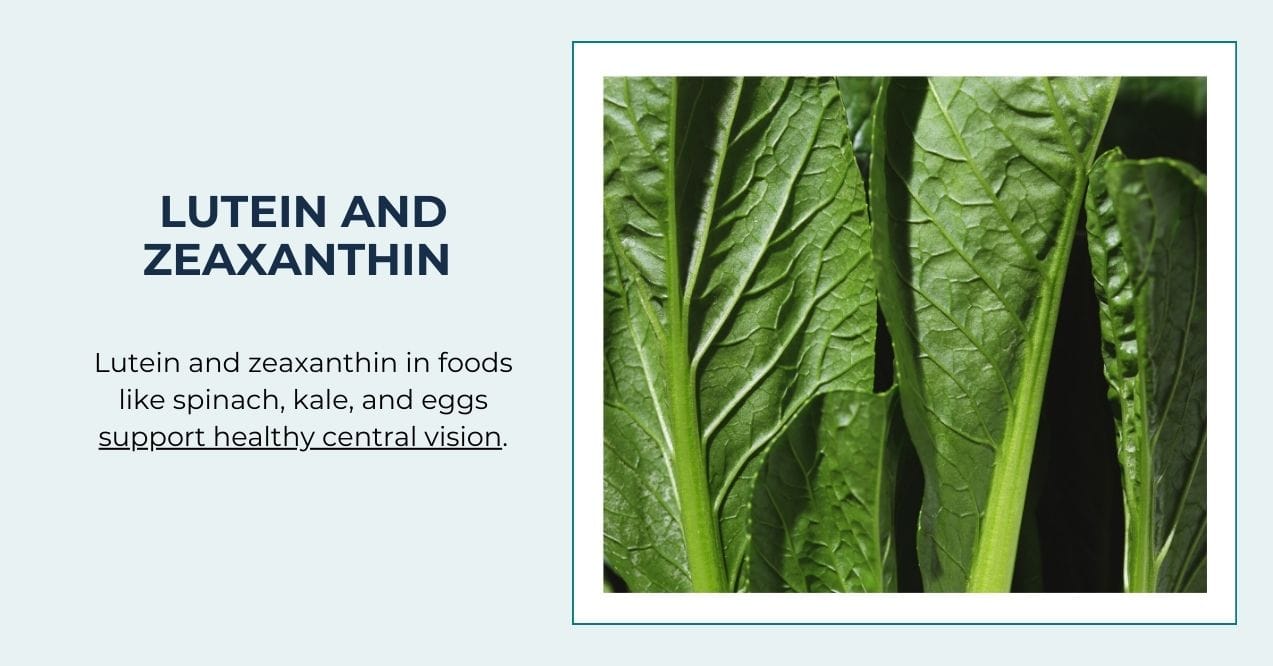
These natural compounds act like internal sunglasses for your eyes. They filter harmful light and support the macula, the part of your eye responsible for central vision. This helps you see fine details clearly, like your loved one’s smile. Find them in:
- Dark leafy greens like spinach and kale
- Green peas and broccoli
- Orange and yellow bell peppers
- Corn and egg yolks
Omega-3 Fatty Acids
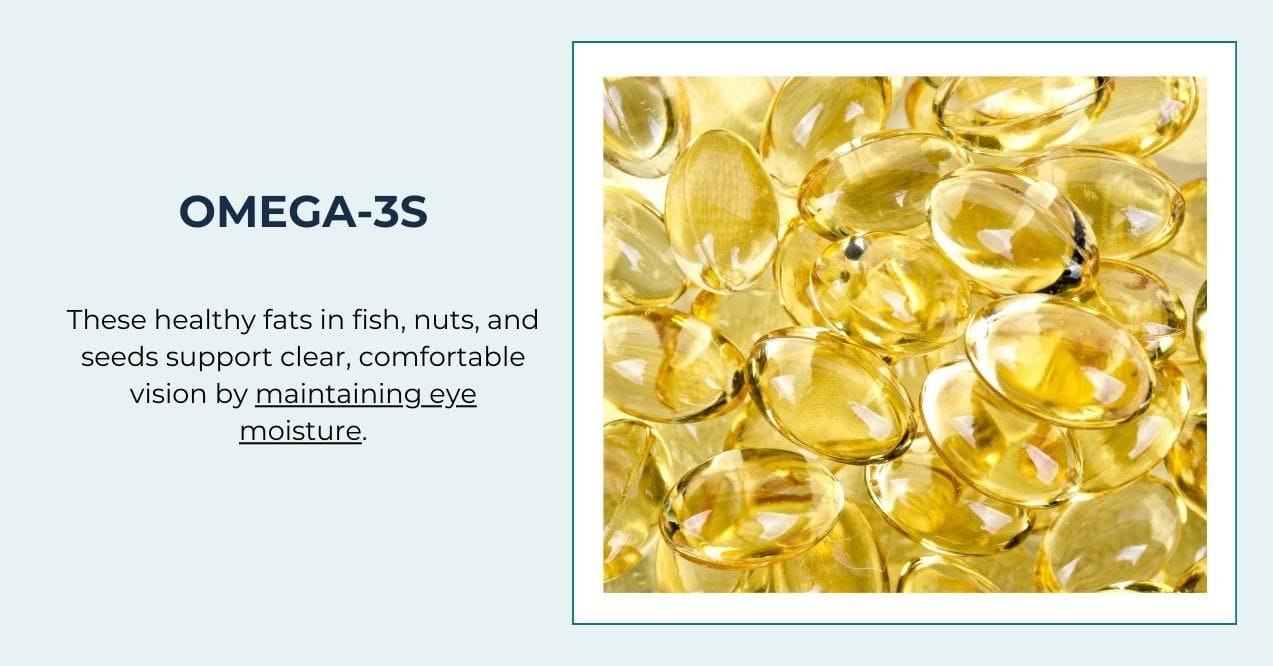
These essential fats maintain the natural oil layer of your eyes, which helps keep vision clear and comfortable. They support proper moisture levels and help maintain smooth eye surface. Your eyes will thank you during those long, loving gazes. Abundant in:
- Cold-water fish like salmon and mackerel
- Walnuts and chia seeds
- Flaxseeds
- Avocados
Beta Carotene
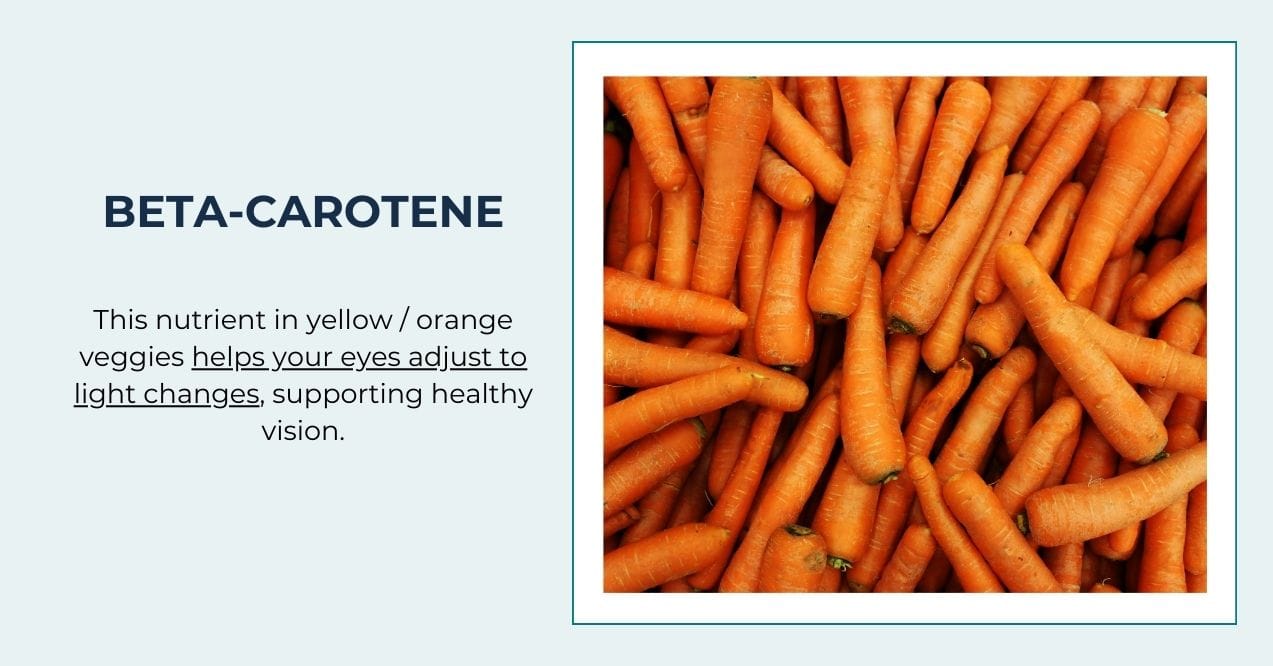
Beta Carotene transforms into vitamin A, which helps your eyes adjust between bright and dim light. It’s particularly important for those romantic candlelit dinners. Your body needs it to maintain the light-sensitive cells in your eyes. Rich sources include:
- Orange vegetables like carrots and sweet potatoes
- Butternut squash
- Red and yellow peppers
- Dark leafy greens
Vitamin C and E
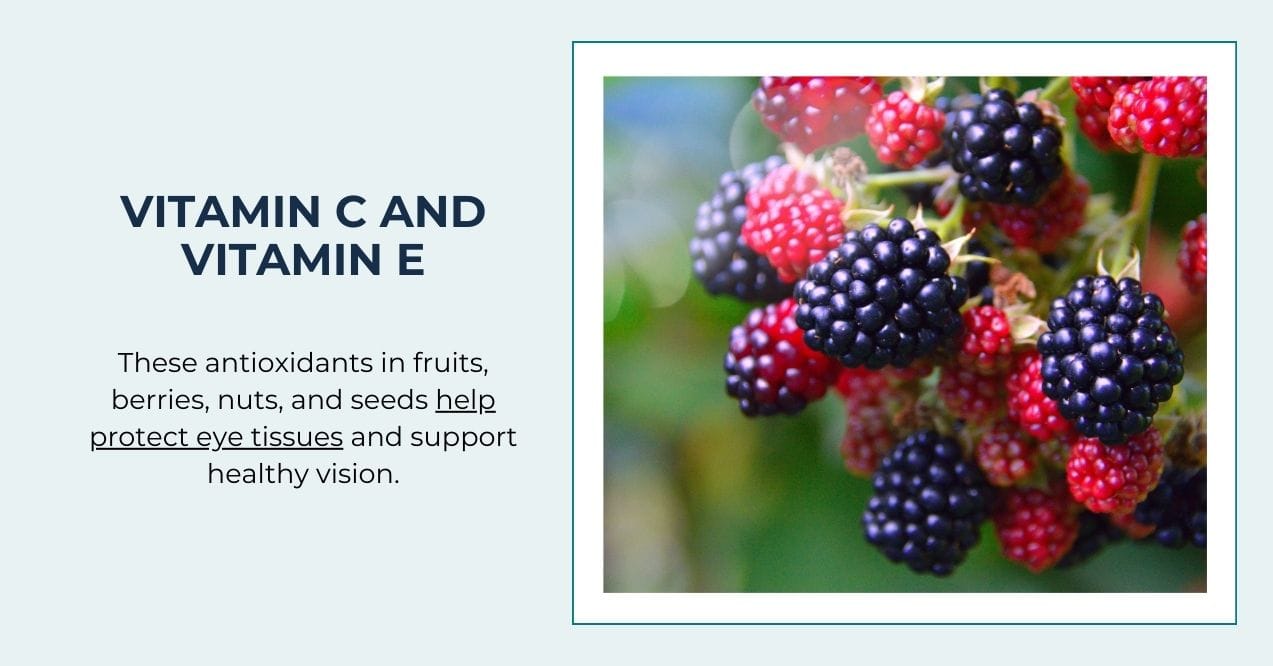
These powerful antioxidants work as a team to protect your eye tissues from natural aging processes. They support the tiny blood vessels in your eyes and help maintain the clarity of your eye’s natural lens. Find them in:
- Citrus fruits
- Berries of all colors
- Nuts and seeds
- Vegetable oils
Zinc
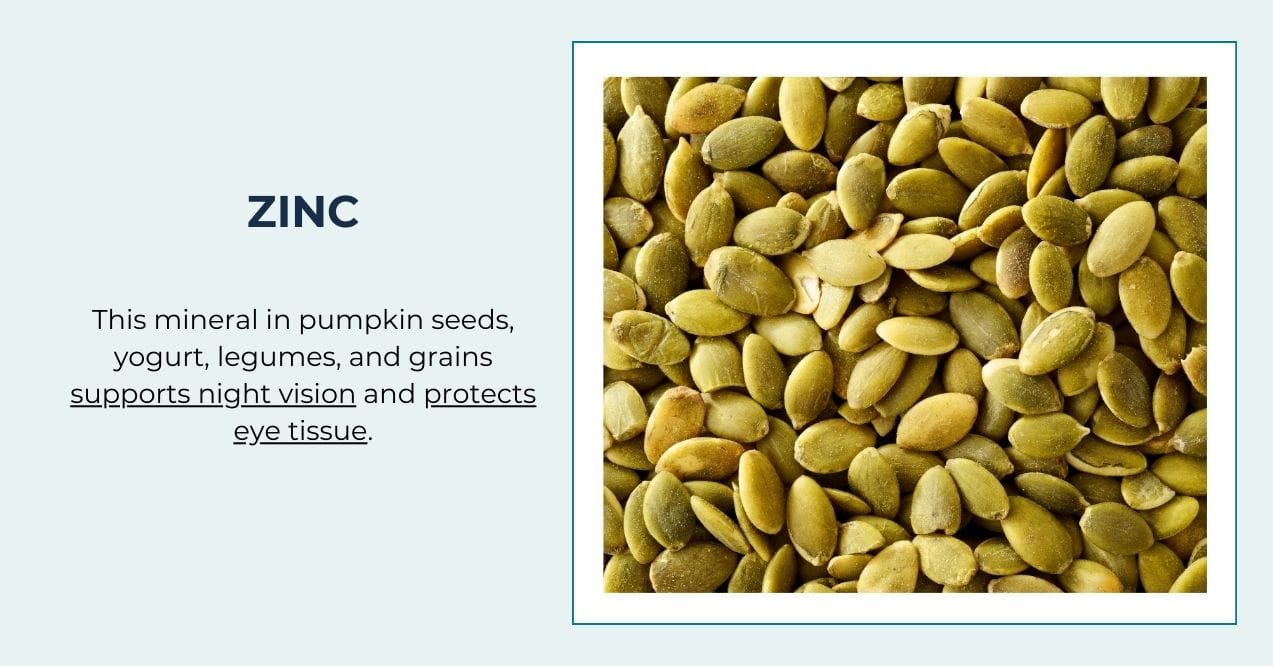
This mineral plays a vital role in bringing vitamin A from your liver to your eyes, supporting night vision. It also helps protect eye tissue from daily environmental factors. Good sources are:
- Pumpkin seeds
- Greek yogurt
- Legumes
- Whole grains
Antioxidants
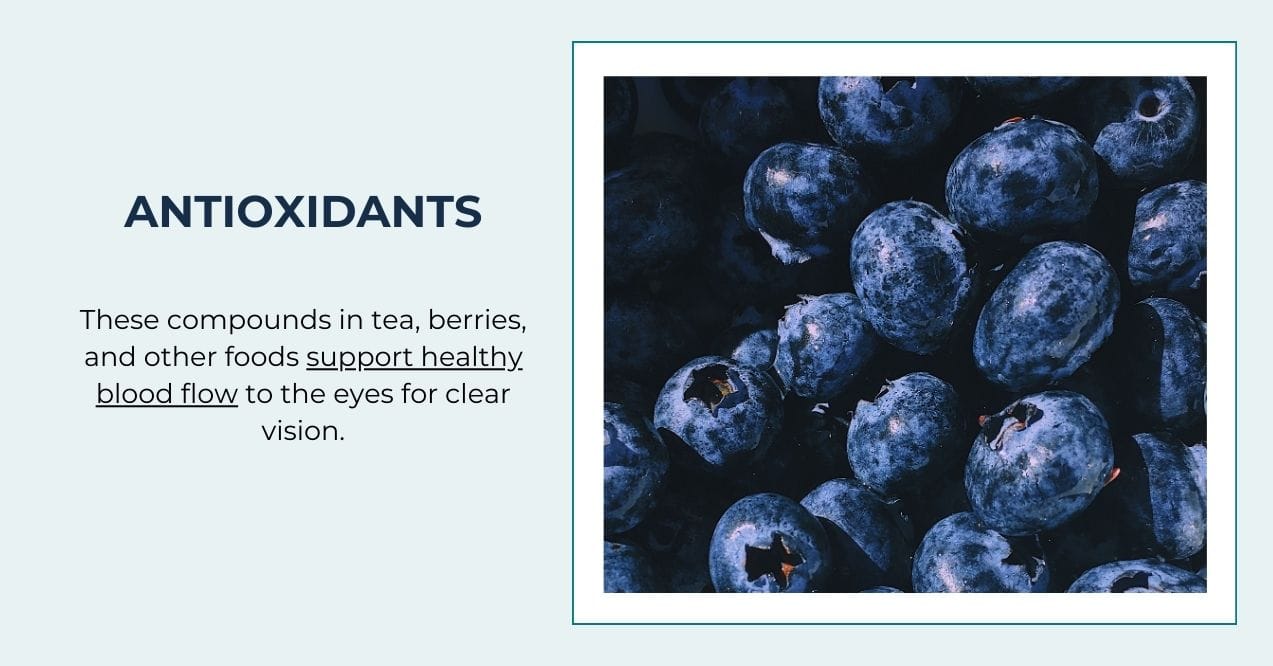
Antioxidants may support the tiny blood vessels that nourish your eyes. They help maintain healthy blood flow, ensuring your eyes receive the oxygen and nutrients they need for clear, comfortable vision. Present in:+
- Green tea
- Dark berries
- Purple cabbage
- Pomegranate
Create your romantic dinner by selecting foods from each category. This approach ensures you’re including a variety of nutrients while building a colorful, appealing meal. Remember to dress your vegetables with a little healthy oil to help your body absorb these nutrients better.
This thoughtful combination of foods makes your Valentine’s dinner both nurturing for your eyes and delightful for your taste buds. Each bite contributes to maintaining the clarity you need to share those special moments with your loved ones.
Setting The Scene For Clear Vision
Create an eye-friendly environment for your Valentine’s celebration.
Soft Lighting for Your Celebration
- Use indirect lighting instead of harsh overhead lights.
- Position table lamps at or below eye level.
- If dining out, choose a table away from bright windows or with adequate lighting.
- Consider warm-toned light bulbs for a romantic and eye-friendly ambiance.
Screen Time Considerations
- Sit at least arm’s length from tablets.
- Maintain at least 10 feet distance from TV screens.
- Adjust room lighting to reduce screen contrast.
Natural Support For Clear Vision
Staying hydrated, taking consistent screen breaks, and being mindful of blink frequency are foundational habits for day-to-day eye comfort. When the eyes are regularly exposed to dry indoor air, extended screen use, or prolonged close focus, tear film quality may be affected. Small, consistent adjustments to your environment and routine may help support more comfortable eyes over time.
Nutritional support is another practical consideration, particularly for those looking to support eye comfort during extended screen use or in dry indoor conditions.
PureHealth Research offers a range of supplements for dry eyes and broader overall ocular wellness, developed with commonly studied nutrients including lutein, zeaxanthin, and vitamins C and E. These formulas are intended to complement dietary sources, not replace them.

Making eye care part of a shared daily routine may help support consistency in a way that solo habits sometimes do not. Coordinating screen breaks, choosing eye-supporting foods at meals, and practicing the exercises in this guide together can be simple to maintain. Shared attention to eye comfort is one wellness habit that may help support long-term visual wellness over time.
Simple Tips For Continued Eye Comfort
- Use proper light levels for different activities
- Practice regular eye exercises together
- Include vision-supporting foods in your meals
- Take breaks during detailed tasks
- Maintain good posture during shared activities
- Keep your environment dust-free
- Use appropriate reading glasses when needed
- Adjust digital device settings for comfort
- Create eye-friendly spaces throughout your home
- Schedule regular vision check-ups together
This Valentine’s Day, give your eyes the attention they need. Clear vision allows us to share meaningful glances, read handwritten notes, and notice those small gestures that make relationships special.
Start with one or two changes and gradually add more as they become natural habits. Share these practices with your loved ones to make vision care an enjoyable part of your daily connection.

Advertisement. This site offers health, wellness, fitness and nutritional information and is designed for educational purposes only. You should not rely on this information as a substitute for, nor does it replace, professional medical advice, diagnosis, or treatment. If you have any concerns or questions about your health, you should always consult with a physician or other health-care professional. Do not disregard, avoid or delay obtaining medical or health related advice from your health-care professional because of something you may have read on this site. The use of any information provided on this site is solely at your own risk.
Related Articles
How to Relieve Eye Pressure at Home: Effective Tips for Quick Relief
Written by Vytautas Vaitkevicius | August 10, 2026
How to Improve Night Vision? Comprehensive Guide
Written by Vytautas Vaitkevicius | April 18, 2026

What is Normal Eye Pressure for Seniors?
Written by Vytautas Vaitkevicius | February 26, 2026

Eight Best Ways How to Improve Eyesight After 40
Written by Vytautas Vaitkevicius | February 25, 2026
Can You Reverse Cataracts Naturally?
Written by Vytautas Vaitkevicius | February 22, 2026
How to Improve Your Eye Vision: 5 Best Ways
Written by Vytautas Vaitkevicius | February 17, 2026