Can You Reverse Cataracts Naturally?
Can you reverse cataracts naturally? This common question should be discussed with an eye care professional, as structural lens changes cannot be reversed through nutrition or lifestyle habits. However, UV protection, balanced nutrition, and healthy routines may help support overall lens health and long-term visual wellness.


 On This Page:
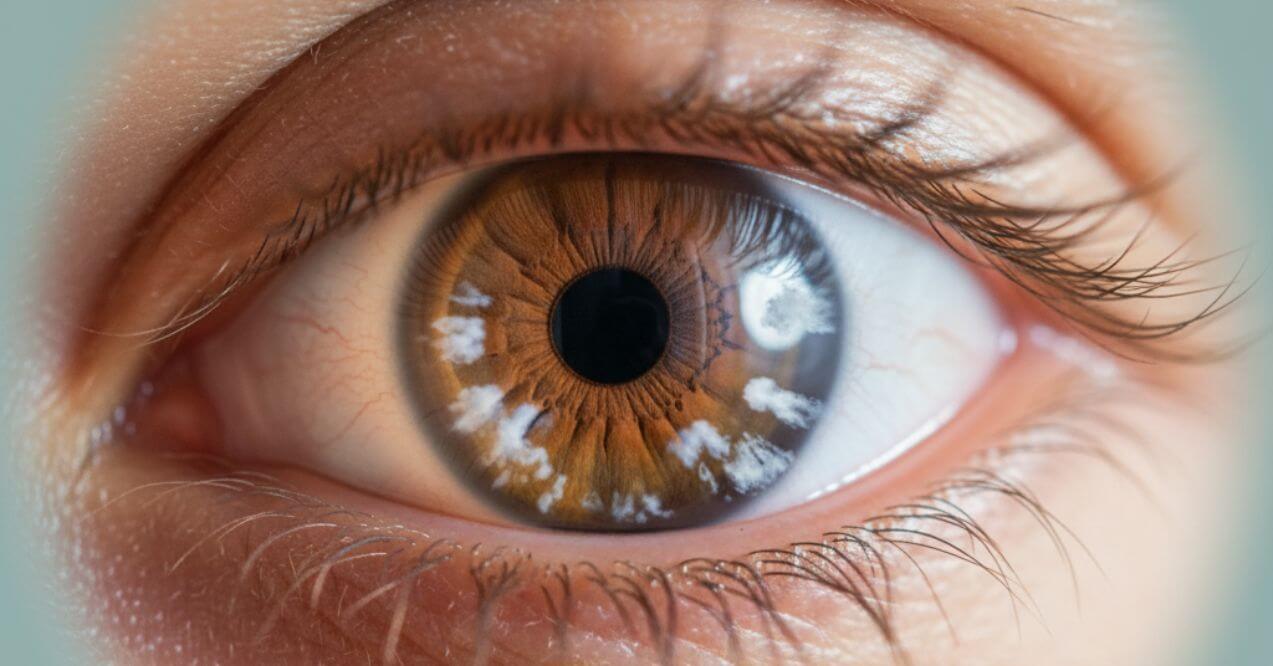
Changes in the eye’s crystalline lens can occur over time when lens proteins gradually cluster, which may affect how clearly light passes through the eye. These age-related lens changes are common, affecting half of Americans by age 80. Once structural lens changes are present, they cannot be reversed through dietary changes, supplements, or other lifestyle methods.
Nutrients such as vitamins C and E, lutein, and zeaxanthin are commonly studied for their roles in antioxidant activity and overall eye health. UV exposure, smoking, and inconsistent nutrient intake are among the lifestyle factors often discussed in relation to long-term lens wellness. This article covers those factors, the evidence behind them, and when to speak with an eye care professional about appropriate options.
What Are Cataracts?
Cataracts form when your eye’s normally clear lens becomes cloudy. Think of looking through a fogged-up window – that’s how cataracts affect your vision. The lens sits behind your iris and pupil, focusing light onto your retina to create clear images.
As proteins in the lens break down and stick together, they create cloudy patches. These patches grow larger over time, making vision increasingly blurry. Colors may appear faded, and you might notice increased sensitivity to bright lights or glare.
Most cataracts develop slowly due to aging, though factors such as diabetes, smoking, and excessive sun exposure can accelerate their formation. Early symptoms include difficulty reading, needing brighter light for activities, and seeing halos around lights at night.
Can You Reverse Cataracts Naturally?
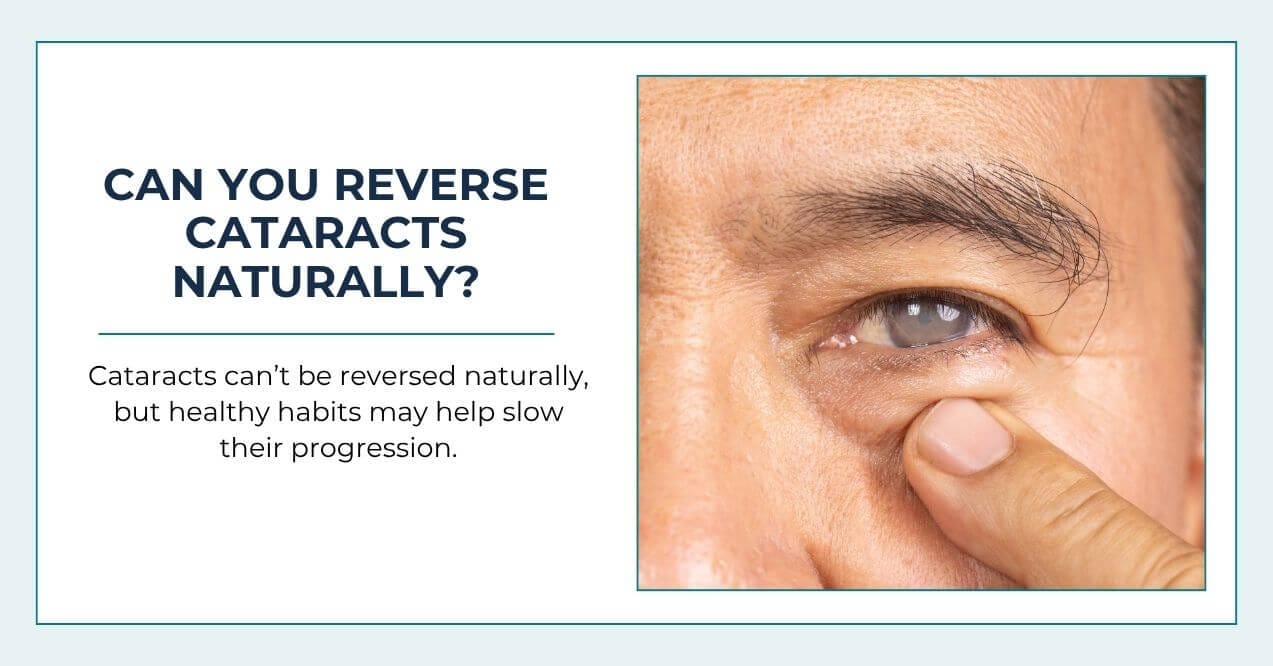
The direct answer is no – once cataracts form, they cannot be reversed through natural means. However, certain lifestyle changes and natural approaches may slow their progression and support overall eye health. Many people exploring alternative medicine for cataracts find that while complete reversal isn’t possible, they can potentially delay the need for surgery.
Current medical science shows that surgery remains the only proven method to remove cataracts and restore clear vision. Natural treatments focus on prevention and slowing progression rather than reversal.
No Proven Natural Cure
Scientific research hasn’t found any natural remedy that can dissolve or reverse existing cataracts. While some animal studies show promise with certain compounds, these results haven’t translated to effective human treatments. The protein changes in your lens that cause cataracts are permanent once they occur.
Many marketed natural cures lack scientific backing. Eye drops, herbal remedies, and special diets cannot restore lens clarity once cataracts develop.
What You Can Do
Although you cannot reverse cataracts naturally, several strategies may help slow their progression. Protecting your eyes from UV radiation by wearing quality sunglasses outdoors can reduce further damage. Eating foods rich in antioxidants supports overall eye health.
Managing blood sugar levels if you have diabetes and quitting smoking can also slow cataract development. Regular eye exams help monitor progression and determine the right time for treatment.
What About Cataract Surgery?
Cataract surgery stands as the only proven method to restore vision affected by cataracts. This common procedure involves removing the clouded lens and replacing it with a clear artificial lens.
The procedure typically takes less than an hour and uses local anesthesia. Most people experience significant vision improvement within days. Modern techniques use ultrasound waves to break up the clouded lens before removal through a tiny incision.
Recovery involves using prescribed eye drops and avoiding strenuous activities for a few weeks. While surgery might seem daunting, delaying it too long can make the procedure more complex. For those seeking ways to improve eye sight, surgery offers the most definitive solution for cataract-related vision loss.
Natural Ways to Support Eye Health
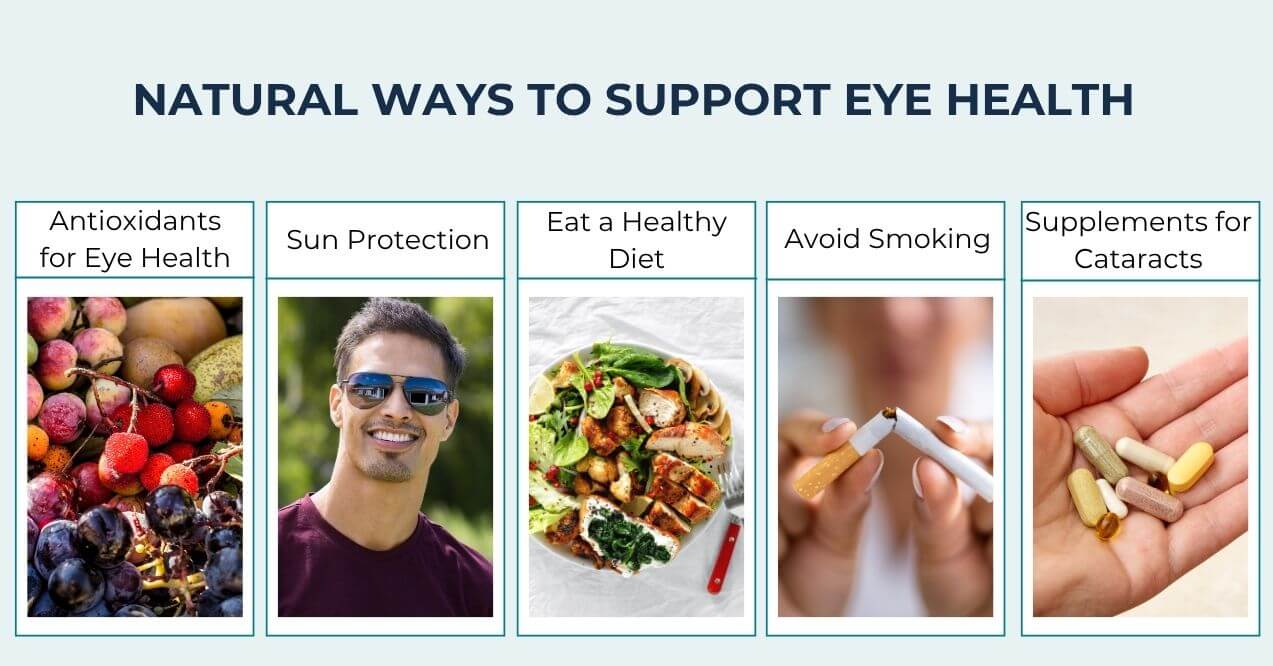
While natural treatment for cataracts won’t reverse existing damage, supporting your eye health through lifestyle choices may slow progression and protect your remaining vision. Research suggests certain nutrients and habits can make a meaningful difference in how quickly cataracts develop.
Your daily choices impact eye health significantly. From the foods you eat to how you protect your eyes outdoors, small changes can add up to better long-term vision health.
Antioxidants for Eye Health
Antioxidants play a vital role in protecting your eyes from oxidative stress that accelerates cataract formation. Vitamin C, found abundantly in citrus fruits and bell peppers, may help maintain lens clarity. Vitamin E from nuts and seeds provides additional protection.
Lutein and zeaxanthin, found in leafy greens and egg yolks, specifically accumulate in eye tissue. These nutrients filter harmful blue light and may slow cataract progression.
Sun Protection
UV radiation accelerates cataract development by damaging proteins in your lens. Wearing sunglasses that block 99-100% of UV rays whenever you’re outdoors provides essential protection. Choose wraparound styles for maximum coverage.
Wide-brimmed hats add extra protection, especially during peak sun hours. Even on cloudy days, UV rays penetrate and can harm your eyes. Making sun protection a daily habit may significantly slow cataract progression.
Eat a Healthy Diet
A diet rich in colorful fruits and vegetables provides essential nutrients for eye health. Dark leafy greens supply lutein and zeaxanthin, while orange foods offer beta-carotene. Fatty fish provides omega-3 fatty acids that support overall eye function.
Berries contain anthocyanins that may protect against oxidative damage. Whole grains and legumes provide B vitamins and zinc, both important for eye health. Staying hydrated also helps maintain healthy eye tissue.
Avoid Smoking
Smoking doubles your risk of developing cataracts and accelerates their progression. Tobacco smoke creates oxidative stress throughout your body, particularly damaging the delicate proteins in your eye’s lens.
Quitting smoking at any age benefits your eye health. Former smokers gradually reduce their cataract risk over time. If you need help quitting, speak with your healthcare provider about cessation programs.
Supplements for Cataracts
While natural approaches cannot reverse existing cataracts, nutritional support may help support overall lens health and antioxidant activity as part of a broader eye care routine. PureHealth Research’s supplements for vision are developed with evidence-supported compounds studied for their role in supporting general ocular wellness. These formulas are intended to complement healthy habits and routine eye care, not replace them.

Key compounds across the range, including lutein, zeaxanthin, and vitamins C and E, are commonly studied for their roles in supporting macular pigment and antioxidant activity. While no supplement has been shown to reverse existing cataracts, consistent nutritional support may help support overall lens health and long-term visual wellness as part of a broader eye care routine.
Key Takeaways
Taking action to protect your eye health today can make a significant difference in how cataracts progress. While natural reversal isn’t possible, the combination of proper nutrition, sun protection, and regular eye care gives you the best chance at maintaining clear vision for years to come.
No, cataracts cannot go away on their own. Once lens proteins clump together forming cataracts, the process is irreversible. Only surgical removal can eliminate cataracts and restore clear vision.
Protect eyes from UV rays, eat antioxidant-rich foods, manage diabetes, avoid smoking, and get regular eye exams. These steps may slow progression but cannot stop cataracts completely once they begin forming.
Stage 2 cataracts cause noticeable vision changes including increased blurriness, glare sensitivity, and difficulty with night driving. Colors appear less vibrant. Most people can still function but may need brighter lighting for tasks.

Advertisement. This site offers health, wellness, fitness and nutritional information and is designed for educational purposes only. You should not rely on this information as a substitute for, nor does it replace, professional medical advice, diagnosis, or treatment. If you have any concerns or questions about your health, you should always consult with a physician or other health-care professional. Do not disregard, avoid or delay obtaining medical or health related advice from your health-care professional because of something you may have read on this site. The use of any information provided on this site is solely at your own risk.
Related Articles
How to Relieve Eye Pressure at Home: Effective Tips for Quick Relief
Written by Vytautas Vaitkevicius | August 10, 2026
How to Improve Night Vision? Comprehensive Guide
Written by Vytautas Vaitkevicius | April 18, 2026

What is Normal Eye Pressure for Seniors?
Written by Vytautas Vaitkevicius | February 26, 2026

Eight Best Ways How to Improve Eyesight After 40
Written by Vytautas Vaitkevicius | February 25, 2026
How to Improve Your Eye Vision: 5 Best Ways
Written by Vytautas Vaitkevicius | February 17, 2026

How To Keep Your Loving Gazes Clear This Valentine’s Day
Written by Vytautas Vaitkevicius | February 13, 2026