5 Causes of Balance Issues in Elderly + Exercises for Stability
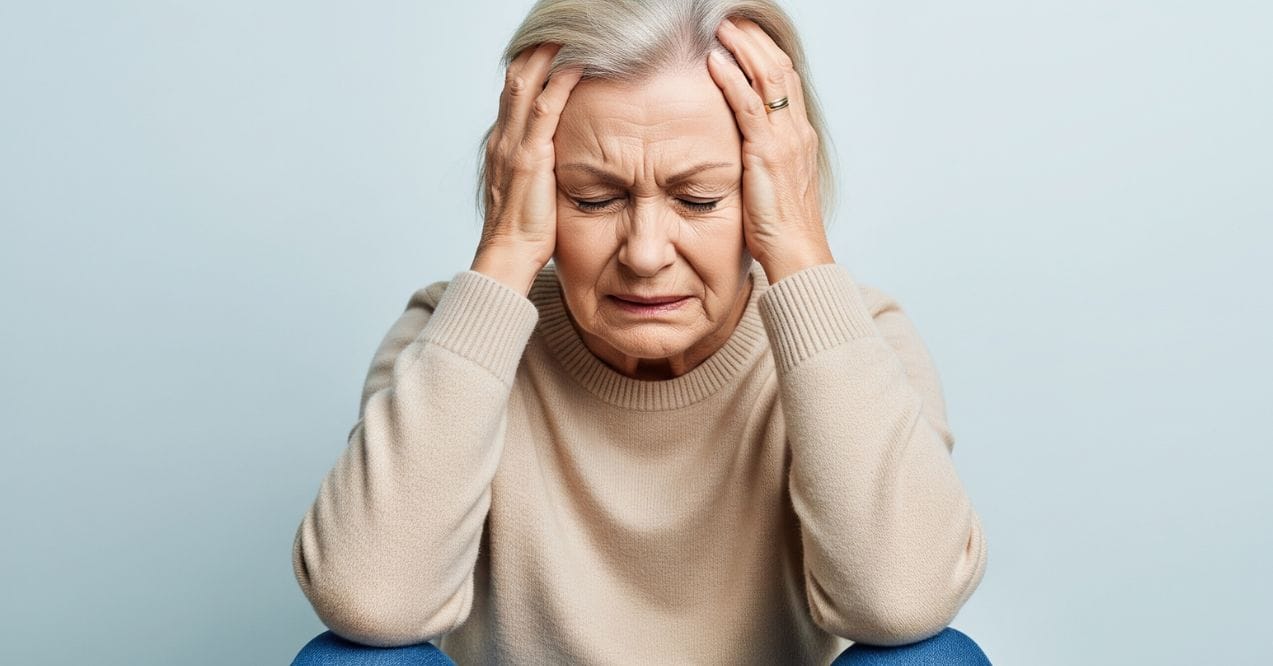
Causes of balance issues in elderly adults can involve several body systems, including vestibular function, vision, nerve signaling, medication effects, and muscle or joint health. Each may influence stability and coordination in different ways. This article covers common factors, plus gentle exercises and home safety strategies.


 On This Page:
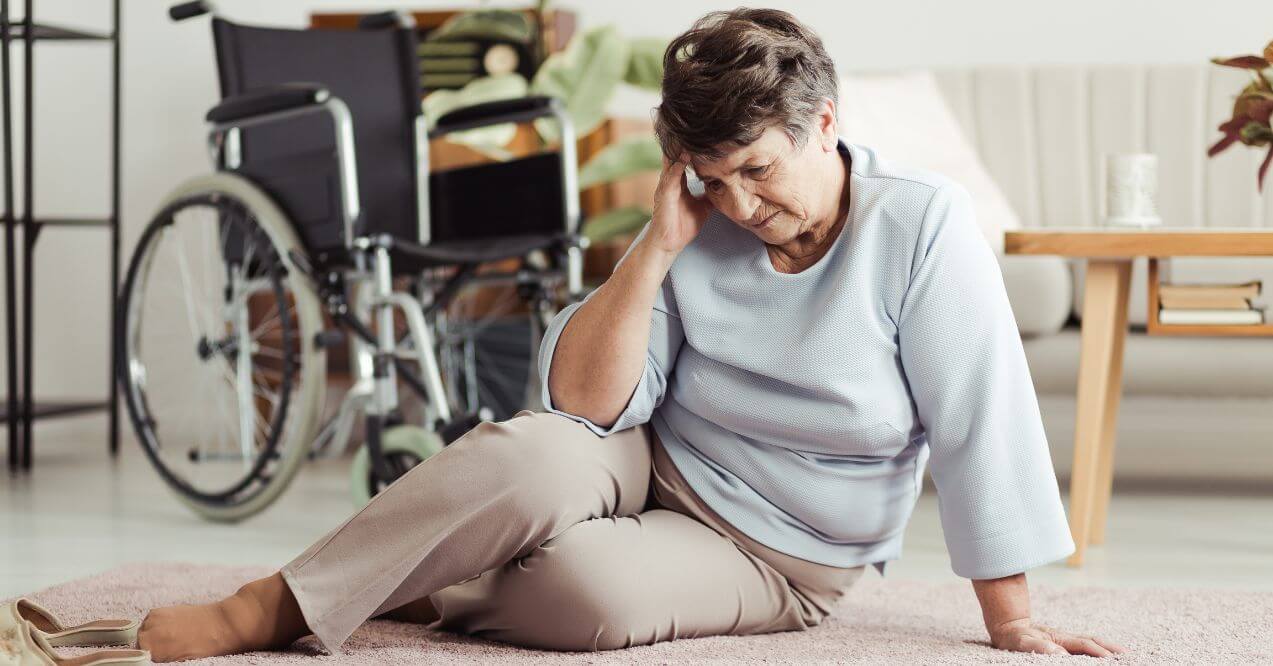
Postural stability depends on coordination between the inner ear, visual input, and signals from muscles and joints. When one or more of these systems changes with age, stability and movement confidence may be affected. Inner ear changes, vision changes, nerve signaling, certain medication effects, and age-related muscle changes can each contribute in different ways.
Recognizing which factors may be involved matters because supportive strategies can vary. This article examines five common contributors, walks through gentle exercises for strength, flexibility, and balance control, and outlines practical home safety strategies that may help reduce fall risk.
What Causes Unstableness in Senior Citizens
Understanding what causes balance issues in elderly is crucial for addressing and managing balance concerns. While occasional unsteadiness might seem normal, persistent balance problems in senior citizens can stem from various underlying factors.
1. Inner Ear Problems
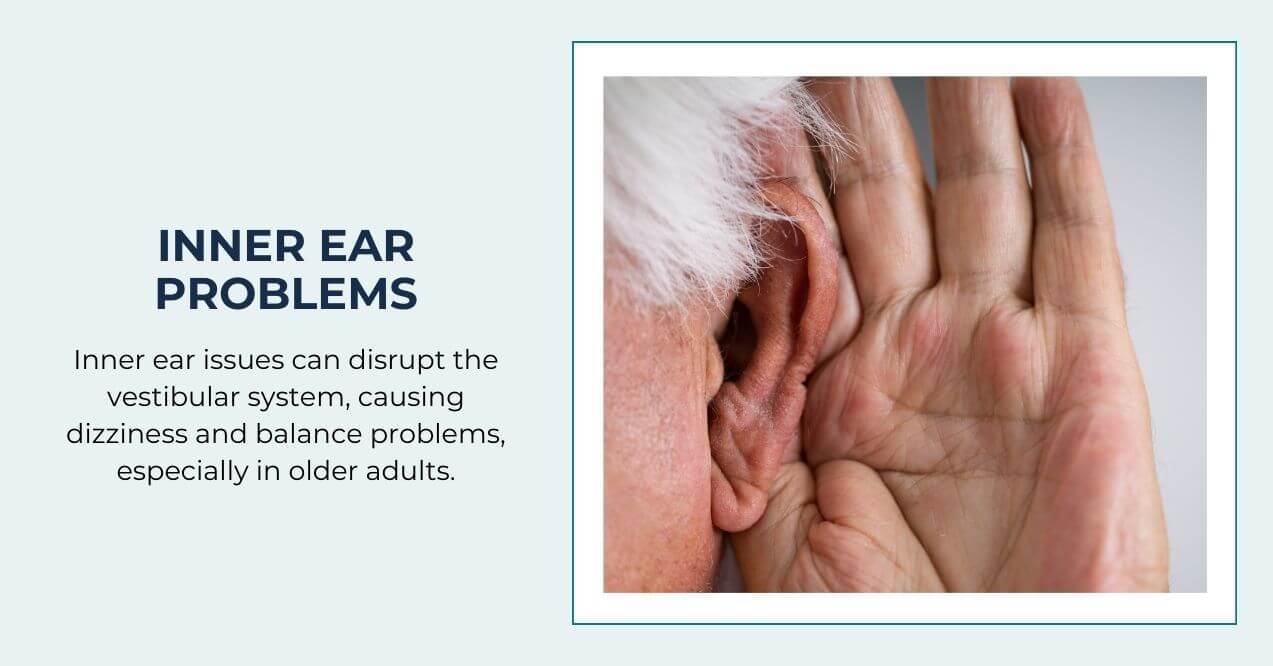
The inner ear plays a vital role in maintaining balance through a complex system called the vestibular system. When this delicate system experiences issues, it can lead to sensations of spinning, tilting, or floating. These symptoms can make simple activities like standing up or walking particularly challenging for older adults. Many seniors experience vertigo – a sensation that the room is spinning – which can significantly impact their stability and confidence in moving around.
2. Vision Impairment
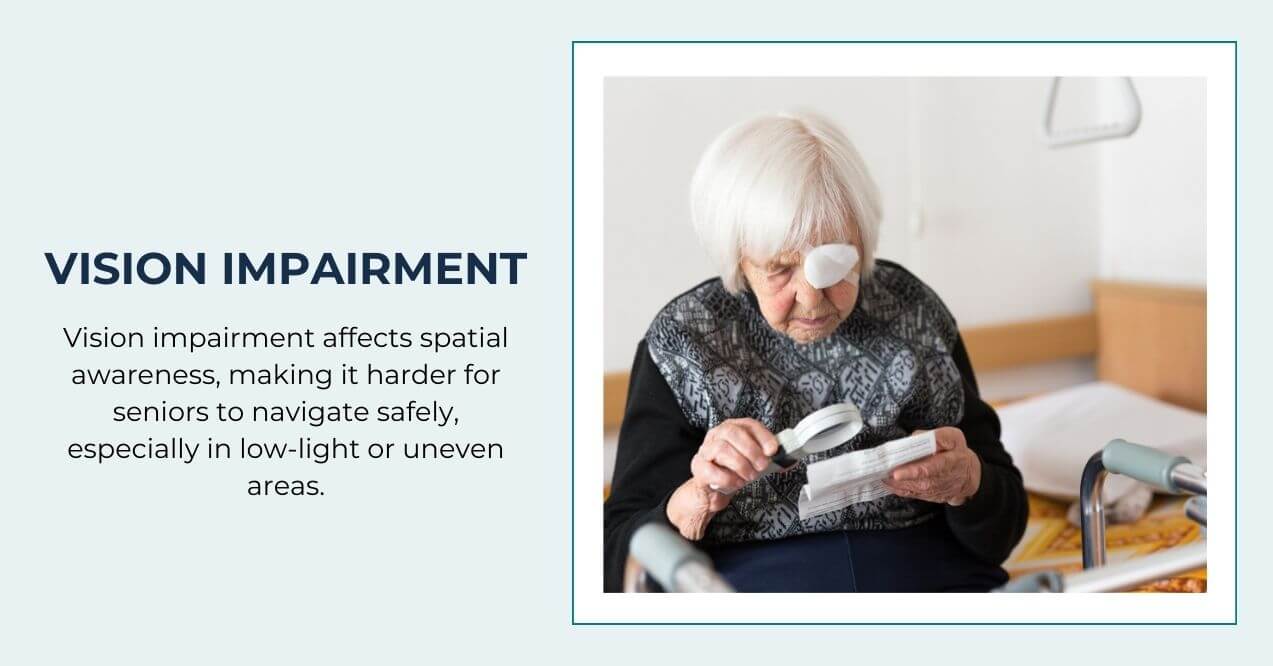
As we age, our visual acuity naturally changes, which can contribute to loss of balance in seniors. Clear vision helps us understand our position in space and identify potential obstacles. When vision becomes impaired, it becomes more challenging to navigate environments safely, especially in low-light conditions or on uneven surfaces. Regular vision check-ups can help monitor these changes and support better balance maintenance.
3. Neurological Conditions
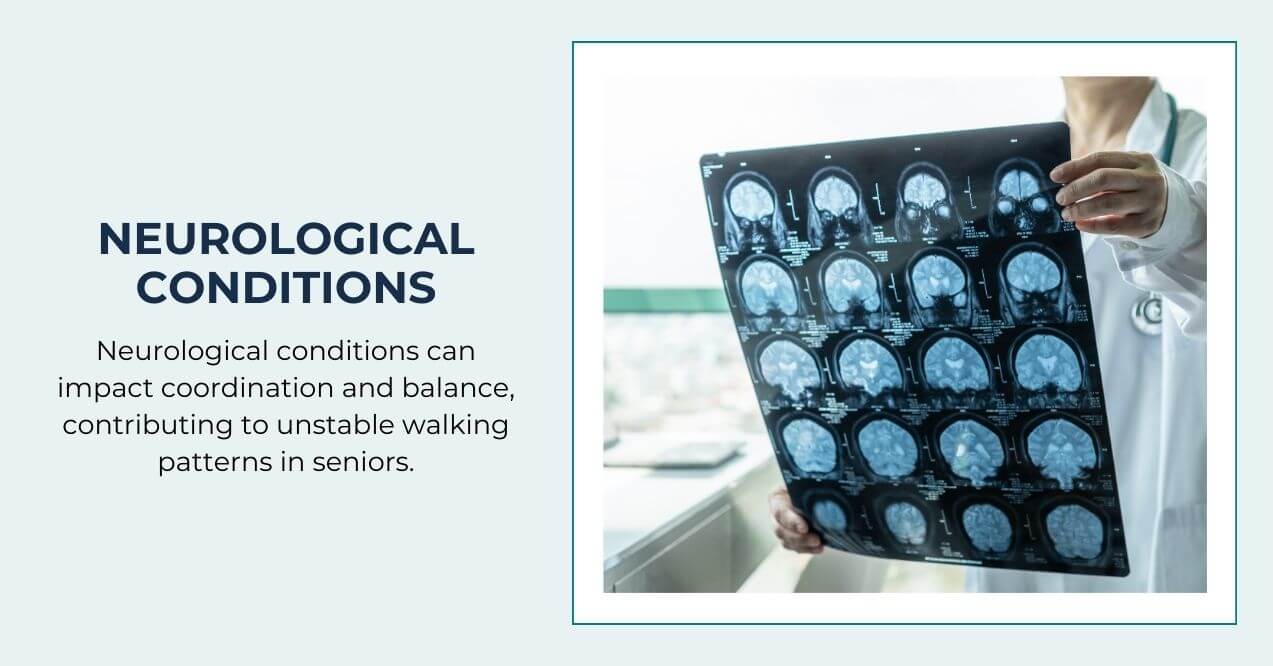
The nervous system acts as our body’s control center for movement and balance. Various neurological conditions can affect how our brain processes information about our body’s position and movement. This can result in coordination difficulties and unstable walking patterns. Many 80 year-old losing balance cases relate to changes in how their nervous system functions.
4. Medication Effects
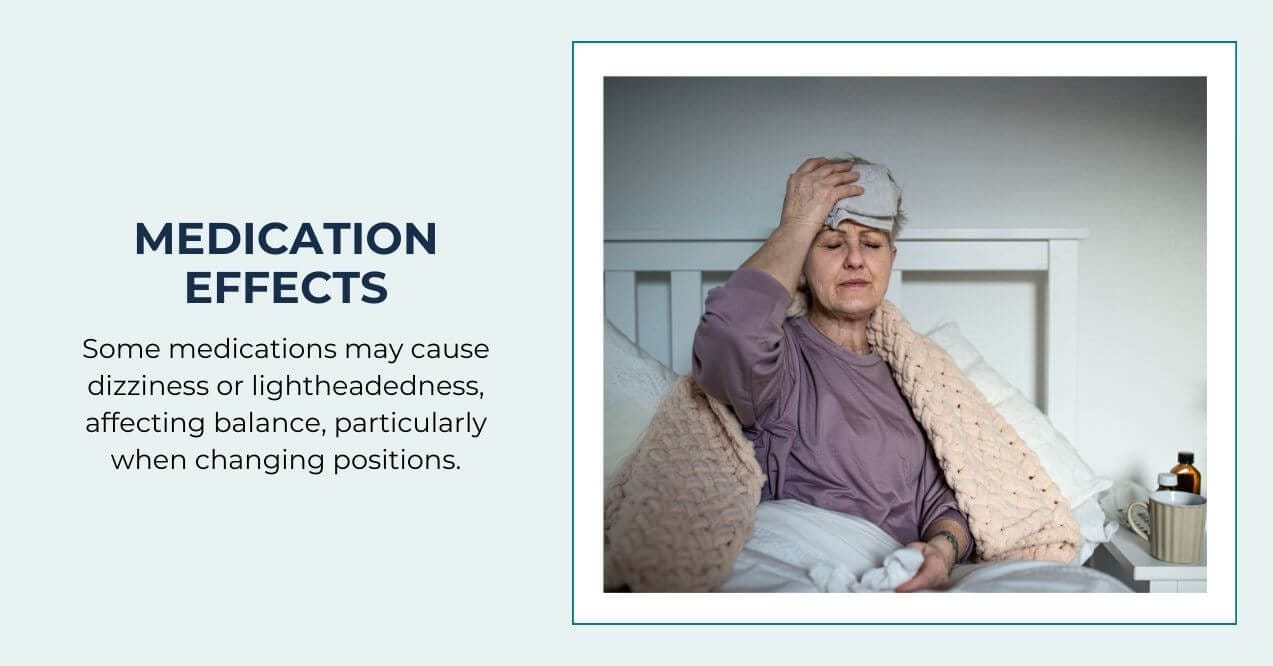
Certain medications may cause side effects that affect balance and coordination. These effects might include lightheadedness or dizziness, particularly when standing up or changing positions quickly. If you notice changes in your balance after starting new medications, it’s important to discuss these concerns with your healthcare provider.
5. Muscle Weakness and Joint Pain
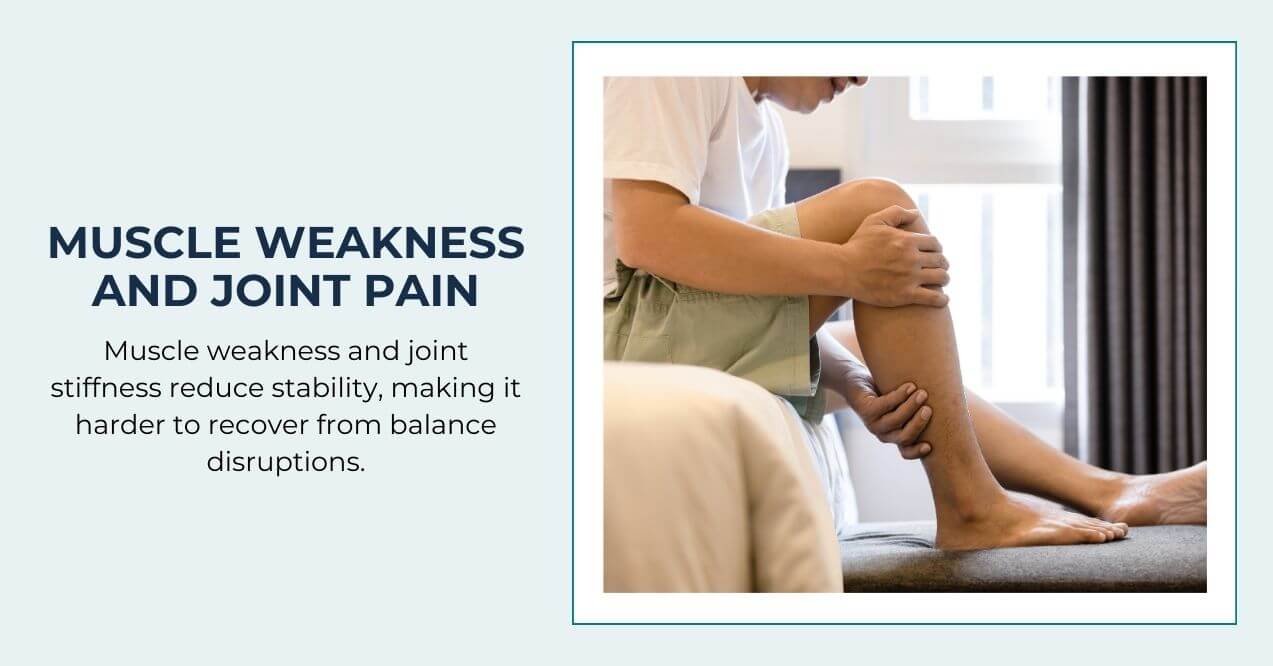
Age-related changes in muscles and joints can significantly impact stability. When muscles become weaker, they may not respond quickly enough to maintain balance when needed. Joint stiffness can also limit range of motion, making it harder to recover from slight losses of balance. Regular physical activity can help maintain muscle strength and joint flexibility, supporting better overall stability.
Diagnosing Balance Disorders
Recognizing the early signs of balance problems in old age can help address stability concerns for better management. Common indicators include:
- Feeling unsteady when walking or standing
- Experiencing a spinning sensation, even while sitting still
- Finding it challenging to walk in darker rooms or on uneven surfaces
- Swaying or stumbling without apparent cause
- Feeling lightheaded during position changes
- Experiencing spatial disorientation
Healthcare specialists may perform various assessments to understand the root cause of balance difficulties. These evaluations often include observing how you walk and stand, testing your ability to maintain stability with eyes open and closed, and checking how well you can track moving objects with your eyes.
A thorough examination might also involve standing on different surfaces to assess how well your body adapts to changing conditions. These insights help create an appropriate plan to support better balance and stability.
Exercises for Improving Stability
Physical activity plays a vital role in maintaining and enhancing stability as we age. If you’ve been wondering why does my body feel heavy during daily activities, these elderly balance exercises focus on three key areas – strength, flexibility, and balance control – to help you move with greater ease.
Exercises for Strength
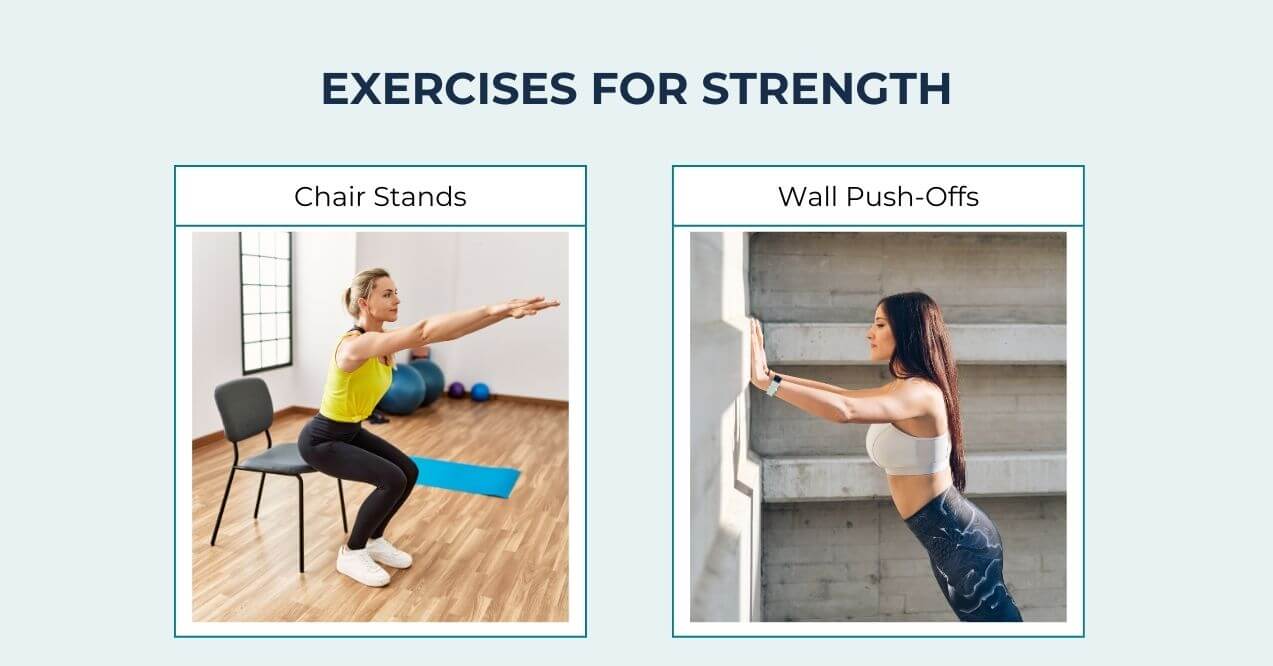
Strong legs provide a solid foundation for better balance. Try these gentle yet effective exercises:
Chair Stands:
- Sit in a sturdy chair with feet flat on the floor
- Lean slightly forward and stand up slowly
- Lower yourself back down with control
- Aim for 8-10 repetitions
- Progress at your own pace
Wall Push-Offs:
- Stand facing a wall, arms-length away
- Place palms flat against the wall
- Bend your elbows to lean toward the wall
- Push back to starting position
- Complete 10-12 repetitions
Exercises for Flexibility
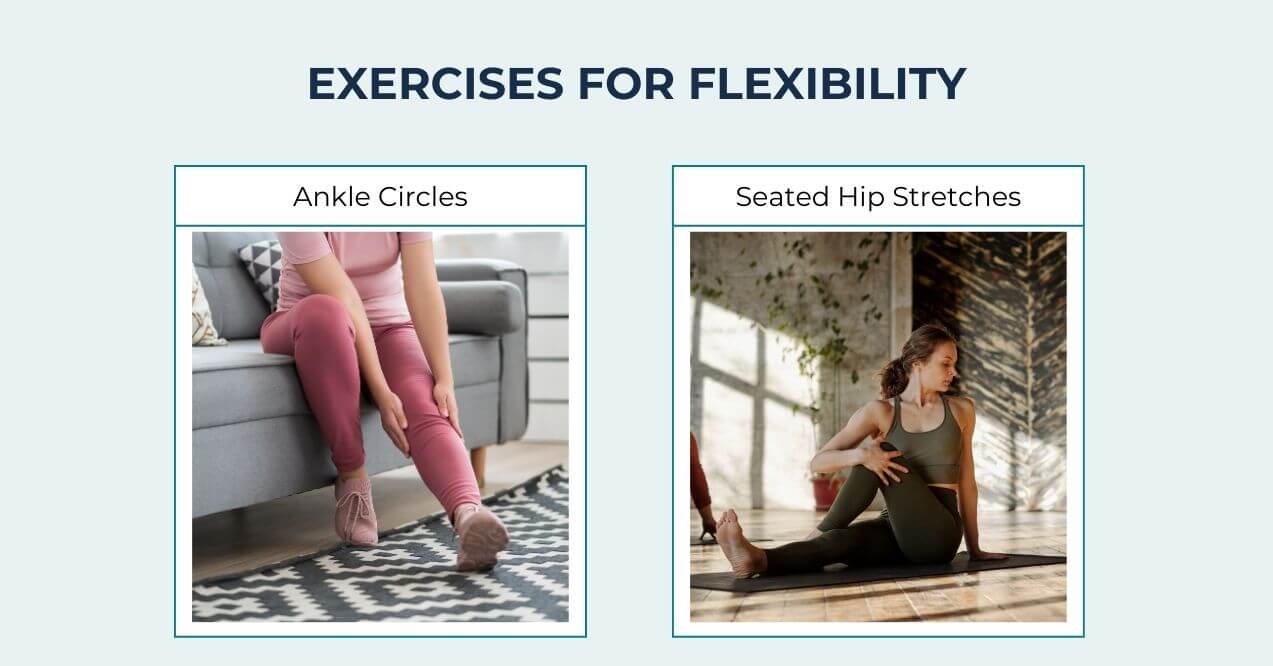
Maintaining joint mobility helps your body respond better to balance challenges:
Ankle Circles:
- Sit in a chair with feet slightly raised
- Rotate each ankle in clockwise circles
- Repeat in counterclockwise direction
- Perform 10 circles in each direction
Seated Hip Stretches:
- Sit with both feet flat
- Cross one ankle over opposite knee
- Hold position for 20-30 seconds
- Switch sides and repeat
Exercises for Balance
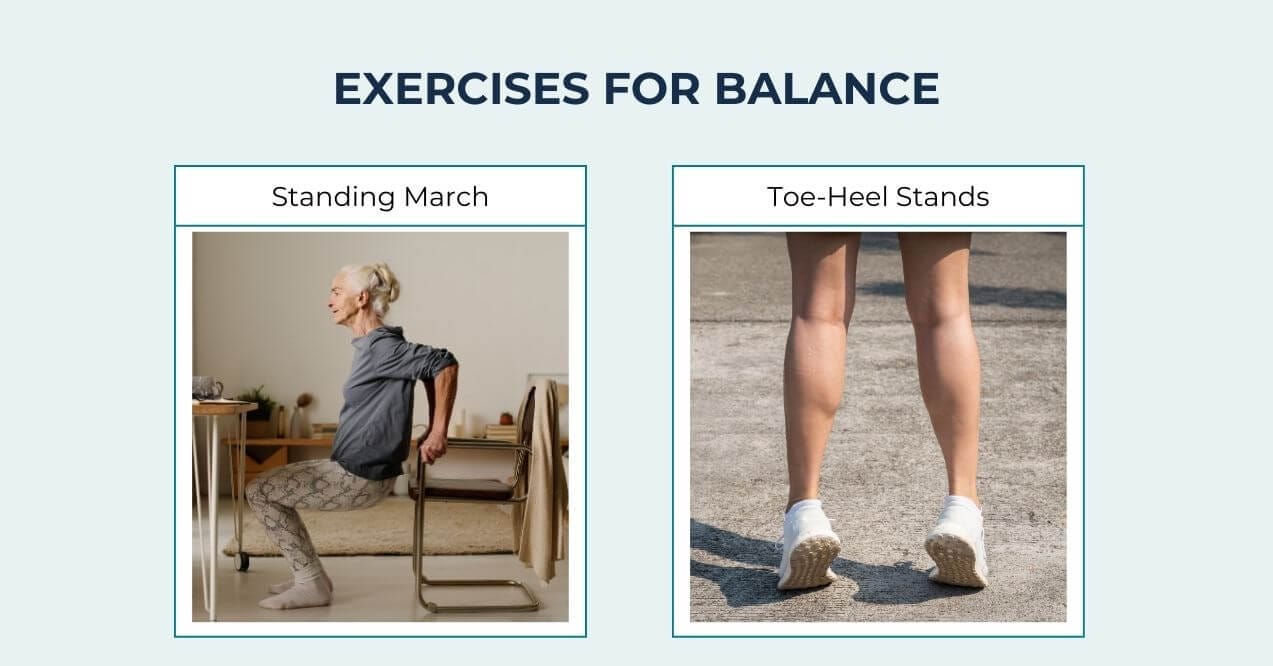
Practice these exercises to improve your stability:
Standing March:
- Stand behind a chair, holding for support
- Slowly lift knees, alternating legs
- Maintain position for 3-5 seconds
- Perform 10 lifts per leg
Toe-Heel Stands:
- Hold onto chair back
- Rise up on toes for 3 seconds
- Rock back to heels for 3 seconds
- Repeat 10 times
Remember to move slowly and mindfully during these exercises. If you feel unsteady at any point, take a break or modify the movement to suit your comfort level
Tips for Preventing Falls at Home
Creating a safer home environment is essential for maintaining independence and stability. Here are practical ways to enhance your living space:
In Your Living Areas:
- Clear walkways of any obstacles, including loose rugs or electrical cords
- Ensure adequate lighting in all rooms, especially at night
- Install motion-sensor lights for better visibility
- Keep frequently used items within easy reach
- Consider placing sturdy handrails along hallways
In Your Bathroom:
- Use non-slip mats both inside and outside the shower
- Install grab bars near the toilet and shower
- Keep the floor dry and clean
While creating a safer environment is essential, supporting your body from within can also make a difference in maintaining overall stability. Essential nutrients like Magnesium contribute to normal muscle function, while Vitamin C and Zinc play vital roles in supporting your body’s natural systems.
PureHealth Research’s supplements for nervous system collection brings together formulas developed to support nervous system wellness, muscle function, and overall cellular health. Options include magnesium-focused formulas, B-vitamin supplements commonly used for nervous system support, and antioxidant ingredients studied for their role in supporting cellular wellness.

Small changes in the home environment, combined with healthy lifestyle habits and nutritional support, may help support confidence and stability in day-to-day activities. Individual results vary, and these supplements are not a substitute for professional medical guidance, particularly when balance concerns are ongoing or worsening.
When to Seek Professional Help
While occasional unsteadiness is common as we age, certain situations call for prompt attention from a healthcare provider. If you experience frequent falls, sudden changes in balance, or persistent dizziness lasting more than a day, reach out for professional guidance.
Other important signs include feeling unsteady while sitting still, experiencing room-spinning sensations, or noticing changes in your walking pattern. Seeking professional guidance can provide insights into balance concerns and potential management options.
Final Thoughts
Managing balance issues in elderly adults requires a proactive approach combining home safety, physical activity, and proper nutrition. By understanding common causes of unsteadiness and taking steps to address them, you can maintain your independence and confidence in daily activities. Remember that staying active, creating a safer home environment, and supporting your body with proper nutrition are key steps toward better stability and overall well-being.
Early signs include feeling unsteady when walking, difficulty getting up from chairs, swaying while standing still, and needing to hold onto walls or furniture while moving. You might also experience dizziness during position changes.
Yes, older adults can improve their balance through consistent exercise and proper support. Regular physical activity, especially exercises focusing on strength, flexibility, and balance control, can help enhance stability and coordination.
Practice simple exercises like standing on one foot while holding a chair, walking heel-to-toe along a wall, gentle yoga poses, and performing sit-to-stand movements from a sturdy chair. Regular movement throughout the day also helps.
The single-leg stance is considered highly effective. Start by holding onto a chair, lift one foot slightly off the ground, and maintain the position. Gradually increase duration and reduce support as balance improves.
Choose shoes with non-slip soles, good arch support, and low, wide heels. Ensure they fit properly with enough room for toes. Athletic shoes or walking shoes with secure fastening (laces or straps) work well.

Advertisement. This site offers health, wellness, fitness and nutritional information and is designed for educational purposes only. You should not rely on this information as a substitute for, nor does it replace, professional medical advice, diagnosis, or treatment. If you have any concerns or questions about your health, you should always consult with a physician or other health-care professional. Do not disregard, avoid or delay obtaining medical or health related advice from your health-care professional because of something you may have read on this site. The use of any information provided on this site is solely at your own risk.
Related Articles
Your Ultimate Guide to Soil-Based Probiotics
Written by Donatas Leikas | August 12, 2026
Is Irish Moss the Same as Sea Moss?
Written by Donatas Leikas | May 20, 2026

Blue Lotus Tea: Why Is It So Popular?
Written by Donatas Leikas | May 17, 2026
6 Best Vitamins for Muscle Fatigue
Written by Donatas Leikas | May 14, 2026
What Is the Healthiest Cereal? Ranking Best to Worst
Written by Donatas Leikas | May 13, 2026

What Does a Dehydration Headache Feel Like?
Written by Donatas Leikas | May 3, 2026