How to Naturally Increase GLP-1 (Science-Backed Tips)
Learn how to naturally increase GLP-1 through meal structure, daily movement, and lifestyle shifts. Start with science-backed tips today.


 On This Page:
Learning how to naturally increase GLP-1 starts with the daily habits most people already have access to. GLP-1, short for glucagon-like peptide-1, is a hormone the body releases in response to food intake. It is involved in normal appetite-related signaling after meals. Supporting its activity doesn’t require extreme changes or complicated routines.
It comes down to building consistency around balanced meals, regular movement, quality sleep, and manageable stress. These strategies may not deliver overnight results, but they can support the body’s own appetite-related signals over time. This guide covers the most practical, evidence-informed approaches worth trying.
How to Naturally Increase GLP-1
A practical way to support normal appetite-related signaling is through a combination of daily habits rather than relying on a single change. Published research suggests that meal patterns, physical activity, and sleep may all influence appetite-related processes. Prioritizing mixed meals, staying physically active, and protecting your sleep may each contribute to a steadier appetite rhythm throughout the day.
How can I increase my GLP-1 naturally? The framework below offers a realistic starting point. No single strategy works in isolation, but together these habits may help support a more consistent daily wellness routine over time.
| Strategy | Why It May Help | Easiest Way to Start |
| Balanced meals | Mixed nutrients may promote a stronger satiety response | Add a protein and fiber source to every meal |
| Daily movement | Moderate activity may support appetite-related hormones | A 20–30 minute walk after meals |
| Quality sleep | Poor rest may interfere with appetite awareness | Set a consistent bedtime and wake time |
| Stress management | Chronic stress may disrupt normal hormonal rhythms | 5–10 minutes of daily breathwork or quiet time |
| Meal timing | Eating at regular intervals supports daily rhythm | Avoid skipping meals or long gaps between eating |
Natural Ways to Increase GLP-1 Through Better Meal Structure
What you put on your plate has a real influence on how your body responds after eating. Natural ways to increase GLP-1 through diet start with how meals are composed, not which trending ingredient gets added on top. For anyone working through how to naturally increase GLP-1, meal structure is the single most accessible place to begin.
Why Meal Balance Matters More
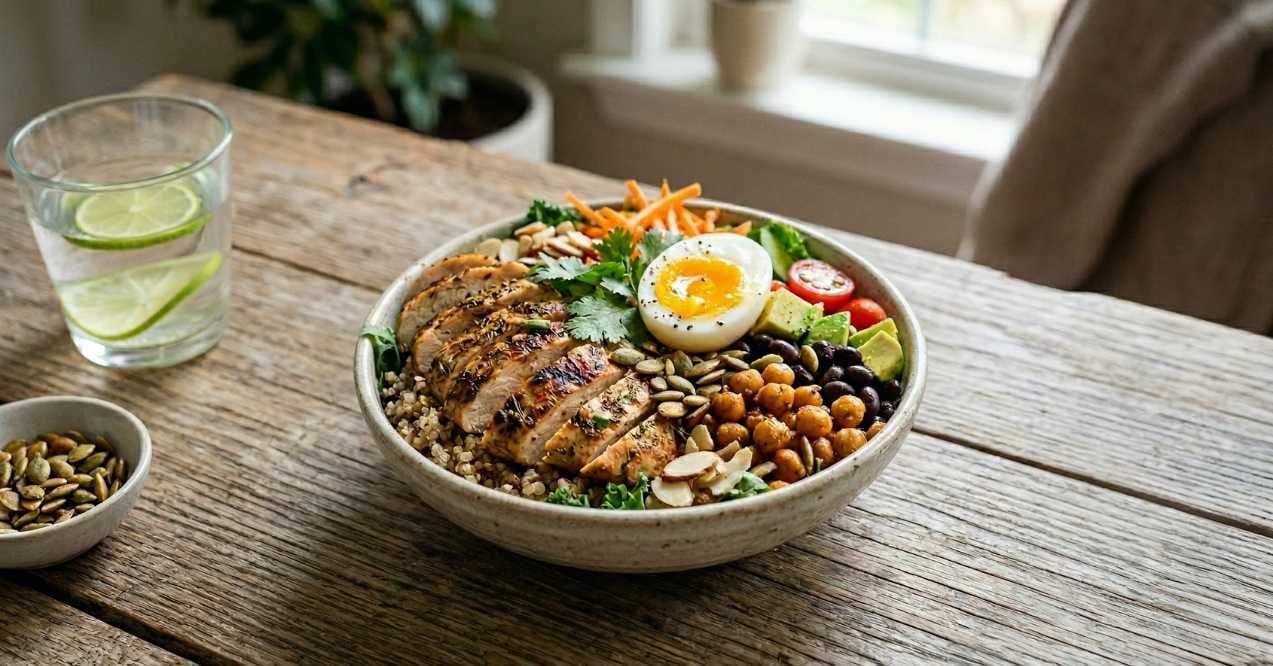
A meal that combines protein, fiber, and fat may feel more balanced and satisfying than one built around a single macronutrient. According to published data, mixed-nutrient meals may promote a more sustained fullness response compared to carbohydrate-heavy meals eaten alone. The key is the combination. Pairing grilled chicken with roasted vegetables and olive oil, for example, creates a more complete signal than a plate of plain pasta.
Simple Meal Tweaks That Make a Difference
Small adjustments to meal structure can go a long way. Eating protein and vegetables before starchy carbohydrates may influence how the body processes a meal. Starting breakfast with eggs or Greek yogurt instead of cereal alone is another practical shift. These aren’t dramatic overhauls. They’re the kind of changes that fit into a normal routine and may gradually support better satiety over time.
GLP-1 Natural Sources
Several food categories stand out as GLP-1 natural sources based on published data. Rather than chasing a single superfood, the goal is to include a variety of these nutrient groups at most meals:
- Protein-rich foods like eggs, fish, legumes, and poultry may support post-meal satisfaction
- Soluble fiber from oats, flaxseed, and vegetables may promote short-chain fatty acid production in the gut, which is linked to GLP-1 activity
- Healthy fats from olive oil, avocados, and fatty fish
- Fermented foods like yogurt, kefir, and sauerkraut that may support a balanced gut environment
For a deeper breakdown of specific foods and how to work them into daily meals, explore what foods increase GLP-1. Those looking for metabolism-friendly meal ideas may also find our guide to the best foods to boost metabolism helpful.
How to Boost GLP-1 Naturally With Daily Habits

Food is only part of the equation. How you move, sleep, and manage stress throughout the day may be just as important for supporting the body’s appetite-related signals. Understanding how to boost GLP-1 naturally means looking at the full daily picture, not just what’s on the plate.
Use Movement to Support Fullness and Metabolic Rhythm
According to published data, moderate physical activity, including brisk walking and resistance training, has been associated with improved appetite hormone responses. You don’t need intense sessions to see potential benefits. A 20-to-30-minute walk after a meal or a few weekly strength-training sessions may be enough to support a healthier daily rhythm. Consistency matters more than intensity, so choose movement you can sustain long term.
Protect Sleep Quality
Sleep deprivation may interfere with the body’s ability to regulate appetite and maintain consistent daily routines. According to published data, even modest sleep loss can alter how fullness signals behave after meals. Setting a regular bedtime, limiting screen time before sleep, and keeping meals at least two hours before bed are all practical steps that support steadier appetite awareness.
Lower the Friction Around Stress
Chronic stress may disrupt the hormonal patterns that influence appetite and eating behavior. When stress stays elevated, it becomes easier to reach for less balanced meals and skip routines that normally work well. Practices like brief breathwork, short outdoor walks, or a few minutes of quiet time can help interrupt that cycle. The goal isn’t perfection. It’s reducing the friction that makes healthy habits harder to maintain.
Do Supplements Belong in the Conversation?
Supplements are among the most frequently discussed topics in this space, but they deserve a realistic frame. For anyone exploring how to naturally increase GLP-1, the foundation should always be food and daily habits. Supplements may serve as an additional layer of support for those who already have strong routines in place.
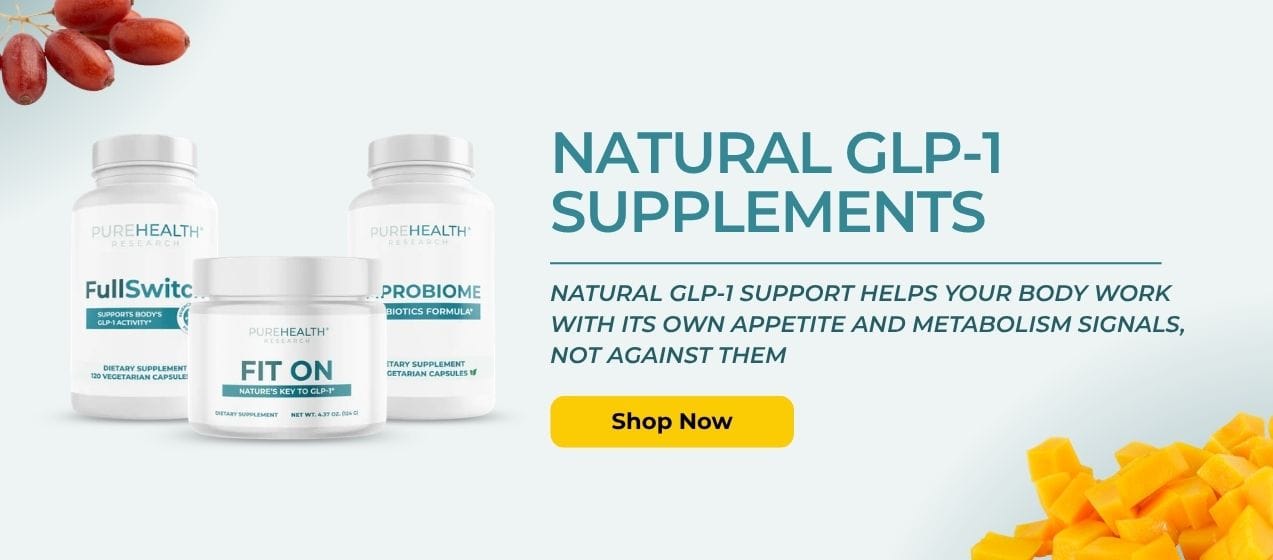
For readers who already have those basics in place and want an added layer of support, PureHealth Research’s natural GLP-1 supplements are designed to complement the same food-first, habit-first approach discussed throughout this article.
Where Supplements May Fit In
Ingredients like berberine and turmeric (curcumin) often come up in the context of appetite and metabolic support. According to published data, these compounds may have a modest influence on appetite-related pathways, though most of the available evidence comes from animal models and small human samples.
Results can vary widely, and the effects are far more subtle than what daily habits alone can deliver. For a closer look at what the current evidence says, our guide on natural alternatives to Ozempic covers this topic in more detail.
What to Avoid When Looking for Extra Support
Be cautious with any product framed as a direct replacement for lifestyle changes. Terms like “nature’s Ozempic” or promises of rapid results often lean on exaggerated comparisons rather than solid evidence. A supplement that may offer modest support is not the same thing as a well-rounded daily routine. Look for products with transparent ingredient sourcing and treat bold marketing claims with healthy skepticism.
A Simple 1-Day Routine to Support Natural GLP-1 Activity
Putting these strategies together in a single day makes them far easier to follow. The sample routine below focuses on rhythm and consistency rather than rigid rules. Adjust the timing to match your schedule.
| Time of Day | What to Do | Why It Supports the Goal |
| Morning | Start with a protein-rich breakfast (eggs, yogurt, or a smoothie with added protein) | May promote a stronger post-meal satisfaction response |
| Mid-morning | Take a 15–20 minute walk | Light movement may support appetite rhythm |
| Lunch | Build a balanced plate with vegetables, a protein source, and healthy fat | Mixed meals may sustain fullness longer |
| Afternoon | Manage stress with breathwork or a short break outdoors | May support steadier hormonal patterns |
| Evening | Eat dinner at least 2 hours before bed | Aligns eating with the body’s natural daily cycle |
| Night | Aim for 7–9 hours of consistent sleep | Supports overall appetite awareness and daily recovery |
GLP-1 Natural Alternatives
The most effective GLP-1 natural alternatives center on the lifestyle strategies covered throughout this article. Better meal structure, regular movement, quality sleep, and stress management form the core of any plan worth following. These aren’t quick swaps. They’re long-term habits that support the body’s own systems.
Supplements may add value on top of that foundation, but the greatest returns typically come from consistency with the basics. Our guide on how much weight you can lose on a GLP-1 explores how these approaches may relate to broader wellness goals. The most sustainable path forward combines multiple strategies working together over weeks and months rather than relying on any single change.
Conclusion
Learning how to naturally increase GLP-1 comes down to consistent daily habits rather than a single quick fix. Balanced meal structure, regular movement, quality sleep, and realistic routines are the most reliable tools available.
Supplements may offer additional support, but they work best alongside a solid foundation. Small changes maintained over weeks and months tend to deliver more lasting value than chasing trendy solutions. Start with one or two shifts, build from there, and let consistency do the work.
FAQs
Start with balanced meals that include protein, fiber, and healthy fat at every sitting. Pairing these nutrients together may promote a stronger fullness response than eating any one alone.
Skipping meals, poor sleep, chronic stress, and relying heavily on processed foods may all interfere with the body’s appetite-related signals. Consistency around basic routines matters most.
Most people need several weeks of consistent habits before noticing meaningful changes in appetite patterns. Results vary, and patience with the process is expected.
Yes. Moderate activity like brisk walking or strength training has been linked to improved appetite hormone responses. Consistency matters more than intensity for long-term support.
The core habits involved, balanced eating, regular movement, and quality sleep, are well-established wellness practices supported by decades of published data rather than short-lived trends.

Advertisement. This site offers health, wellness, fitness and nutritional information and is designed for educational purposes only. You should not rely on this information as a substitute for, nor does it replace, professional medical advice, diagnosis, or treatment. If you have any concerns or questions about your health, you should always consult with a physician or other health-care professional. Do not disregard, avoid or delay obtaining medical or health related advice from your health-care professional because of something you may have read on this site. The use of any information provided on this site is solely at your own risk.
Related Articles
GLP-1 and Inflammation: What Current Research Suggests
Written by Donatas Leikas | August 19, 2026

Does GLP-1 Increase Metabolism? What to Know
Written by Karolina Rutkute | March 25, 2026

How Much Weight Can I Lose on a GLP-1?
Written by Karolina Rutkute | March 20, 2026
Does GLP-1 Cause Muscle Loss?
Written by Karolina Rutkute | March 18, 2026
Does GLP-1 Help With Menopause Weight Gain?
Written by Gabriele Slimaite | March 16, 2026

Does GLP-1 Lower Blood Sugar?
Written by Gabriele Slimaite | March 13, 2026