Blood Sugar Formula Ingredients: Key Nutrients
Learn about Blood Sugar Formula ingredients and their science-backed benefits. Find out how key nutrients support your wellness.



 On This Page:
Understanding Blood Sugar Formula ingredients has become increasingly important for those seeking natural ways to support their metabolic wellness. Many people face daily challenges managing their energy levels and staying balanced throughout the day.
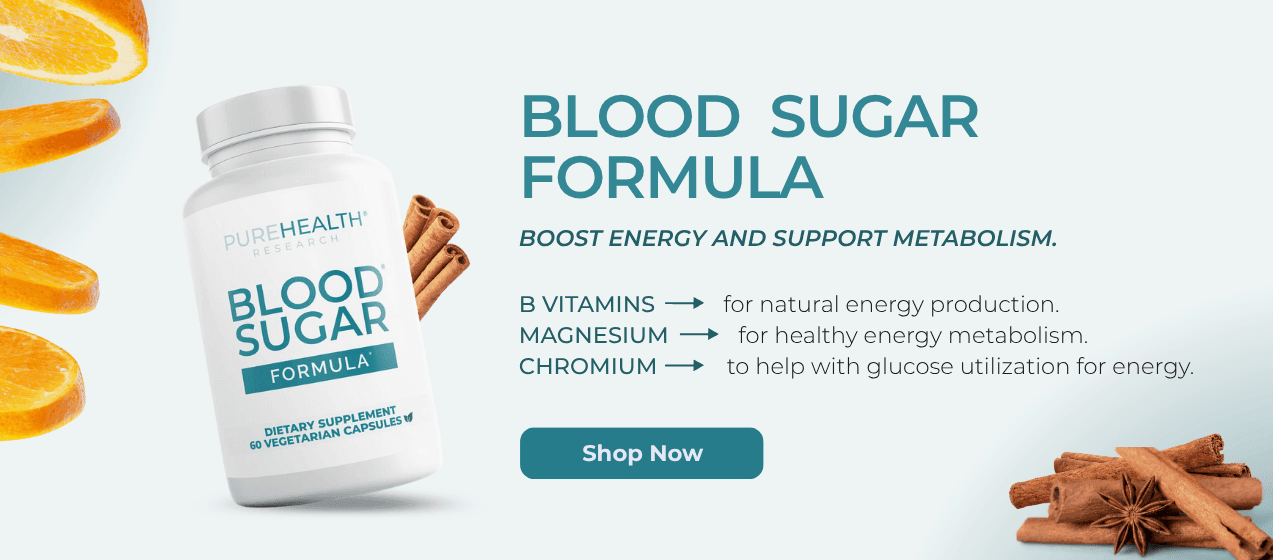
PureHealth Research’s Blood Sugar Formula offers a science-backed approach with carefully selected nutrients that work together to support glucose metabolism. Each ingredient serves a specific purpose in metabolic health and energy production.
Why Nutrients Matter for Blood Sugar Support
Vitamins and minerals help your body process food and convert it into usable energy. When certain nutrients fall short, metabolic processes may not function efficiently.
Modern diets often lack adequate amounts of specific micronutrients that play central roles in glucose regulation, which explains the growing interest in targeted supplementation. These nutrients work at the cellular level, assisting enzyme activity and energy production.
The Role of Micronutrients in Glucose Metabolism
Vitamins and minerals serve as cofactors in hundreds of biochemical reactions related to carbohydrate processing. They assist enzymes that break down glucose and help maintain the sensitivity of regulatory systems.
Research shows that deficiencies in key nutrients correlate with metabolic challenges. The Blood Sugar Formula addresses these nutritional gaps by delivering essential micronutrients in forms your body can absorb and use.
Blood Sugar Formula Ingredients and What’s Inside
PureHealth Research focuses on transparency and quality in every formulation. The ingredients in Blood Sugar Formula are selected based on scientific research and manufactured in FDA-registered, GMP-certified facilities.
Each batch undergoes rigorous testing to ensure purity, potency, and safety. The formula contains no GMOs, gluten, dairy, or soy. Below is a detailed look at the key nutrients that make this formula work.
Vitamin C
This water-soluble antioxidant does more than help with immune function. Vitamin C may help maintain healthy glucose levels by reducing oxidative stress that can interfere with normal metabolic processes.
Observational studies suggest that people with adequate vitamin C intake tend to have better glycemic balance compared to those with lower levels. The antioxidant properties of this vitamin protect cells from damage caused by free radicals, which are byproducts of energy metabolism. Vitamin C neutralizes these harmful molecules, potentially helping the body regulate glucose more efficiently.
Vitamin D3
Often called the “sunshine vitamin,” D3 plays a surprising role in metabolic wellness. This fat-soluble nutrient influences how cells respond to regulatory signals and may affect the sensitivity of cellular receptors.
Research indicates that adequate vitamin D status correlates with better metabolic outcomes. Many people have suboptimal levels, especially those with limited sun exposure, making supplementation a practical choice. Consider discussing your vitamin D levels with a healthcare provider to determine if additional nutritional help could benefit your metabolic health.
Vitamin E
As a potent fat-soluble antioxidant, vitamin E protects cell membranes from oxidative damage that can occur during normal metabolic processes. When your body processes glucose for energy, it generates reactive oxygen species that can harm cellular structures if left unchecked.
Vitamin E neutralizes these compounds, potentially helping cellular function remain healthy. Studies suggest this nutrient may help reduce markers of oxidative stress associated with metabolic fluctuations, though more research continues to explore its full range of benefits.
Biotin
This B-vitamin plays a direct role in converting food into cellular energy. Biotin serves as a cofactor for enzymes involved in carbohydrate metabolism, helping your body process glucose.
Research has shown that biotin supplementation may help maintain healthy glucose levels in people with metabolic concerns. It works by activating specific enzymes that regulate glucose production and use. The amounts used in the Blood Sugar Formula provide meaningful nutritional help without exceeding safe upper limits.
Magnesium
This mineral participates in over 300 enzymatic reactions throughout your body, many of which relate directly to glucose regulation. Magnesium helps activate enzymes that process carbohydrates and assists cellular transport systems.
Clinical data reveals that magnesium deficiency is surprisingly common among people with metabolic challenges. Supplementation may help fill this nutritional gap, helping improve metabolic function. Adequate magnesium also helps with energy production and muscle function.
Zinc
Your pancreas relies heavily on zinc to maintain its normal functions related to glucose balance. This essential mineral helps regulate how cells respond to natural metabolic signals and assists with proper carbohydrate processing.
Zinc also functions as an antioxidant, protecting tissues from oxidative stress. Many people don’t get enough zinc from diet alone, making supplementation a practical choice for metabolic health. The trace amounts in this formula provide meaningful benefits without risk of excessive intake.
Manganese
Though needed in small amounts, manganese serves critical functions in glucose metabolism. This trace mineral activates enzymes involved in gluconeogenesis, the process by which your body produces glucose from non-carbohydrate sources.
Manganese also helps with antioxidant defenses through its role in superoxide dismutase, an enzyme that neutralizes free radicals. Adequate manganese intake helps maintain normal carbohydrate metabolism and energy production throughout the day.
Chromium
Among PureHealth Research Blood Sugar Formula ingredients, chromium stands out as particularly well-researched. This essential trace mineral enhances how cells respond to regulatory signals, potentially improving glucose uptake and use.
Clinical studies demonstrate that chromium supplementation may help maintain healthy glucose levels and metabolic balance. It works by assisting the function of cellular receptors, allowing nutrients to enter cells more efficiently. The chromium in this formula is provided in a highly absorbable form.
How PureHealth Research Ensures Ingredient Quality
Every ingredient undergoes strict quality control measures from sourcing through final production. PureHealth Research partners with trusted suppliers who provide certificates of analysis for raw materials, verifying identity, purity, and potency.
Manufacturing takes place in FDA-registered facilities that follow Good Manufacturing Practices, ensuring consistent quality batch after batch. Third-party laboratories test finished products for contaminants, including heavy metals, microbes, and allergens.
This multi-layered approach to quality assurance means what’s on the label matches what’s in the bottle. The company’s commitment to non-GMO, natural ingredients reflects a philosophy that supplements should help with health without unnecessary additives or artificial components.
Daily Use Tips for Blood Sugar Formula
Taking the Blood Sugar Formula supplement works best as part of a comprehensive wellness approach. The recommended serving is two capsules daily, preferably taken with your first meal. This timing allows the nutrients to work throughout the day when your body processes food and manages energy.
Pair your supplementation with balanced nutrition that includes plenty of vegetables, quality proteins, and healthy fats while moderating refined carbohydrates. Regular physical activity, even just a daily walk, helps with healthy metabolism and complements the formula’s effects.
Adequate sleep is equally important since rest affects how your body processes nutrients and maintains balance. Stay well-hydrated throughout the day, as water plays a role in virtually every metabolic process. Consistency matters more than perfection when building healthy habits.
The formula’s non-GMO, gluten-free composition means it fits into various dietary approaches without conflicting with food sensitivities. Each bottle contains a 30-day supply, making it simple to stay consistent with your routine. Many users find that keeping the bottle visible near their breakfast area serves as a helpful reminder.
Track how you feel over the first few weeks as your body adjusts to the added nutritional help. The combination of 17 carefully selected ingredients provides comprehensive nutritional help that single-nutrient supplements cannot match, offering a practical approach to supporting your metabolic health goals.
Conclusion
Understanding the Blood Sugar Formula ingredients empowers you to make informed choices about your wellness. Each nutrient in PureHealth Research’s formula serves a specific purpose, from assisting enzyme activity to protecting cells from oxidative stress. The careful selection and quality testing of these ingredients reflect a commitment to science-based nutrition. Learn more about whether Blood Sugar Formula really works and get a deeper understanding of this approach to metabolic wellness.
Yes, all ingredients are selected for safety and tested for purity. They’re generally well-tolerated when taken as directed. Consult a healthcare provider if you have specific health concerns or take medications.
PureHealth Research uses 17 science-backed nutrients in bioavailable forms, manufactured in GMP-certified facilities. Third-party testing and non-GMO sourcing set this formula apart from many competitors in the market.
The formula is generally compatible with other supplements. However, review all your supplements with a healthcare provider to avoid excessive nutrient intake and ensure appropriate combinations for your needs.
No, the formula contains no stimulants, artificial colors, flavors, or preservatives. It’s made with natural, non-GMO ingredients and is free from gluten, dairy, and soy for broad dietary compatibility.
Sign up for our Healthy Living newsletter!



Advertisement. This site offers health, wellness, fitness and nutritional information and is designed for educational purposes only. You should not rely on this information as a substitute for, nor does it replace, professional medical advice, diagnosis, or treatment. If you have any concerns or questions about your health, you should always consult with a physician or other health-care professional. Do not disregard, avoid or delay obtaining medical or health related advice from your health-care professional because of something you may have read on this site. The use of any information provided on this site is solely at your own risk.
Related Articles
Does GLP-1 Lower Blood Sugar?
Written by Gabriele Slimaite | March 13, 2026

Does Blood Sugar Formula Really Work?
Written by Gabriele Slimaite | December 22, 2025

Blood Sugar Formula Side Effects: Tips for Safe Usage
Written by Gabriele Slimaite | December 8, 2025

Why Does My Blood Sugar Go Up When I Exercise?
Written by Gabriele Slimaite | September 26, 2025

Does Glucose Rise When Hungry?
Written by Gabriele Slimaite | July 29, 2025

Heart Awareness Month: Can Better Breathing Strengthen Your Heart?
Written by Gabriele Slimaite | January 31, 2025