What is Sunflower Lecithin? Benefits, Risks and Uses
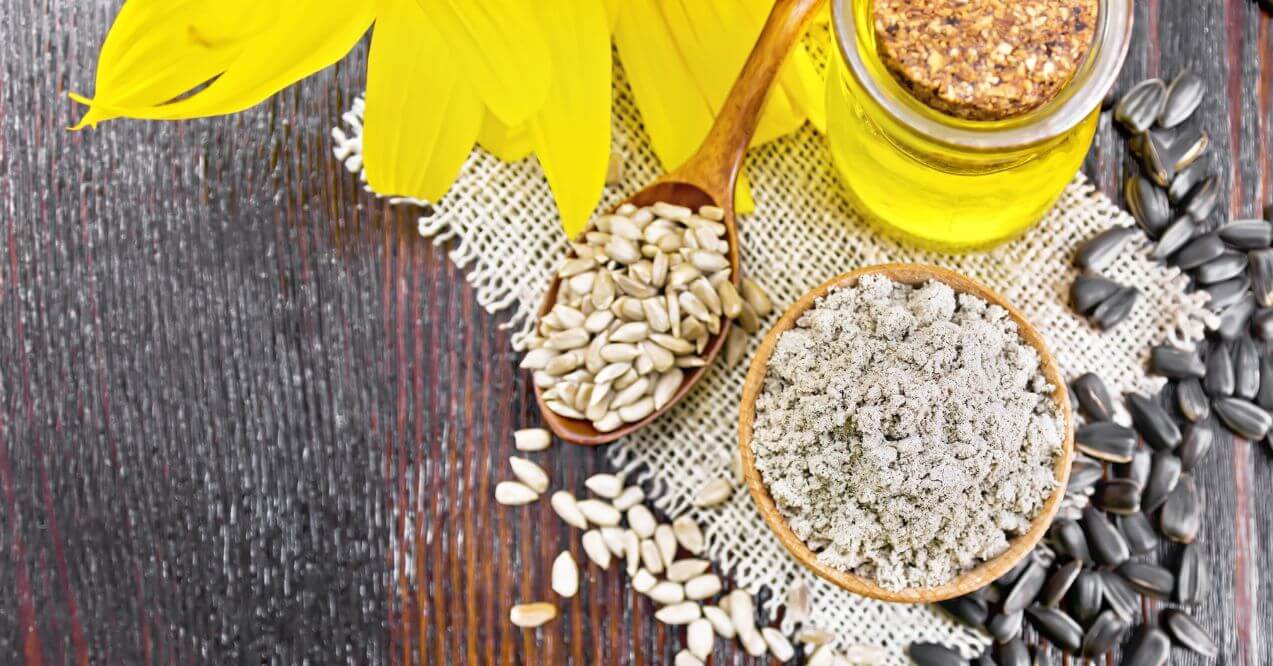
What is sunflower lecithin? Sunflower lecithin is a phospholipid-rich ingredient derived from sunflower seeds, commonly used as a natural emulsifier in foods and supplements. It also contains choline, an essential nutrient involved in several normal body functions. Its non-GMO sourcing and solvent-free extraction methods are often cited as distinctions from some soy-derived alternatives.


 On This Page:
Sunflower lecithin is a naturally derived phospholipid complex extracted from sunflower seeds, composed primarily of phosphatidylcholine, phosphatidylinositol, and phosphatidylethanolamine. These compounds play structural roles in cell membranes and are involved in normal lipid transport and digestive wellness. As interest in non-GMO and soy-free ingredients has grown, this emulsifier has moved from a niche food additive into broader use across supplements and skincare formulations.
Unlike some soy lecithin, which may be produced from genetically modified crops and can be a concern for people avoiding soy, the sunflower-derived version is often extracted through mechanical methods and valued for its naturally occurring phospholipid profile.
This article covers how sunflower lecithin is made, how it compares to related ingredients, what the current evidence suggests about its potential wellness applications, and what to know about safe use and appropriate dosage.
What is Sunflower Lecithin?
So, what sunflower lecithin is? In essence, it is a natural substance derived from sunflower seeds. It’s made up of phospholipids, which are essential fats that help maintain cell structure and function. But is sunflower lecithin a seed oil? Not quite – while it comes from seeds, it’s not an oil. Instead, it’s a fatty compound that acts as an emulsifier, meaning it helps oil and water mix smoothly.
This makes it a popular ingredient in food products like chocolate and salad dressings, as well as in health supplements. Sunflower lecithin stands out because it’s non-GMO and often preferred for its gentle extraction process.
How is Sunflower Lecithin Made?
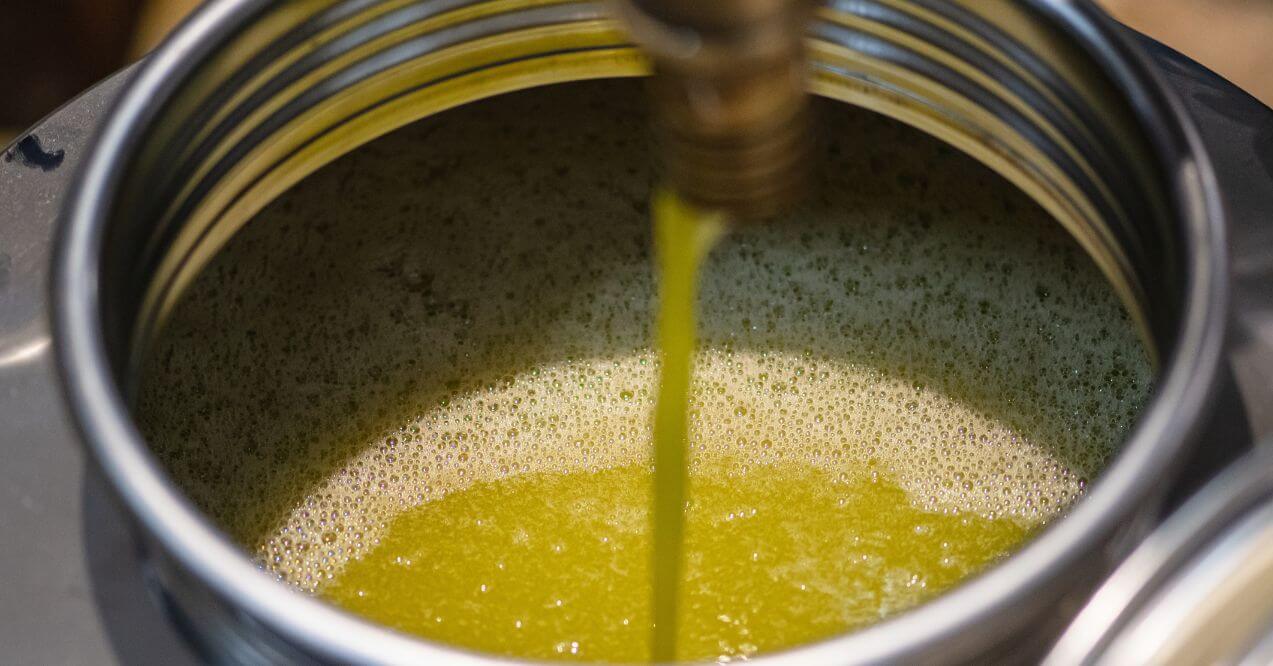
Sunflower lecithin comes from sunflower seeds through a few simple steps. One method, called cold-pressing, uses mechanical pressure to extract lecithin without chemicals. This keeps it natural and pure. Another method uses chemical extraction, where solvents help separate the lecithin from the seeds.
After extraction, the lecithin goes through degumming to remove impurities and refine the final product. This process ensures a smooth and concentrated result. The clean production methods make sunflower lecithin a popular choice for food, supplements, and skincare. It’s valued for its versatility and natural origins.
Sunflower Lecithin vs. Soy Lecithin
Sunflower lecithin and soy lecithin are two popular emulsifiers with distinct differences. The table below highlights how they compare:
| Type | Sunflower Lecithin | Soy Lecithin |
| Source | Extracted from sunflower seeds | Derived from soybeans |
| Allergen Concerns | Non-allergenic | Soy is a common allergen |
| Genetic Modification | Non-GMO by default | Often genetically modified |
| Health Benefits | May support similar functions but often better tolerated | Similar potential benefits |
| Taste/Flavor | Mild and neutral | Can have a stronger flavor |
Sunflower lecithin stands out for its non-GMO origin and suitability for those with soy allergies. It’s also gentler on the digestive system, making it a preferred choice for many. However, both types offer comparable benefits in promoting balance and versatility in food and supplements.
Sunflower Lecithin vs. Sunflower Oil
Both sunflower lecithin and sunflower oil come from sunflower seeds, but they’re quite different in composition and purpose. Is sunflower lecithin the same as sunflower oil? Not at all – here’s a quick comparison:
| Type | Sunflower Lecithin | Sunflower Oil |
| Composition | Primarily phospholipids | Primarily triglycerides (fats) |
| Function | Acts as an emulsifier | Used for cooking or as a carrier oil |
| Health Benefits | Contains choline, which may support cellular health | Source of vitamin E, known for skin benefits |
| Uses | Common in food, supplements, and skincare products | Popular in frying, baking, and cosmetic formulations |
Sunflower lecithin works to blend ingredients like oil and water and offers potential health benefits due to its choline content. Sunflower oil, on the other hand, is prized for its role in cooking and skin care, thanks to its vitamin E content and moisturizing properties. While they share a common origin, their uses and benefits are unique.
Sunflower Lecithin Benefits (Potential)
Sunflower lecithin offers several potential health benefits, though much of the evidence is anecdotal. As with any supplement, it’s essential to approach claims cautiously and consult a professional if needed. So, what is sunflower lecithin used for?
1. May Support Heart Health

Sunflower lecithin may help maintain heart health by influencing cholesterol levels. The phospholipids in lecithin assist in transporting cholesterol, which could help balance levels of LDL (bad cholesterol) and HDL (good cholesterol). Studies suggest that incorporating lecithin into your routine may promote better lipid profiles, although more research is needed.
For those looking to take a broader approach to cardiovascular and circulatory wellness alongside their dietary choices, the circulation health supplements collection at PureHealth Research brings together formulas developed with circulatory support in mind.
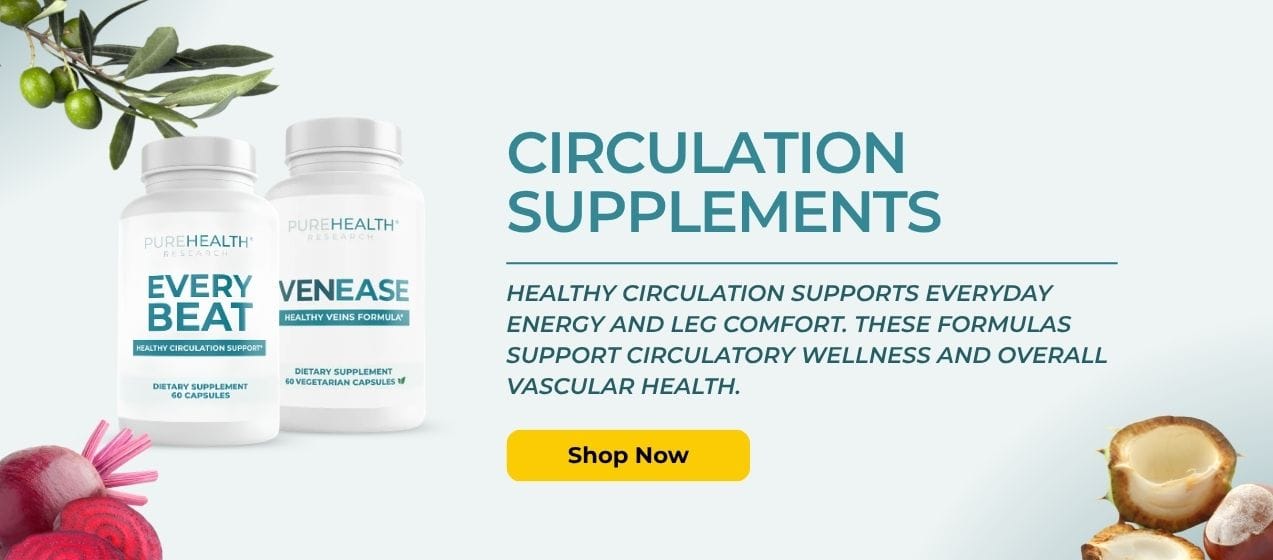
The collection features products with evidence-informed ingredients studied for their role in supporting healthy circulation and overall cardiovascular wellness. VenEase and Blood Pressure Formula are two standout options, each drawing on botanicals and nutrients commonly used in circulatory wellness formulations, including horse chestnut, nattokinase, and hawthorn berry.
Additional formulas in the collection address complementary areas such as nitric oxide support and circulatory wellness, giving you a broader range of options to explore. Each product is developed with input from licensed health professionals and manufactured to high quality standards, making it a practical starting point for building a more complete circulatory wellness routine.
2. May Improve Cognitive Function
Sunflower lecithin might support brain health due to its high choline content. Choline helps produce acetylcholine, a neurotransmitter vital for memory, learning, and focus. By supporting acetylcholine production, sunflower lecithin may improve memory and cognitive function. While more research is needed, studies suggest choline could play a role in maintaining brain performance as we age.
3. May Benefit Skin Health

Sunflower lecithin’s emulsifying properties can help keep your skin hydrated and healthy. It supports the skin’s barrier by retaining moisture, which may improve elasticity and reduce dryness. Some evidence suggests it may also help with eczema and dermatitis, reducing irritation and promoting smoother skin. Many skincare products include sunflower lecithin for its gentle and moisturizing benefits.
4. May Aid Digestion
Sunflower lecithin may help digestion by supporting gut health and improving nutrient absorption. Its phospholipids strengthen the intestinal lining, which helps the gut work properly. This may reduce digestive discomfort and promote better overall digestion. For those looking to maintain a healthy gut, sunflower lecithin offers a natural and gentle option.
5. May Help with Breastfeeding

Many breastfeeding mothers use sunflower lecithin to prevent clogged milk ducts. Its emulsifying properties may thin breast milk, making it flow more easily and reducing blockages. While most evidence is anecdotal, it is a popular choice for nursing mothers. Experts often suggest sunflower lecithin as a safe and simple way to support smoother breastfeeding.
6. May Reduce Fatigue
Sunflower lecithin might reduce fatigue by improving nerve function and energy production. Its choline content supports the production of acetylcholine, which helps with nerve signaling and muscle activity. For those wondering, is sunflower lecithin bad for you? When used in moderation and as directed, it is generally considered safe and may offer benefits like reduced fatigue without major concerns.
Remember, before adding sunflower lecithin supplements to your routine, speak with a healthcare provider – especially if you are pregnant, breastfeeding, or dealing with existing health conditions – to ensure they’re suitable for your personal circumstances and won’t interfere with other treatments or current medications.
Sunflower Lecithin Uses
Sunflower lecithin is widely used in food, skincare, and health supplements thanks to its versatile properties:
- Food Additive – Sunflower lecithin acts as an emulsifier and stabilizer in foods like chocolate, margarine, and baked goods. It helps oil and water blend, improving texture, consistency, and shelf life in these products.
- Cosmetics and Skincare – It’s a common ingredient in moisturizing creams, lotions, and serums. Sunflower lecithin enhances the absorption of other active ingredients while improving the texture and feel of skincare products.
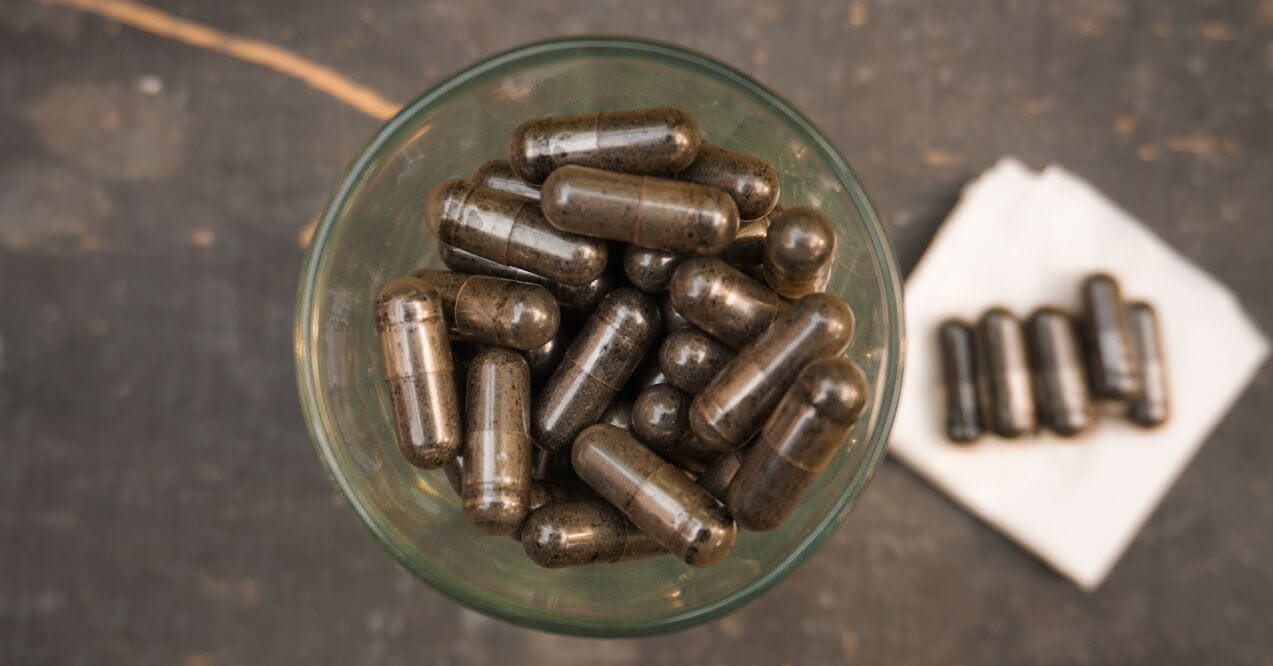
- Supplements – Many people take sunflower lecithin supplements for potential cognitive, heart, or skin health benefits. Available in various forms – granules, powders, capsules, and liquids – it offers flexible options to fit different preferences and lifestyles.
How to Take Sunflower Lecithin
Sunflower lecithin supplements come in various forms, making it easy to find one that suits your needs. The right dosage depends on individual health goals, but it should never exceed 5000 mg per day.
Here’s a quick guide to the different forms of sunflower lecithin and how to use them:
| Form | Features | Best For |
| Capsules | Pre-measured, convenient, tasteless | On-the-go use or daily supplementation |
| Powder | Versatile, can mix into food/drinks | Adding to smoothies, shakes, or recipes |
| Granules | Slightly crunchy, neutral flavor | Sprinkling on cereal, yogurt, or salads |
| Liquid | Easy to mix, highly absorbable | Incorporating into beverages or baked goods |
Choosing the right form depends on your lifestyle and how you prefer to take supplements. For convenience, capsules are great, while powders and liquids are better for adding to foods or drinks. Always start with a lower dose to see how your body responds.
Risks and Side Effects of Sunflower Lecithin

While sunflower lecithin is generally safe, some risks should be noted:
- Allergic Reactions – Though rare, individuals with sunflower allergies may experience reactions like itching or swelling.
- Digestive Issues – High doses might lead to nausea, diarrhea, or stomach discomfort. Starting with a low dose can help minimize these effects.
- Medication Interactions – If you take medications, consult your doctor before using sunflower lecithin, as it may interact with certain prescriptions.
For those wondering, is sunflower lecithin inflammatory, it’s not typically linked to inflammation. However, it’s essential to monitor your body’s response and speak with a healthcare provider if you have concerns.
Conclusion
Understanding what is sunflower lecithin can help you see its potential as a versatile, natural ingredient. From supporting cognitive function and heart health to aiding digestion and skincare, sunflower lecithin offers numerous benefits. It’s also a popular alternative to soy lecithin, particularly for those avoiding allergens or GMOs. Whether used in food, cosmetics, or supplements, it’s a valuable addition to many routines. However, before taking sunflower lecithin as a supplement, consult with a healthcare provider to ensure it’s the right choice for your needs.
No, sunflower lecithin does not contain lectins. It is derived from sunflower seeds and consists mainly of phospholipids, making it free from lectins commonly found in other plant-based foods.
Sunflower lecithin is generally considered safe during pregnancy, especially for preventing clogged milk ducts. However, pregnant women should always consult a healthcare provider before taking it to ensure it aligns with their specific needs.
Yes, sunflower lecithin is typically non-GMO. Unlike soy lecithin, which often comes from genetically modified crops, sunflower lecithin is naturally sourced and does not involve genetic modification in its production.

Advertisement. This site offers health, wellness, fitness and nutritional information and is designed for educational purposes only. You should not rely on this information as a substitute for, nor does it replace, professional medical advice, diagnosis, or treatment. If you have any concerns or questions about your health, you should always consult with a physician or other health-care professional. Do not disregard, avoid or delay obtaining medical or health related advice from your health-care professional because of something you may have read on this site. The use of any information provided on this site is solely at your own risk.
Related Articles
Your Ultimate Guide to Soil-Based Probiotics
Written by Donatas Leikas | August 12, 2026
Is Irish Moss the Same as Sea Moss?
Written by Donatas Leikas | May 20, 2026
Blue Lotus Tea: Why Is It So Popular?
Written by Donatas Leikas | May 17, 2026
6 Best Vitamins for Muscle Fatigue
Written by Donatas Leikas | May 14, 2026

What Is the Healthiest Cereal? Ranking Best to Worst
Written by Donatas Leikas | May 13, 2026
What Does a Dehydration Headache Feel Like?
Written by Donatas Leikas | May 3, 2026