Why Do My Legs Feel Heavy and Weak All the Time?
Find out what makes legs feel heavy and weak. From varicose veins to PAD, learn causes, warning signs, and effective solutions.


 On This Page:
If you’ve found yourself asking “why do my legs feel heavy and weak all the time?” you’re far from alone. This sensation affects millions of people, often disrupting daily activities and diminishing quality of life. The feeling can range from mild fatigue after standing to persistent heaviness that makes even simple movements feel exhausting.
This article explores what creates this uncomfortable sensation, examines both lifestyle and physiological causes, clarifies when the symptom warrants professional evaluation, and offers practical habits that may support leg comfort and strength.
What does it mean when your legs feel heavy and weak?
When people describe their legs as feeling heavy, they’re typically experiencing a weighted, dragging sensation that makes movement feel labored.
This differs slightly from weakness, which involves an actual reduction in muscle strength or the ability to generate force. However, these two sensations frequently occur together because many underlying causes affect both muscle function and the nerves that control movement.
The feeling of heavy legs often manifests as a subtle dragging quality, as though you’re walking through water or carrying extra weight on each limb. Some describe it as legs that feel “full” or “tight,” especially after periods of standing or sitting.
Weakness might show up as difficulty climbing stairs, a wobbling sensation when standing, or legs that feel unstable during normal activities. These sensations can intensify as the day progresses, particularly if circulation becomes more compromised with prolonged positioning.
What causes your legs to feel heavy?
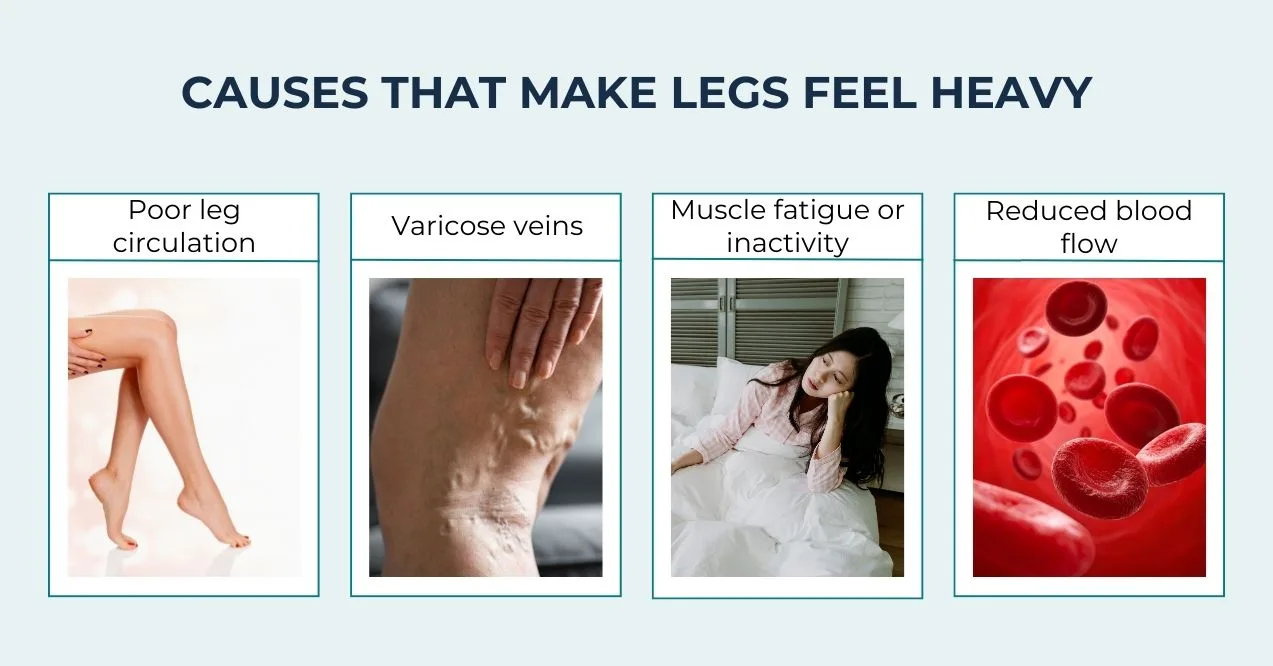
The causes of heavy legs span from temporary lifestyle factors to persistent physiological conditions. Each cause creates heaviness through different mechanisms, though many share a common thread involving how blood moves through the legs.
Circulation and vein-related causes
Your leg veins contain one-way valves that work against gravity to push blood back toward the heart. When these valves weaken or become damaged, a condition called venous insufficiency develops. Blood begins flowing backward and pooling in the lower legs, creating increased pressure within the veins. This pooling leads to the characteristic sensation of heaviness, achiness, and fatigue.
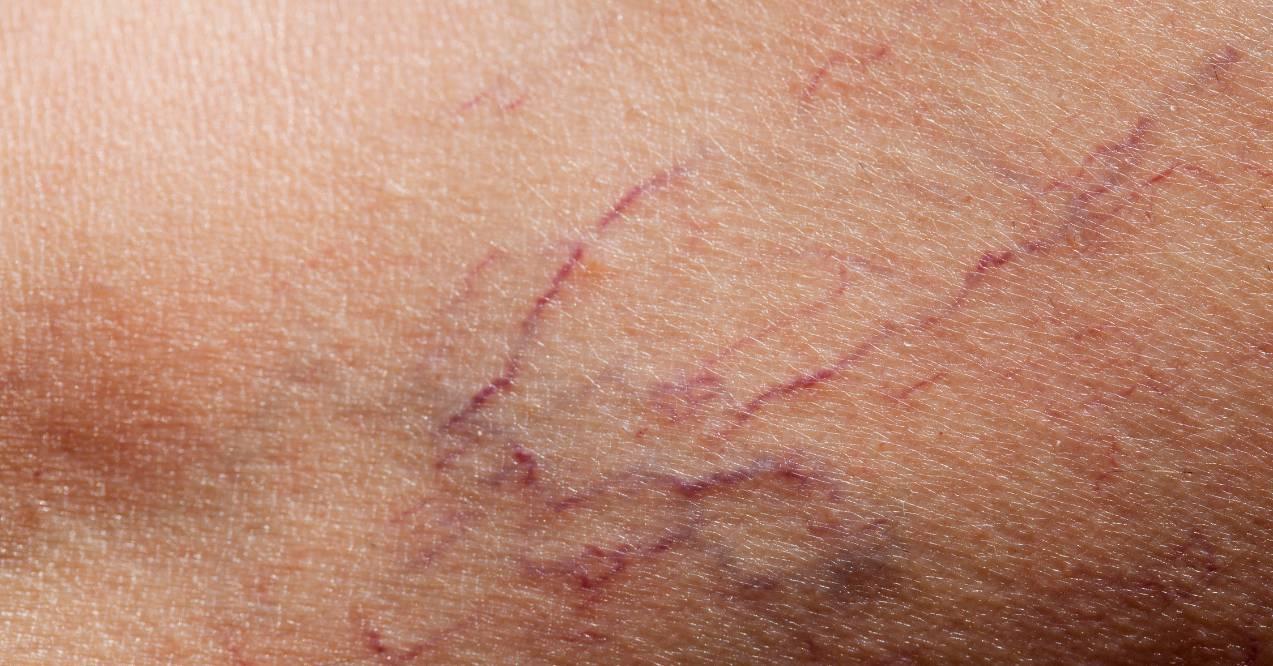
Varicose veins represent a visible sign of this valve dysfunction. These enlarged, twisted veins appear when blood accumulates in vessels that can no longer efficiently return it upward. The excess volume creates not only cosmetic changes but also physical discomfort, including the legs heavy and weak sensation many experience. Studies indicate that venous conditions affect a substantial portion of the adult population, with prevalence increasing with certain lifestyle factors.
Vascular and arterial causes
While vein issues involve blood struggling to return from the legs, arterial problems stem from insufficient blood reaching leg tissues in the first place. Peripheral artery narrowing occurs when deposits accumulate on artery walls, reducing the channel through which oxygen-rich blood flows.
Legs deprived of adequate oxygen and nutrients become fatigued quickly. You might notice heaviness or cramping during walking that improves with rest. The muscles simply aren’t receiving the fuel they need to function comfortably. This creates what some describe as a “tired” or “dead” feeling in the legs, particularly during activity when muscle oxygen demands increase.
Muscle fatigue, overuse or inactivity
Muscles respond poorly to extremes. Excessive exercise without adequate recovery leaves muscle fibers damaged and inflammatory compounds accumulating. The result can be legs that feel leaden and exhausted. Athletes who train intensely without rest days often report this heavy leg syndrome, particularly in the days following hard workouts.
Conversely, prolonged sitting or standing creates its own problems. Extended periods without movement allow blood to pool in leg veins while muscles remain inactive. The calf muscles, which normally contract to pump blood upward with each step, stay idle. This combination of venous pooling and muscle stagnation can make legs feel heavy even without significant exertion.
Nerve or spine-related causes
The spinal canal houses nerves that control leg sensation and movement. When this canal narrows through age-related changes, structural shifts, or other factors, the compressed nerves may produce symptoms in the legs despite the problem originating in the back.
This compression can create heaviness, numbness, or weakness that worsens with walking and improves with sitting or leaning forward. The narrowing may develop gradually, making symptoms subtle at first. People often describe their legs as feeling “wooden” or “thick” when nerve involvement contributes to the sensation.
Other contributing factors
Several lifestyle and temporary factors can intensify the feeling of heavy legs:
- Prolonged positioning: Standing or sitting without movement for extended periods impairs venous return and creates fluid accumulation in the lower legs
- Pregnancy: Hormonal shifts, increased blood volume, and pressure from the growing uterus can all contribute to leg heaviness and visible vein changes
- Fluid retention: Excess salt intake, hormonal fluctuations, or certain health conditions may cause swelling that adds to the weighted sensation
- Dehydration: Insufficient fluid intake can affect blood viscosity and muscle function, potentially contributing to feelings of fatigue
- Smoking: Compounds in tobacco may compromise circulation and contribute to both arterial and venous dysfunction over time
When is the sensation of heavy or weak legs a sign to get help?
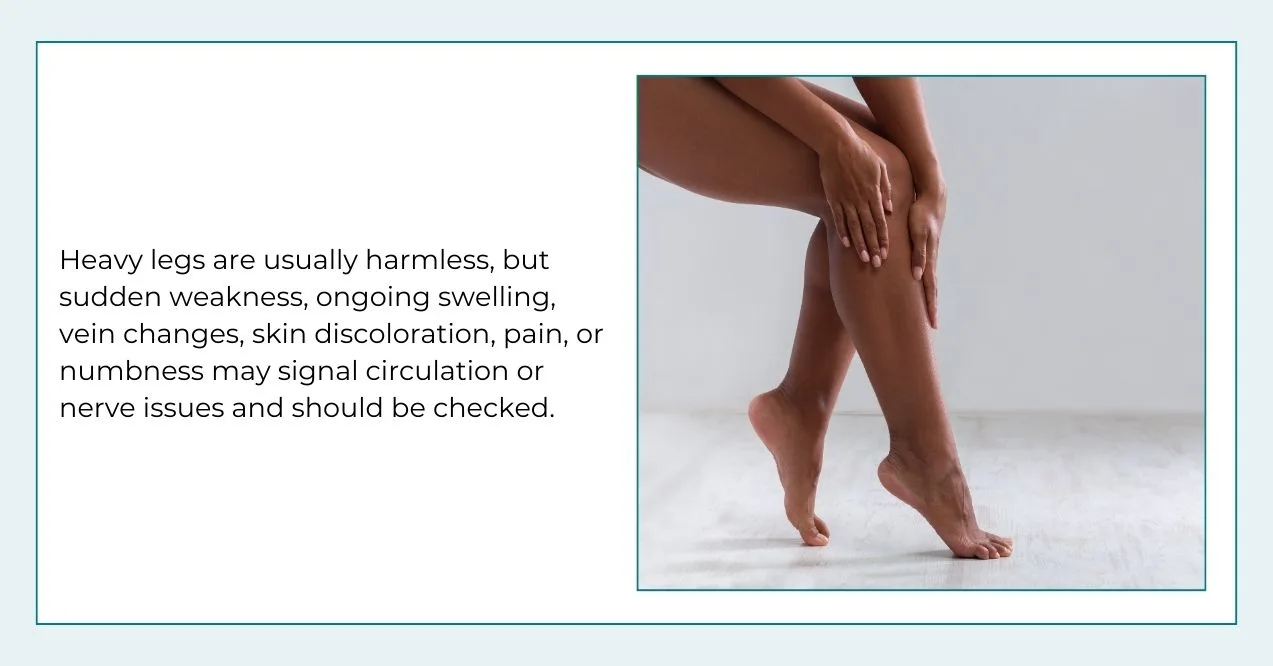
Occasional leg heaviness after a long day standing rarely signals concern. However, certain patterns and accompanying symptoms suggest the need for professional evaluation to identify potential underlying causes.
Symptoms that merit assessment
Several red flags indicate that leg heaviness or weakness warrants further investigation:
- Sudden onset weakness or difficulty walking that wasn’t present before
- Visible vein changes, including bulging or discolored vessels that develop or worsen
- Persistent swelling in one or both legs, particularly if it doesn’t improve with elevation
- Skin changes such as discoloration, texture differences, or sores that heal slowly
- Pain that occurs even at rest or disrupts sleep
- Leg cramping that becomes frequent or severe
- Numbness, tingling, or altered sensation accompanying the heaviness
The combination of symptoms matters as much as individual signs. Heaviness accompanied by visible swelling and skin changes suggests different underlying causes than heaviness with cramping during activity.
What your healthcare provider may explore
A thorough evaluation might include reviewing your activity patterns, examining your legs for visible vein changes or swelling, and assessing circulation through various approaches. This could involve checking pulses in your feet, evaluating how blood flows through vessels, or examining nerve function through simple movement tests.
Some assessments focus on vascular health, while others may explore nerve or spine involvement if symptoms suggest compression. Your daily habits, family background, and any other symptoms you’ve experienced all contribute valuable information that helps identify patterns and potential causes of heavy legs.
Lifestyle habits for leg comfort and strength
While persistent symptoms require professional evaluation, several daily practices may help maintain leg comfort and reduce the feeling of heaviness.
Movement and posture strategies
Regular movement throughout the day helps maintain healthy blood flow. Standing up to walk briefly every 30-60 minutes keeps calf muscles engaged and encourages venous return. Simple ankle circles or calf raises while sitting can also activate the muscle pump that pushes blood upward.
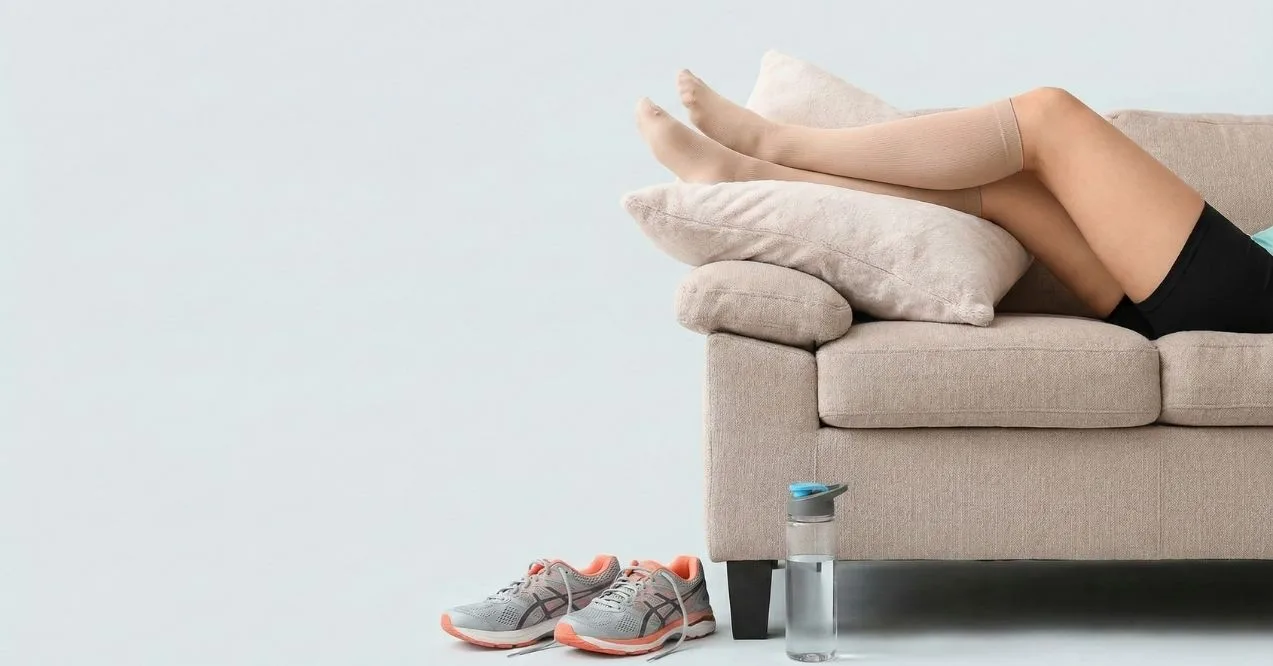
When possible, elevating your legs above heart level for 15-20 minutes allows gravity to assist blood return. This practice may help reduce the pooling that contributes to heaviness. Learn more about elevation techniques and how positioning affects circulation. Walking remains one of the most accessible activities for leg health. The rhythmic contraction and relaxation of calf muscles with each step naturally encourages blood flow without requiring intense exertion.
Nutrition and hydration for circulation
Proper hydration maintains healthy blood viscosity and helps the fluid balance that affects leg swelling. Adequate water intake throughout the day helps your cardiovascular system function efficiently.
Certain nutrients play roles in vascular health and muscle function. Vitamins that help blood flow include those involved in vessel wall integrity and circulation. Similarly, nutrients that may help reduce leg fatigue work with the metabolic processes muscles need for comfortable function.
Supporting Vein Health Through Targeted Nutrition
Maintaining healthy veins requires more than general wellness habits. Specific compounds may help the structural integrity of vein walls and encourage healthy circulation in the legs. Vein health supplements formulated with research-backed ingredients offer a concentrated approach to nutritional help.

Quality formulations typically combine multiple complementary compounds. Horse chestnut seed extract has been studied for its potential to help vein wall tone and reduce fluid accumulation. Diosmin and hesperidin, citrus-derived flavonoids, may encourage healthy microcirculation and vessel integrity. These compounds work alongside the body’s natural processes rather than forcing changes.
When selecting supplements, look for products that use standardized extracts with consistent compound levels. Third-party testing ensures purity and potency. The most effective formulations combine vascular help with anti-inflammatory compounds that address the multiple factors contributing to leg discomfort. Consistency matters more than high doses, as these nutrients work gradually for long-term vein health rather than producing immediate dramatic changes.
Footwear, compression and moderation
Shoes with adequate arch stability may help reduce leg fatigue during standing and walking. Avoid footwear that restricts circulation or forces awkward postures that strain leg muscles.
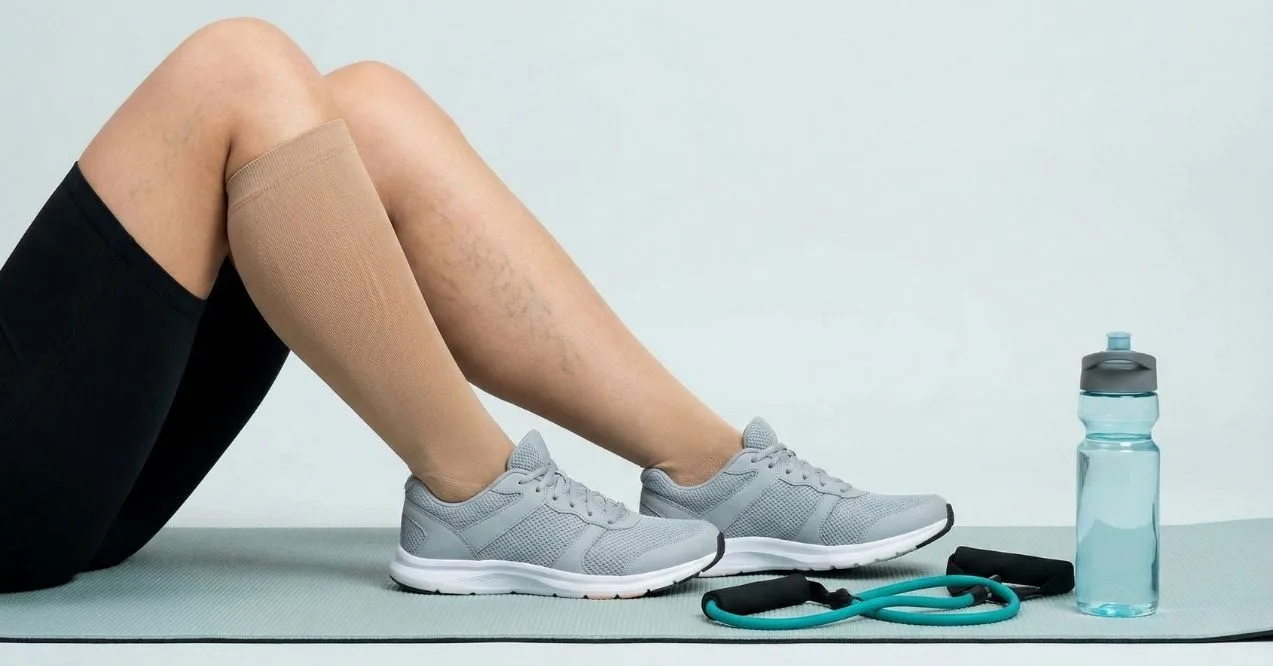
Graduated compression garments apply gentle pressure that’s strongest at the ankle and gradually decreases up the leg. This pressure gradient may help encourage blood flow upward and reduce pooling in the lower legs. Many find compression helpful during long periods of standing or travel.
Balancing activity remains important. If you exercise intensely, adequate rest days allow muscle recovery and prevent the accumulated fatigue that creates heavy leg syndrome. Conversely, if you’re mostly sedentary, gradually increasing daily movement may help both circulation and muscle function without overwhelming your system.
Conclusion
The sensation of heavy, weak legs often signals that circulation, muscle function, or nerve signaling isn’t working as it should. While temporary heaviness after prolonged standing or intense activity is common, persistent symptoms deserve attention. Simple daily practices like regular movement, leg elevation, and addressing general body heaviness may help many people maintain leg function. However, worsening symptoms, visible changes, or new weakness warrant professional evaluation to identify specific causes and appropriate approaches.
Multiple factors can create this sensation, including vein valve dysfunction that causes blood pooling, reduced arterial flow limiting oxygen delivery, muscle fatigue from overuse or inactivity, and nerve compression affecting leg signals.
Heavy leg syndrome describes persistent sensations of weighted, tired, or dragging legs. It commonly results from venous insufficiency where weakened valves allow blood to pool, creating pressure, discomfort, and the characteristic heavy feeling.
Prolonged sitting allows blood to pool in leg veins while inactive calf muscles fail to pump blood upward. This combination creates fluid accumulation and reduced circulation, leading to heaviness that often improves with movement and elevation.
Sign up for our Healthy Living newsletter!



Advertisement. This site offers health, wellness, fitness and nutritional information and is designed for educational purposes only. You should not rely on this information as a substitute for, nor does it replace, professional medical advice, diagnosis, or treatment. If you have any concerns or questions about your health, you should always consult with a physician or other health-care professional. Do not disregard, avoid or delay obtaining medical or health related advice from your health-care professional because of something you may have read on this site. The use of any information provided on this site is solely at your own risk.
Related Articles
How to Avoid Getting Spider Veins
Written by Donatas Leikas | January 5, 2026
Can Varicose Veins Disappear With Exercise?
Written by Donatas Leikas | December 29, 2025
Spider Veins on Ankles: Causes, Prevention & Solutions
Written by Donatas Leikas | October 23, 2024

How to Cover Spider Veins on Legs? 4 Best Tips
Written by Donatas Leikas | August 22, 2024

Do Spider Veins Itch? Everything You Need to Know
Written by Donatas Leikas | July 16, 2024
Spider Veins on Face? Common Causes and Treatments
Written by Donatas Leikas | March 22, 2024