9 Best Teas for Lymphatic Drainage
Detox naturally with best teas for lymphatic drainage that support circulation, reduce swelling, and keep your lymph system flowing


 On This Page:
The most widely recommended teas for lymphatic drainage include dandelion, cleavers, ginger, calendula, nettle, and red clover. These herbal teas for lymphatic drainage may support fluid balance, promote circulation, and contribute to the body’s natural filtration activity when consumed consistently as part of a broader wellness routine.
The lymphatic system filters excess fluid, supports immune activity, and transports cellular waste toward elimination. Unlike the cardiovascular system, it has no dedicated pump. It relies on movement, hydration, and overall dietary patterns to keep fluid flowing properly.
When that flow slows, the effects can be subtle: mild puffiness, a sense of heaviness, or slower recovery after exertion. Certain herbal teas may help support the system’s natural activity as part of a broader approach to supporting your lymphatic wellness, and the right choice depends on the specific type of support you need.
How Herbal Teas May Support the Lymphatic System
Herbal teas for lymphatic drainage may work through one of three general pathways: supporting fluid balance through mild diuretic activity, promoting circulation to facilitate lymph movement, or moderating the body’s inflammatory response, which may influence lymphatic flow when chronically elevated.
Digestive wellness and lymphatic wellness are often discussed together in traditional herbal practice. Gut-associated lymphatic tissue (GALT) represents a significant concentration of lymphatic tissue in the body, and herbs traditionally used for digestive wellness are sometimes included in broader lymphatic wellness routines. This is reflected in the traditional use of ginger in lymphatic wellness protocols, though direct clinical evidence connecting specific digestive herbs to lymphatic outcomes remains limited.
Tea works alongside hydration, regular movement, and a nutrient-dense diet. It also works best when dietary patterns that may not support fluid balance are already being addressed, since what you eat regularly may influence how efficiently lymph moves.
What are The 9 Best Teas for Lymphatic Drainage?
Each of the teas below offers a distinct profile. Many of these plants also appear in broader herbal protocols for lymphatic health beyond tea form. Evidence varies from traditional use to preliminary laboratory and human data, and where clinical research is limited, that is noted.
1. Red Root Tea
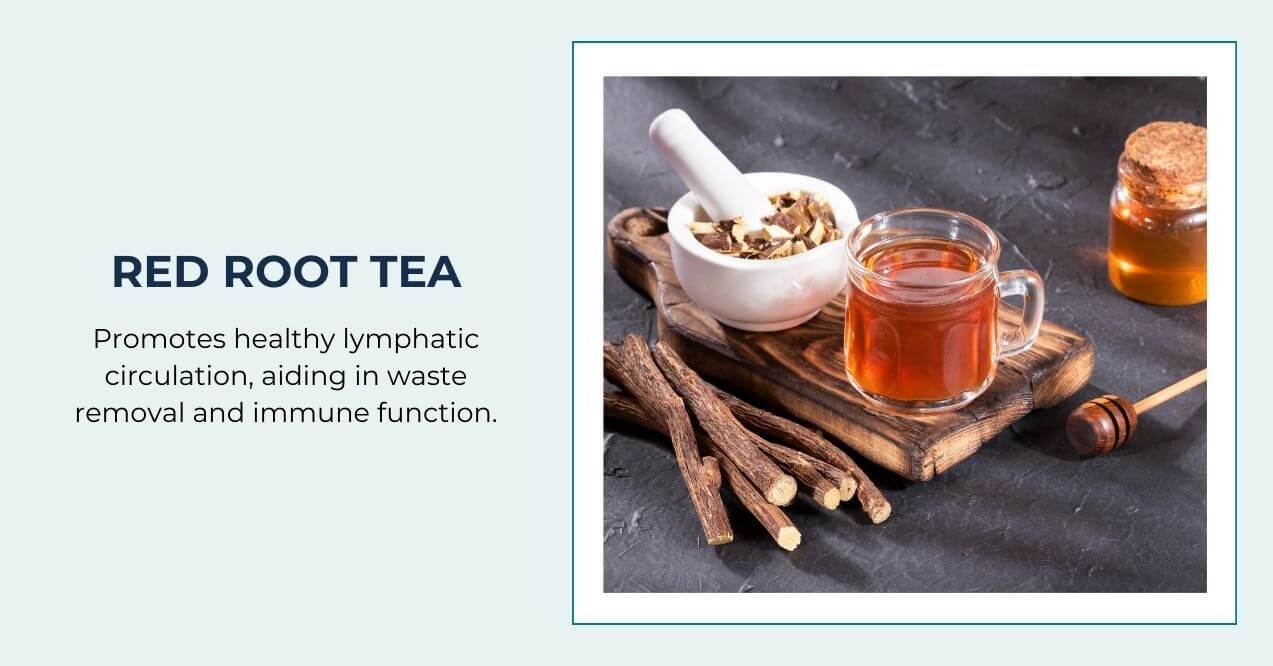
Red root (Ceanothus americanus) is traditionally valued in Native American herbalism as a wellness herb used in broader lymphatic support routines. Preliminary phytochemical research on its compounds is early-stage, and robust clinical trials in humans remain limited.
It is best approached as a traditional-use herb with a developing evidence base. Steep for 10–15 minutes at 200°F and consume 1–2 cups daily.
2. Cleavers Tea
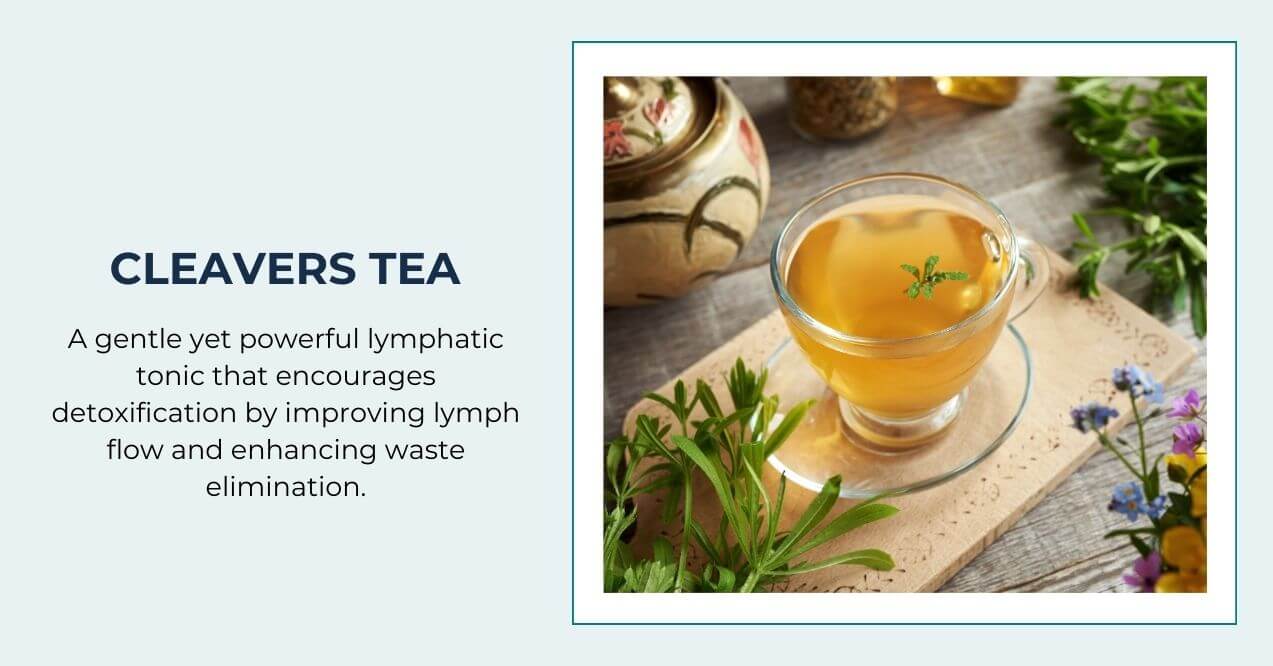
Cleavers (Galium aparine) is traditionally classified as a lymphatic tonic herb in Western botanical practice. It is often included in herbal wellness routines focused on fluid balance and general lymphatic support. Its gentle profile makes it suitable for daily, long-term use. Steep for 5–7 minutes at 190°F. Cleavers pairs well with dandelion as a combined fluid balance option.
3. Dandelion Tea
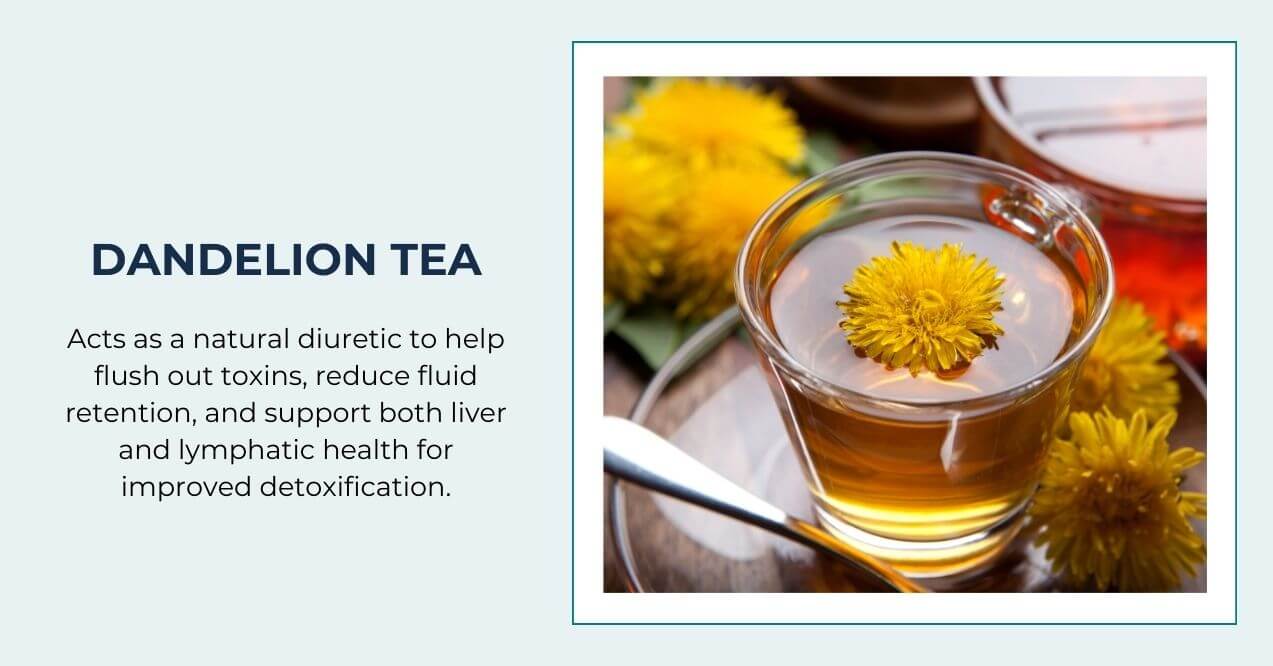
Dandelion is among the more studied herbs in this category for fluid balance. Published review data indicates diuretic activity, with research noting its potassium content alongside fluid-elimination effects.
Both the leaf and root are used: the leaf supports fluid elimination, while the root is associated with liver wellness in traditional use. Up to 3 cups daily is common, particularly after high-sodium meals.
4. Ginger Tea
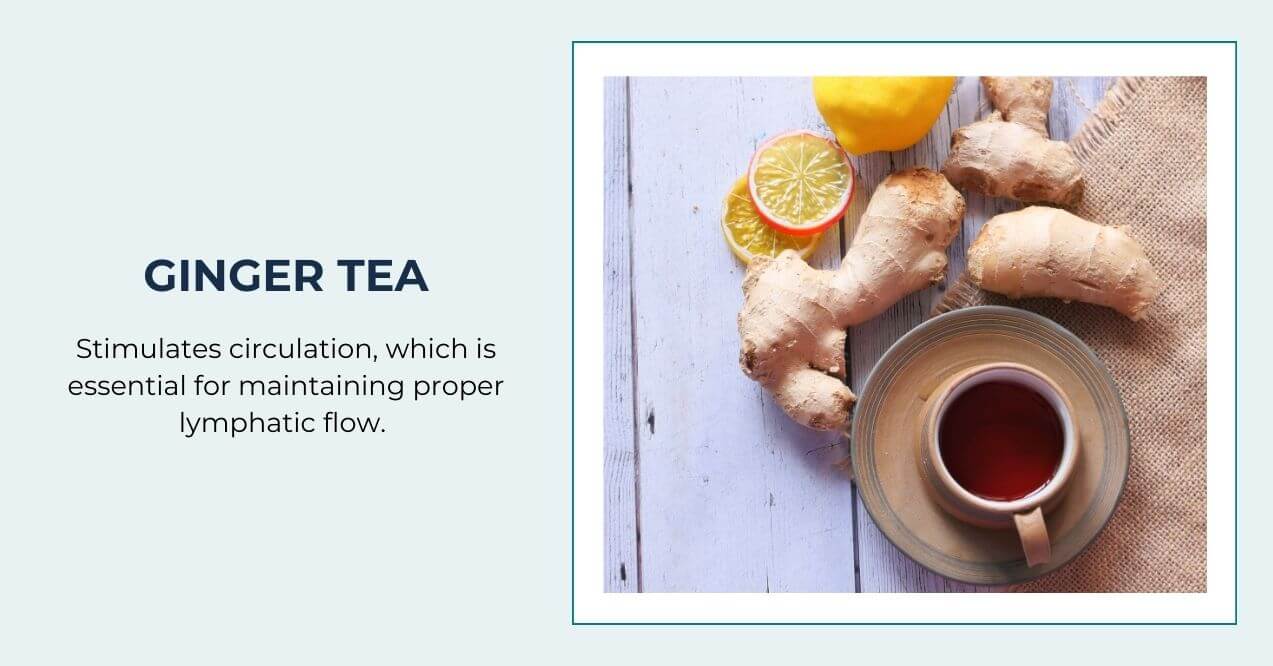
Ginger has a long history of traditional use for circulation and general wellness. Its active compound, gingerol, has been the subject of published research on anti-inflammatory activity and circulatory effects.
As a tea, ginger may offer indirect support to lymphatic activity through these general mechanisms. Steep fresh or dried ginger for 10–15 minutes at 208°F. One to two cups daily is a reasonable starting point.
5. Green Tea
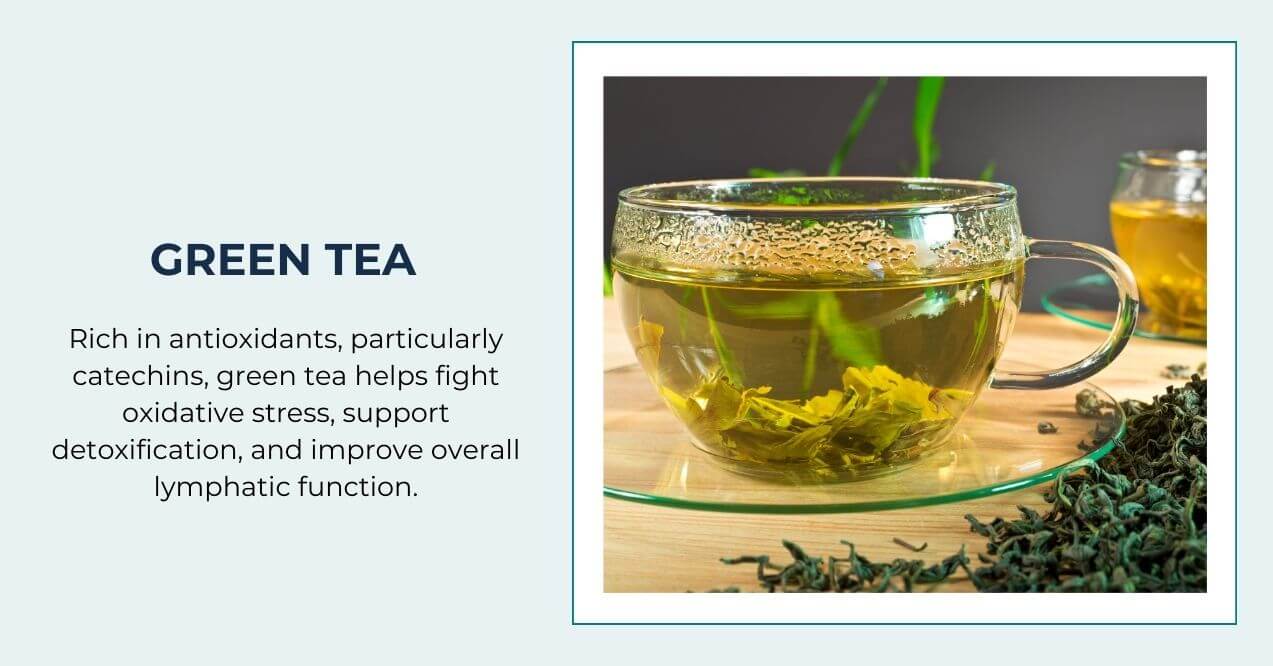
Green tea contains a well-researched class of antioxidants called catechins, particularly EGCG (epigallocatechin gallate). Literature reviews suggest these compounds may help moderate localized inflammation and support vascular wellness.
Whether these effects translate specifically to lymphatic vessels has not been established in clinical trials; the connection is preliminary and largely theoretical at this stage. Green tea contains caffeine, so those sensitive to it may prefer a decaffeinated version or limit consumption to morning hours.
6. Turmeric Tea

Curcumin, the primary bioactive compound in turmeric, has a substantial evidence base as an anti-inflammatory agent. Published reviews confirm its capacity to modulate inflammatory pathways in a range of contexts.
In the context of lymphatic wellness, reduced tissue inflammation may support overall tissue comfort, though direct evidence linking curcumin to lymphatic flow specifically remains limited. Turmeric is best absorbed when paired with black pepper. Simmer for 10 minutes at 200°F and consume 1–2 cups daily with meals.
7. Calendula Tea
Calendula (Calendula officinalis) has a traditional affinity with lymphatic wellness in Western herbal medicine, where it is often used alongside cleavers and red clover in traditional lymphatic support blends. Its flavonoids and triterpenoids are of interest for their general anti-inflammatory and tissue-supportive properties.
The evidence base is largely traditional and in vitro at this stage. Steep for 7–10 minutes at 200°F and consume 1–2 cups daily as part of a tea for lymphatic system routine.
8. Nettle Tea
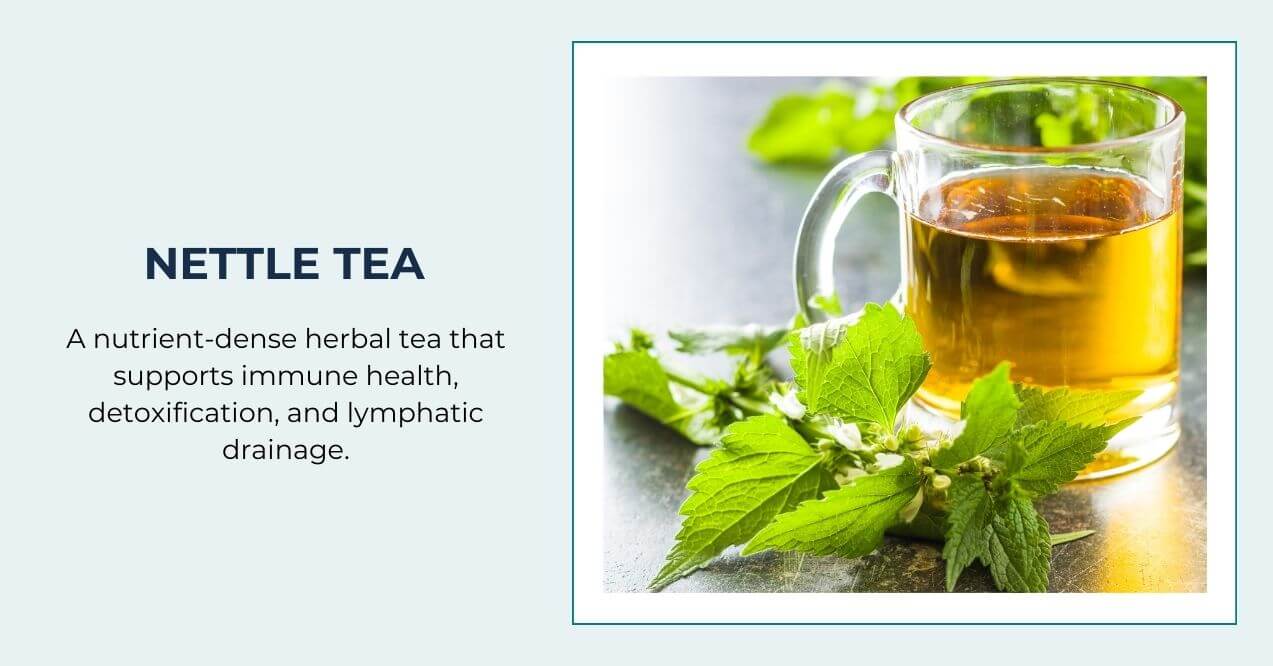
Nettle (Urtica dioica) is rich in vitamins A, C, and K, along with iron and magnesium. As a mild natural diuretic, it may help the body manage excess fluid.
Nettle also contains quercetin, a flavonoid studied for potential anti-inflammatory activity, though specific effects on lymphatic function have not been directly established in clinical research. One to two cups daily is the typical recommendation.
9. Red Clover Tea
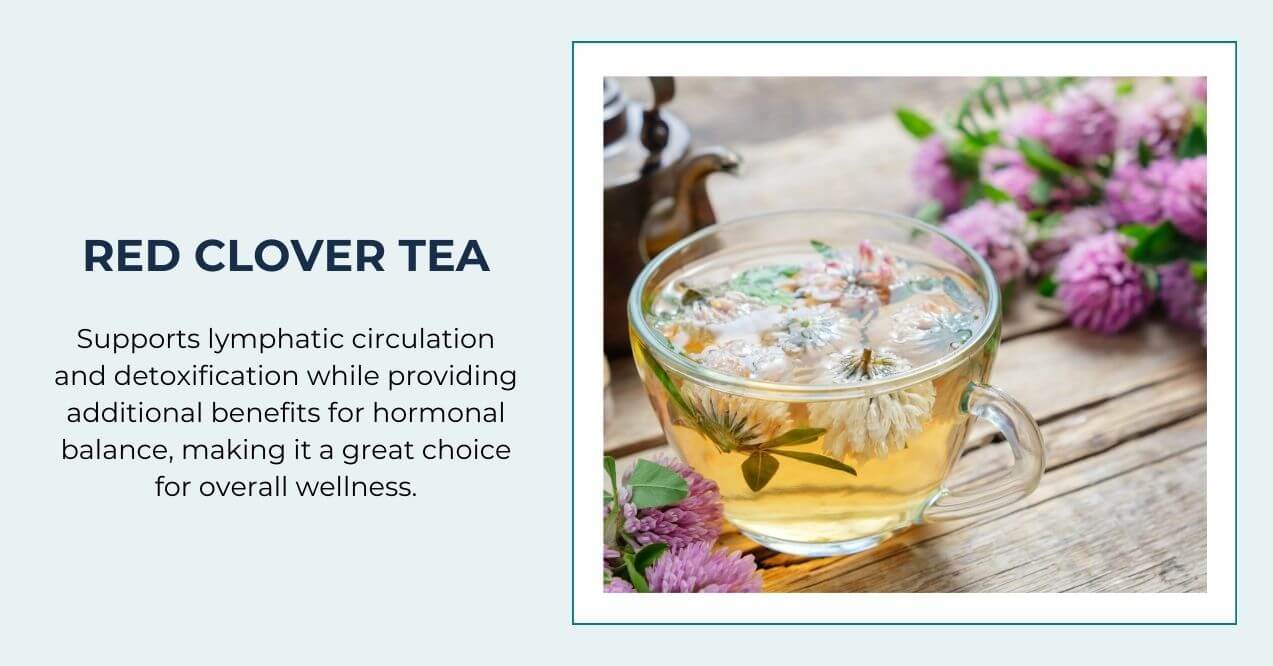
Red clover (Trifolium pratense) contains isoflavones studied in preliminary research for potential effects on circulation. It is a regular feature in traditional lymphatic support blends alongside cleavers and calendula, valued for its gentle long-term use profile.
Direct clinical evidence for effects on lymph flow is limited, with most support coming from traditional herbalism. One to two cups daily fits most wellness routines.
Choosing the Best Tea for Your Needs
The best tea for lymphatic drainage depends on what you are primarily looking to address. This table maps each herb to its primary traditional use and typical daily range.
| Tea | Primary Traditional Use | Suggested Daily Use |
| Red Root | Lymphatic wellness routines | 1–2 cups |
| Cleavers | Fluid balance, lymphatic tonic | 1–2 cups |
| Dandelion | Fluid balance, liver support | Up to 3 cups |
| Ginger | Circulation, general wellness | 1–2 cups |
| Green Tea | Antioxidant, vascular support | 2 cups |
| Turmeric | Inflammatory response support | 1–2 cups |
| Calendula | Lymphatic tissue wellness | 1–2 cups |
| Nettle | Fluid balance, nutritive support | 1–2 cups |
| Red Clover | Circulation, lymphatic support | 1–2 cups |
How to Use Teas for Lymphatic Drainage
Using tea for lymphatic drainage effectively comes down to three things: preparation, frequency, and pairing.
Steeping: Most herbal teas in this category benefit from longer steeping than standard teas, generally 7–15 minutes, to extract the full range of plant compounds. Temperature also varies by herb. See the brewing guide below.
Frequency: Two to three cups daily is a common general target. Teas with diuretic properties like dandelion and nettle should be paired with increased water intake to support hydration.
“When adding to your wellness routine, choose an intervention and be consistent with that change for several days before making additional changes or additions. Finding the best wellness routine takes time and effort, but is very rewarding once found.”
– Dr. Blane Schilling, MD
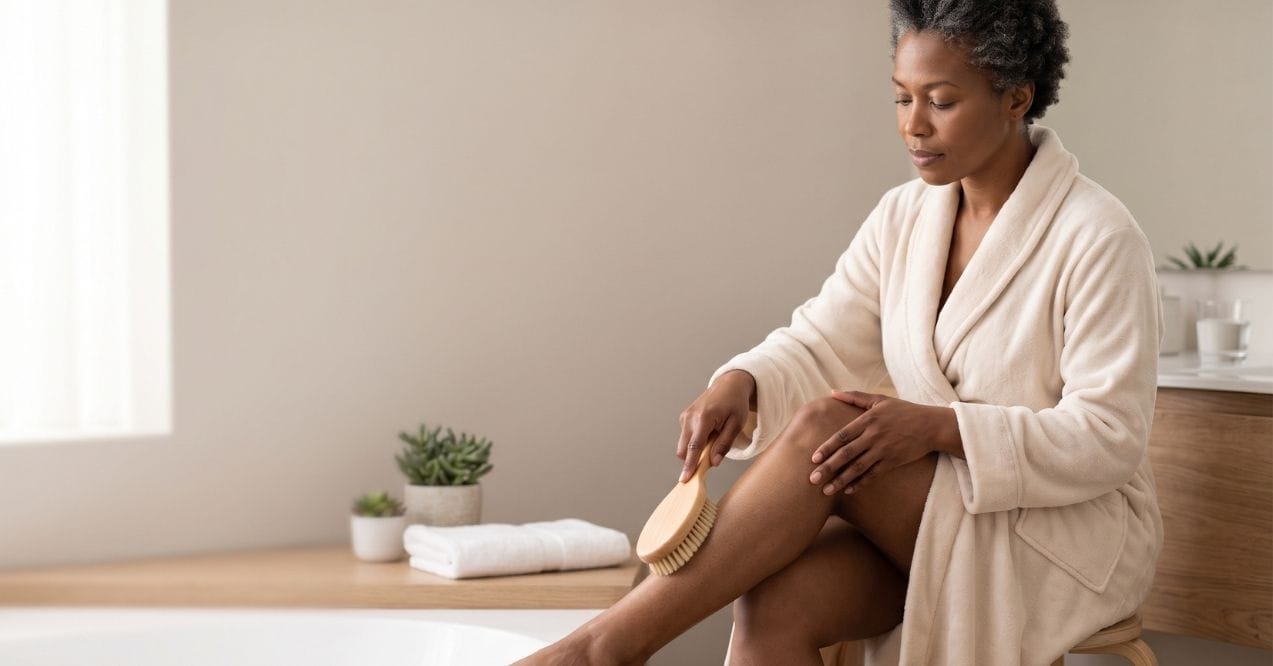
Complementary practices: Tea may work best alongside regular movement and consistent hydration, both of which are commonly recommended as part of a general lymphatic wellness routine. Lymphatic massage and dry brushing are additional practices that many incorporate alongside herbal tea use.
Brewing Guide
| Tea | Steeping Time | Water Temperature |
| Red Root | 10–15 min | 200°F (93°C) |
| Cleavers | 5–7 min | 190°F (88°C) |
| Dandelion | 10–12 min | 212°F (100°C) |
| Ginger | 10–15 min | 208°F (98°C) |
| Green Tea | 2–3 min | 175°F (80°C) |
| Turmeric | 10 min (simmered) | 200°F (93°C) |
| Calendula | 7–10 min | 200°F (93°C) |
| Nettle | 7–10 min | 200°F (93°C) |
| Red Clover | 7–10 min | 200°F (93°C) |
Several of the herbs covered above, including cleavers, dandelion, and burdock root, also appear in the best supplements for lymph system formulas designed for consistent daily support. For those who want a reliable lymphatic wellness routine without preparing multiple teas each day, a concentrated supplement may offer a practical complement to herbal tea use.

PureHealth Research’s Lymph System Support brings together eight botanicals in a single formula: Burdock Root, Echinacea Purpurea, Cleavers, Dandelion, Rutin, Bromelain, Lemon, and Kelp. Each ingredient is selected to support lymphatic wellness through complementary pathways. The formula is doctor-approved, third-party tested for purity and potency, and available in vegetarian capsules as part of a 30-day supply.
What Is the Best Drink for Lymphatic Drainage?
No single drink drives lymphatic drainage on its own. The most practical approach combines herbal teas with consistent water intake and a variety of nutrient-dense fluids.
Water is the foundation. Lymph fluid is largely water-based, and inadequate intake may slow its movement through vessels. Seven to eight cups daily provides a general baseline, with more needed when consuming teas with diuretic properties.
Fresh juices made from citrus fruits, leafy greens, beets, and ginger may offer complementary support through antioxidant and hydrating compounds. Bone broth, which provides glycine and glutamine, is commonly included in traditional wellness protocols that address gut and lymphatic health, though direct clinical evidence for lymphatic-specific effects is limited.
Those looking to take a more intentional approach may find that a guided lymphatic system cleanse offers additional context for combining these elements alongside movement and dietary adjustments.
Practical Considerations
Herbal teas in this category are generally well-tolerated, but a few practical points apply:
- Diuretic effects: Dandelion and nettle increase urinary output. Those managing fluid balance should monitor intake and increase water accordingly.
- Caffeine sensitivity: Green tea contains caffeine. Evening consumption may interfere with sleep quality.
- Herb interactions: Some herbs may interact with certain health conditions or wellness protocols. Those with existing health concerns should consult a qualified practitioner before introducing new herbs consistently.
- Gradual effects: These teas are not a short-term intervention. Their effects are gradual and most noticeable when incorporated consistently over weeks rather than days.
Conclusion
The best tea for lymphatic system support is not one herb but a considered selection matched to individual needs. Dandelion and nettle may support fluid balance, ginger and turmeric may contribute to a healthy inflammatory response, and cleavers and calendula have a long history of traditional use in lymphatic wellness. Combined with adequate hydration and regular movement, herbal teas are a practical, accessible part of a daily wellness routine.
Red root is widely cited in traditional herbalism for its use in lymphatic wellness routines. Cleavers is a strong complementary option, often included in traditional herbal blends for general lymphatic and fluid balance support.
Ginger tea may offer indirect support to lymphatic health through its traditional uses for circulation and inflammatory response modulation. Its active compound gingerol has been studied for anti-inflammatory and circulatory effects. One to two cups daily is a practical starting point.
Lemon water supports overall wellness primarily through hydration. Vitamin C from lemon may also support connective tissue health. It works best alongside herbal teas and consistent fluid intake rather than as a standalone approach.
Dandelion tea is among the more studied options for fluid balance support due to its documented diuretic activity. Nettle tea is a useful complementary option. Both should be paired with increased water intake.
Two to three cups daily is a common general target. For teas with diuretic activity like dandelion or nettle, stay within that range and increase water intake to maintain hydration throughout the day.
Morning and midday are generally preferred. Teas with diuretic activity are better consumed earlier in the day. Caffeine-containing options like green tea are best avoided in the evening.
No. Herbal teas and professional manual lymphatic drainage serve different functions. Teas contribute to general wellness through hydration and plant compounds, while professional manual techniques are designed to support lymph movement as part of a supervised wellness approach. Both may be used as part of the same routine.


Dr. Blane Schilling, MD is a medical doctor with extensive experience in clinical consultation, care quality, pharmaceutical utilization, and physician integration. He is passionate about improving patient care and helping healthcare organizations solve complex challenges through strategic, client-focused leadership.

Advertisement. This site offers health, wellness, fitness and nutritional information and is designed for educational purposes only. You should not rely on this information as a substitute for, nor does it replace, professional medical advice, diagnosis, or treatment. If you have any concerns or questions about your health, you should always consult with a physician or other health-care professional. Do not disregard, avoid or delay obtaining medical or health related advice from your health-care professional because of something you may have read on this site. The use of any information provided on this site is solely at your own risk.
Related Articles
Can Lymphatic Drainage Make You Sick?
Written by Laura Kraujalyte | September 4, 2026

How to Treat Swollen Face: Puffiness vs Real Swelling
Written by Laura Kraujalyte | August 31, 2026
8 Ways to Reduce Swelling in Hands at Home
Written by Laura Kraujalyte | August 28, 2026
Does Deep Breathing Help the Lymphatic System?
Written by Laura Kraujalyte | August 24, 2026

Dry Brushing for Lymphatic Drainage: Does It Work?
Written by Laura Kraujalyte | August 21, 2026
How to Detox Your Lymphatic System Naturally: The Complete 8-Step Guide
Written by Karolina Rutkute | August 6, 2026