Share:


Is Matcha Good for Weight Loss?
Is matcha good for weight loss? See how EGCG and caffeine may support metabolism and appetite. Discover practical tips for daily use.


 On This Page:
Is matcha good for weight loss? Matcha, a finely ground green tea powder with roots in Japanese tradition, is now available in teas, capsules, and drink blends. Research suggests this vibrant green powder may help support metabolic function and appetite control when paired with healthy habits. Whether you prefer the ritual of whisking tea or the simplicity of a daily capsule, matcha offers flexibility for different lifestyles and goals.
What’s in Matcha That Supports Weight Management?
Matcha delivers its potential weight support through three key compounds: EGCG (epigallocatechin gallate), caffeine, and L-theanine. EGCG is a catechin with antioxidant properties that research has linked to metabolic support. Caffeine provides mild stimulation that may increase energy expenditure over time. L-theanine, an amino acid unique to tea, promotes calm focus and may help reduce stress-related eating patterns.
Unlike steeped green tea where leaves are discarded, matcha involves consuming the entire leaf in powdered form. This means you receive the full spectrum of these compounds in each serving. Both traditional tea preparation and supplements can deliver these benefits, though the concentration varies based on quality and serving size.
EGCG and Caffeine
EGCG and caffeine work together to mildly support thermogenesis, the process by which your body generates heat and expends energy. A 2021 study found that women who consumed matcha before 30-minute walks showed increased fat oxidation compared to a placebo group. This suggests matcha may help the body use stored fat for fuel during moderate activity.
Caffeine alone has been associated with modest metabolic support in research. One 2019 meta-analysis found caffeine intake was linked to lower BMI and reduced body fat over time. Matcha typically contains 30 to 70 mg of caffeine per serving, providing gentle alertness without jitters.
Supplements vs. Tea
Matcha comes in several formats, each with distinct advantages for daily use. The table below compares the most common options:
| Format | EGCG Content | Convenience | Best For |
| Ceremonial-grade tea powder | High (varies by brand) | Requires preparation | Traditional experience, full flavor |
| Matcha capsules | Standardized dose | Very high | Consistent daily intake, travel |
| Fat-burning drink mixes | Varies (often with added ingredients) | Moderate | Those wanting combined formulas |
Supplements offer dosage consistency that can be difficult to achieve with tea preparation. Capsules eliminate the need for whisking and provide a simple option for those who dislike the taste of matcha or want a straightforward daily routine.
Is Matcha Good for Weight Loss? What Science Reveals

Does matcha help lose weight? The honest answer is that matcha may provide modest support when combined with dietary changes and regular movement. It is not a standalone solution, and research consistently shows supportive rather than dramatic effects.
However, for those already committed to healthy habits, weight loss matcha products could offer an additional edge. Think of matcha as one tool among many rather than a complete strategy on its own.
What the Research Says
Studies on matcha tea and weight loss reveal several promising findings. A 2018 trial found participants drinking matcha before brisk walks experienced greater fat oxidation during exercise. A meta-analysis of green tea studies showed reductions in body weight, BMI, and waist circumference among obese participants who combined green tea consumption with balanced diets.
Research also points to potential appetite-related effects. Some studies suggest catechins may help reduce hunger signals, though this effect appears modest. The overall picture suggests supportive effects rather than transformative results.
Who Might Benefit Most?
Can matcha help lose weight for everyone equally? Certain groups may notice more benefit than others. Those experiencing slow metabolism symptoms often report that matcha helps them feel more energized throughout the day.
People who struggle with afternoon cravings may find matcha’s combination of caffeine and L-theanine helps maintain steadier energy. If you have a naturally fast metabolism, matcha can still support your routine through its antioxidant content.
Matcha Timing, Dosage, and Formats for Best Results
When and how you consume matcha can influence its effectiveness for weight management goals. Timing your intake strategically may help maximize the potential metabolic and appetite-related benefits.
Whether you choose tea or supplements, consistency matters more than perfection. If you are looking to reset your metabolism through lifestyle changes, adding matcha at key points in your day could provide additional support.
When to Take Matcha for Weight Loss Support
Morning consumption may help prime your metabolism for the day ahead. The caffeine and EGCG can support alertness and energy expenditure during your most active hours. Taking matcha 30 to 60 minutes before exercise may support fat oxidation during your workout. Between meals is another strategic window, as matcha may help curb snacking urges and maintain stable energy levels.
How Much Matcha Do You Need?
Optimal intake varies based on format and individual tolerance:
- Tea – 1 to 2 teaspoons of quality matcha powder daily provides approximately 200 to 400 mg of catechins
- Supplements – Follow product-specific dosing, typically standardized to deliver 250 to 400 mg of EGCG daily
- Combined intake – If using both tea and supplements, monitor total caffeine consumption
Avoid excessive intake, particularly with concentrated extracts. High doses of isolated EGCG have been associated with liver concerns in rare cases. Stick to recommended amounts and consult a healthcare provider if you have existing health conditions.
What to Look for in a Matcha Supplement
So is matcha good for weight loss in supplement form? Not all matcha products deliver equal quality or effectiveness. The supplement market includes everything from premium whole-leaf formulas to low-grade powders with minimal active compounds.
Quality indicators include sourcing transparency, catechin content, and the absence of unnecessary additives. A well-formulated matcha supplement should provide clear information about its origin and composition.
Key Criteria for Effectiveness
When evaluating matcha supplements, prioritize these factors:
- Ceremonial-grade or standardized EGCG content? Higher quality matcha contains more beneficial catechins
- Clearly listed caffeine content allows you to manage total daily intake
- No artificial fillers, sweeteners, or unnecessary additives keeps the formula clean and focused
Matcha Supplements vs. Green Tea Pills
Generic green tea extract capsules differ significantly from whole-leaf matcha supplements. Green tea extracts often contain isolated EGCG at high concentrations, which has been linked to liver concerns when taken in excess. Whole-leaf matcha delivers a broader spectrum of compounds that work together naturally, providing balanced proportions similar to traditional tea consumption.
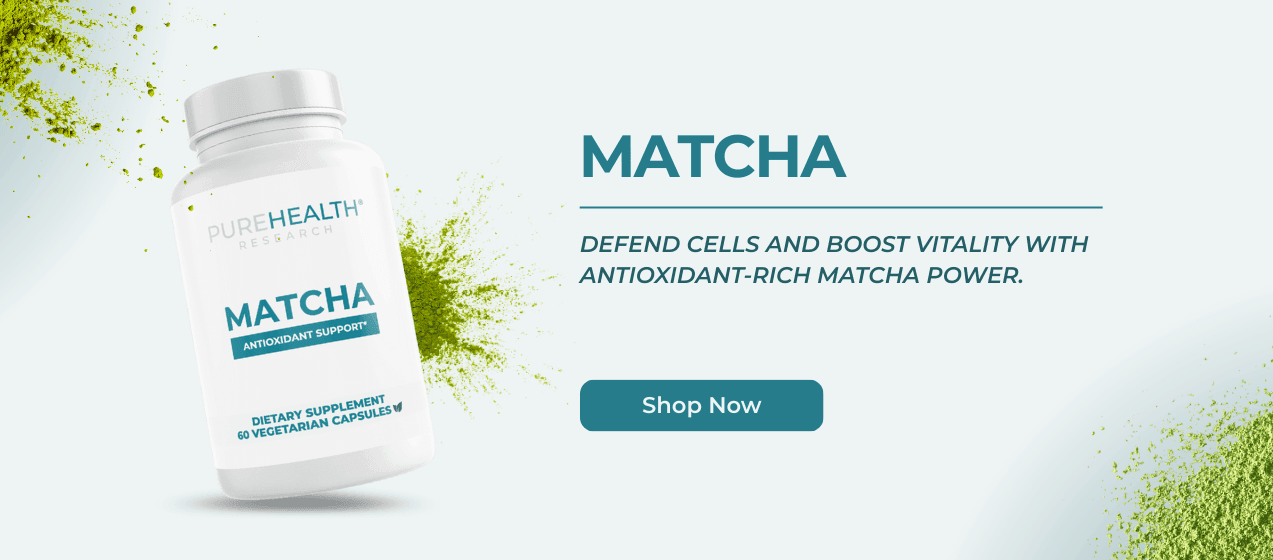
For those seeking a convenient daily option, PureHealth Research offers a matcha supplement made from authentic Japanese whole-leaf matcha. Each serving provides 1000 mg of premium matcha with naturally occurring EGCG and L-theanine. The capsule format delivers the benefits of traditional tea without whisking or preparation, and the formula is made in GMP-certified facilities with no artificial additives.
Does Matcha Suppress Appetite or Reduce Cravings?
Does matcha suppress appetite? Research suggests it may help, though the effects appear moderate rather than dramatic. Catechins in matcha may influence hunger-related hormones, while L-theanine supports calm focus that can reduce stress-driven eating patterns. The fiber content in whole-leaf matcha powder may also contribute to feelings of fullness when consumed as tea.
Some people report that matcha helps them feel satisfied longer between meals and reduces the urge to snack impulsively. Certain matcha supplements are formulated with additional botanicals like chromium, gymnema, and fiber blends to complement matcha’s natural appetite-supporting properties. These combination products may appeal to those specifically focused on managing cravings.
Conclusion
You can lose weight with matcha as part of a balanced lifestyle that includes nutritious eating and regular physical activity. Is matcha good for weight loss? Yes, but with realistic expectations. It offers genuine support for metabolism and appetite control through its EGCG, caffeine, and L-theanine content. High-quality supplements provide a convenient way to maintain consistent daily intake. However, matcha works best as a complement to healthy habits rather than a replacement for them.
Matcha supports gradual, modest weight management rather than rapid loss. Combined with healthy eating and exercise, it may help over weeks and months.
Matcha may still support metabolism and reduce cravings without exercise. However, physical activity significantly amplifies its fat oxidation effects.
Some research suggests catechins may support abdominal fat reduction during exercise. However, matcha works as part of overall fat loss rather than targeting specific areas.
Sign up for our Healthy Living newsletter!
Advertisement. This site offers health, wellness, fitness and nutritional information and is designed for educational purposes only. You should not rely on this information as a substitute for, nor does it replace, professional medical advice, diagnosis, or treatment. If you have any concerns or questions about your health, you should always consult with a physician or other health-care professional. Do not disregard, avoid or delay obtaining medical or health related advice from your health-care professional because of something you may have read on this site. The use of any information provided on this site is solely at your own risk.
Share:
Related Articles
Do Men Process Carbs Differently Than Women?
Written by Karolina Rutkutė | June 16, 2025

What Are the Natural Alternatives To Ozempic?
Written by Karolina Rutkutė | May 12, 2025
How to Lose Face Fat: 10 Effective Tips
Written by Karolina Rutkutė | March 3, 2025

What is Metabolic Confusion and Can it Benefit You?
Written by Karolina Rutkutė | February 21, 2025

Somatic Exercises for Weight Loss – Discover the Benefits And More
Written by Karolina Rutkutė | November 28, 2024

8 Best Dairy Free Keto Recipes
Written by Karolina Rutkutė | September 26, 2024