Share:


Is Matcha Good for Gut Health?
Is matcha good for gut health? Learn how matcha may support digestion, reduce bloating, and nurture beneficial gut bacteria. Discover today!

 On This Page:
Is matcha good for gut health? Your morning beverage choice may influence the trillions of bacteria living in your digestive tract more than you realize. Matcha, a finely ground green tea with centuries of traditional use, delivers the entire tea leaf in powdered form, concentrating beneficial compounds that reach your gut intact. Recent research reveals this vibrant green powder can shift bacterial populations within weeks, favoring strains associated with digestive comfort.
Unlike ordinary teas where leaves are discarded after steeping, matcha provides fiber, polyphenols, and amino acids in every sip. This article explores what current science and long-standing practice reveal about matcha’s potential role in supporting digestive balance.
What Makes Matcha Unique for Digestion?
When considering matcha for digestion, the preparation method sets it apart from standard green tea. Regular green tea involves steeping leaves and discarding them, while matcha requires whisking the whole powdered leaf into water. This means you consume everything the leaf contains, including fiber, amino acids, and a full spectrum of polyphenols.
The result is a more concentrated delivery of gut-friendly compounds. Matcha provides higher amounts of catechins, particularly EGCG (epigallocatechin gallate), along with chlorophyll and the calming amino acid L-theanine. These components work together to support digestive comfort. For those wondering if matcha is good for your stomach, this whole-leaf advantage offers a meaningful difference compared to other tea options.
Whole-Leaf Power and Nutrient Density
Consuming the entire tea leaf changes what your body receives. Matcha delivers both soluble and insoluble fiber, though in modest amounts per serving. It also provides a dense concentration of polyphenols that reach your digestive tract intact. These plant compounds serve as fuel for beneficial bacteria residing in your gut. The nutrient density of matcha makes each serving more impactful than an equal amount of steeped green tea.
L-Theanine’s Calming Effect on the Gut-Brain Axis
Your gut and brain communicate constantly through a network called the gut-brain axis. Stress and tension can disrupt digestive function, leading to discomfort and irregularity. Matcha’s L-theanine promotes a calm, focused state without drowsiness. This relaxation response may help ease stress-related digestive disruptions. When your nervous system feels settled, your digestive processes often function more smoothly.
Is Matcha Good for Gut Health? What Research Shows About the Microbiome
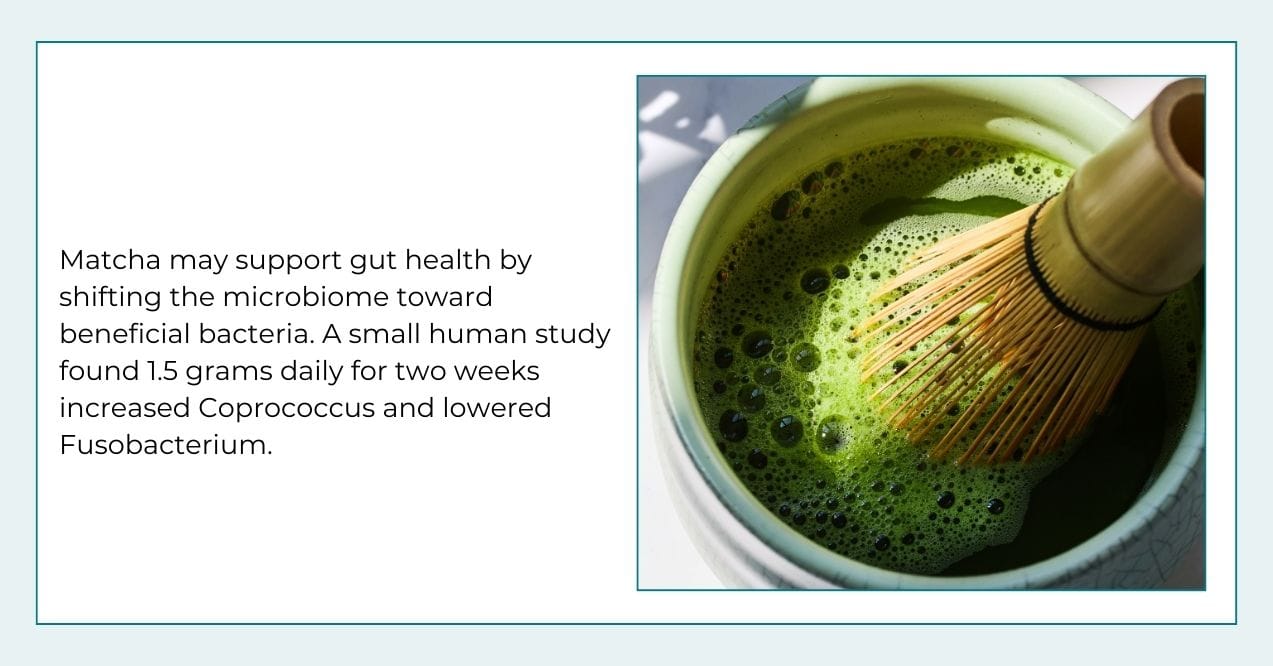
Your gut microbiome consists of trillions of bacteria that influence digestion, nutrient absorption, and overall wellness. Research suggests matcha may positively shift the balance of these microbial communities. Studies indicate that matcha’s polyphenols can increase populations of beneficial bacteria while reducing less favorable strains.
These bacterial changes translate to practical benefits. Increased levels of butyrate-producing bacteria support colon health and gut barrier integrity. Reduced populations of inflammatory bacteria may contribute to digestive comfort.
For anyone exploring whether matcha supports gut wellness, the microbiome research offers encouraging evidence, though individual responses vary. Pairing matcha with the best vitamins for gut health can further strengthen your digestive wellness routine.
Clinical Evidence in Humans
A randomized, double-blind human study published in the Journal of Clinical Biochemistry and Nutrition examined matcha’s effects on gut bacteria. Participants consumed 1.5 grams of matcha daily for two weeks. Researchers found significant changes in gut microbiota composition among the matcha group.
Notably, beneficial Coprococcus bacteria increased while potentially harmful Fusobacterium decreased. The study was small (33 participants) and short-term, but it provides promising human data supporting matcha’s gut-modulating potential.
Prebiotic-Like Properties of Matcha Compounds
Prebiotics are substances that feed beneficial gut bacteria. While matcha is not a traditional prebiotic fiber, its polyphenols function similarly. These compounds pass through your upper digestive tract largely intact, reaching the colon where beneficial bacteria can ferment them.
This fermentation produces short-chain fatty acids that nourish colon cells and support gut barrier function. Matcha’s catechins may also selectively inhibit harmful bacteria while allowing beneficial strains to flourish.
Can Matcha Help With Bloating and Constipation?
Many people wonder does matcha help with bloating or does matcha cause constipation. Individual responses vary based on gut sensitivity, matcha quality, and overall diet. However, high-quality matcha generally supports rather than disrupts digestive comfort.
The table below summarizes common digestive concerns and matcha’s potential effects:
| Digestive Concern | Matcha’s Effect |
| Bloating | May reduce through improved microbial balance |
| Constipation | Unlikely to cause; mild fiber may support regularity |
| Gas | Possible initially; often resolves with quality matcha |
| General discomfort | Tends to soothe when prepared properly |
Bloating Relief Through Gut Balance
Does matcha help with digestion when bloating is a concern? Matcha may help by supporting microbial diversity in the gut. When beneficial bacteria thrive, they help break down food more efficiently and produce less gas during digestion.
Matcha’s gentle nature and anti-inflammatory polyphenols may also calm the digestive tract. Results depend on individual factors, but many find matcha easier on their system than coffee or other caffeinated options.
Fiber Content and Regularity
Matcha contains small amounts of dietary fiber from the ground tea leaves. While not a significant fiber source, this contribution adds up with regular consumption. Fiber supports healthy bowel movements by adding bulk and promoting intestinal motility.
Drinking matcha with adequate water further supports regularity. Most people find matcha does not cause constipation and may gently encourage normal digestive rhythm. Since matcha comes from the same plant as regular green tea, some wonder can green tea cause bloating, but the whole-leaf format of matcha typically proves gentler on the digestive system.
Does Matcha Cause Gas?
Some people report gas when first adding matcha to their routine. Does matcha make you gassy? This typically relates to matcha quality or introducing it too quickly. Low-grade matcha may contain more stems and additives that irritate the gut. Ceremonial-grade matcha, made from young leaves, tends to be gentler. Starting with half a teaspoon and increasing gradually allows your digestive system to adapt without discomfort.
Best Practices for Drinking Matcha for Digestive Health
Maximizing matcha’s digestive benefits involves thoughtful preparation and product selection. When and how you consume matcha influences how your gut responds. Morning consumption or after meals works well for most people. Avoid adding dairy or excessive sugar, as these can counteract matcha’s gentle effects.
Is matcha good for your gut when prepared properly? The answer depends partly on your choices. Water temperature matters: use hot water around 175°F (80°C) rather than boiling, which can degrade beneficial compounds and create bitterness. Whisking matcha into a smooth consistency helps your body absorb its nutrients efficiently.
Choose Ceremonial-Grade, Organic Matcha
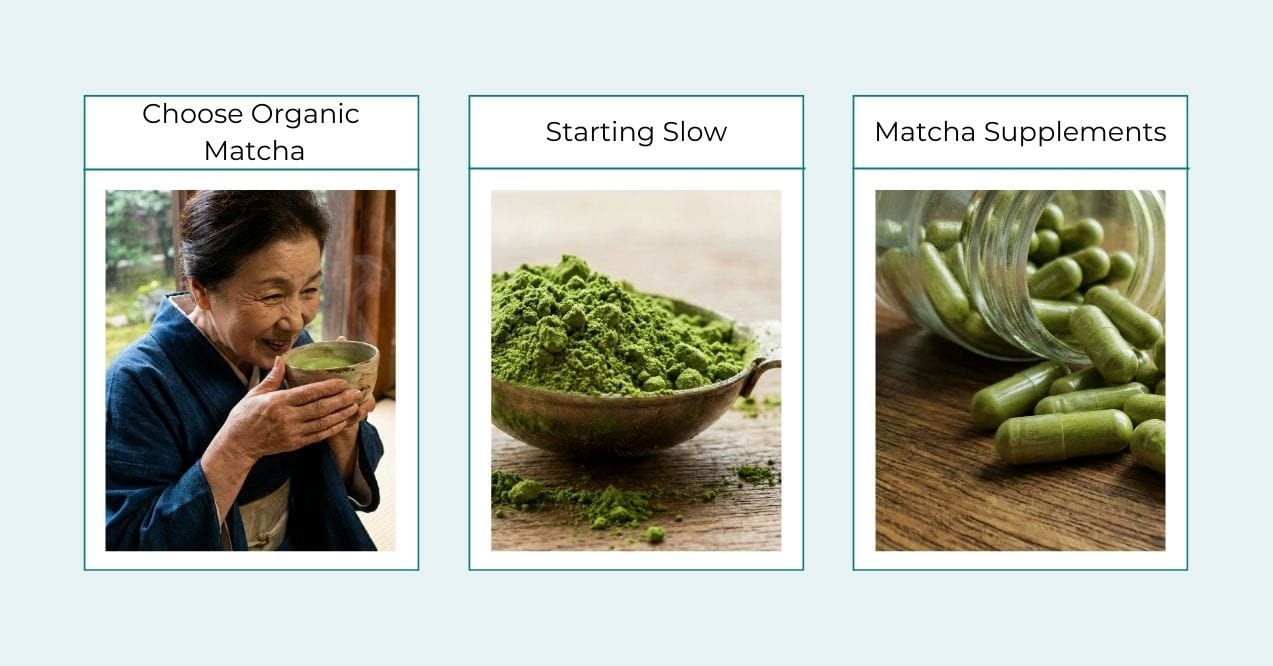
Matcha quality directly affects digestive tolerance. Ceremonial-grade matcha comes from young, shade-grown leaves with minimal stems. This results in a smoother taste and gentler effect on the stomach. Organic certification ensures no pesticide residues that could disrupt gut bacteria.
Low-quality matcha often contains older leaves, stems, and potentially harmful additives. Investing in high-quality matcha protects your gut and maximizes the polyphenol content you receive.
Start Slow and Listen to Your Body
Introducing matcha gradually gives your digestive system time to adjust. Begin with half a teaspoon (about 1 gram) daily for the first week. Notice how your body responds before increasing the amount. Consistency matters more than quantity for gut health benefits. Drink matcha warm rather than ice-cold, as gentle warmth supports comfortable digestion. Pay attention to timing and find what works best for your individual rhythm.
Support Your Gut Daily with Matcha Supplements
For those seeking a convenient way to incorporate matcha into their wellness routine, a quality matcha supplement offers an excellent option. PureHealth Research Matcha green tea capsules deliver concentrated matcha in an easy-to-take form, making daily consistency simple. Each capsule contains pure, high-quality matcha powder without fillers or artificial additives.

This supplement format eliminates preparation time while preserving matcha’s beneficial compounds. The capsules provide a standardized dose, helping you maintain a regular intake without measuring or mixing. They’re ideal for busy schedules or travel when traditional preparation isn’t practical.
The concentrated polyphenols and antioxidants in each serving support your digestive wellness goals alongside overall vitality. Choosing a trusted source ensures you receive authentic, potent matcha that delivers real benefits.
Who Might Want to Use Caution With Matcha?
While matcha suits most people well, certain individuals should approach it mindfully. Those with caffeine sensitivity may experience jitteriness or digestive upset, as matcha contains moderate caffeine levels. Starting with smaller amounts helps gauge personal tolerance.
People with very sensitive digestive systems or existing gut conditions should introduce matcha slowly and monitor their response. The concentrated nature of matcha means it delivers more compounds per serving than regular tea.
Some individuals find this intensity requires adjustment time. Pregnant or nursing women should consult their healthcare provider about appropriate caffeine intake. Matcha is generally gentle, but listening to your body remains the best guide for personal suitability.
Conclusion
Is matcha good for gut health? Current research and traditional use suggest it may offer meaningful digestive support for many people. Its concentrated polyphenols, gentle fiber, and calming L-theanine work together to nurture beneficial gut bacteria and promote digestive comfort. Individual responses vary, so starting slowly with high-quality matcha allows you to discover how your body responds. As part of a balanced approach to wellness, matcha ranks among the best tea for gut health and serves as a gentle daily ally rather than a cure-all.
Yes, daily matcha consumption appears safe and may support gut health through consistent polyphenol delivery. Start with small amounts and choose high-quality, ceremonial-grade matcha for best results.
Matcha may help reduce bloating by supporting beneficial gut bacteria and calming the digestive tract. Quality matters, and responses vary between individuals.
High-quality matcha is generally gentle on the stomach. Low-grade matcha or excessive amounts may cause discomfort. Start slowly and avoid drinking on an empty stomach if sensitive.
Sign up for our Healthy Living newsletter!
Advertisement. This site offers health, wellness, fitness and nutritional information and is designed for educational purposes only. You should not rely on this information as a substitute for, nor does it replace, professional medical advice, diagnosis, or treatment. If you have any concerns or questions about your health, you should always consult with a physician or other health-care professional. Do not disregard, avoid or delay obtaining medical or health related advice from your health-care professional because of something you may have read on this site. The use of any information provided on this site is solely at your own risk.
Share:
Related Articles
The 4-Step Gut Gentle Cleansing and Repair Program for Better Health
Written by Karolina Rutkutė | July 1, 2025

8 Tips How To Restore Gut Health After Stomach Flu
Written by Karolina Rutkutė | January 27, 2025

Fructan Intolerance Causes, Symptoms, Solutions + Food List
Written by Karolina Rutkutė | January 7, 2025

Best Enzyme for Fructans: A Comprehensive Guide
Written by Karolina Rutkutė | January 5, 2025
16 Best Low FODMAP Diet Recipes (Breakfast, Lunch, Dinner, Snacks)
Written by Karolina Rutkutė | January 3, 2025

FODMAP Intolerance: What Is It? Symptoms and Solutions
Written by Karolina Rutkutė | December 31, 2024