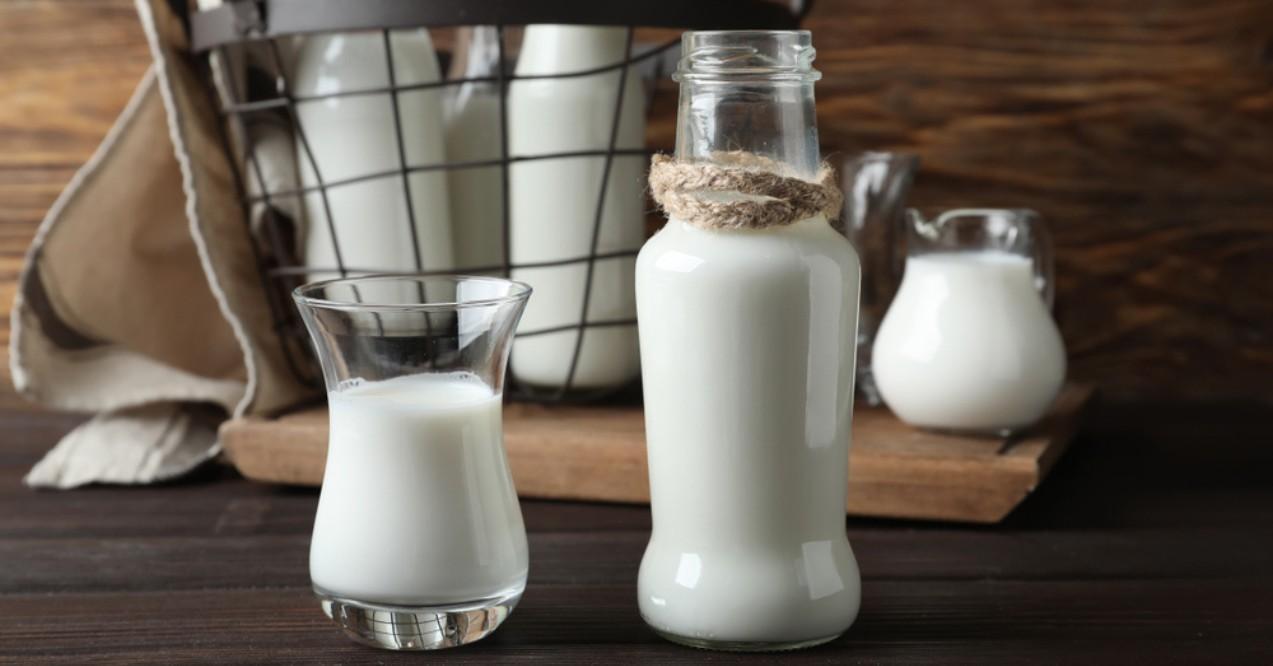
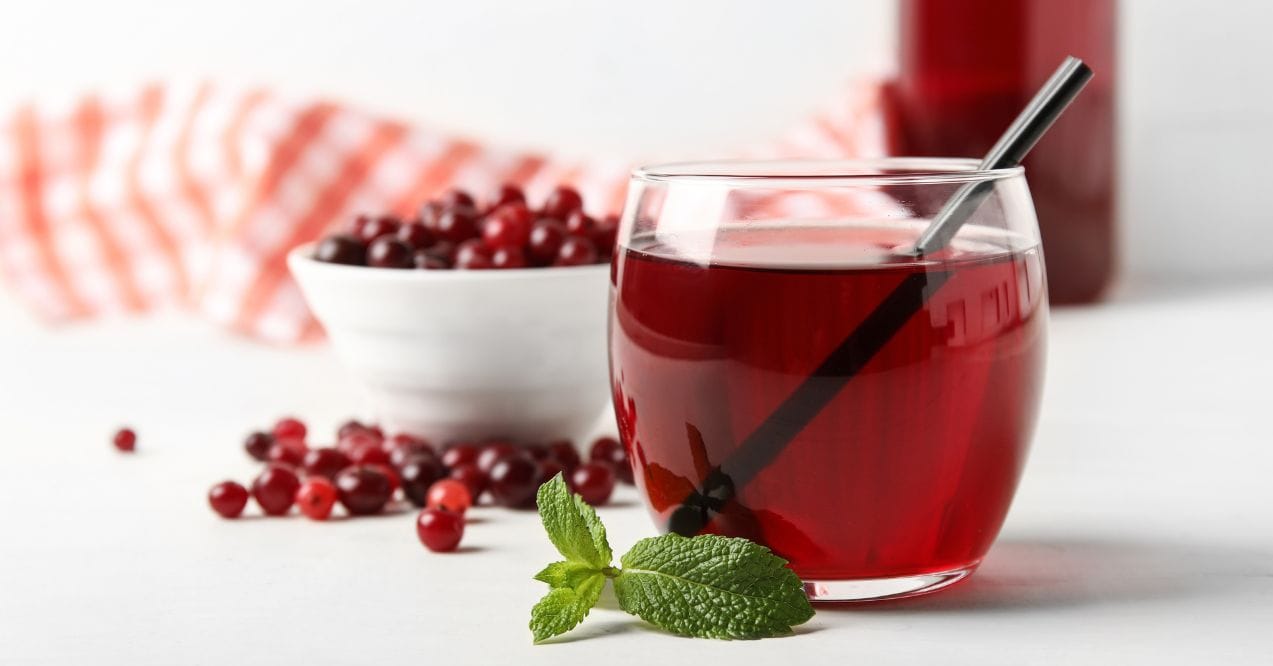
Is Cranberry Juice Good for Acid Reflux? The pH Science & Safer Alternatives
Is cranberry juice good for acid reflux? No. Cranberry juice is highly acidic with a pH of 2.3 to 2.5. This high acidity severely irritates the esophageal lining and triggers excess stomach acid production, worsening heartburn symptoms. Herbal teas or alkaline water are safer alternatives.


 On This Page:
You reach for that tart, ruby-red glass of cranberry juice, believing it’s a healthy choice. But then comes that familiar burning sensation in your chest. Sound familiar?
Many people enjoy cranberry juice for its potential health benefits, especially for urinary wellness. However, if you experience acid reflux, you might wonder: is cranberry juice good for acid reflux?
This article explores the relationship between cranberry juice and acid reflux symptoms. We’ll examine the acidity levels, potential impacts on digestive comfort, and practical tips for those who don’t want to give up their favorite crimson beverage. You’ll also discover alternative drink options that may better support your digestive wellness.
What Is Acid Reflux and What Triggers It?
Acid reflux occurs when stomach acid flows backward into the esophagus, the tube connecting your mouth to your stomach. This backward flow creates that uncomfortable burning sensation in your chest, commonly known as heartburn. Other symptoms include a sour taste in your mouth, difficulty swallowing, and feeling like food is stuck in your throat.
Common dietary triggers include:
- Citrus or tomato juices
- Coffee, tea, and energy drinks
- Hot peppers, curry, and salsa
- Fried foods, cheese, and butter
- Chocolate and peppermint
Surprisingly, some people discover unexpected triggers. Foods typically considered gentle, like milk, bananas, or even plain bread, can worsen symptoms for certain individuals.
Your personal triggers may differ from others, as everyone’s digestive system responds uniquely. Keeping a food diary helps identify which foods and beverages support your digestive comfort and which ones create discomfort.
Is Cranberry Juice Actually Good for Acid Reflux?

So, is cranberry juice good for acid reflux? The short answer is typically no. While cranberry juice offers valuable nutrients and antioxidants, its high acidity level makes it challenging for most people experiencing acid reflux symptoms.
The relationship between acid reflux and cranberry juice depends on several factors:
- Cranberry juice has a pH of 2.3-2.5, making it highly acidic
- Some people experience immediate cranberry juice heartburn, while others may tolerate small amounts
- Unsweetened varieties tend to be more acidic than sweetened versions
- Smaller portions diluted with water may be better tolerated
Most healthcare professionals recommend limiting or avoiding cranberry juice if you experience frequent acid reflux. The high acid content can irritate the esophageal lining and potentially trigger symptoms. However, individual responses vary significantly.
Some people find they can enjoy cranberry juice by:
- Diluting it with water (1:1 ratio)
- Drinking it with food rather than on an empty stomach
- Limiting portions to 4 ounces or less
- Choosing low-acid cranberry juice blends
How Acidic Is Cranberry Juice?
Cranberry juice ranks among the most acidic beverages, with a pH ranging from 2.3 to 2.5. To put this in perspective, pure water has a neutral pH of 7, while anything below 7 is considered acidic. The lower the number, the higher the acidity.
Here’s how cranberry juice compares to other common beverages:
| Beverage | pH level | Acidity level |
| Lemon juice | pH 2.0 | Extremely acidic |
| Cranberry juice | pH 2.3-2.5 | Highly acidic |
| Orange juice | pH 3.3-4.2 | Moderately acidic |
| Coffee | pH 4.8-5.1 | Mildly acidic |
| Milk | pH 6.5-6.7 | Slightly acidic |
| Water | pH 7 | Neutral |
This high acidity level can irritate the delicate lining of your esophagus. When acidic beverages enter your stomach, they can increase overall stomach acid production. This extra acid may then flow backward into the esophagus, creating that burning sensation.
The esophagus lacks the protective lining found in your stomach, making it particularly sensitive to acidic substances. Regular exposure to highly acidic drinks can lead to esophageal irritation and increased reflux episodes. This explains why many people experience immediate discomfort after drinking cranberry juice.
Health Benefits of Cranberry Juice

Despite its challenges for acid reflux, cranberry juice offers several nutritional benefits:
- Rich in antioxidants – Contains vitamin C, vitamin E, and polyphenols that support cellular health
- Urinary wellness support – Compounds called proanthocyanidins may help maintain urinary tract health
- Immune system support – High vitamin C content promotes immune function
- Heart health maintenance – Antioxidants may support cardiovascular wellness
However, these benefits don’t translate to reflux relief. A beverage can be nutritionally valuable while still aggravating digestive discomfort. Many healthy foods and drinks – like tomatoes, citrus fruits, and even green tea – can trigger reflux symptoms despite their nutritional merits.
Why Avoiding Acidic Juices Isn’t Enough for Heartburn Relief
Diluting your cranberry juice or switching to water might stop an immediate heartburn flare-up, but dietary avoidance is only a temporary band-aid. If acidic beverages easily trigger your chest pain, it indicates that your lower esophageal sphincter (LES) is weak and your mucosal lining is already inflamed. To truly protect your digestive tract and enjoy your favorite drinks again, you need to actively soothe the tissue and balance your gastric environment.
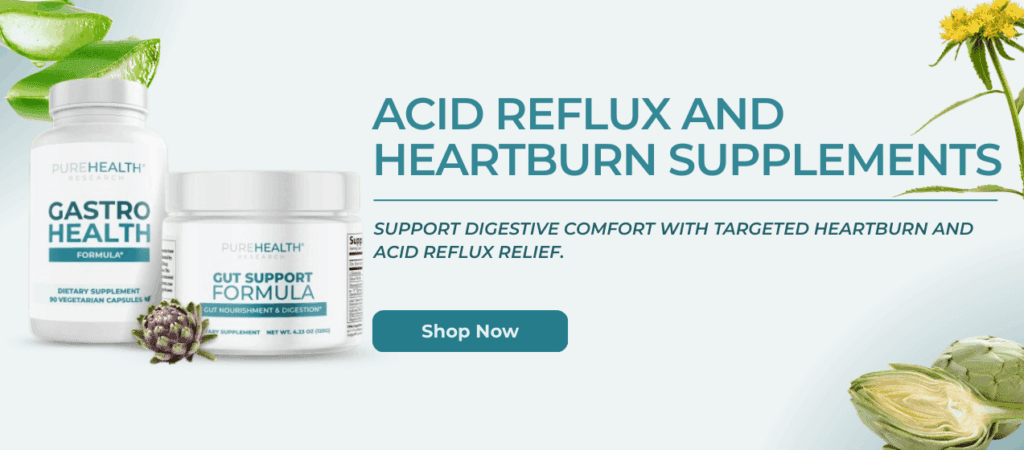
At PureHealth Research, our collection of supplements for acid reflux and heartburn is scientifically formulated to bridge the gap between avoiding trigger foods and actively defending your digestive lining.
Why Support Your Digestion With Our Formulas?
- Instant Barrier Defense: Formulas like our Gastro Health Formula utilize Sodium Alginate to form a neutral, protective floating gel over your stomach acid, physically blocking it from washing back into your chest.
- Soothes and Hydrates: We use therapeutic doses of evidence-based botanicals—like Deglycyrrhizinated Licorice Root (DGL), Slippery Elm, and Aloe Vera—to naturally coat and soothe acid-irritated esophageal tissue.
- Pure & Clean: Manufactured to be strictly gluten-free, dairy-free, soy-free, and non-GMO, ensuring your digestive tract receives gentle, highly absorbable nutrients.
Ready to experience deep digestive comfort? Explore the full Acid Reflux & Heartburn Supplements Collection today.
Better Beverage Choices for Acid Reflux
When cranberry juice triggers discomfort, these gentler alternatives can help maintain hydration while supporting digestive comfort:
- Herbal teas – Chamomile and ginger tea soothe the digestive tract without adding acid
- Alkaline water – With a pH above 7, it may help neutralize stomach acid
- Non-citrus fruit juices – Melon, pear, or diluted apple juice offer sweetness with less acidity
- Plain water – The simplest, most neutral choice for optimal hydration
Remember, individual reactions vary significantly. For those wondering why do bananas give me heartburn, this illustrates how personal your trigger foods can be – what soothes one person may aggravate another.
Start with small amounts of any new beverage and monitor your response. Room temperature drinks often work better than very hot or cold options. Consider keeping a beverage diary alongside your food diary to identify which drinks best support your digestive wellness.
The goal is finding options that keep you hydrated without triggering uncomfortable symptoms.
When to Talk to a Healthcare Provider
Persistent acid reflux symptoms warrant professional evaluation, especially if you experience discomfort more than twice weekly. Seek guidance if you notice difficulty swallowing, unexplained weight changes, or symptoms that disrupt your daily activities or sleep patterns.
Before making significant dietary changes, consult with a healthcare provider who can assess your individual situation. They can help identify your specific triggers and create a personalized management plan.
Professional guidance becomes particularly important if over-the-counter approaches aren’t providing relief or if you’re considering long-term dietary restrictions. A healthcare provider can ensure you maintain proper nutrition while managing symptoms and rule out any underlying conditions that may require specific attention.
Conclusion
Cranberry juice offers valuable nutrients and antioxidants, but its high acidity (pH 2.3-2.5) makes it a challenging choice for those managing acid reflux. While some people tolerate small, diluted portions, many find it triggers uncomfortable symptoms.
The key lies in personal observation and moderation. Track your individual response, experiment with dilution methods, or consider gentler alternatives. Supporting your digestive wellness through dietary adjustments, natural supplements, and professional guidance can help you maintain both nutritional intake and digestive comfort.
No. Its acidity generally makes it a trigger, not a remedy. With a pH of 2.3-2.5, cranberry juice can irritate the esophagus and increase reflux symptoms rather than provide relief, despite its other health benefits.
Some people with cranberry juice GERD tolerance can handle small amounts; others experience immediate discomfort. Individual responses vary significantly. Monitor your symptoms carefully and consider avoiding it if you notice increased heartburn or acid reflux episodes.
Herbal teas, water, and non-citrus juices are safer options. Try chamomile or ginger tea, alkaline water, or diluted pear juice. These beverages provide hydration without the high acidity that typically triggers reflux symptoms.
Yes. Mixing it with water may reduce irritation. Try a 1:1 ratio or even 1:2 (one part juice, two parts water). This decreases acid concentration, though some sensitive individuals may still experience discomfort even with dilution.

Advertisement. This site offers health, wellness, fitness and nutritional information and is designed for educational purposes only. You should not rely on this information as a substitute for, nor does it replace, professional medical advice, diagnosis, or treatment. If you have any concerns or questions about your health, you should always consult with a physician or other health-care professional. Do not disregard, avoid or delay obtaining medical or health related advice from your health-care professional because of something you may have read on this site. The use of any information provided on this site is solely at your own risk.
Related Articles
Does Soy Sauce Cause Heartburn? Hidden Triggers & Fast Relief
Written by Donatas Leikas | September 9, 2026
7-Day GERD Diet Meal Plan: Soothing Foods & Fast Relief
Written by Donatas Leikas | August 26, 2026

Why Do I Always Have Mucus in My Throat?
Written by Donatas Leikas | May 16, 2026

Why Do Bananas Give Me Heartburn? Ripeness Factor & Fast Relief
Written by Donatas Leikas | April 20, 2026
Does Milk Help With Heartburn? The Science, Risks, & Better Alternatives
Written by Donatas Leikas | March 22, 2026