How to Avoid Getting Spider Veins
Learn how to avoid getting spider veins with daily movement, circulation-supportive nutrition, and hydration strategies


 On This Page:
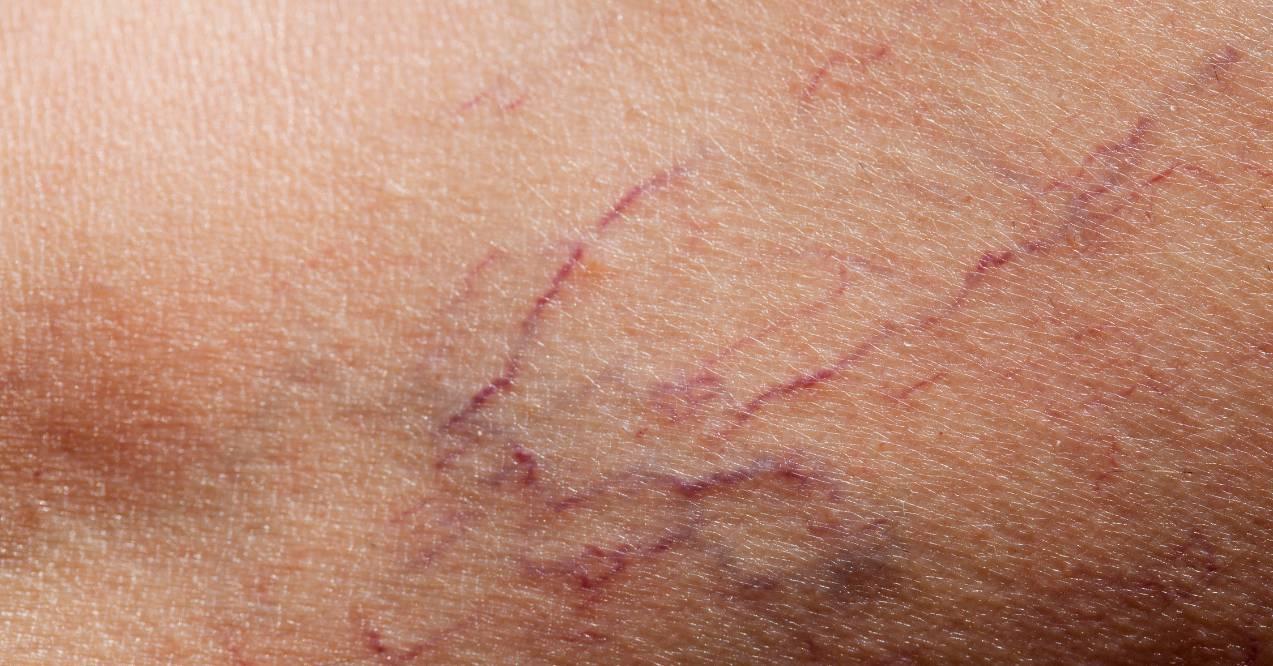
Those thin, web-like lines appearing on your legs or face can feel like an unwelcome surprise. If you’re searching for information on how to avoid getting spider veins, you’re taking a proactive step toward better vascular health.
While genetics and age influence your risk, lifestyle choices play a significant role in whether those fragile vessels become visible. This guide offers evidence-based strategies for supporting healthy circulation and minimizing your chances of developing these cosmetic concerns through nutrition, movement, and daily habits.
How to Avoid Getting Spider Veins
Spider veins develop when tiny valves inside blood vessels weaken or fail, allowing blood to pool and stretch vessel walls. These damaged vessels then become visible through the skin as purple, blue, or red web-like patterns. The question of how to avoid getting spider veins centers on maintaining strong valve function and healthy circulation throughout your life.
What causes spider veins to form?
Several factors contribute to weakened vein walls and valve dysfunction. Genetic predisposition accounts for much of your baseline risk, but hormonal fluctuations during pregnancy or menopause can trigger vein changes.
Prolonged standing or sitting creates sustained pressure in leg vessels, while sun exposure damages facial skin and underlying capillaries. Age naturally weakens connective tissue throughout the body, including vein walls.
Poor circulation from physical inactivity allows blood to pool in lower extremities. Are spider veins genetic? Yes, but environmental factors determine whether that genetic susceptibility manifests as visible vessels.
Who is most at risk?
Women face higher spider vein rates due to hormonal influences on vein elasticity. Adults over 50 experience increased risk as connective tissue loses strength with time. Pregnancy creates both hormonal shifts and increased blood volume that stress leg veins.
Individuals with sedentary occupations or lifestyles experience more venous pooling. Those with family histories of vein concerns should pay extra attention to prevention strategies, particularly around the ankles where spider veins on ankles commonly appear first.
Spider Veins Prevention Through Daily Movement
Physical activity serves as your most powerful tool for spider veins prevention. Movement activates the calf muscle pump, which pushes blood upward against gravity and back toward the heart. When you remain stationary for hours, blood accumulates in leg vessels, stretching walls and overwhelming valve function.
| Activity Type | Frequency | Duration | Primary Benefit |
| Walking | Daily | 30 minutes | Activates calf pump, improves venous return |
| Swimming | 3-4x per week | 20-30 minutes | Provides compression, strengthens legs |
| Cycling | 3-4x per week | 20-30 minutes | Engages muscle pump repeatedly |
| Leg elevation | 2x daily | 15 minutes | Reduces venous pressure |
| Standing breaks | Every 45-60 min | 2-3 minutes | Prevents blood pooling |
Prioritize low-impact cardio
Walking for 30 minutes daily stimulates circulation without jarring impact on joints. Swimming provides resistance that strengthens leg muscles while water pressure naturally compresses vessels and aids blood flow.
Cycling engages the calf pump repeatedly, creating a massaging effect on veins. These activities increase heart rate moderately, which improves overall vascular tone. Start with 10-minute sessions if you’re new to exercise, gradually building duration and intensity over several weeks.
Stretch and elevate your legs daily
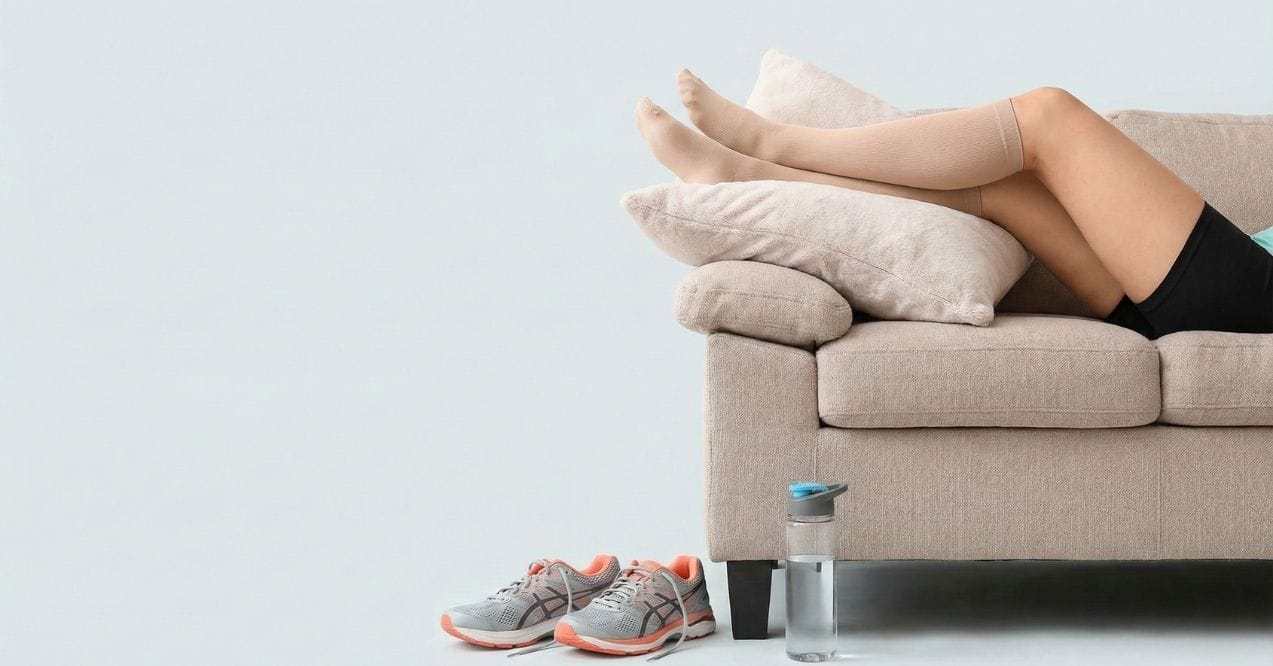
Raising legs above heart level for 15 minutes allows gravity to assist blood return to the heart. Ankle rotations and calf pumps performed while elevated further activate the muscle pump mechanism.
These simple movements reduce venous pressure and may alleviate the heavy sensation many people experience after prolonged standing. Practice this routine morning and evening, or during work breaks. Lie flat with legs propped on pillows or rest them against a wall while seated.
How sitting and standing affect circulation
Static positions allow blood to pool in the lowest vessels of your body. Valve function deteriorates when constant pressure prevents proper closure of these one-way gates.
Breaking up seated or standing time every 45-60 minutes with brief movement resets venous pressure. Try calf raises, knee lifts, or a short walk. Even subtle weight shifts from one leg to another engage muscles enough to promote blood flow. Office workers can use standing desks for portions of their day or set hourly movement reminders.
Support Circulation With Nutrition and Hydration
The foods you eat directly influence blood vessel integrity and circulation efficiency. Certain nutrients strengthen vein walls, reduce inflammation that damages vessels, and maintain optimal blood viscosity. How to prevent spider veins involves feeding your circulatory system the raw materials it needs for maintenance and repair.
Nutrients that protect vein walls
Vitamin C enables collagen synthesis, the structural protein that maintains vein wall strength. Without adequate vitamin C, vessel walls become fragile and prone to damage.
Vitamin E acts as an antioxidant that protects cells from damage, which may help maintain healthy circulation patterns. Bioflavonoids like rutin and hesperidin work with vitamin C to reduce capillary permeability and strengthen vessel walls. Omega-3 fatty acids help regulate inflammation throughout the cardiovascular system.
For additional nutritional help, consider supplements for vein health created specifically to address circulatory concerns. These products combine research-backed ingredients in amounts that may be difficult to achieve through diet alone.
Quality supplements provide concentrated doses of vessel-supporting compounds like diosmin, hesperidin, and horse chestnut extract. When paired with a balanced diet rich in whole foods, supplementation offers a convenient way to ensure your veins receive consistent nutritional help for maintaining strength, flexibility, and proper valve function throughout your life.
Best foods to include in a vein-supportive diet
- Vitamin C sources: Bell peppers, citrus fruits, strawberries, broccoli, Brussels sprouts
- Bioflavonoid-rich options: Buckwheat, apples with skin, cherries, grapes, blackberries
- Omega-3 foods: Salmon, sardines, flaxseeds, chia seeds, walnuts
- Vitamin E sources: Almonds, sunflower seeds, avocado, spinach, butternut squash
- Fiber for digestive health: Whole grains, legumes, vegetables, which reduce straining that pressures pelvic veins
Stay hydrated to keep blood flowing freely
Water maintains blood at the right thickness for smooth circulation. Dehydration thickens blood, forcing your heart to work harder and slowing flow through small vessels.
This increased resistance stresses vein walls over time. Aim for half your body weight in fluid ounces daily, more during exercise or hot weather. Herbal teas and water-rich fruits count toward this goal. Monitor urine color as a hydration indicator; pale yellow suggests adequate intake.
Minimize salt and processed foods
Excess sodium triggers water retention and swelling, particularly in lower extremities. This fluid accumulation increases pressure within leg veins and may worsen existing spider veins.
Processed foods often contain hidden sodium along with additives that promote inflammation. Choose fresh, whole foods prepared at home where you control salt content. Flavor meals with herbs and spices instead. Reading labels helps identify high-sodium products to avoid.
Prevention of Spider Veins: Long-Term Strategies
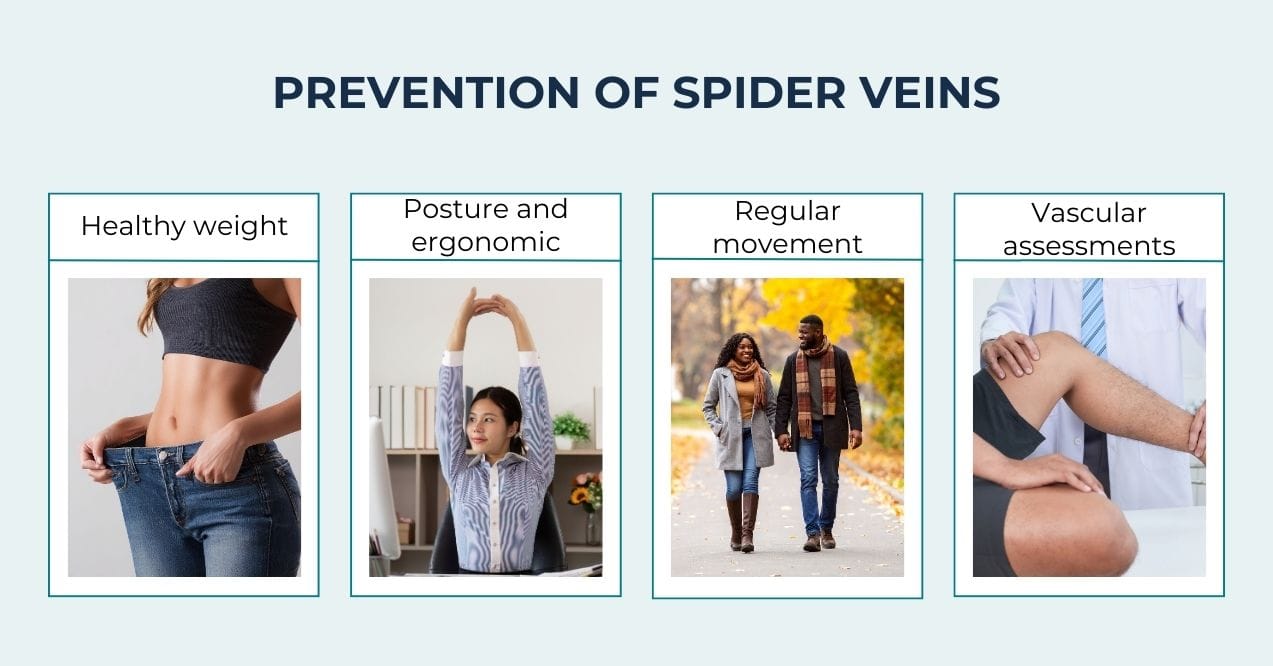
The prevention of spider veins requires consistent attention to lifestyle factors over years and decades. While no approach guarantees complete protection, these strategies significantly reduce your risk and may slow progression of existing vein changes.
Maintain a healthy weight
Excess body weight increases pressure throughout your circulatory system, particularly in leg vessels that must overcome gravity. Even modest weight reduction of 5-10% can meaningfully lower venous stress.
Focus on gradual, sustainable changes rather than rapid drops that often prove temporary. Combine portion awareness with increased activity for lasting results. Weight management protects not only your veins but your overall cardiovascular function and joint health.
Improve posture and desk setup
Slouching compresses abdominal vessels and restricts blood flow from legs back to the heart. Sit with feet flat on the floor or use a footrest to maintain a 90-degree angle at your knees.
Position your computer screen at eye level to avoid neck strain that affects upper body circulation. Stand up and walk briefly every hour. Consider an ergonomic chair with proper lumbar support. These adjustments create better conditions for healthy blood flow throughout your workday.
Consider professional guidance early
Annual vascular assessments become particularly valuable if you have a strong family history of vein concerns or notice early spider vein development. Early intervention with targeted lifestyle modifications may slow progression before visible changes become more pronounced.
Baseline evaluations establish a reference point for monitoring changes over time. Understanding the stages of varicose veins helps you recognize when your condition may benefit from additional help beyond lifestyle measures alone.
Conclusion
While genetics and aging influence spider vein development, your daily choices significantly impact whether these vessels become visible. Consistent movement, circulation-supportive nutrition, adequate hydration, and proper leg care form the foundation of an effective approach. Start implementing these strategies today, focusing on sustainable habits that support your vascular health for life. For cosmetic concerns about existing spider veins, explore options for how to cover spider veins on legs while you work on long-term vein health.
While you cannot completely eliminate genetic or age-related risk, lifestyle modifications can significantly reduce spider vein likelihood. Daily movement, proper nutrition, and weight management support healthy vein function and may delay or minimize visible vessel changes.
Elevate legs frequently, wear compression stockings, exercise daily within your comfort level, and stay well-hydrated. Pregnancy-related spider veins often improve after delivery, but prevention strategies can minimize their appearance and support circulation during this high-risk period.
Starting prevention strategies in your twenties or thirties offers the most benefit, before age-related vein changes begin. However, implementing healthy circulation habits at any age can slow progression and support vascular health going forward.
Foods rich in vitamin C (citrus, peppers, berries), bioflavonoids (buckwheat, grapes, cherries), and omega-3s (salmon, flaxseeds, walnuts) support vein wall strength. A diet high in fiber and water with minimal processed foods also promotes vascular health.
Sign up for our Healthy Living newsletter!
Advertisement. This site offers health, wellness, fitness and nutritional information and is designed for educational purposes only. You should not rely on this information as a substitute for, nor does it replace, professional medical advice, diagnosis, or treatment. If you have any concerns or questions about your health, you should always consult with a physician or other health-care professional. Do not disregard, avoid or delay obtaining medical or health related advice from your health-care professional because of something you may have read on this site. The use of any information provided on this site is solely at your own risk.
Related Articles
Why Do My Legs Feel Heavy and Weak All the Time?
Written by Donatas Leikas | January 2, 2026
Can Varicose Veins Disappear With Exercise?
Written by Donatas Leikas | December 29, 2025
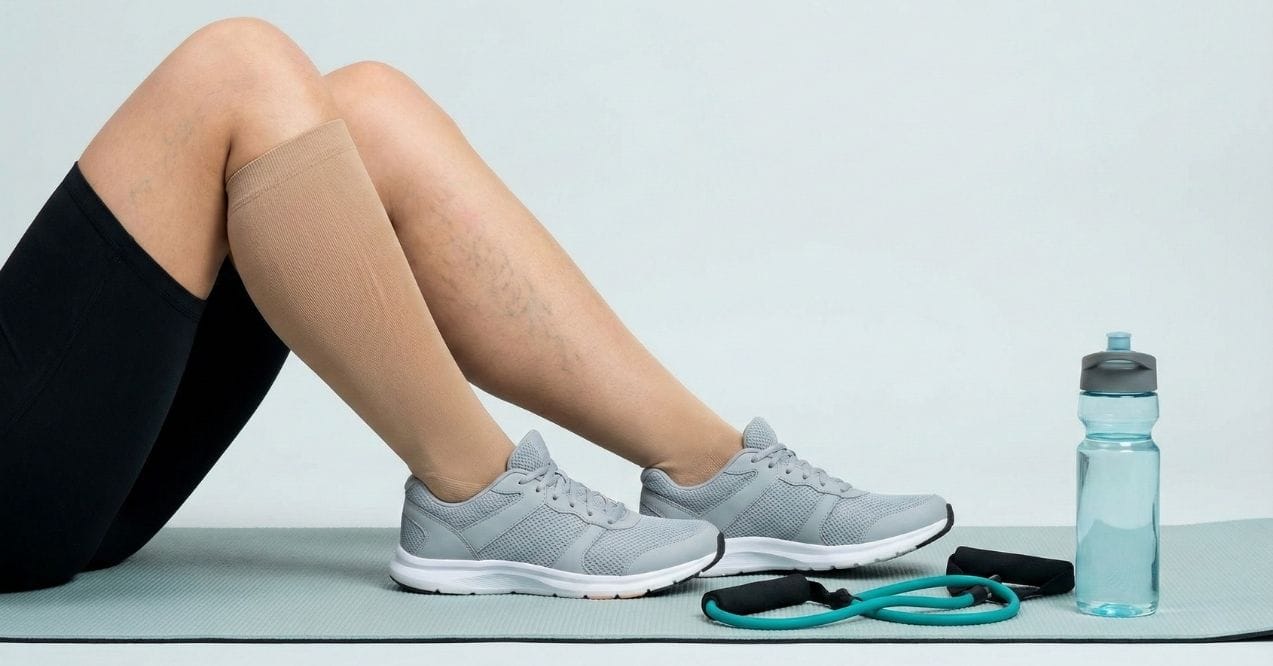
Spider Veins on Ankles: Causes, Prevention & Solutions
Written by Donatas Leikas | October 23, 2024
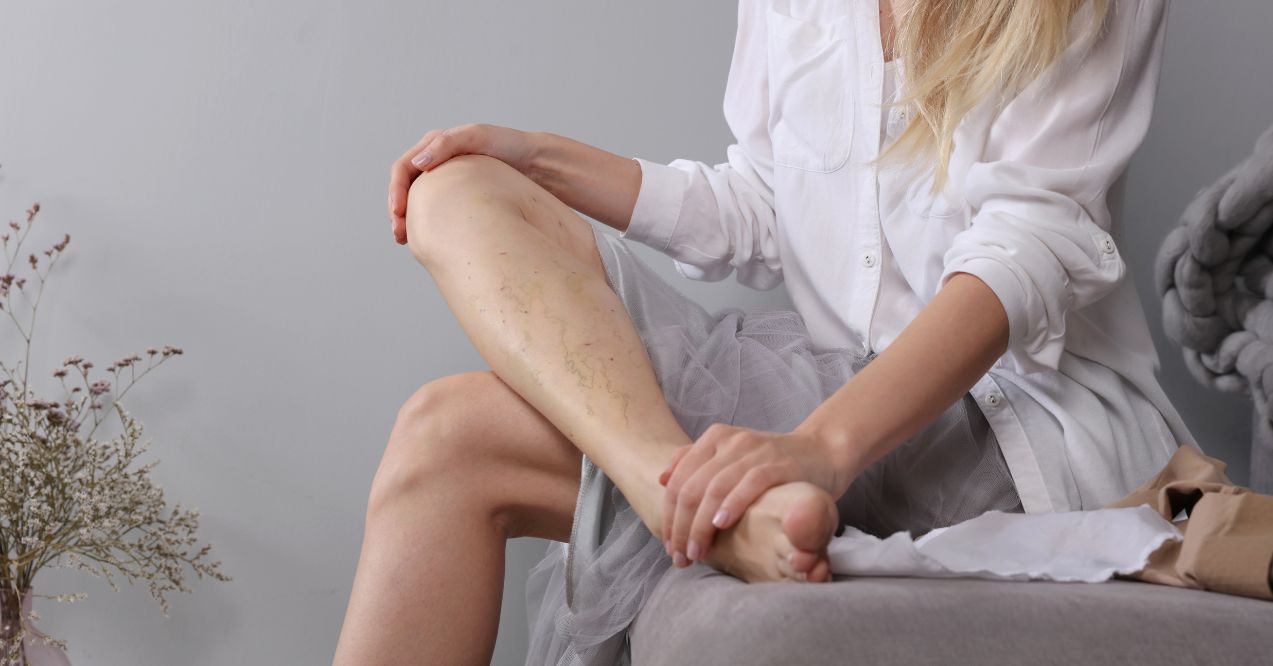
How to Cover Spider Veins on Legs? 4 Best Tips
Written by Donatas Leikas | August 22, 2024
Do Spider Veins Itch? Everything You Need to Know
Written by Donatas Leikas | July 16, 2024
Spider Veins on Face? Common Causes and Treatments
Written by Donatas Leikas | March 22, 2024