Does Matcha Cause Infertility?
Does matcha cause infertility? Science says no. Here’s what research shows about matcha, fertility, and safe intake.


 On This Page:
Does matcha cause infertility? The short answer is no. There is no scientific evidence linking matcha consumption to fertility problems in women or men.
This concern has gained attention recently through social media, but current research shows that matcha may actually benefit reproductive health when consumed in moderation. This article examines what science says about matcha’s impact on fertility, covering its nutrient profile, potential benefits for reproductive wellness, and guidelines for those trying to conceive.
Why Are People Asking if Matcha Causes Infertility?
The question “can matcha cause infertility” has become increasingly common online, particularly on platforms where health trends spread rapidly. These concerns stem from misinterpreted information rather than scientific findings.
The Social Media Influence
TikTok videos and social media posts have amplified concerns about matcha and reproductive health, often without scientific backing. These viral claims typically lack context about dosage, study quality, or actual fertility outcomes.
The phrase “can matcha cause infertility” has trended as clickbait content, creating unnecessary worry for those trying to conceive. When health information spreads through social platforms, nuance often gets lost in favor of attention-grabbing headlines.
Setting the Record Straight
Current research does not back the claim that matcha causes infertility. A thorough 2018 review published in Nutrients examined green tea polyphenols and fertility, finding potential benefits rather than harm.
The study noted that compounds in green tea, including those concentrated in matcha, may help reproductive function through antioxidant activity. No credible research has established a negative link between moderate matcha consumption and fertility outcomes in healthy adults.
What Science Actually Says About Matcha and Fertility
Research on green tea and matcha suggests several ways these compounds may aid reproductive wellness. The evidence points toward benefits rather than risks.
Nutrients That May Support Reproductive Function
Matcha contains several compounds relevant to fertility health. The table below outlines key nutrients and their potential roles:
| Nutrient | Amount Per Serving | Potential Fertility Support |
| Iron | 1.7 mg | May aid healthy ovulation cycles |
| Folate | 19 mcg | Essential for early cellular development |
| Vitamin C | 2.8 mg | Enhances iron absorption |
| Zinc | 0.6 mg | Contributes to reproductive cell function |
| L-theanine | 19-44 mg | Helps with relaxation and stress balance |
These nutrients work together to aid various aspects of reproductive health, though matcha alone should not be considered a fertility treatment. Iron and vitamin C work particularly well together, as vitamin C improves the body’s ability to absorb plant-based iron sources.
Hormonal Balance and Polyphenols
Matcha contains polyphenols that may influence hormone regulation through several pathways. The fiber content aids digestive health, which plays a role in estrogen metabolism.
Antioxidants in matcha may help maintain cellular health in reproductive organs. While these effects appear promising, matcha for fertility should be viewed as one part of overall wellness rather than a targeted intervention.
Is Caffeine in Matcha a Risk for Fertility?
Caffeine content is often a primary concern for those wondering about matcha’s fertility effects. The comparison to other caffeinated beverages provides important context.
Guidelines for Conception Planning
Health authorities recommend limiting caffeine to 200mg daily when trying to conceive or during pregnancy. This threshold allows room for moderate matcha consumption.
The table below compares caffeine levels across common beverages:
| Beverage | Serving Size | Caffeine Content |
| Matcha | 1 tsp (2g) | 35-70 mg |
| Brewed Coffee | 8 oz | 95-165 mg |
| Black Tea | 8 oz | 40-70 mg |
| Green Tea | 8 oz | 25-50 mg |
Matcha provides steady energy from its caffeine and L-theanine combination, making it a gentler option than coffee for many people. The L-theanine helps smooth out caffeine’s effects, reducing jitters and crashes.
Does Matcha Decrease Fertility?
So, does matcha decrease fertility? Based on current evidence, the answer is no.
Studies examining green tea consumption at typical levels have not identified negative fertility effects. Research on caffeine and conception suggests that moderate intake does not impair reproductive function in healthy adults.
The key is moderation, keeping total daily caffeine from all sources within recommended limits.
Matcha’s Potential Benefits for Fertility Health
Rather than causing harm, matcha may offer some advantages for reproductive wellness through its unique compound profile.
Cellular Protection Through Antioxidants
Cell damage from unstable molecules can affect both egg and sperm cell quality over time. Matcha contains high levels of catechins, particularly EGCG, which neutralize these harmful molecules in the body.
This protective activity may help maintain cellular health in reproductive tissues. While more research is needed on direct fertility outcomes, the protective effects on cells are well-documented across multiple studies.
Stress Management and L-Theanine
L-theanine, an amino acid abundant in matcha, helps you relax without drowsiness. This compound may help with fertility indirectly by:
- Calming mental states during stressful periods
- Balancing the stimulating effects of caffeine
- Maintaining healthy cortisol patterns
Chronic stress can disrupt reproductive hormone balance, making stress management an important aspect of fertility health. Matcha’s unique combination of caffeine and L-theanine provides focused energy while helping you stay relaxed.
Matcha and Male Fertility: What’s the Link?
Research on matcha and fertility extends to male reproductive health, with several studies examining green tea compounds and sperm parameters.
Sperm Cell Quality and Antioxidants
Male fertility depends significantly on sperm cell health, including motility and morphology. Antioxidants in green tea may help protect these parameters by reducing cellular damage to developing sperm cells.
Several studies have noted that men who consume green tea regularly show markers of healthy sperm function, though lifestyle factors play a larger role than any single dietary component. The question “does matcha affect fertility” in men appears to lean toward potential benefits rather than risks.
Inflammation and Reproductive Health
Chronic inflammation can affect reproductive tissues in both men and women. The polyphenols in matcha may help modulate inflammatory responses throughout the body.
While matcha should not replace healthy lifestyle habits, it may complement efforts to maintain reproductive wellness. Understanding male hormone patterns provides additional context for how dietary choices fit into broader fertility health.
When and How to Enjoy Matcha for a Fertility-Friendly Lifestyle
Incorporating matcha into your routine requires attention to timing and quantity, especially when conception is a goal.
Timing and Serving Suggestions
Most people benefit from limiting matcha to 1-2 servings daily, ideally consumed before early afternoon. This timing allows caffeine to clear your system before bedtime.
One teaspoon of matcha powder provides approximately 35-70mg of caffeine, leaving room for other dietary sources while staying within recommended limits. Quality matters too, as ceremonial-grade matcha tends to have smoother energy effects than lower grades.
The Bigger Fertility Picture
Matcha can be one helpful element within a well-rounded approach to reproductive health:
- Prioritize whole foods rich in nutrients
- Maintain consistent sleep patterns
- Engage in regular movement you enjoy
- Manage stress through various techniques
No single food or beverage determines fertility outcomes. Matcha and fertility health connect through overall lifestyle patterns rather than isolated dietary choices.
Our Matcha Supplement for Daily Support
For those seeking the benefits of matcha in a convenient form, PureHealth Research offers high-grade Matcha pills designed for daily wellness. Each capsule contains matcha from shade-grown green tea leaves, preserving the natural antioxidant profile without preparation requirements.
Our formula provides standardized amounts of beneficial compounds, including EGCG and L-theanine, in an easy-to-take format. The supplement delivers matcha’s potential benefits without the taste or preparation time that traditional powder requires.
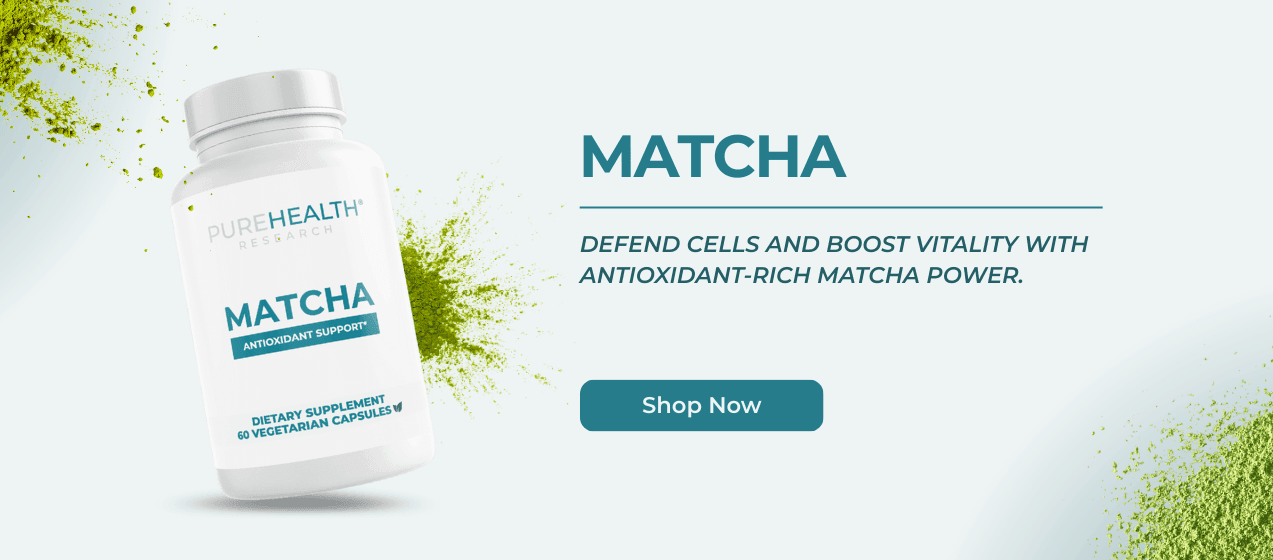
For fertility-conscious individuals, the precise dosing helps maintain moderate daily intake while getting antioxidant benefits. The capsules contain pure matcha extract without fillers or artificial ingredients, ensuring you receive the compounds that matter most.
This format works well for busy schedules while providing the same polyphenols and catechins found in traditionally prepared matcha tea.
Conclusion
The evidence clearly shows that matcha does not cause infertility. Current research actually suggests potential benefits for reproductive wellness through antioxidant activity, stress reduction, and nutrient content. When consumed in moderation as part of a balanced lifestyle, matcha appears to be a safe choice for those trying to conceive. Focus on overall health patterns rather than worrying about individual foods, and enjoy your matcha with confidence.
No. Scientific research has not established any link between matcha consumption and infertility in women or men when consumed in moderate amounts.
Matcha may help with hormone balance indirectly through its antioxidant content, fiber, and stress-reducing L-theanine. However, it should not replace other healthy habits.
Yes. Research suggests that antioxidants in matcha may help with sperm cell health and male reproductive function when consumed as part of a balanced diet.
One to two servings daily (1-2 teaspoons of powder) falls well within safe caffeine limits. This provides approximately 70-140mg of caffeine per day.
Sign up for our Healthy Living newsletter!
Advertisement. This site offers health, wellness, fitness and nutritional information and is designed for educational purposes only. You should not rely on this information as a substitute for, nor does it replace, professional medical advice, diagnosis, or treatment. If you have any concerns or questions about your health, you should always consult with a physician or other health-care professional. Do not disregard, avoid or delay obtaining medical or health related advice from your health-care professional because of something you may have read on this site. The use of any information provided on this site is solely at your own risk.
Related Articles
Can I Take Iron and Vitamin C Together?
Written by Donatas Leikas | December 26, 2025
Does Soy Sauce Cause Heartburn?
Written by Donatas Leikas | October 10, 2025

Can a Hearing Aid Cause Vertigo?
Written by Vytautas Vaitkevicius | September 30, 2025
Why Do I Always Have Mucus in My Throat?
Written by Donatas Leikas | September 23, 2025

PureHealth Research Will Be Available at 643 The Vitamin Shoppe Stores Nationwide
Written by Donatas Leikas | September 12, 2025

What Does a Dehydration Headache Feel Like?
Written by Donatas Leikas | September 9, 2025