Does GLP-1 Cause Muscle Loss?
GLP-1 may cause some lean mass loss during weight loss. See what research suggests and which habits may support muscle.


 On This Page:
Does GLP-1 cause muscle loss? Some lean tissue may be lost during GLP-1-related weight loss, but the compound itself is rarely the main driver. What matters more is how quickly weight changes, how much protein a person eats, and whether they stay physically active.
Most people asking this are not thinking about body composition charts in abstract terms. They want to know whether they will feel weaker, look smaller in the wrong places, or lose progress they have worked for. This article breaks down what the science actually shows and what practical steps may help protect muscle along the way.
GLP-1 and Muscle Loss: What the Research Really Shows
Does GLP-1 cause muscle loss in a unique or disproportionate way? Based on current published data, it does not appear to. Some lean tissue is typically lost during any meaningful weight reduction, with or without GLP-1.
A 2024 review in The Lancet Diabetes & Endocrinology noted that lean mass losses during GLP-1 therapy range from 25% to 39% of total weight lost, which is higher in absolute terms than in smaller dietary interventions, largely because GLP-1 therapy tends to produce greater overall weight loss. The real contributors are calorie reduction, lower protein intake, reduced activity, and the pace of weight change rather than the compound itself.
| Factor | Why It Matters | What to Focus On |
| Protein intake | Muscle requires steady amino acid availability | Spread protein across meals, not just one sitting |
| Rate of weight loss | Faster loss leaves less time for the body to adapt | Gradual, steady weight reduction may better protect lean tissue |
| Resistance training | Movement signals the body to maintain muscle | Two to three sessions weekly may make a meaningful difference |
| Starting muscle mass | Less muscle at the outset means a smaller buffer | Higher protein and activity become proportionally more important |
Lean Mass Is Not the Same as Muscle Function
Lean body mass is a broad measurement. It includes skeletal muscle, but also bone, water, organs, and connective tissue, so numbers that report lean mass reductions are not reflecting muscle alone.
A review published in Circulation found that skeletal muscle volume changes during GLP-1 therapy appear largely adaptive, proportionate to the weight lost, and often accompanied by improvements in muscle fat infiltration. Functional strength may hold up better than raw numbers suggest, particularly when protein intake and resistance training remain consistent.
Why the Numbers Vary So Much
Percentages reported across articles differ widely because the published data itself varies significantly. Some analyses measure lean body mass using DXA, while others use MRI to assess actual skeletal muscle volume, which produces more precise results. Population differences in age, activity level, and starting body composition also play a role.
The pace of weight loss further complicates comparisons, with faster reduction generally showing higher proportional lean mass loss. These variables, more than the compound itself, explain the wide range of figures seen across sources.
| Term | What It Means | Why It Matters | What to Watch |
| Lean body mass | All non-fat tissue including organs, bone, water | Broad measurement; often misread as “muscle” | Does not tell the full story on its own |
| Skeletal muscle mass | Actual muscle tissue only | More specific indicator of physical capacity | Best assessed through functional testing |
| Muscle strength | Force the muscle can produce | Practical marker of daily function | Track via resistance training performance or grip |
| Muscle quality | Muscle composition, including fat infiltration | A leaner muscle may function better even at lower mass | May improve during weight loss even as mass decreases |
Why Does GLP-1 Cause Muscle Loss in Some People?

When muscle loss with GLP-1 occurs beyond what weight reduction alone would predict, specific lifestyle patterns are usually involved. GLP-1 reduces appetite and slows gastric emptying, which can make eating consistently more difficult. For people who were already not prioritizing protein or resistance training, those gaps tend to widen during weight loss, and the combined effect becomes more significant.
Appetite Changes Can Lower Protein Intake
GLP-1 works in part by reducing hunger signals and slowing the rate at which the stomach empties. For a fuller picture of how GLP-1 works, the appetite-reducing effect can be significant enough that many people unintentionally fall short of their daily protein needs. Muscle requires a steady supply of amino acids to maintain itself, and inconsistent intake over time may gradually contribute to lean tissue loss even when weight is being managed successfully.
Fast Weight Loss Can Increase the Risk
When weight comes off quickly, the body does not always have time to adjust well. Lean tissue may be broken down alongside fat, particularly when caloric intake drops sharply.
In general, slower and steadier weight loss may be easier on lean tissue than more rapid loss. For context on how much weight loss to expect on a GLP-1, the pace of change matters as much as the total amount.
Low Muscle Stimulus Makes a Difference
The body responds to demand. When someone is not using their muscles regularly, or when a calorie deficit limits the energy available for recovery, there is less biological reason to maintain lean tissue. Resistance training is one of the clearest lifestyle signals for preserving muscle during weight loss. Without that ongoing stimulus, lean tissue is more vulnerable to gradual reduction as part of overall weight loss.
| Factor | Why It Matters | What to Focus On |
| Low protein intake | Muscles depend on amino acids for maintenance | Aim for a meaningful protein source at each meal |
| Rapid weight loss | Increases the proportion of lean tissue lost | Work toward gradual, steady weight reduction |
| Minimal strength training | Reduces the body’s signal to preserve muscle | Add resistance movement two to three times weekly |
| Low overall activity | Inactivity reduces metabolic demand on muscle | Daily movement, walking, and structured activity all contribute |
How to Support Muscle While Using GLP-1
A few consistent habits may significantly change how the body responds during weight loss. The approaches that matter most are not complex, but they do require intention, especially when appetite is lower and meals are smaller.
Prioritize Protein Throughout the Day
Protein spread across multiple meals tends to support muscle maintenance more effectively than concentrating intake in one sitting. Choosing foods that naturally pair well with daily GLP-1 support can also make a difference.
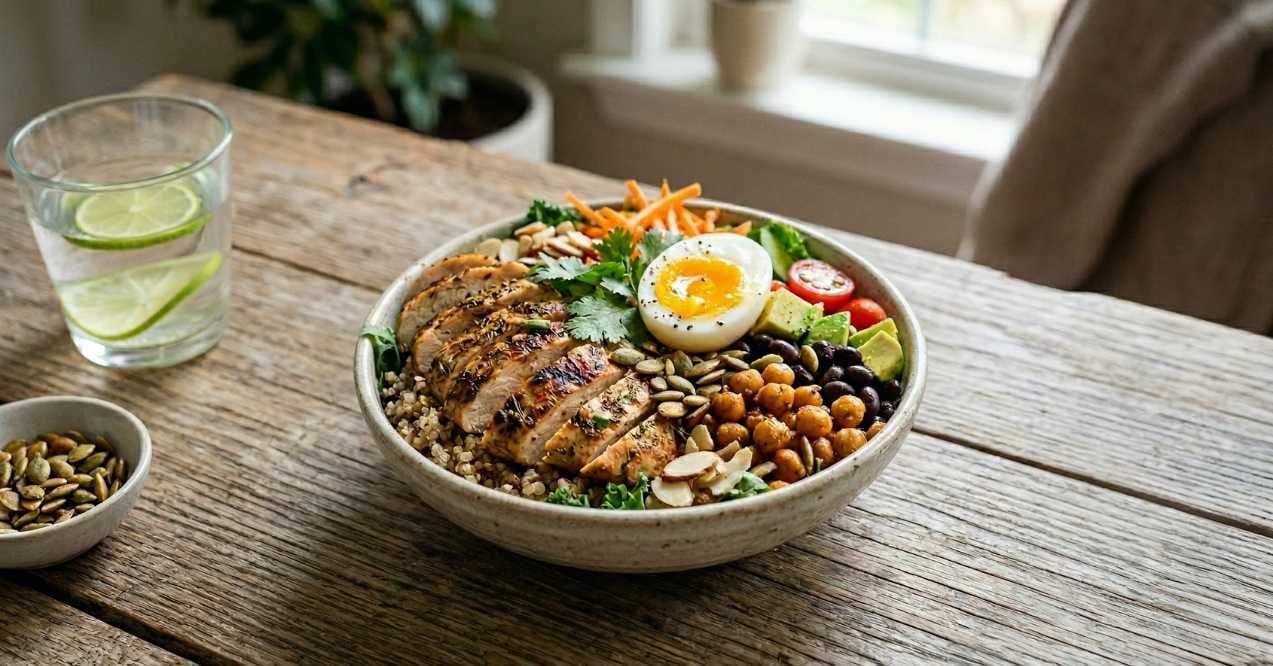
For practical ideas on what foods support GLP-1 naturally, lean proteins, legumes, eggs, and fatty fish are solid starting points. Even on days when appetite is low, prioritizing small, protein-forward meals consistently may help maintain the amino acid availability muscle needs.
Make Strength Training a Core Habit
Resistance training is one of the clearest lifestyle signals for preserving muscle during weight loss. Two to three sessions per week using bodyweight movements, resistance bands, or light weights may produce meaningful results without requiring a gym or a complex program.
Exercises that work large muscle groups, such as squats, rows, and push-up variations, are particularly efficient. Consistency over time matters considerably more than the intensity of any single session.
Track More Than the Scale
Weight alone does not tell a complete story. Grip strength, how easily stairs feel, recovery time after activity, and general energy levels may all give a more useful picture of what is happening with muscle.
If functional markers like these are holding steady or improving, that is a meaningful sign even when the scale is moving downward. Muscle quality often reflects better in these day-to-day functional signs than in body weight alone.
Who May Want to Pay Closer Attention?
Not everyone carries the same level of muscle loss risk during weight loss. Certain patterns may make it worth being more intentional about protein and movement from the start.
People With Lower Protein Intake or Lower Activity
Those who were not eating much protein or staying active before starting GLP-1 may find that reduced appetite amplifies those existing gaps. When less food is eaten overall and protein was already inconsistent, maintaining lean tissue becomes harder. A straightforward shift toward protein-first eating and light resistance work may help close that gap without requiring a complete lifestyle overhaul.
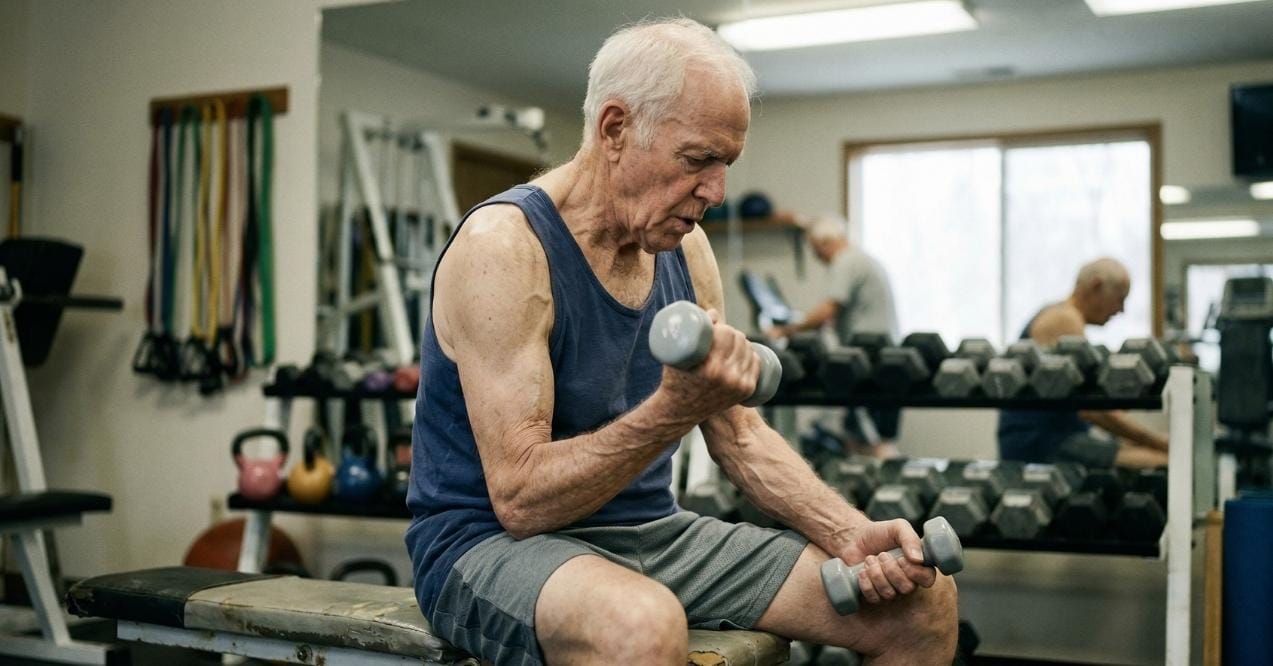
Older Adults and People Starting With Less Muscle
Muscle mass naturally declines with age, which means that people with less lean tissue at the outset have a smaller buffer during weight loss. A 2025 review published in Pharmacological Research noted that older and more frail individuals may warrant closer attention during GLP-1-related weight loss due to a higher baseline risk of progressive muscle decline.
In this group, higher protein intake and structured resistance training become proportionally more valuable, and both habits are worth establishing early.
Those Losing Weight Rapidly
Faster weight reduction raises the proportion of lean tissue that may be lost alongside fat. Slowing the pace where possible, maintaining protein consistency, and keeping up with regular muscle use may collectively reduce that risk. Monitoring how strength, stamina, and daily function feel from week to week is a practical way to stay aware of how the body is responding and whether any adjustments are worth making.
Can Nutrition Support Help?
When lifestyle habits alone are not quite enough to meet protein needs, targeted nutrition support may offer a practical bridge, particularly during periods when appetite is consistently lower.
Because lower appetite can make supportive habits harder to keep consistent, some readers may want an added way to round out their routine. PureHealth Research’s all natural GLP-1 supplements can complement a balanced approach focused on steady nutrition, daily consistency, and long-term support during a GLP-1 journey.

When Protein Support May Be Useful
Meeting daily protein needs through whole foods alone can become a challenge when appetite is consistently reduced. Protein-rich supplements, powders, or fortified foods may offer a practical way to maintain intake on days when full meals feel like too much.
Options that mix easily into warm liquids, soups, or simple snacks tend to work well during periods of lower appetite. The aim is building a reliable daily routine rather than hitting a precise number on any single day.
Simple Habits That Make Protein Easier
A few small adjustments may make consistent protein intake considerably more manageable:
- Keep ready-to-eat protein options within easy reach, such as hard-boiled eggs, cottage cheese, or Greek yogurt
- Add a protein source to the first meal of the day, even when that meal is small
- Prepare protein-rich ingredients in advance so they are easy to add to simple meals throughout the week
- On days when solid food feels like too much, opt for liquid or blended protein options that are easier to consume
Building a repeatable, low-effort routine matters more than perfect adherence to a specific number every day.
Conclusion
GLP-1-related weight loss may include some lean tissue change, but the outcome depends far more on daily habits than on the compound itself. Adequate protein spread across the day, regular resistance training, and a measured pace of weight loss may significantly reduce how much lean mass is affected. The goal is not to avoid weight loss but to support the body through it with the right inputs in place, so that what remains is functionally strong and built to last.
Both fat and some lean tissue may be lost during GLP-1-related weight loss. Published data suggest lean mass makes up 25% to 39% of total weight lost, though actual skeletal muscle changes tend to be more modest and often adaptive.
Noticeable declines in strength, stamina, grip, or everyday physical function may indicate lean tissue loss beyond what is expected. Resistance training performance and general energy levels are more telling than scale weight alone.
Published guidance consistently points toward spreading a meaningful protein serving across three or more meals daily rather than relying on one large intake. Consistency throughout the day may support muscle maintenance more effectively.
Yes. Faster weight reduction tends to raise the proportion of lean tissue lost alongside fat. Gradual weight loss combined with adequate protein and resistance training may help protect lean mass more effectively.
Because muscle is metabolically active, substantial muscle loss may affect energy expenditure over time. Supporting muscle through protein and regular exercise during weight loss may help maintain a healthier metabolic rate.

Advertisement. This site offers health, wellness, fitness and nutritional information and is designed for educational purposes only. You should not rely on this information as a substitute for, nor does it replace, professional medical advice, diagnosis, or treatment. If you have any concerns or questions about your health, you should always consult with a physician or other health-care professional. Do not disregard, avoid or delay obtaining medical or health related advice from your health-care professional because of something you may have read on this site. The use of any information provided on this site is solely at your own risk.
Related Articles
GLP-1 and Inflammation: What Current Research Suggests
Written by Donatas Leikas | March 27, 2026

Does GLP-1 Increase Metabolism? What to Know
Written by Karolina Rutkute | March 25, 2026
How to Naturally Increase GLP-1 (Science-Backed Tips)
Written by Karolina Rutkute | March 23, 2026
How Much Weight Can I Lose on a GLP-1?
Written by Karolina Rutkute | March 20, 2026
Does GLP-1 Help With Menopause Weight Gain?
Written by Gabriele Slimaite | March 16, 2026

Does GLP-1 Lower Blood Sugar?
Written by Gabriele Slimaite | March 13, 2026