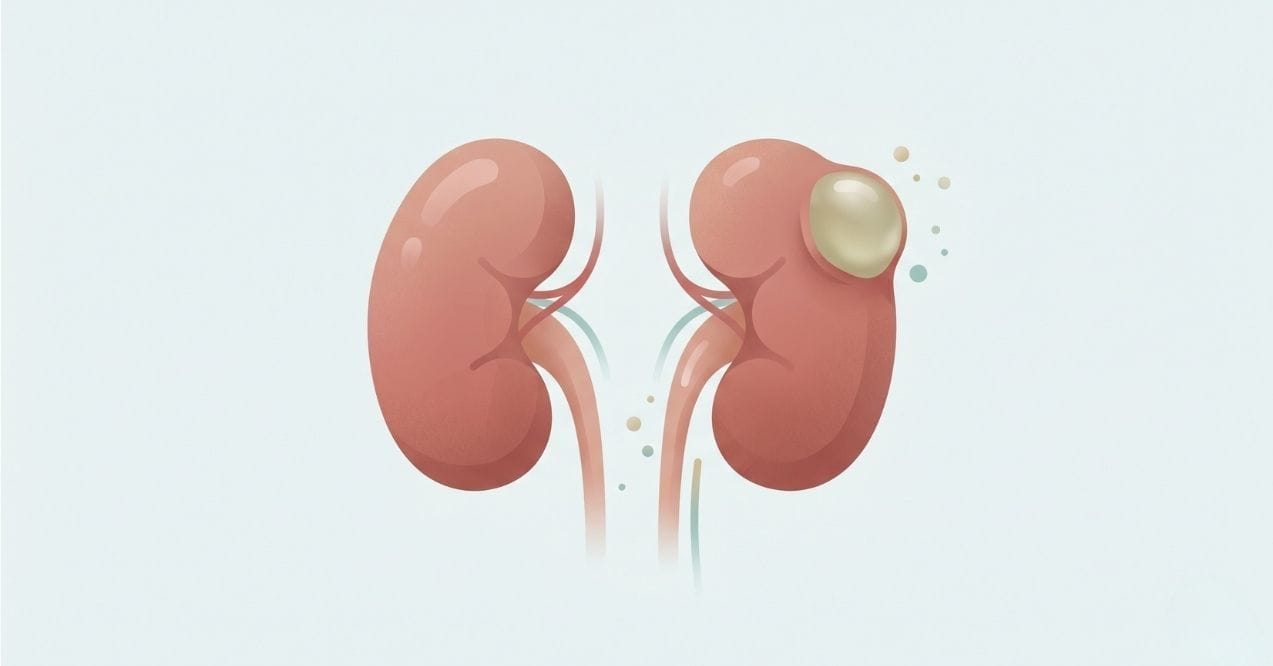
Can You Live Without Kidneys? The Complete Guide to Life Expectancy
Can you live without kidneys? Yes, but complete kidney loss requires life-sustaining dialysis or a transplant. You can, however, live a normal life with just one kidney, as it naturally enlarges to handle the filtration workload of two. Read on to learn about care and longevity.



 On This Page:
The human body contains several organs we can survive without. From the appendix to the gallbladder, certain organs can be removed with minimal long-term effects. But what about the kidneys, those bean-shaped organs working constantly to filter your blood?
The question of whether you can live without kidneys has become increasingly relevant as chronic kidney issues affect millions of people worldwide. While kidneys perform functions critical to survival, the answer may surprise you. The body’s ability to adapt allows for life with one kidney, and even without both, though the path forward looks very different in each scenario.
Can You Live Without Kidneys?
Yes, but the answer depends on which scenario we’re discussing. Your kidneys filter roughly 200 quarts of blood daily, removing waste products and excess fluid while balancing electrolytes in your system. They also play a role in red blood cell production and regulating blood pressure throughout your body.
These functions make kidneys critical to survival. However, one healthy kidney can perform these tasks effectively, allowing people to live full lives with just one. Living without both kidneys presents a different challenge entirely.
Without any kidney function, waste products accumulate in your bloodstream within hours, creating a life-threatening situation. Medical intervention through dialysis becomes essential to perform the filtering work your kidneys once handled naturally.
What Happens When One Kidney Is Removed?
Many people live with a single kidney for various reasons. Some are born with only one through a condition called renal agenesis, while others experience kidney dysplasia where two kidneys are present but only one functions properly. Surgical removal may occur following injury, malignant cell growth, or kidney donation to help someone in need.
When one kidney is removed, the remaining organ undergoes a process called compensatory hypertrophy. The kidney enlarges and increases its filtering capacity, eventually handling the workload of two kidneys.
Research shows that the remaining kidney can increase in size by approximately 35% within weeks, with blood flow expanding by about 20% to support the increased workload. Most people with one kidney experience normal life expectancy and few health complications.
The key difference involves taking extra precautions to protect your remaining kidney through healthy lifestyle choices and regular monitoring. For more detailed information about adapting to life with a single kidney, you can explore our guide on living with one kidney.
What Happens When Both Kidneys Are Removed?
Complete kidney failure creates an urgent medical situation. Without functioning kidneys, your body cannot eliminate waste products or maintain proper fluid and electrolyte balance. Toxins build up in your bloodstream, affecting other organs and bodily systems.
Within days, this accumulation becomes dangerous without intervention. The body simply cannot sustain itself without some form of kidney function, whether natural or artificial. This is where dialysis becomes not just helpful, but absolutely necessary for survival.
How Long Can You Live Without Kidneys?
How long can you live without kidneys depends entirely on whether you receive dialysis treatment. Without any form of kidney replacement therapy, survival time is measured in days to weeks at most. The body cannot function as waste products accumulate rapidly in the bloodstream.
With regular dialysis, however, people can live for many years. Life expectancy varies based on several factors including age at the start of treatment, overall health status, and the type of dialysis received. Research shows that individuals starting dialysis at age 40 may live an average of 20 to 30 years with proper treatment.
Those beginning treatment later in life typically have shorter survival times. The average five-year survival rate for people on dialysis is approximately 42% for hemodialysis and 52% for peritoneal dialysis, though many individuals live well beyond these averages.
Dialysis: A Lifesaving Substitute
Dialysis artificially performs the filtering function your kidneys once handled. Hemodialysis, the most common type, uses a machine to filter blood outside your body before returning it to your bloodstream. This typically requires three sessions per week, each lasting three to five hours.
Peritoneal dialysis takes a different approach, using the lining of your abdomen to filter blood internally. A special fluid is introduced into your abdominal cavity, absorbs waste products, and is then drained away. This method can often be performed at home daily.
Do You Need Both Kidneys to Live?
The short answer is no. One healthy kidney provides sufficient filtering capacity for normal bodily function. This might seem wasteful from a design perspective, but having two kidneys offers important advantages.
The redundancy ensures that if one kidney becomes compromised through injury or malignant cell growth, you have a backup system already in place. Your body doesn’t need to scramble to adapt because the second kidney is already operational. This built-in insurance policy has helped countless people survive kidney problems that would otherwise prove fatal.
Why Do We Need 2 Kidneys?
Having two kidneys provides a survival advantage by creating redundancy in a critical system. If early humans lost one kidney to injury or infection, they could still survive and reproduce, passing their genes to future generations.
From a functional standpoint, two kidneys also share the filtering workload, potentially reducing wear on each individual organ over a lifetime. The backup system means that even if one kidney operates at reduced capacity, the second can compensate. This redundancy extends to many paired organs in your body, from lungs to ovaries.
Living Without Kidneys: Long-Term Realities
Life on dialysis requires significant adjustments to daily routines and lifestyle habits. Treatment schedules must be maintained consistently, as missing sessions allows toxins to build up dangerously. Dietary changes become necessary to limit potassium, phosphorus, and sodium intake since your body can no longer regulate these minerals naturally.
Fluid consumption often requires monitoring to prevent overload between treatments. The emotional aspects of living without kidneys can be challenging. Many people experience fatigue after dialysis sessions and must plan activities around treatment schedules.
However, advances in dialysis technology continue to improve quality of life. Home dialysis options offer greater flexibility, and many people on dialysis maintain careers, hobbies, and active social lives. Kidney transplantation remains the preferred long-term solution when possible, offering freedom from dialysis and improved life expectancy compared to staying on dialysis indefinitely.
How Can Supplements Support Your Remaining Kidney Function?
Whether you are living with a single kidney that is working overtime, or looking to preserve whatever natural renal function you have left, reducing the daily workload on your urinary system is critical. Because your remaining kidney tissue must undergo compensatory growth to filter your blood, protecting it from oxidative stress and mineral buildup is your top priority.
While hydration and a low-sodium diet are your first lines of defense, your body often needs targeted nutritional support to maintain optimal filtration. At PureHealth Research, our supplements for kidney health collection is scientifically formulated to bridge the gap between daily lifestyle habits and comprehensive renal support.

Why Protect Your System With Our Formulas?
- Defend Against Crystallization: We utilize therapeutic doses of ingredients like Vitamin B6 (clinically shown to lower urine oxalate excretion) and Chanca Piedra (the botanical “stonebreaker” extract) to inhibit the formation of stones that could threaten your remaining kidney.
- Tissue Protection & Filtration: Key nutrients like Magnesium, Grape Seed Extract, and Turmeric Root Extract help maintain normal calcium balance, support healthy renal blood flow, and soothe oxidative stress within your delicate filtration tissues.
- Pure & Clean: Manufactured to be strictly gluten-free, dairy-free, soy-free, and non-GMO, ensuring you aren’t introducing new synthetic toxins into an already burdened filtration system.
Ready to protect your body’s master filter? Explore the full Kidney Health Supplements collection today!
Conclusion
The body’s ability to adapt to kidney loss demonstrates remarkable resilience. While you can live without kidneys through dialysis or with just one functioning kidney, understanding these organs’ importance encourages care and attention. Modern medicine has made living without kidneys possible through dialysis techniques, yet prevention remains vital. By caring for your kidney health today through thoughtful lifestyle choices, you invest in your long-term wellbeing.
Yes, but only with regular dialysis treatment or kidney transplantation. Without functioning kidneys and no medical intervention, survival is not possible beyond a few days.
Without dialysis, a person with complete kidney failure typically survives only days to weeks. The exact timeline varies based on overall health and the extent of kidney function loss.
Dialysis requires regular treatment sessions that take several hours, typically three times weekly for hemodialysis. Most people adapt well and maintain active lives despite schedule constraints and dietary modifications.
No, transplant is not required. Many people live on dialysis for years or decades. Transplant is preferred when possible due to improved quality of life and survival rates compared to remaining on dialysis.

Advertisement. This site offers health, wellness, fitness and nutritional information and is designed for educational purposes only. You should not rely on this information as a substitute for, nor does it replace, professional medical advice, diagnosis, or treatment. If you have any concerns or questions about your health, you should always consult with a physician or other health-care professional. Do not disregard, avoid or delay obtaining medical or health related advice from your health-care professional because of something you may have read on this site. The use of any information provided on this site is solely at your own risk.
Related Articles
How Can Kidney Stones Cause Gas and Bloating in the Stomach?
Written by Karolina Rutkute | April 28, 2026

What Do Kidney Stones Feel Like? The Complete Guide to Symptoms and Relief
Written by Karolina Rutkute | April 24, 2026

Does Tea Cause Kidney Stones? The Complete Guide to Safe Consumption
Written by Karolina Rutkute | April 21, 2026

Can the Kidney Heal Itself? Complete Guide to Natural Repair
Written by Karolina Rutkute | April 20, 2026
Can You Live With One Kidney? The Complete Guide to Care and Longevity
Written by Karolina Rutkute | April 17, 2026

What Size of Kidney Cyst Is Dangerous? The Complete Guide to Simple vs. Complex Cysts
Written by Karolina Rutkute | April 14, 2026