What Do Kidney Stones Feel Like? The Complete Guide to Symptoms and Relief
What do kidney stones feel like? Early stages cause a dull ache in your lower back. As the stone moves through the narrow ureter, it triggers intense, wave-like pain that radiates to your groin, often accompanied by nausea and urinary urgency. Read on for our complete guide.


 On This Page:
What do kidney stones feel like when they first start forming? How do those sensations change as the stone moves through your urinary system? You may be experiencing unfamiliar discomfort right now. Or you’re trying to understand what’s happening in your body.
This article walks you through the complete journey of kidney stone sensations. You’ll learn about the earliest warning signs. You’ll understand the intense phases of movement. And you’ll know what to expect during passage.
You’ll discover what happens at each stage. You’ll recognize when a stone is shifting position. You’ll learn which symptoms need immediate attention. This information is for educational purposes only. It should not replace professional medical guidance.
What Do Kidney Stones Feel Like?
The sensation of kidney stones varies significantly. Size matters. Location in your urinary tract matters. Most people don’t feel anything when a stone first forms. Symptoms appear when the stone begins moving.
The stone enters a narrow tube connecting the kidney to the bladder. This tube, called the ureter, measures only 3-4 millimeters wide. Your body reacts with muscle spasms. These spasms attempt to push the stone through. The contractions create the pain patterns people experience.
First Warning Signs
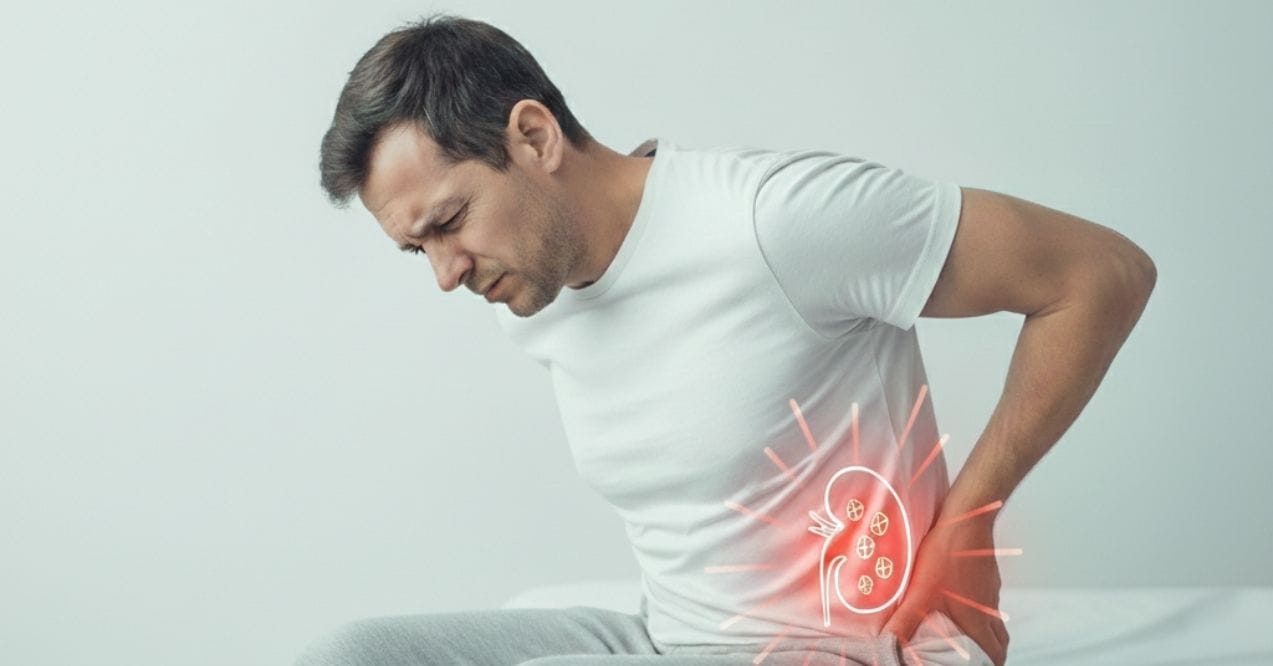
The earliest sensations appear as a persistent dull ache. This occurs in your lower back, just below your ribcage. The discomfort affects one side. It feels similar to a muscle strain that won’t resolve.
You might notice changes in your urination patterns. Needing to go more frequently than usual is common. A slight burning sensation may develop. Some people feel generally unwell before obvious symptoms appear.
These early signs occur as the stone begins its journey. The stone moves from the kidney into the ureter. Discomfort at this stage typically remains manageable. It feels different from ordinary back pain though. Movement and position changes don’t affect it.
When the Pain Ramps Up
The most intense sensations strike when the stone actively moves. The ureter is extremely narrow. Where do you feel the pain of a kidney stone? Sharp, severe pain radiates from your flank area.
Your flank is the side between your ribs and hip. Pain spreads around to your lower abdomen. The pain shoots toward your groin as the stone descends. This sensation comes in powerful waves.
Waves can last from minutes to several hours. Between waves, you experience periods of relative calm. Then intense discomfort returns suddenly. Many people describe this as extremely intense physical pain.
The waves occur because your ureter contracts rhythmically. The contractions try to push the stone downward. These spasms create characteristic cramping. The cramping intensifies and then temporarily subsides.
Is the Pain Constant or Intermittent?
Do kidney stones hurt all the time? Or does the discomfort come and go? The pain pattern is typically intermittent rather than constant. Medical professionals call this a “colicky” pattern.
The pain surges in waves. It builds to a peak before diminishing temporarily. The intermittent nature occurs because ureter muscles contract and relax. When the stone blocks urine flow completely, pressure builds. The pressure causes intense pain.
As pressure releases slightly, pain may decrease. The stone might shift position. Some people experience a persistent ache between severe waves. The pattern varies depending on several factors. Stone size affects it. Shape matters. Exact location in the urinary tract matters.
Larger stones may cause more consistent discomfort. Stones with rough edges create ongoing irritation.
Can You Feel Kidney Stones Moving?
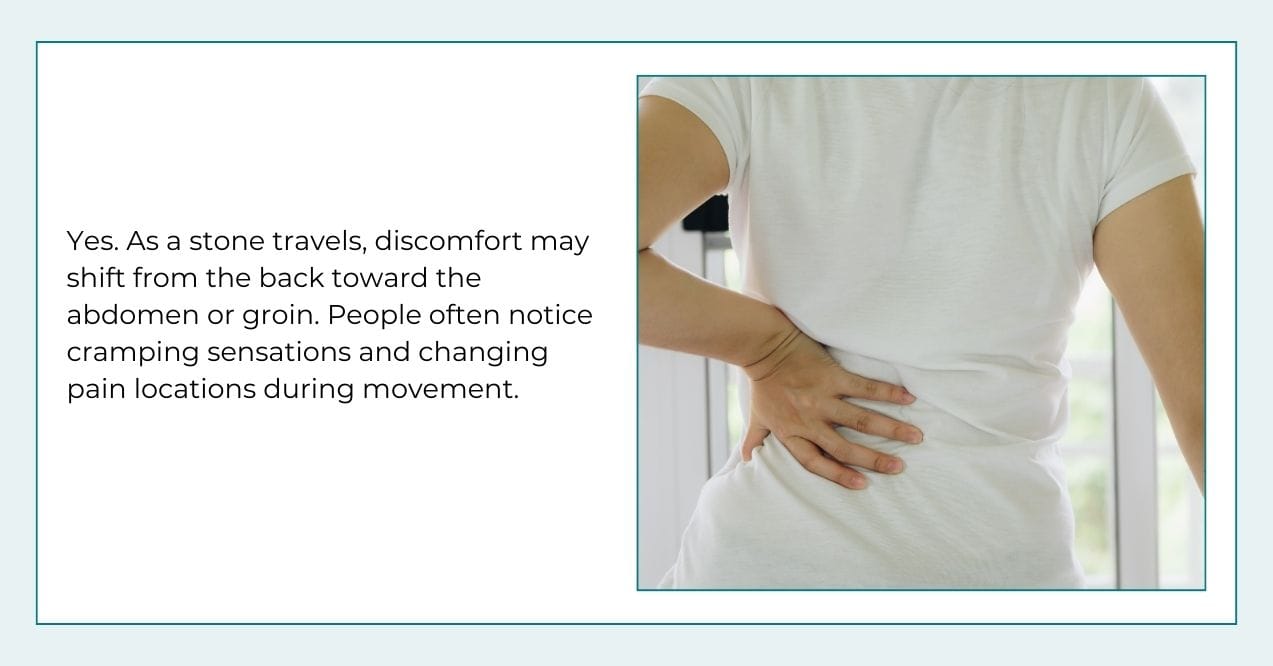
Can you feel kidney stones moving as they travel? Many people report distinct sensations of movement. The experience varies considerably though. The feeling often resembles something sliding or shifting.
You feel this inside your lower torso. Changes in pain location and intensity accompany it. As the stone moves through the ureter, pain moves with it. You might feel intense discomfort in your back.
A few hours later, the sensation migrated to your lower abdomen. Or it moved to your groin area. This shifting pattern strongly suggests movement. The stone is making its way toward your bladder.
The ureter undergoes spasms attempting to propel the stone forward. These spasms create sensations people describe as cramping. Or squeezing. You feel as though something is working through your system.
The movement isn’t always steady. Stones may pause in one location for hours. Sometimes they pause for days before continuing.
Signs That the Stone Is Shifting
Several indicators suggest your stone is changing position. A sudden shift in pain location is most obvious. Discomfort concentrated in your back may abruptly move. It shifts to your side or lower abdomen.
New urinary symptoms often accompany stone movement. Increased urgency develops. Frequency increases. Blood may appear in your urine. You might experience a temporary increase in pain intensity.
This happens as the stone navigates narrow passages. Or bends in the ureter. A sudden decrease in pain can indicate arrival. The stone has entered your bladder. There’s more space there. Less pressure exists.
Some people notice changes in the type of pain. Sharp stabbing sensations shift to a duller ache. Or a burning feeling develops.
What You Might Not Feel
Very small stones may pass with minimal symptoms. Typically these are stones under 4 millimeters. These tiny stones move through the ureter easily. They don’t cause significant blockage or irritation.
You might never know you had a kidney stone. Unless you notice it in the toilet. Or experience brief, mild discomfort. Some stones remain in the kidney without moving.
These cause no symptoms whatsoever. Imaging tests for unrelated conditions often discover them. The absence of pain doesn’t mean no stones exist. It means they haven’t reached a problematic size. Or they haven’t reached a problematic position.
How Does Passing a Kidney Stone Feel?
How does passing a kidney stone feel as it completes its journey? The experience involves several distinct phases. Each phase has characteristic sensations. Once the stone moves from ureter into bladder, pain reduces significantly.
The bladder offers much more space than the narrow ureter. The final passage through the urethra may cause burning. Or stinging. Or pressure sensations during urination.
Some people describe feeling the stone actually exit. Others only notice blood-tinged urine. Or small gravel-like particles in the toilet. The passing kidney stones feeling often includes intense pelvic pressure. A strong, sudden urge to urinate develops.
Descending Into the Bladder
When the stone reaches your bladder, you’ll notice dramatic change. The excruciating back and side pain typically subsides considerably. Or disappears entirely. This relief occurs because the bladder is larger. It’s more flexible than the ureter.
The bladder can accommodate the stone without intense spasms. However, new symptoms often emerge at this stage. You may experience sudden, powerful urges to urinate. This happens even when your bladder contains little urine.
Frequent trips to the bathroom become necessary. You might feel unable to completely empty your bladder. Some people report a sensation of fullness. Or pressure in the lower pelvis. This persists until the stone exits completely.
Final Exit and After-Effects
The sensation of the stone moving through the urethra varies. Stone size affects the experience. Personal sensitivity matters. Many people feel a distinct stinging during urination. Or burning as the stone passes through.
You might notice increased pressure during this phase. A brief sharp pain may occur as the stone exits. Blood in your urine is common at this stage. The stone can scratch the urinary tract lining.
The urine may appear pink, red, or brown. Does passing a kidney stone feel like a UTI? The symptoms can overlap significantly. Burning during urination occurs in both conditions. Urgency happens with both. Pelvic discomfort is common to both.
Professional evaluation helps determine the actual cause. If you’re wondering what can mimic kidney stone pain, several conditions share similar symptoms.
When the Pain Subsides
After the stone passes completely, most people improve rapidly. This improvement happens within hours. The intense waves of pain stop. Any remaining discomfort feels much milder.
However, some irritation may linger for a day or two. Your urinary tract heals from the stone’s passage. You should feel progressively better each day. If pain persists after passage, this may indicate another stone.
Or complications have developed. Monitor for signs of infection. Fever requires attention. Chills need evaluation. Cloudy, foul-smelling urine warrants care. These require prompt attention even after successful passage.
If You Have a Kidney Stone, Where Does It Hurt?
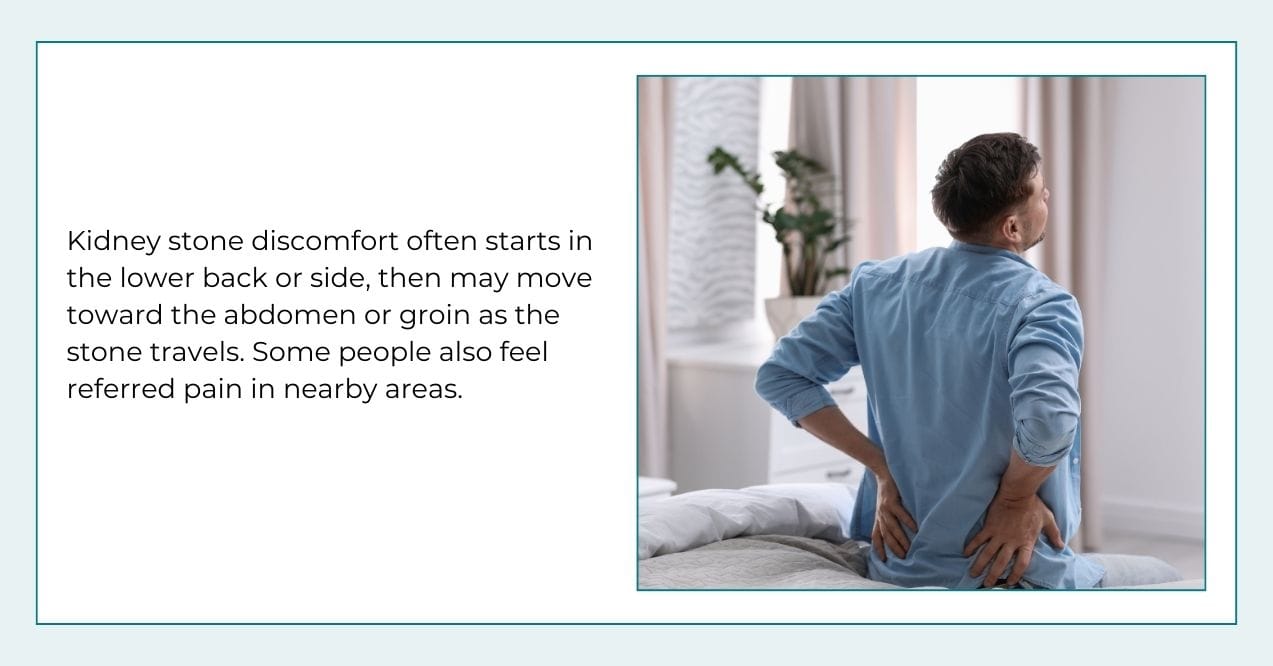
Understanding where kidney stone pain appears helps you recognize symptoms. It helps you communicate with healthcare providers. The location of discomfort directly relates to stone position. As the stone moves, so does the pain.
Typical Pain Zones
The most common pain locations include your flank area. Your lower back just below the ribcage hurts. One side of your abdomen aches. Pain typically affects only one side of your body.
Stones usually form in just one kidney at a time. As the stone descends through the ureter, discomfort radiates. It moves toward your groin and lower abdomen.
Many people feel pain most intensely in their back initially. Then they notice it spreading around their side. It moves toward the front of their body. The groin area often becomes increasingly uncomfortable. This happens as the stone approaches the bladder.
This characteristic pain migration pattern is distinctive. It helps distinguish kidney stones from other conditions.
Less Common Pain Locations
Some people experience pain in unexpected areas. The pelvic region has complex nerve pathways. Men may feel discomfort in the testicles. The stone is nowhere near that area though.
Women sometimes report pelvic pain. It resembles gynecological issues. The tip of the urethra can become sensitive. Or painful. This happens particularly as the stone nears the exit.
Some individuals experience referred pain in the upper thigh. Or hip area. These less typical pain patterns occur because of nerve connections. Nerves in the urinary tract connect to various body parts. Pain signals spread beyond the actual stone location.
When to Seek Medical Help
Many kidney stones pass without intervention. However, certain symptoms indicate you need professional evaluation. Severe, unmanageable pain warrants immediate attention. This is especially true if over-the-counter options don’t help.
Fever above 100.4°F combined with kidney stone symptoms suggests possible infection. This requires urgent care. Inability to urinate despite feeling the need signals a problem. Producing very little urine may indicate a complete blockage.
Heavy bleeding that makes urine bright red needs prompt assessment. Large clots in urine require evaluation. Persistent vomiting that stops you from keeping down fluids can cause problems. Harmful fluid loss requires intervention.
What You Should Monitor
Keep track of your symptoms. This helps healthcare providers assess your situation. Note any changes in pain intensity. Track pain location. Watch pain pattern changes.
Monitor your urine color and output. Dark, concentrated urine may signal dehydration. Or blockage. Decreasing urine volume needs attention.
Watch for signs of infection:
- Cloudy or murky urine
- Foul-smelling urine
- Chills or feeling feverish
- Increased pain rather than improvement over time
Temperature elevations warrant particular attention. This is especially true when combined with kidney stone symptoms. Document the duration of pain episodes. Note the frequency. This information helps healthcare providers determine the best action. If you’re concerned about dietary factors, protein intake affects kidney stone formation.
How Can Supplements Support Natural Kidney Function?
Once you know what kidney stones feel like, your immediate priority shifts to making sure you never have to experience that agonizing, wave-like pain again. While staying heavily hydrated and monitoring your diet are your first lines of defense, your body often needs targeted nutritional support to maintain optimal filtration and prevent the accumulation of crystallized minerals.
At PureHealth Research, our supplements for kidney health collection is scientifically formulated to bridge the gap between daily lifestyle habits and comprehensive urinary tract support.

Why Support Your System With Our Formulas?
- Defend Against Crystallization: We utilize therapeutic doses of ingredients like Vitamin B6 (clinically shown to lower urine oxalate excretion) and Chanca Piedra (the botanical “stonebreaker” extract) to inhibit the formation of stones caused by oxalate and calcium deposits.
- Tissue Comfort & Flow: Key nutrients like Magnesium, Turmeric Root Extract, and Grape Seed Extract help maintain normal calcium balance, support healthy renal blood flow, and soothe oxidative stress within your delicate filtration tissues.
- Pure & Clean: Manufactured to be strictly gluten-free, dairy-free, soy-free, and non-GMO, ensuring you aren’t introducing new synthetic toxins into an already burdened filtration system.
Ready to support your body’s master filters? Explore the full Kidney Health Supplements collection today.
Conclusion
Understanding what kidney stones feel like helps you recognize symptoms and anticipate changes. The sensations progress from subtle warning signs to intense, wave-like pain during movement, then relief as the stone reaches the bladder and exits. Each person’s experience varies based on stone size, location, and pain sensitivity. While this information helps interpret your body’s signals, it serves educational purposes only. Trust your instincts and seek professional evaluation when needed.
Yes, symptoms overlap significantly. Both cause burning during urination, urgency, and pelvic discomfort. However, kidney stones typically create intense, wave-like pain radiating from back to groin. UTI pain is more constant and focused in the lower abdomen.
Pain most commonly affects your flank area between ribs and hip. It also affects your lower back and one side. As the stone travels, pain radiates toward your groin and lower abdomen. Men may feel testicular discomfort.
Yes, pain characteristically comes in waves rather than remaining constant. The ureter contracts and relaxes in cycles, pushing the stone forward. Pain intensifies during contractions and subsides during relaxation. These waves can last minutes to hours with calm intervals between.

Advertisement. This site offers health, wellness, fitness and nutritional information and is designed for educational purposes only. You should not rely on this information as a substitute for, nor does it replace, professional medical advice, diagnosis, or treatment. If you have any concerns or questions about your health, you should always consult with a physician or other health-care professional. Do not disregard, avoid or delay obtaining medical or health related advice from your health-care professional because of something you may have read on this site. The use of any information provided on this site is solely at your own risk.
Related Articles
How Can Kidney Stones Cause Gas and Bloating in the Stomach?
Written by Karolina Rutkute | April 28, 2026

Does Tea Cause Kidney Stones? The Complete Guide to Safe Consumption
Written by Karolina Rutkute | April 21, 2026

Can the Kidney Heal Itself? Complete Guide to Natural Repair
Written by Karolina Rutkute | April 20, 2026
Can You Live With One Kidney? The Complete Guide to Care and Longevity
Written by Karolina Rutkute | April 17, 2026

What Size of Kidney Cyst Is Dangerous? The Complete Guide to Simple vs. Complex Cysts
Written by Karolina Rutkute | April 14, 2026
Can You Live Without Kidneys? The Complete Guide to Life Expectancy
Written by Karolina Rutkute | April 12, 2026