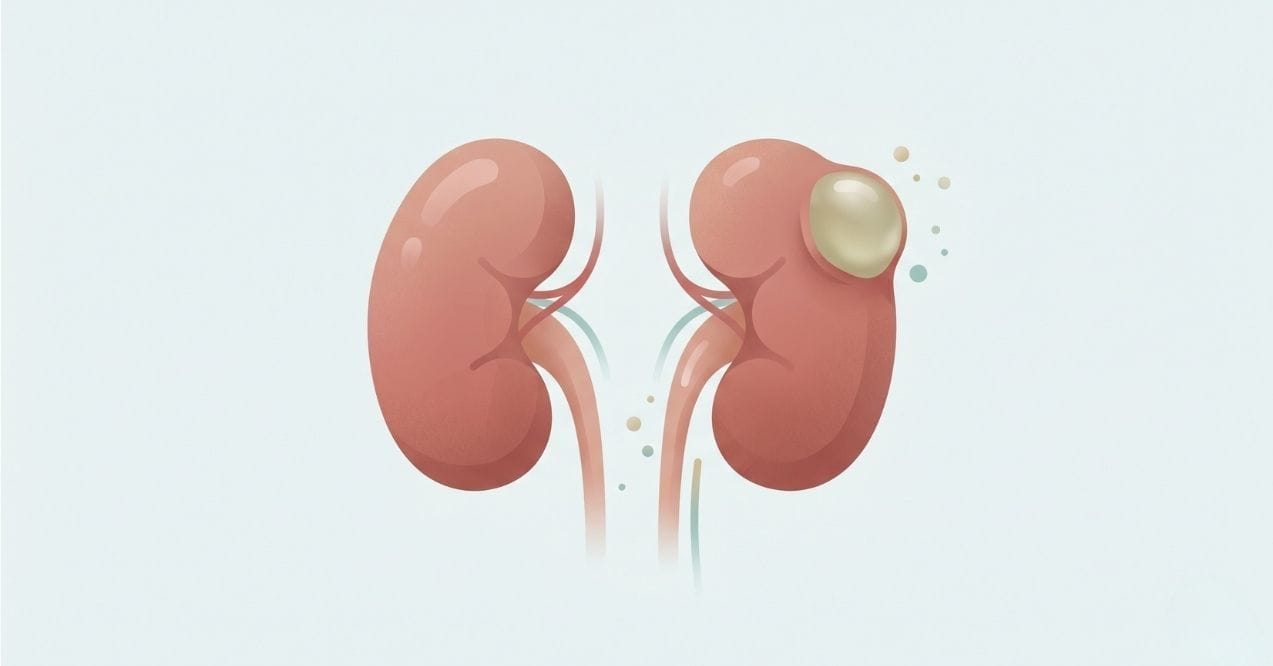
Can Too Much Protein Cause Kidney Stones? The Complete Guide
Can too much protein cause kidney stones? Yes, excess animal protein increases urinary calcium and uric acid while lowering protective citrate levels, creating an acidic environment that accelerates stone crystallization. Read on for our complete guide to safe protein limits.



 On This Page:
High-protein diets have become the go-to approach for weight loss and muscle building. From keto to paleo, these eating plans promise impressive results. But as more people load their plates with chicken breasts and protein shakes, a concerning question emerges about kidney health.
Can too much protein cause kidney stones? This question deserves a clear answer, especially for those who’ve increased their protein intake substantially. The connection between protein consumption and kidney stone formation involves several biological processes that affect how your kidneys function.
This article explores the scientific links between protein intake and kidney stones. You’ll discover which proteins pose the greatest risk, how much is safe to consume, and practical ways to protect your kidney health while meeting your nutritional needs.
Too Much Protein and Kidney Stones
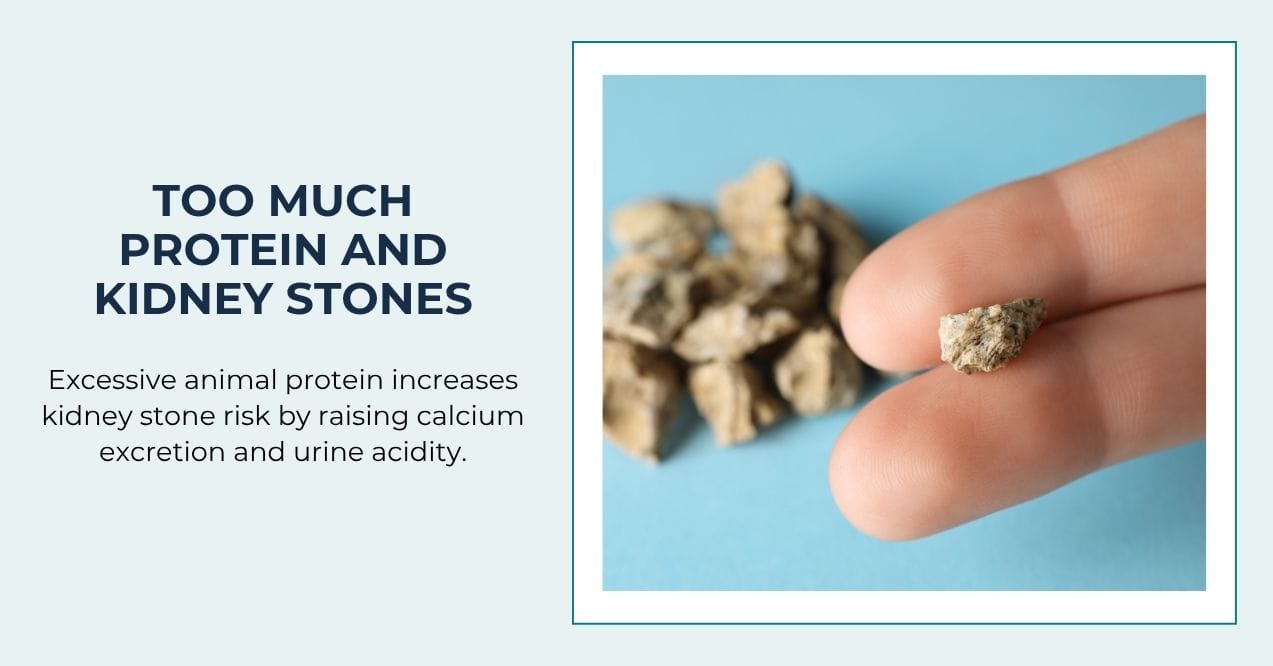
Can too much protein cause kidney stones? Yes, excessive protein intake, particularly from animal sources, may increase your risk of developing kidney stones. Research found that just six weeks on a high-protein diet increased the acid load to kidneys, raising stone formation risk.
When you consume large amounts of protein, especially animal protein, your body produces more calcium in the urine. A landmark study showed calcium excretion increased from 103 mg/day to 150 mg/day on an animal protein diet. This excess calcium can combine with other substances to form stones. Additionally, high-protein diets often reduce citrate levels in urine. Citrate acts as a natural protector against stone formation, so lower levels mean less protection.
Animal proteins also break down into uric acid, creating a more acidic urine environment. Clinical research demonstrates this acidity promotes both calcium oxalate and uric acid stone formation. While protein is essential for health, the type and amount you consume directly impacts your kidney stone risk.
How High-Protein Diets Affect Kidney Stone Formation
Your kidneys work hard to process protein. When you consistently eat large amounts, several changes occur in your urinary system that may promote stone development. These changes happen gradually but can significantly impact your kidney health over time.
More Calcium in Urine
Animal protein triggers your body to release more calcium through urine. This process, called hypercalciuria, creates an environment where calcium-based stones can form more easily. Multiple studies confirm that red meat, poultry, and fish all contribute to this calcium loss. The more animal protein you eat, the more calcium your kidneys must filter out, increasing the concentration in your urine.
Less Citrate Protection
High protein intake suppresses citrate production in your kidneys. Research shows that citrate excretion decreases significantly with high sodium and protein diets. Citrate binds to calcium in urine, preventing it from forming stones. When protein consumption rises, citrate levels drop, removing this natural defense system. Without adequate citrate, calcium particles can cluster together more readily, forming the beginning of kidney stones.
Higher Uric Acid and Lower pH
Meat contains purines that break down into uric acid. A comparative metabolic study found that fish produced the highest urinary uric acid (741 mg/day), followed by beef (638 mg/day) and chicken (641 mg/day). This process makes your urine more acidic, creating ideal conditions for both uric acid and calcium oxalate stones. The lower pH also reduces your kidney’s ability to dissolve certain minerals. This combination of high uric acid and acidic urine significantly raises stone formation risk, particularly in those consuming large portions of red meat regularly.
Animal vs. Plant Protein: Does It Matter?
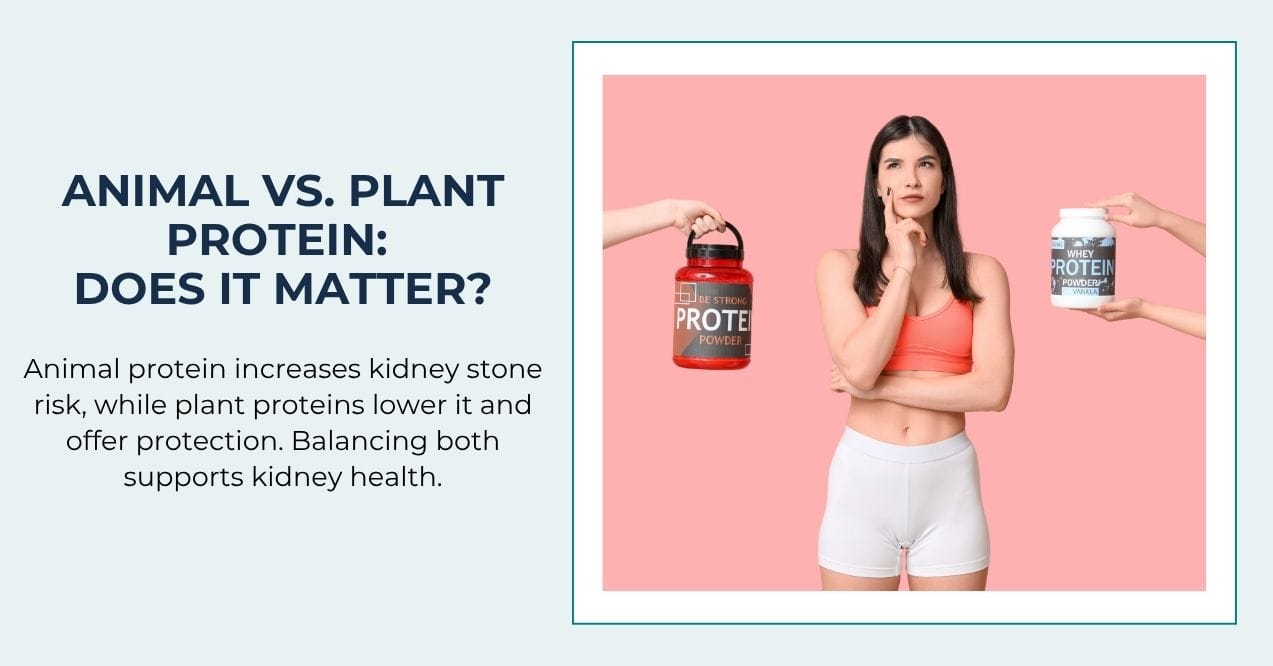
The source of your protein makes a significant difference in kidney stone risk. A comprehensive meta-analysis found that nondairy animal protein increased stone risk by 11%, while processed meat increased risk by 29%. Animal proteins generate more acid load in your body compared to plant proteins. This acid burden forces your kidneys to work harder and creates conditions favorable for stone formation.
Plant proteins from beans, lentils, nuts, and whole grains produce less acid during digestion. A prospective study of over 1,600 adults showed plant protein had a protective effect against kidney disease, with those in the highest intake group having 74% lower risk. They also provide beneficial compounds that may protect against stones. Studies show vegetarians have lower kidney stone rates than heavy meat eaters. This doesn’t mean you must eliminate all animal protein, but balancing your intake with plant sources can reduce risk.
The purine content also differs dramatically between protein sources. Animal proteins, especially organ meats and certain fish, contain high purine levels. Plant proteins generally have much lower purine content, producing less uric acid when metabolized. Diversifying your protein sources helps maintain kidney health while meeting nutritional needs.
When evaluating dietary triggers, it’s worth noting that beverages also play a role. Just as certain foods increase risk, understanding the worst alcohol for kidney stones can help you make informed choices about your overall dietary pattern.
How Much Protein Is Safe for Your Kidneys?
Finding the right protein balance supports both muscle health and kidney function. While individual needs vary based on activity level and health status, general guidelines provide a starting point for safe consumption.
General Guidelines
The Recommended Dietary Allowance (RDA) for protein is 0.8 grams per kilogram of body weight daily. For a 150-pound person, this equals roughly 54 grams of protein. Active individuals may require up to 1.2 grams per kilogram. Health experts confirm these amounts typically don’t pose kidney stone risks when consumed from varied sources. Spreading protein intake throughout the day also helps your kidneys process it more efficiently.
Special Considerations for Kidney Concerns
Those with existing kidney disease or stone history need personalized protein recommendations. Your kidneys may struggle to filter excess protein waste, potentially worsening your condition. Healthcare providers often suggest modified protein intake based on kidney function tests. For those managing kidney health challenges, a structured 7-day meal plan for kidney disease can provide appropriate protein levels while supporting overall kidney function.
Other Dietary Triggers That May Raise Stone Risk
While protein plays a major role in kidney stone formation, other dietary factors also contribute significantly. These elements often work together, compounding your risk when multiple triggers are present in your diet.
Sodium and Oxalates
Research shows high sodium intake increases calcium excretion in urine, similar to excessive protein. A high sodium diet increased urinary calcium from 2.73 to 3.93 mmol/day. The Women’s Health Initiative study of 78,293 women found sodium increased stone risk by up to 61%. Most Americans consume far more than the recommended 2,300mg daily limit.
Oxalate-rich foods like spinach, chocolate, and nuts can also contribute to calcium oxalate stones when eaten in large amounts. However, research indicates that consuming calcium-rich foods with oxalate-rich foods helps reduce oxalate absorption.
Low Fluid Intake
Dehydration concentrates stone-forming substances in your urine. A systematic review found that higher fluid intake was associated with increased urine output and reduced stone formation. Meta-analysis data shows that drinking more than 2 liters of water daily reduces stone risk by at least 8%. Most people need 8-10 glasses of water daily, more in hot weather or during exercise. Some beverages may actually increase stone risk – for instance, research shows energy drinks can cause kidney stones due to their high caffeine and additive content.
How Can Supplements Support Kidney Health and Reduce Stone Risk?
When investigating if can too much protein cause kidney stones, it becomes clear that heavy acid loads and mineral imbalances are your kidneys’ biggest challenges. High-protein diets force your urinary system to work overtime, filtering out excess calcium and uric acid while depleting the natural citrate that prevents crystallization.
While adjusting your protein sources and increasing hydration are your first lines of defense, your body often needs targeted nutritional support to maintain optimal filtration. At PureHealth Research, our Kidney Health Supplements collection is scientifically formulated to bridge the gap between dietary changes and comprehensive urinary tract support.
Why Support Your Kidneys With Our Formulas?
- Targeted Filtration Support: We utilize therapeutic doses of evidence-based botanicals to support healthy kidney markers, promote normal urine flow, and assist your body’s natural detoxification pathways.
- Mineral Balance & Tissue Comfort: By helping to maintain normal mineral balance and flush out cellular waste, these nutrients support a healthy internal environment that discourages the accumulation of crystallization-triggering compounds.
- Pure & Clean: Manufactured to be strictly gluten-free, dairy-free, soy-free, and non-GMO, ensuring you aren’t introducing new synthetic toxins into your fragile filtration system.
Ready to support your body’s master filters? Explore the full Kidney Health Supplements Collection today!
Conclusion
Managing protein intake plays a vital role in kidney stone prevention. While protein remains essential for health, the amount and source matter significantly. Research confirms animal proteins pose greater risks than plant-based options due to their acid load and purine content.
Your individual protein needs depend on various factors including activity level, age, and kidney health status. Most people can safely consume moderate amounts without increasing stone risk. The key lies in choosing diverse protein sources and maintaining proper hydration.
Plant proteins rarely contribute to kidney stone formation. Studies show they produce less acid during metabolism and contain minimal purines compared to animal sources. Most plant proteins actually provide protective nutrients that may help reduce stone risk when part of a balanced diet.
Most adults thrive with 0.8-1.2 grams per kilogram of body weight daily. Active individuals may need the higher end, while sedentary people do well with less. Those with kidney concerns should work with healthcare providers to determine their optimal range based on kidney function.
These high-protein diets may increase stone risk for susceptible individuals. Research indicates they increase acid load to kidneys. While some people tolerate them well, those with stone history need careful monitoring. Professional guidance helps modify these diets to reduce risk while maintaining their benefits.
Yes, increased fluid intake dilutes urine and reduces stone-forming substance concentration. Studies show water helps flush out excess minerals and protein byproducts. Aim for pale yellow urine as a hydration indicator, drinking more during high protein consumption periods.

Advertisement. This site offers health, wellness, fitness and nutritional information and is designed for educational purposes only. You should not rely on this information as a substitute for, nor does it replace, professional medical advice, diagnosis, or treatment. If you have any concerns or questions about your health, you should always consult with a physician or other health-care professional. Do not disregard, avoid or delay obtaining medical or health related advice from your health-care professional because of something you may have read on this site. The use of any information provided on this site is solely at your own risk.
Related Articles
How Can Kidney Stones Cause Gas and Bloating in the Stomach?
Written by Karolina Rutkute | April 28, 2026

What Do Kidney Stones Feel Like? The Complete Guide to Symptoms and Relief
Written by Karolina Rutkute | April 24, 2026

Does Tea Cause Kidney Stones? The Complete Guide to Safe Consumption
Written by Karolina Rutkute | April 21, 2026

Can the Kidney Heal Itself? Complete Guide to Natural Repair
Written by Karolina Rutkute | April 20, 2026
Can You Live With One Kidney? The Complete Guide to Care and Longevity
Written by Karolina Rutkute | April 17, 2026

What Size of Kidney Cyst Is Dangerous? The Complete Guide to Simple vs. Complex Cysts
Written by Karolina Rutkute | April 14, 2026